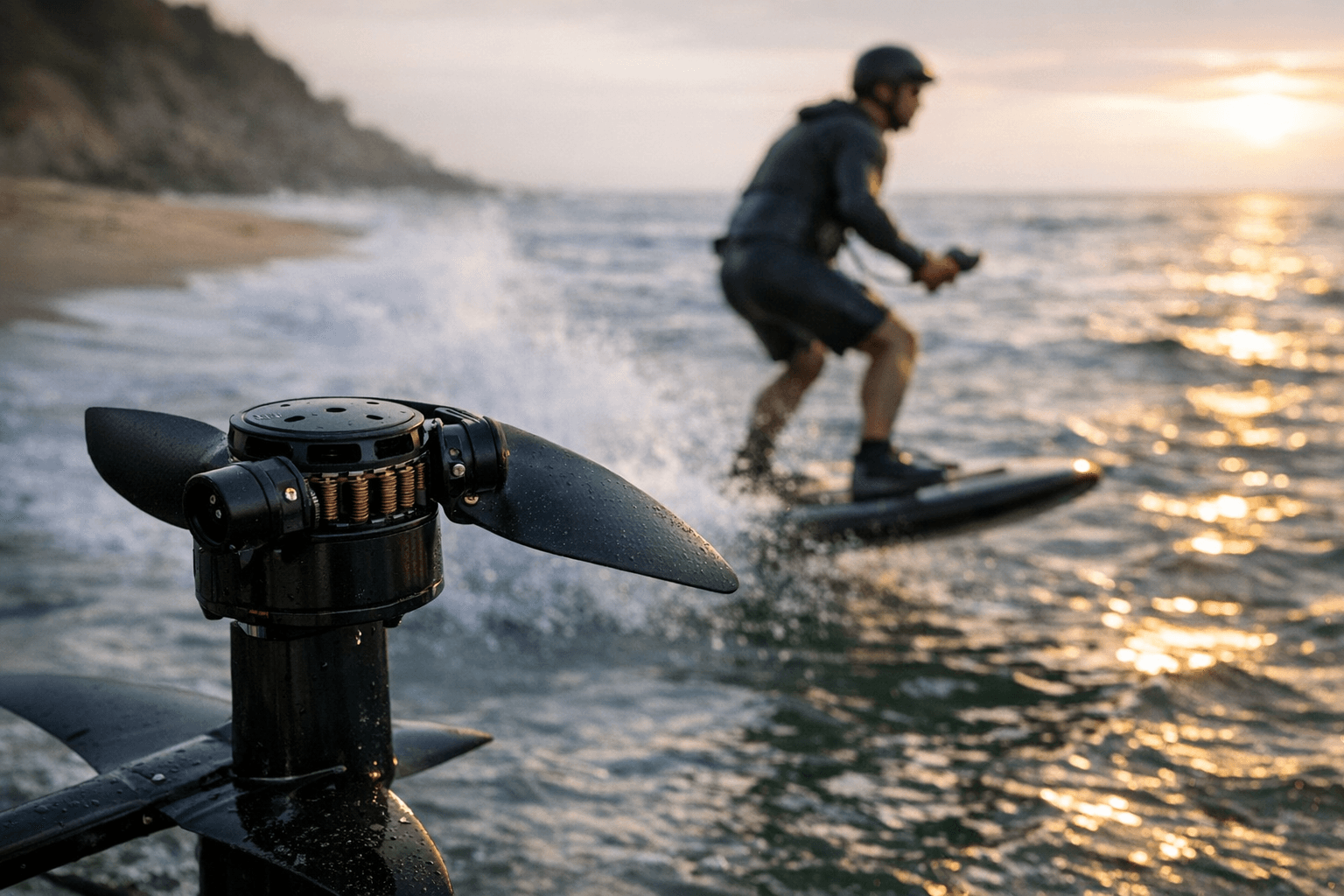
DIY eFoil builder eyes gesture control, onboard screen for future rides
A FOIL.zone builder is pushing past remotes and into gesture control, while an onboard display looks much more realistic than servo-driven foil geometry.
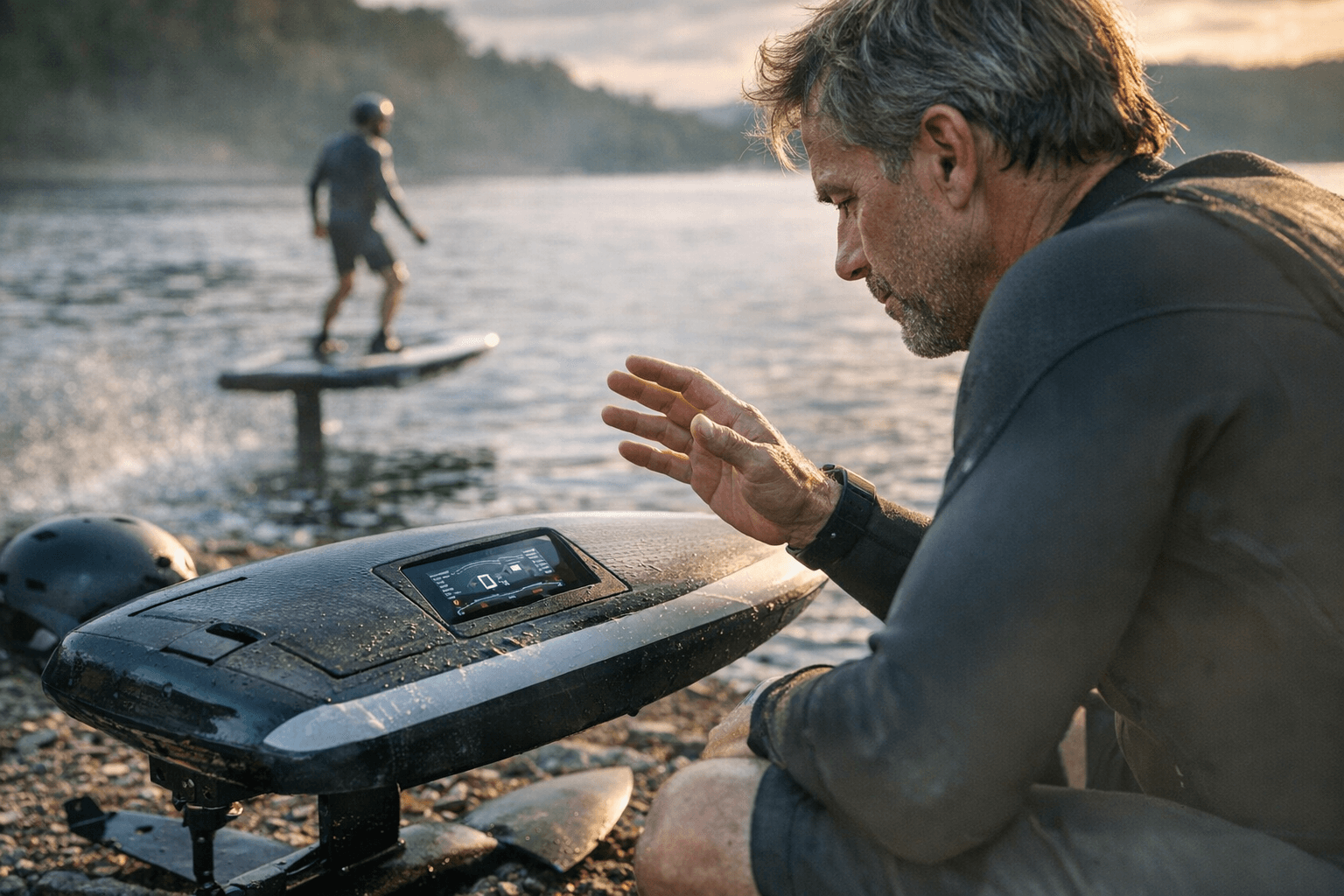
The most interesting DIY eFoil ideas right now are not about squeezing a few more volts out of a pack. They are about changing how the rider talks to the board. In FOIL.zone’s “Dreaming out and loud” thread, posted April 17, 2026, the builder talked about a front-mounted camera for hand-gesture control and a large waterproof screen, a combination that would move the whole experience away from the handheld remote that still dominates most home builds.
That matters because the DIY eFoil crowd is still living in remote-control land. FOIL.zone’s eFoil-build section is full of electronics and future-development discussion, including BREmote and BREmote V2 open-source remote work. That is the real baseline today: better remotes, cleaner triggers, more reliable links, fewer dead spots. Gesture control would be a genuine leap, but it would also have to survive glare, spray, vibration, battery drain, and the simple fact that a rider’s hands are already busy balancing on foil. In the next two seasons, it feels plausible as a lab-and-prototype project. It does not yet feel like a weekend garage mod that most riders can trust offshore.
The onboard screen idea lands closer to reality. A waterproof display solves a problem every rider recognizes once speed picks up and the water gets noisy: you want battery state, mode, and telemetry without fishing for a controller or squinting through wet lenses. XFoil is already leaning in that direction, advertising an integrated LCD display, Bluetooth telemetry, cruise control, anti-runaway safety, and an IP68 waterproof rating. That is the clearest trendline in this story: rider-facing data is moving onto the board itself, where it is easier to read and harder to lose.
The most ambitious part of the thread is the servo idea on the front wing, where the builder wondered whether one side or both could change angle dynamically. That is the kind of concept that sounds one breakthrough away from magic and five engineering headaches away from usable. Google Patents already shows adjustable hydrofoil concepts, including adjustable forward foil angles and variable angle-of-attack wing systems, plus more recent filings describing indexing wing adjustment. So the idea is not new. What is new is the temptation to bolt that complexity onto an eFoil-sized platform.
My read: onboard screens and better assist interfaces are the next real wave; gesture control is a serious prototype path; actively adjustable foil geometry is still mostly garage fantasy. The DIY scene is moving from “how do I make it run?” to “how do I make it feel native on the water?” and that is a much bigger shift than another battery swap.
Know something we missed? Have a correction or additional information?
Submit a Tip