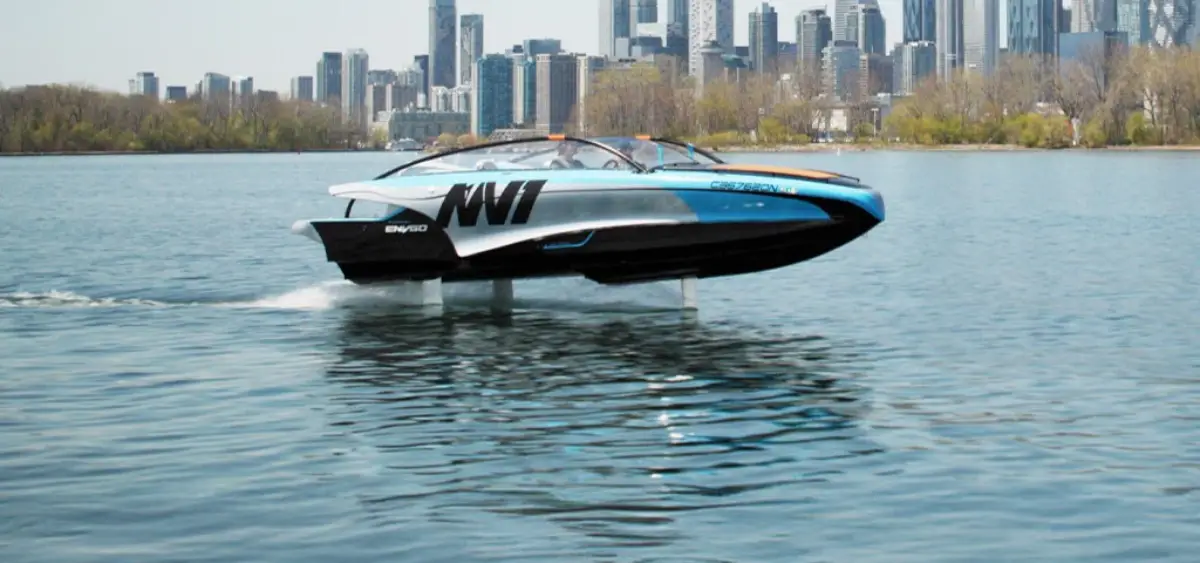
F-ONE's TITAN 2 Connection Delivers Stiffer, Faster Assembly in 2026 Platform Review
F-ONE's TITAN 2 connection delivers measurable stiffness and faster assembly over the original TITAN, confirmed by hands-on teardown testing in March 2026.
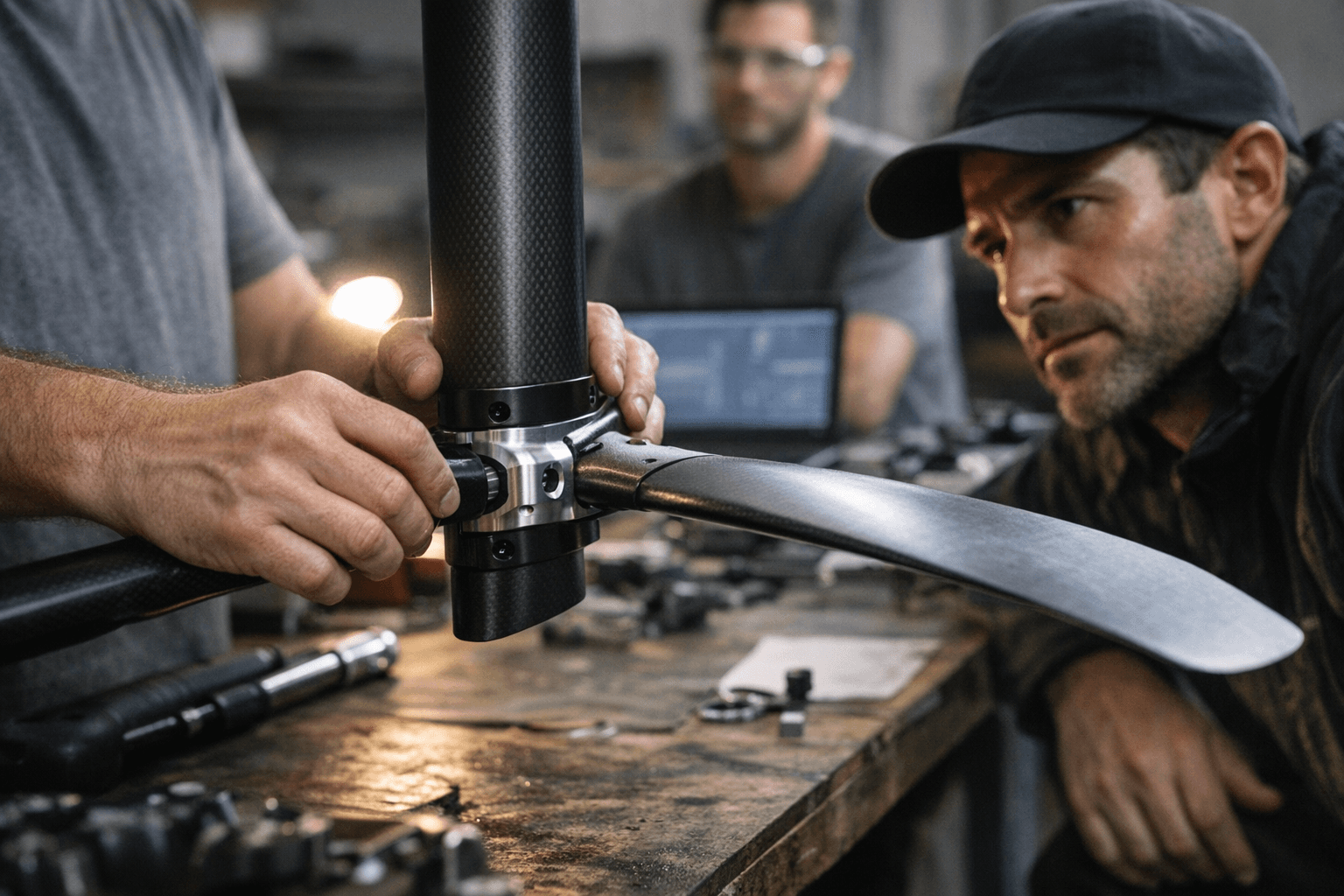
Wake-Style's hands-on teardown of F-ONE's 2026 platform, published March 14, hit the foiling community at exactly the right moment: spring sessions are ramping up, and riders who've been eyeing an upgrade now have concrete data to work with rather than spec-sheet promises.
The headline finding is straightforward. The TITAN 2 connection, which anchors F-ONE's entire 2026 platform, delivers real, measurable gains in three specific areas: stiffness, fit, and assembly speed. These aren't subjective impressions from a single session on glassy water. They came out of a deliberate take-apart test, the kind of methodical disassembly and reassembly process that reveals whether a connection system actually performs better or just looks different in the catalog photos.
What the TITAN 2 connection changes
The original TITAN standard set a reasonable baseline for F-ONE's connection architecture, but the 2026 update appears to address the friction points that showed up after riders logged real hours on it. Stiffness is the most critical metric in a foil connection system because any flex at the mast-fuselage or fuselage-wing junction translates directly into lost energy transfer and unpredictable feedback underfoot, particularly at higher speeds or during pumping sequences where precise load management matters.
The fit improvement is closely related. A tighter, more consistent fit reduces micro-movement between components, which is what actually produces the stiffness gains testers measured. When parts mate with less slop, the assembly behaves more like a single rigid unit rather than a collection of connected pieces, and that difference is immediately noticeable when you're trying to hold a line through a tight turn or pump back to a wave after a section.
Assembly speed is the third pillar of the TITAN 2 story, and it's the one that will resonate most with riders who've spent time on a beach wrestling with a foil that doesn't want to go together. Faster assembly isn't just a convenience feature; it reduces the window during which components are partially loaded or incorrectly seated, which has implications for both performance and safety. If the system goes together quickly and consistently, you're more likely to set it up correctly every time, especially in cold water or under time pressure before a tide window closes.
How the review tested it
The Wake-Style review wasn't a sponsored first look or a quick unboxing. The take-apart test approach means testers physically disassembled the connection under review conditions and evaluated how the system behaved through multiple assembly cycles. This matters because some connection systems feel excellent on the first assembly but develop slop or require more force after repeated use. A connection that maintains its fit characteristics across repeated build-and-break cycles is worth significantly more to a traveling rider or someone who foils frequently enough to be pulling their setup apart multiple times a week.
The comparison baseline throughout the review was the previous TITAN standard, which gives the findings meaningful context. Improvements described as "measurable" against a known reference point carry more weight than gains measured against a vague prior generation or a competitor's system.
Where this lands in the 2026 platform picture
F-ONE built the 2026 platform around TITAN 2 as the central architectural decision, which signals that this isn't a peripheral accessory update. Connection systems are foundational: every wing, every mast length, every fuselage configuration in the lineup interacts with the connection standard. When a brand commits to a new connection at the platform level, it's making a statement about backward compatibility, future development, and the direction of the entire product family.
For riders already invested in F-ONE gear, the TITAN 2 update raises the practical question of cross-compatibility with existing TITAN components. The review findings focus on the 2026 platform as a system, and the stiffness and fit gains are most fully realized when the complete TITAN 2 ecosystem is assembled together rather than mixed with first-generation TITAN parts.
The practical takeaway
Three improvements, all confirmed under test conditions, that address the things foilers actually argue about: whether the connection is stiff enough to trust at speed, whether it goes together cleanly every time, and whether it saves time on the beach. F-ONE's 2026 platform delivers on all three counts according to the Wake-Style teardown, and that combination is harder to achieve than it sounds. Stiffness and assembly speed are often in tension, since the tightest-fitting connections can also be the most frustrating to assemble. The fact that TITAN 2 appears to have moved both metrics in the right direction simultaneously suggests a genuine engineering advance rather than a trade-off dressed up in new branding.
The timing of this review, three days ahead of most Northern Hemisphere markets hitting peak pre-season buying decisions, means riders have actionable information before they commit. For anyone already in the F-ONE ecosystem or considering entering it, the TITAN 2 connection is no longer a question mark on the 2026 spec sheet.
Know something we missed? Have a correction or additional information?
Submit a Tip