Foil Surfing Safety Rules, Registration Tips, and Best Practices for Every Rider
Most foil surfers get the riding part right but get caught out by registration rules and venue-specific regs that vary wildly between ocean, bay, and lake.

Lift Foils made eFoiling look effortless on Instagram, and now riders are showing up at every waterway imaginable, from Pacific beach breaks to freshwater reservoirs in landlocked states, with boards that cost more than some used cars and zero paperwork in hand. That gap between enthusiasm and compliance is where the real danger lives, not just legal danger but physical danger, because the same riders who skip the registration step also tend to skip the safety briefing.
Here is what you actually need to know before you drop in.
Registration and Classification: The Rules Depend on the Motor
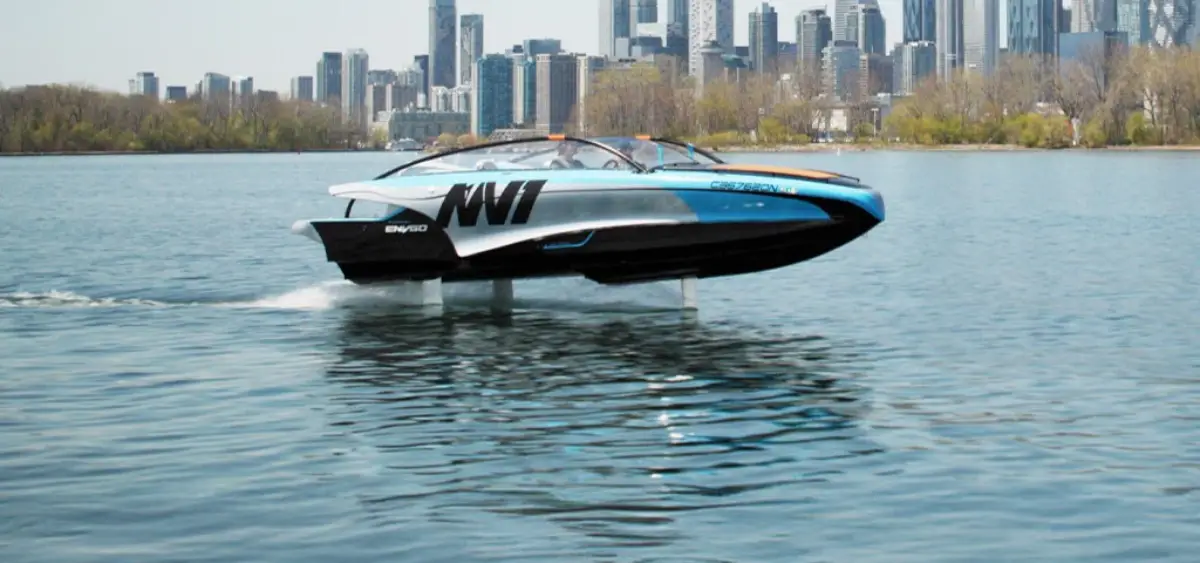
The single most confusing area for new eFoil pilots is whether their board legally counts as a vessel. In the United States, the Coast Guard's general rule is that any motorized watercraft used on navigable waters is subject to registration requirements, and most eFoils fall squarely into that category. That means a Flite Board, a Lift eFoil, or a Waydoo Flyer needs to be registered in your state if you are riding it on a lake, bay, or coastal waterway that qualifies as navigable, which is most of them.
Traditional foil surfing, the kind powered by a wave, a kite, a wing, or a tow rope, typically does not trigger the same registration requirement because there is no motor. But the moment you add a motor, even a battery-powered one, the classification changes. Several states have updated their personal watercraft definitions specifically to capture eFoils, so checking with your state's fish and wildlife or boating agency before you ride is not optional.
A few practical registration notes:
- Most states require a registration number displayed on the hull; confirm the specific size and placement rules for your jurisdiction
- Registration is tied to the state where the vessel is primarily used, not where you purchased it
- If you are riding in a state other than your home state, most reciprocity agreements give you 60 to 90 days before you need a local registration
- Some local lake authorities and private reservoirs add their own permit layer on top of state registration, so call ahead
Venue-Specific Rules: Ocean, Bay, and Lake Are Not the Same
Ocean venues governed by surf zone ordinances present a different ruleset than inland lakes managed by state park services or the Army Corps of Engineers. At busy beach breaks, many municipalities have designated swim zones where any board, foil or otherwise, is prohibited during peak hours. Foil boards add a particular complication because the mast and wing extend below the waterline and can seriously injure a swimmer who cannot see the hazard.
Bay riding often puts you in or near commercial shipping channels and areas with heavy recreational boat traffic. Knowing the COLREGS, the international rules for preventing collisions at sea, is genuinely useful here. As a human-powered or electric-powered craft, a foil surfer is generally considered a vessel and must follow right-of-way rules accordingly.
Lake venues are frequently the most strictly controlled. Many reservoir authorities ban motorized watercraft entirely, which would prohibit eFoils regardless of their low wake and quiet operation. Others have speed limits that make eFoiling impractical in certain zones. Wing foiling and kite foiling on lakes face additional constraints in areas with flight paths nearby, because a 12-meter kite can become a hazard to low-flying aircraft.
Personal Flotation Devices: When PFDs Are Required and Why You Should Wear One Anyway
For registered motorized vessels, the USCG requires at least one Type I, II, or III personal flotation device per person on board, which on an eFoil means the rider. Many states extend this requirement to anyone operating a personal watercraft, a category that increasingly includes eFoils explicitly.
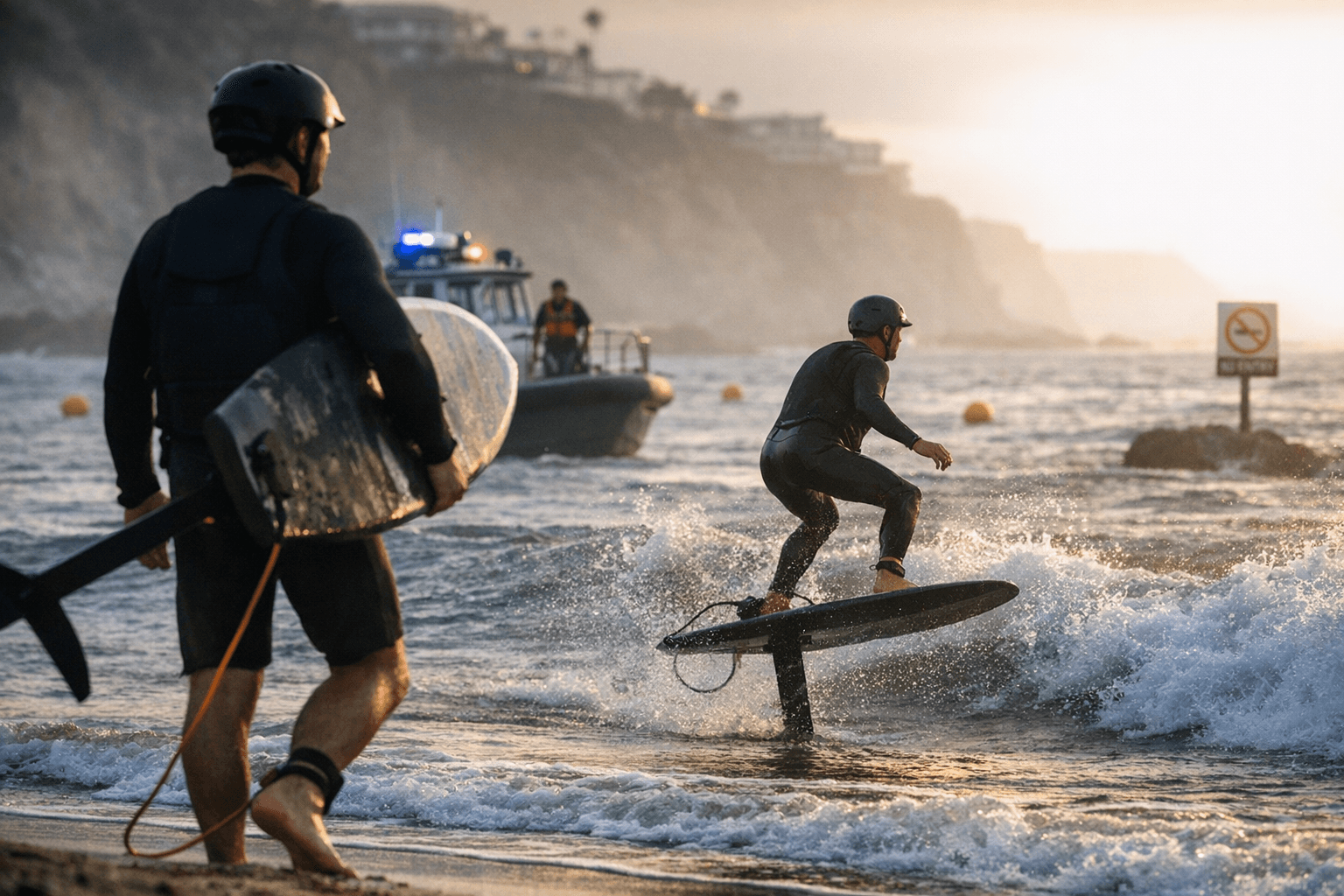
Beyond the legal floor, the practical case for a PFD is straightforward. Foiling crashes are not gentle. A high-speed catapult fall can knock the wind out of you or cause brief disorientation, and if you are 400 meters offshore in a bay with chop, even a strong swimmer is in a bad situation unconscious in the water. Impact vests designed for water sports offer both flotation and protection against exactly that kind of blow, and several riders in the competitive circuit wear them specifically for the torso protection, not just buoyancy.
Helmets occupy a similar space. They are not universally required by law for foil surfing, but they are standard in every serious foiling discipline from freestyle to race. The foil mast and wings are aluminum or carbon fiber; your head is not.
Maintenance Checks That Are Also Safety Checks
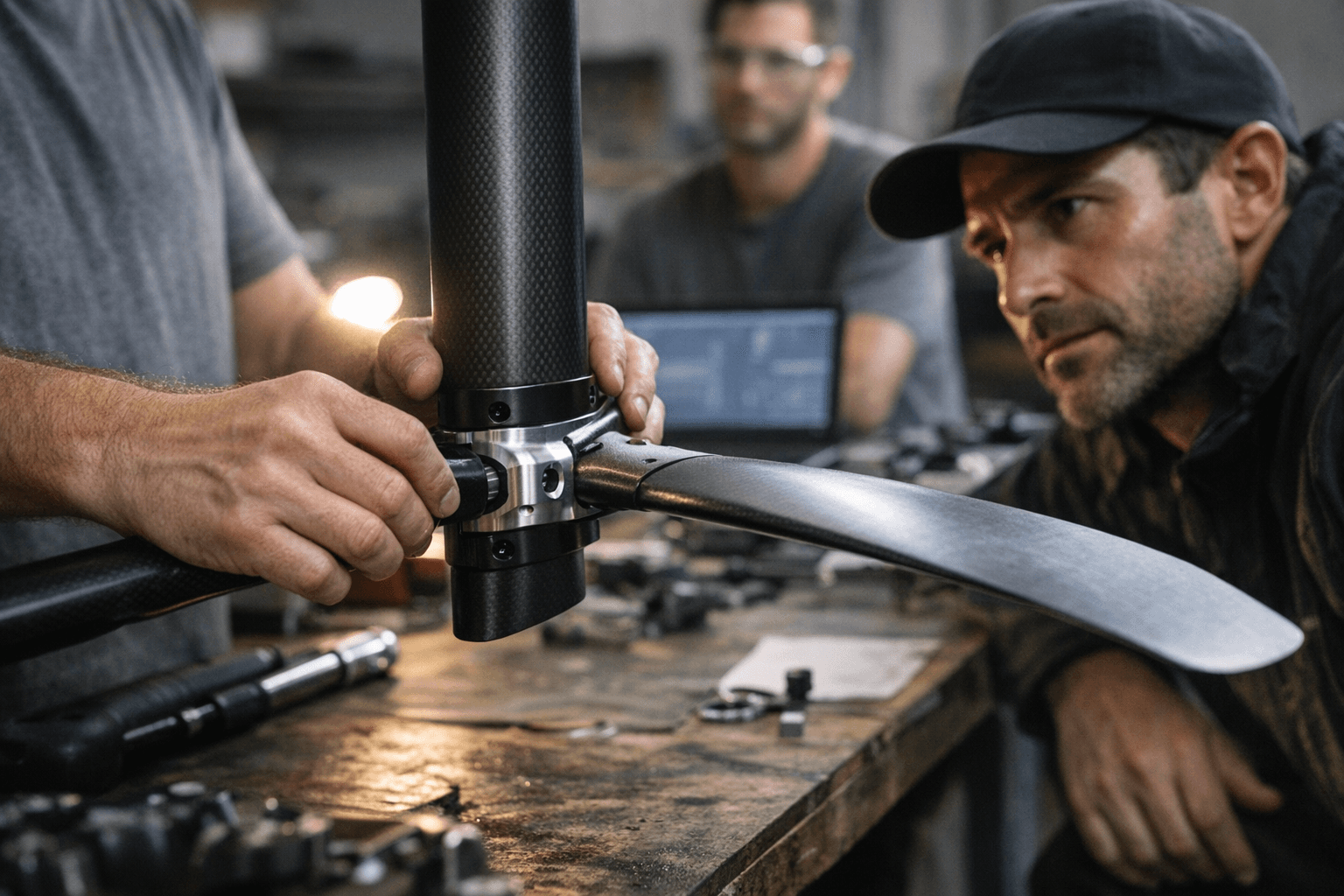
A foil that fails mid-ride does not just end your session; it becomes a projectile. The connection between your board and the mast, the mast and the fuselage, and the fuselage and the wings involves multiple bolted joints that see enormous stress loads every time you load the foil. Salt water accelerates corrosion at every one of those joints.
Build these checks into your pre-session routine:
1. Inspect every bolt at the mast base plate and torque to spec; do not rely on finger-tight
2. Check the foil wings for cracks, particularly around the leading edge and mounting holes
3. On eFoils, inspect the motor pod for seal integrity and any water ingress indicators before entering the water
4. Verify the battery connection is secure and the remote pairing is confirmed before you launch, not in the water
Rinsing your foil with fresh water after every salt water session is not a nice-to-have. Galvanic corrosion between dissimilar metals, common in aluminum masts paired with stainless hardware, will compromise joint integrity over time if you skip the rinse.
Right-of-Way and Courtesy on Crowded Water
The foiling community's fastest path to losing access to venues is incidents involving other water users. Foils travel fast and silently, which makes them surprising to kayakers, paddleboarders, and swimmers who have no way to gauge your approach speed. At any shared-use venue, treat your speed and the foil's underwater profile as the hazard they are.
Give swimmers a minimum of 50 meters clearance wherever possible. When approaching a busy launch zone, drop off the foil and paddle in rather than foiling through a crowd. On surfing breaks, the standard surfing right-of-way rules apply: the rider closest to the peak has priority, and dropping in on someone who is already on a wave is the same bad behavior on a foil as it is on a shortboard, arguably worse given the speed differential.
The riders who are doing the most to keep venues open are the ones who proactively communicate with local harbormaster offices, lake patrol rangers, and surf spot regulars. A two-minute conversation before a new session costs nothing and builds the kind of goodwill that keeps a spot accessible for everyone.
The sport is still young enough that the regulatory picture will keep shifting as more agencies catch up to how widespread foiling has become. Staying current with your state's boating authority and the local rules at every venue you ride is not bureaucratic overhead; it is the difference between a long-term foiling life and a permanently revoked launch permit.
Know something we missed? Have a correction or additional information?
Submit a Tip