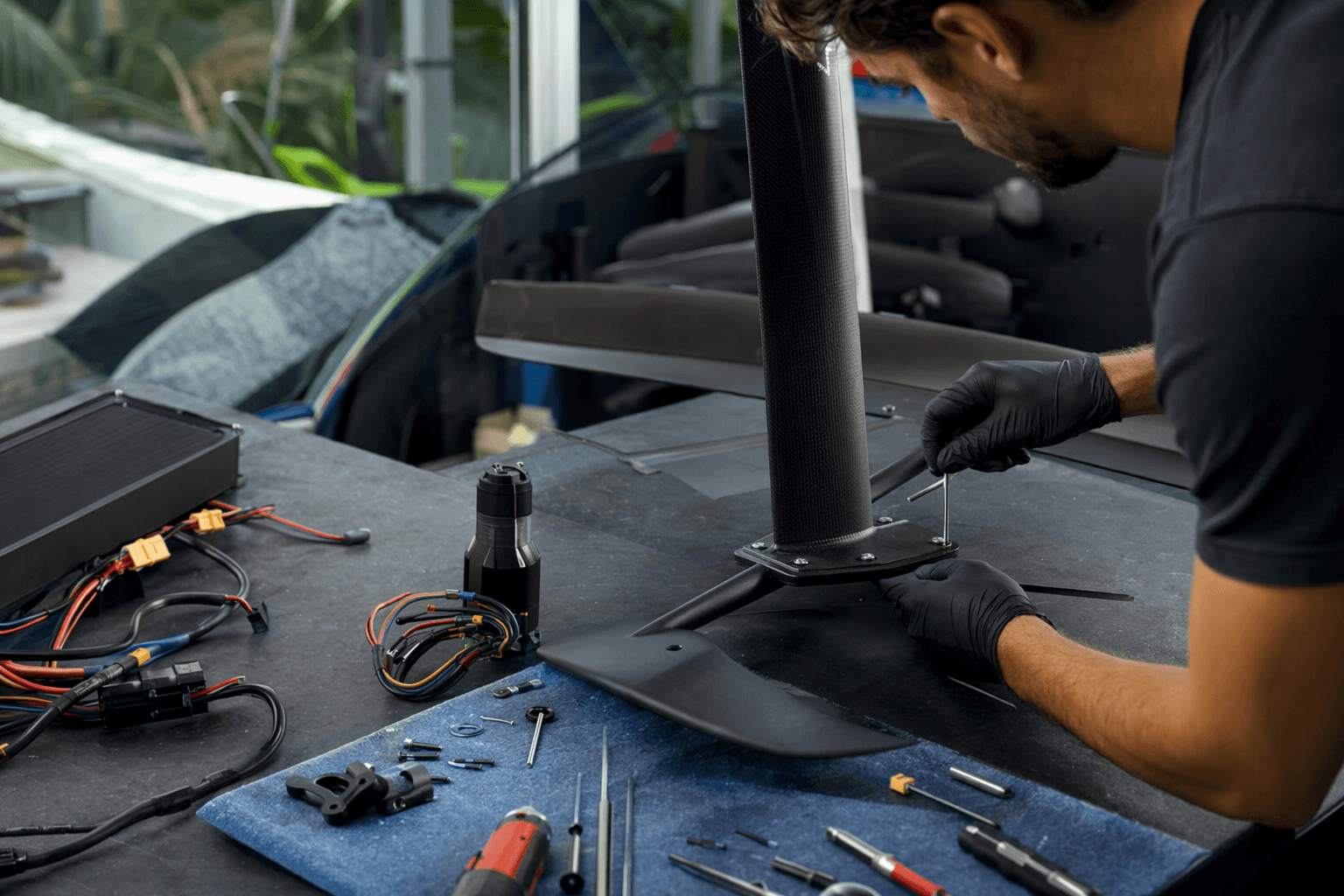
Foil Drive V3 remote debate shows riders want better control
The Foil Drive V3 talk is really about control, not hype. Riders want a remote that still works in gloves, chop, and crashes, not just one with a prettier screen.
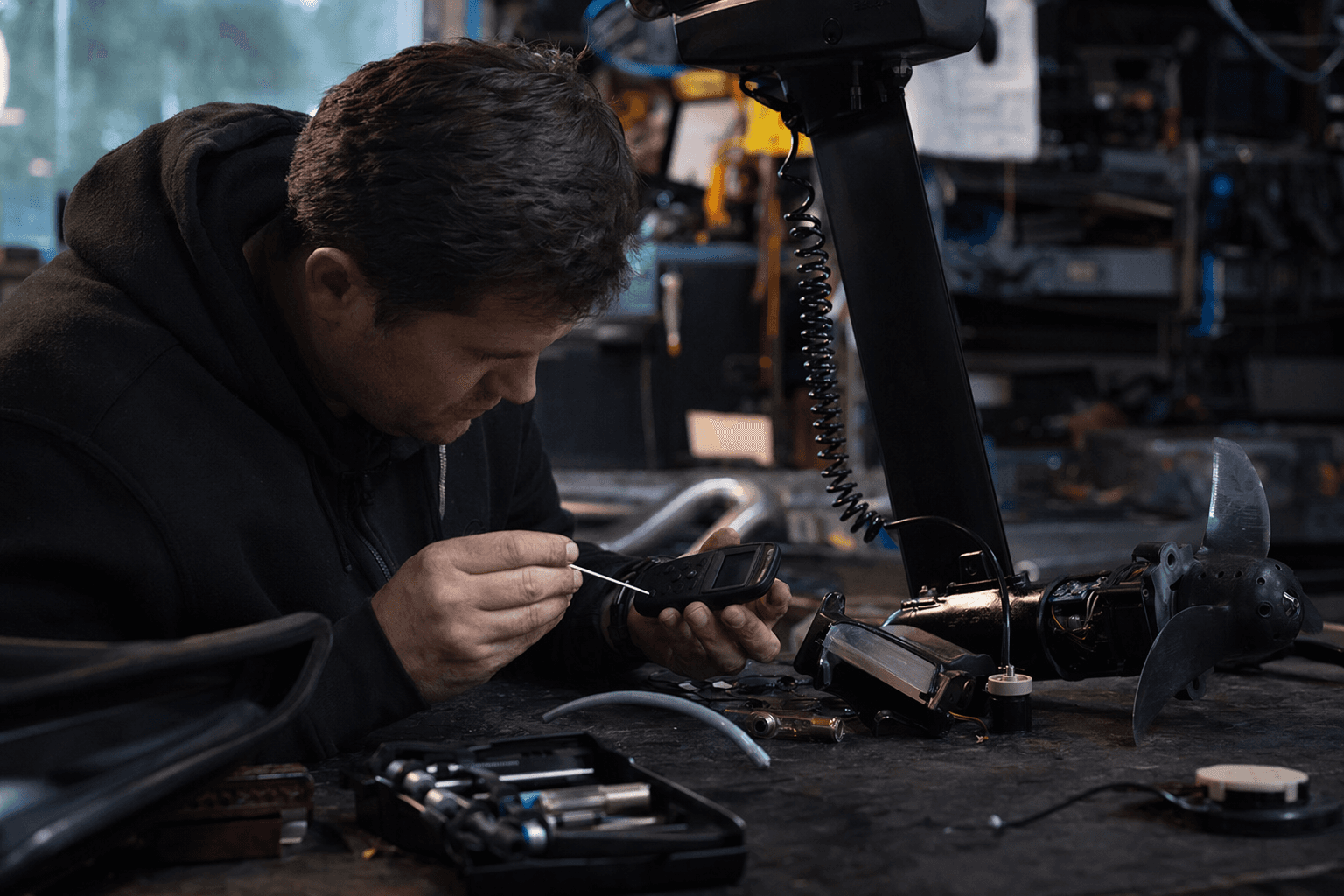
Why the remote matters more than the motor
The sharpest thing about the Foil Drive V3 conversation is that nobody is really arguing about raw power. The real question is whether the controller is usable when you are wet, gloved, bouncing through chop, or trying to remount after a wipeout. In foil-assist riding, the remote is the main interface, and if that interface is awkward, the whole system feels clumsy no matter how good the motor is.
That is why the FOIL.zone thread matters. The original poster was not casually browsing gear, they were asking who is building the Foil Drive V3 remote and whether it is worth trying, while also looking for remotes to build or buy. That is the mindset of riders who know the remote is not an accessory. It is part of the ride, part of the safety system, and part of whether a build feels dialed or compromised.
What the forum debate is really saying
FOIL.zone calls itself a global community for foiling enthusiasts, and its Build, Repair & Mod category is where riders trade best practices on building, repairing, and modifying foils and boards. That is exactly why the V3 discussion moved so quickly from curiosity to design philosophy. One rider asked whether anyone knew of projects that had used touchscreens, and another pushed back by asking why a touchscreen would be necessary at all.
That exchange is short, but it gets to the heart of surf-assist design. A touchscreen may look modern and promise more information, but the water does not care about aesthetics. In a real session, riders need controls they can feel through gloves, read in glare, and trust after a dunk in salt water. The V3 thread is less about a single remote and more about whether the next generation of foil-assist controls should be information-rich or stripped back to the essentials.
Buttons versus touchscreen, the water test
On land, touchscreens feel intuitive. On the water, they are another story. Chop makes fine taps harder, wet fingers reduce confidence, and gloves can turn a simple action into a missed input. If you crash, remount, and need the throttle fast, tactile buttons usually win because they give you a physical reference without asking you to look down and confirm a tiny icon.
That is the control-and-safety issue the Foil Drive debate keeps circling. A touchscreen can show more data, but more data is not always more useful if it costs you speed, certainty, or simplicity at the exact moment you need the remote most. The best remote is the one you can operate without breaking your stance, changing your grip, or second-guessing whether you actually hit the command.
What Foil Drive already builds into its controller
Foil Drive is not treating the controller as an afterthought. The company says it created the original retro-fit electric foil assist kit, which means it helped define the category that riders are now trying to refine. Its help center says the controller includes telemetry on the screen, cruise control, and an LCK feature, so this is already a control hub rather than a bare-bones trigger.
Foil Drive also says it is constantly developing controllers through new firmware, which matters because control hardware is no longer frozen once it ships. If the interface can gain features over time, then the real product is not just the remote in your hand, but the whole update path behind it. That also explains why the company’s support material includes instructions for re-pairing a lost wireless link, because a remote that cannot be recovered cleanly is a problem no rider wants mid-session.
The safety details that separate a good remote from a good-looking one
The practical test starts with the boring stuff. Foil Drive’s troubleshooting guidance says salt crystals can trigger controller errors such as 00L or RF ERROR, and it advises soaking the controller in warm water. That single detail tells you a lot about the environment the gear has to survive: salt, spray, heat, and repeated handling are part of normal use, not edge cases.
Foil Drive also says all units purchased from February 2024 came with a V2 controller with a throttle-lock feature. That matters because the control story is already moving in a safety-first direction. When a company is adding lock functions, telemetry, and firmware updates, it is signaling that the remote is a core part of risk management, not just convenience.
Where the V3 fits in the lineup
Foil Drive’s official site lists a V3 Controller owner’s manual, and a regulatory page identifies the V3 Throttle Controller by model number with FCC and ISED identifiers. That makes the V3 a documented, official controller model rather than a rumor floating around forums. Third-party listings go further, describing it as backward compatible with Foil Drive units and positioning it as a more advanced control system with improved ergonomics, durability, GPS data, battery status, and session metrics.
Some retailer listings also describe a larger, brighter display, dual-redundant sensors, removable throttle guards, and preorder shipping around early May 2026. Taken together, those details show where the category is headed: more feedback, more safety features, and more information packed into the hand unit. The challenge is whether all of that improves the ride or just adds complexity that looks impressive in a product shot.
A practical checklist for judging a foil-assist remote
When you are deciding whether a control system is actually usable, use the water test, not the spec-sheet test.
- Can you operate it with gloves on, without hunting for small targets?
- Can you read it in glare, spray, and moving water?
- Does it give you the right information quickly, or does it bury the essentials under extra data?
- Can you trigger throttle, cruise, and lock functions without changing your grip?
- If the wireless link drops, is re-pairing realistic and clearly documented?
- Does the design look robust against salt crystals, wet storage, and repeated rinsing?
- If it has a touchscreen, is that screen genuinely helping you ride better, or just making the remote look newer?
That checklist is the right way to think about the Foil Drive V3 debate. Riders are not rejecting innovation. They are asking whether the next control system actually survives the conditions that matter.
The real takeaway
The Foil Drive V3 discussion shows how far foil-assist has come. Riders are no longer content with a remote that simply turns the motor on and off, because the remote now shapes throttle feel, safety, visibility, and the whole rhythm of a session. Foil Drive’s own feature set, from telemetry and cruise control to lock functions and firmware updates, suggests the industry is already moving toward smarter controllers.
The open question is how much interface complexity the water can really reward. In foil surfing, the best control system is not the flashiest one. It is the one you trust when your hands are cold, your board is moving, and the next input has to work the first time.
Know something we missed? Have a correction or additional information?
Submit a Tip