BLM Southwest fire restrictions guide Four Corners travelers across public lands
One quick check can save a Four Corners trip from a banned campfire, a cold dinner, or a citation. The BLM Southwest District page is the go-to pre-departure stop.
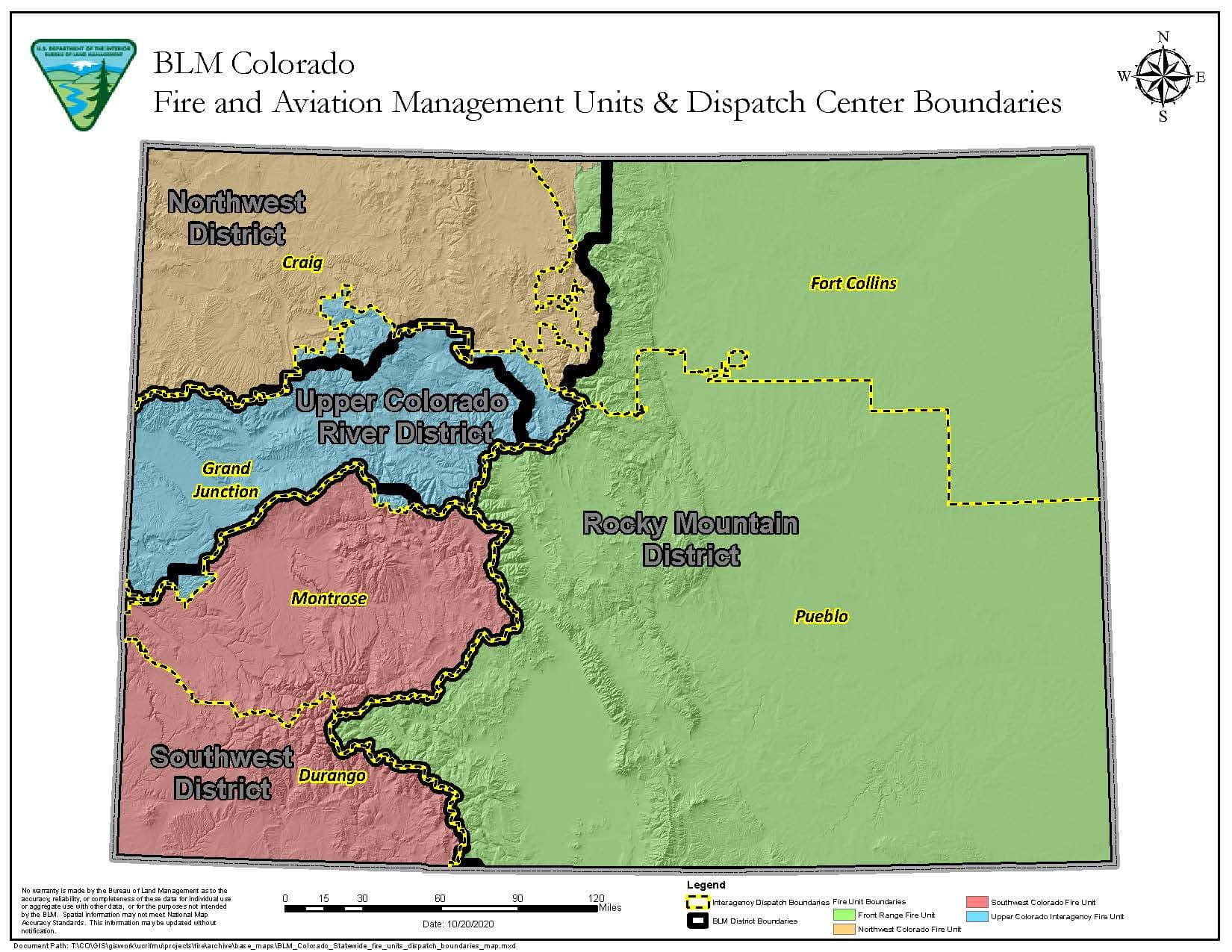
If you roll into the Four Corners assuming last weekend’s campfire rules still hold, you can blow up the whole trip. The BLM Southwest District fire-restrictions page is the first check to make before you plan a dispersed campsite, a road-food stop, or a long day of dirt-road miles on Colorado public lands.
Start with the district page, not the rumor mill
The BLM Southwest District page is built for Colorado public lands, and it sits inside a bigger fire-information system that includes separate pages for Colorado, Utah, New Mexico, Arizona, plus a national BLM fire-restrictions hub. That matters in the Four Corners region, where one itinerary can cross state lines and land in a different set of rules before you even notice the county sign.
The agency also posts area-specific notices when conditions change in places like the BLM Gunnison Field Office, the BLM Uncompahgre Field Office, and the BLM Tres Rios Field Office.
What a fire restriction actually changes at camp
This is where the rules stop being abstract. BLM has issued Stage 1 fire restrictions for six counties in southwest Colorado, and it has also used Stage 2 restrictions in specific areas when conditions tighten further. A 2018 BLM release for lands near Silverton in San Juan County, Colorado, is the cleanest example of what that looks like on the ground: Stage 2 banned open flame, including campfires, stove fires, charcoal grills and barbecues, and coal- and wood-burning stoves.
It wipes out the easy dinner plan, changes how you heat water, and forces you to carry a backup that does not depend on open flame. If your camp routine leans on a stove, a grill, or a wood fire, you need to know the restriction level before you leave pavement.
Smoking rules matter too, because a dry pullout is not the place to assume a cigarette or a quick smoke break is harmless. The same logic applies to gear that can throw heat or sparks, including chainsaws, welding gear, and the kind of portable generator setup people use to make camp more comfortable.
Why this matters for Four Corners itineraries
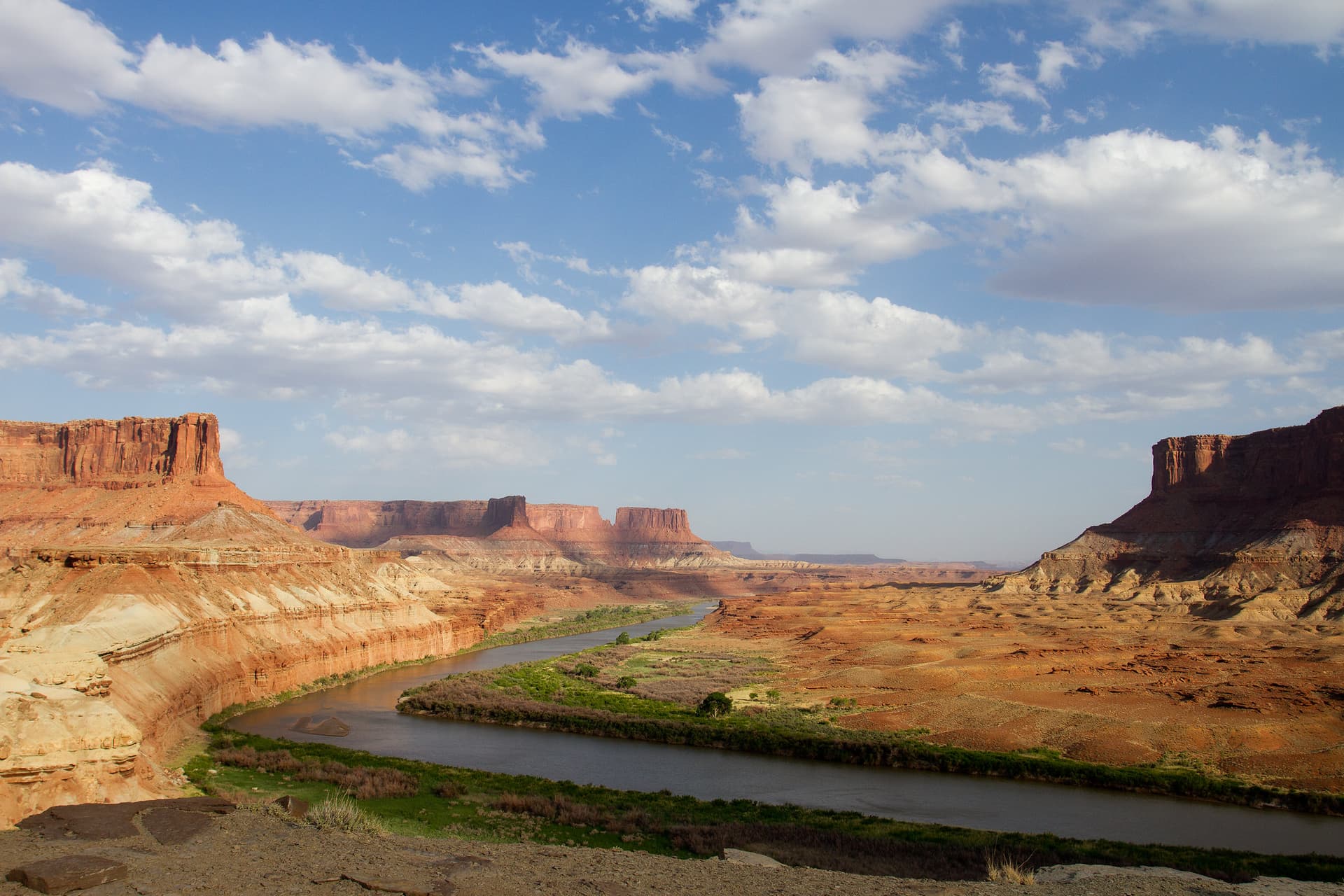
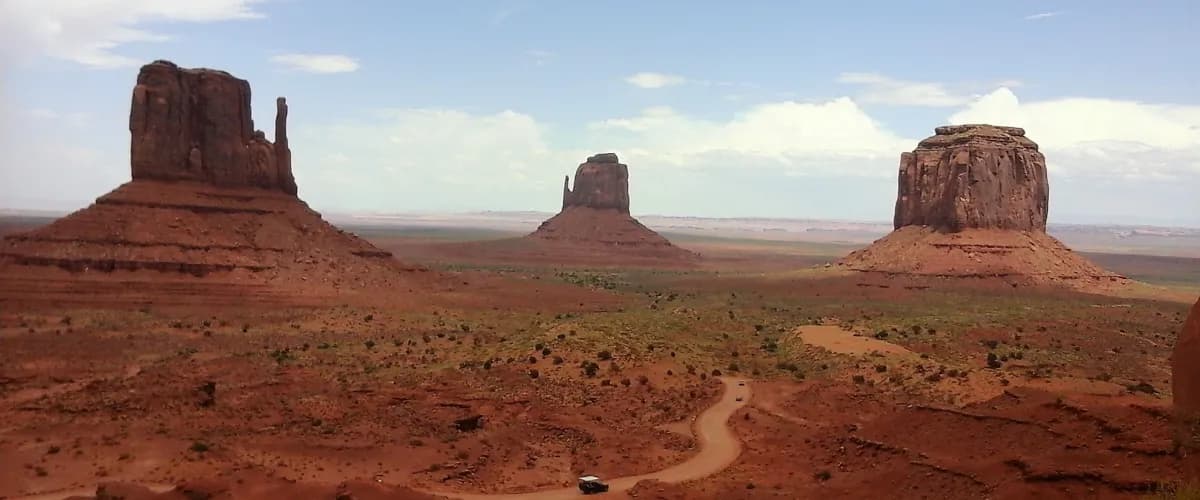
The Southwest District page is especially useful for overlanders, dispersed campers, photographers, hunters, and road-trippers because BLM-managed land sits at the center of so many Four Corners plans. A Moab-area loop, a canyon-country camping run, or a trail-access day can all hinge on whether you can legally cook, heat, or stay overnight in the place you picked.
If open flame is restricted, you may need to change food prep, heating, or overnight routines before you leave pavement. If you were counting on a roadside campsite, a scenic pullout, or a remote two-track stop, the trip may still happen, but the way you use that land may have to change.
Dry, windy weather raises the stakes further. Even routine travel through public lands can carry risk when conditions are right for fire spread.
How to check before you leave home
1. Open the BLM Southwest District fire-restrictions page and check the current status for Colorado public lands.
2. If your route crosses into Utah, New Mexico, or Arizona, check the separate state pages too, because the BLM keeps those fire-restrictions pages separate.
3. If you are near the Arizona line, use the Arizona Interagency Wildfire Prevention tool for Arizona and New Mexico, but remember that it displays only federal and state-managed land restrictions there, while county and municipal rules live on local government websites.
4. Scan the BLM’s area-specific notices for the Gunnison, Uncompahgre, and Tres Rios field offices if your trip touches those zones.
5. Recheck before you drive out, because Colorado emergency-management and fire-prevention resources warn that fire restrictions and bans can change rapidly.
This article was produced by Prism’s automated news system from verified source data, official records, and press releases, then run through automated quality and moderation checks before publishing. The system is built and supervised by the people who set the standards it runs under. Read our full AI policy.
Did this article answer your question?