Bullfrog Marina relocation begins as Lake Powell drought deepens
Bullfrog Marina was set to move beside Halls Crossing as low Lake Powell levels forced walkway closures, a power outage and new launch logistics.
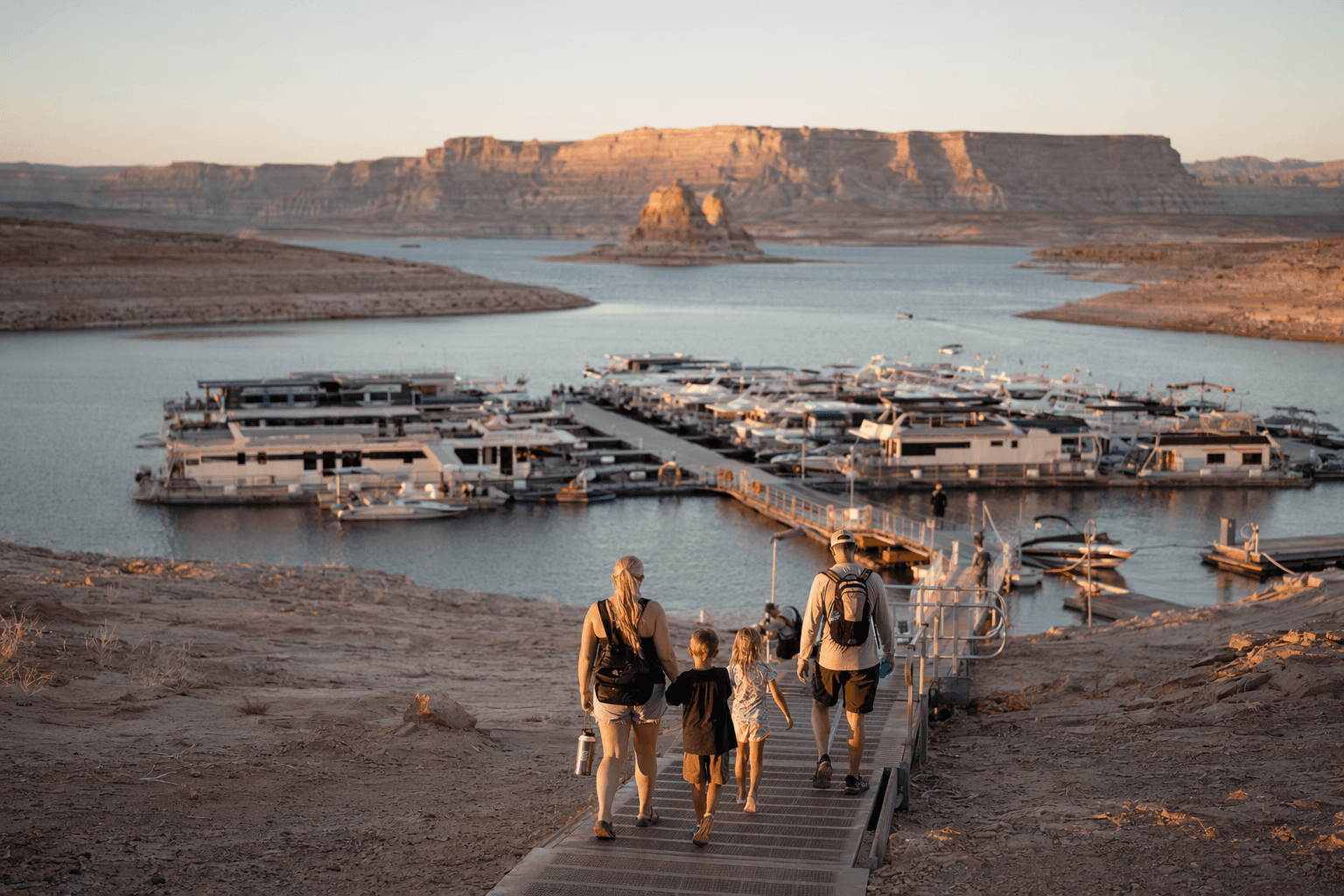
Bullfrog Marina’s access is changing fast, and the biggest effect for boaters is simple: launching, docking and getting around the northern end of Lake Powell are about to take more coordination. Lake Powell Resorts and Marinas said Bullfrog Marina would begin relocating on May 4 so it could sit near Halls Crossing Marina, with the move unfolding in phases over the coming weeks.
The first disruption was the walkway access, which was scheduled to close before the rest of the work moved ahead. Marina staff were expected to help people reach their vessels, but anyone planning a trip had to factor in slower movement through the site and a very different start to the day than a normal Bullfrog launch. Water taxi service was set to run on a first-come, first-served basis, another sign that the marina’s routine was shifting with the reservoir itself.
The move was planned in two phases, each lasting about eight to 10 days. A power outage was expected to last four to six weeks, a major operational change for a hub that many Lake Powell visitors use as a base for launching boats, loading gear and reaching campsites and backcountry water destinations. For recreation users, that meant more than an inconvenience. Docks could become unusable, access patterns could change quickly, and tour operators could face longer waits or altered launch logistics.
All of that sits inside a larger drought picture that has stopped being theoretical at Lake Powell. Utah officials recently confirmed extreme drought conditions, and natural inflow from the Colorado River was expected to be only about 40% of normal. In response, federal and regional water managers approved a plan to release up to 1 million acre-feet from Flaming Gorge Reservoir over the next year to help support Lake Powell levels.
That release was expected to raise Lake Powell by 54 feet, just enough to keep the reservoir above a critical threshold that could threaten power generation at Glen Canyon Dam. For Bullfrog, the relocation was not a convenience project. It was a survival move for one of the reservoir’s best-known access points, a reminder that low water now reaches straight into summer trip planning, changing how the lake functions for everyone who launches there.
This article was produced by Prism’s automated news system from verified source data, official records, and press releases, then run through automated quality and moderation checks before publishing. The system is built and supervised by the people who set the standards it runs under. Read our full AI policy.
Did this article answer your question?