Moab Atlas cleanup still protects Colorado River groundwater after 20 years
Beneath Moab’s red-rock playground, 42 wells still hold back uranium-era groundwater from the Colorado River after two decades of cleanup.
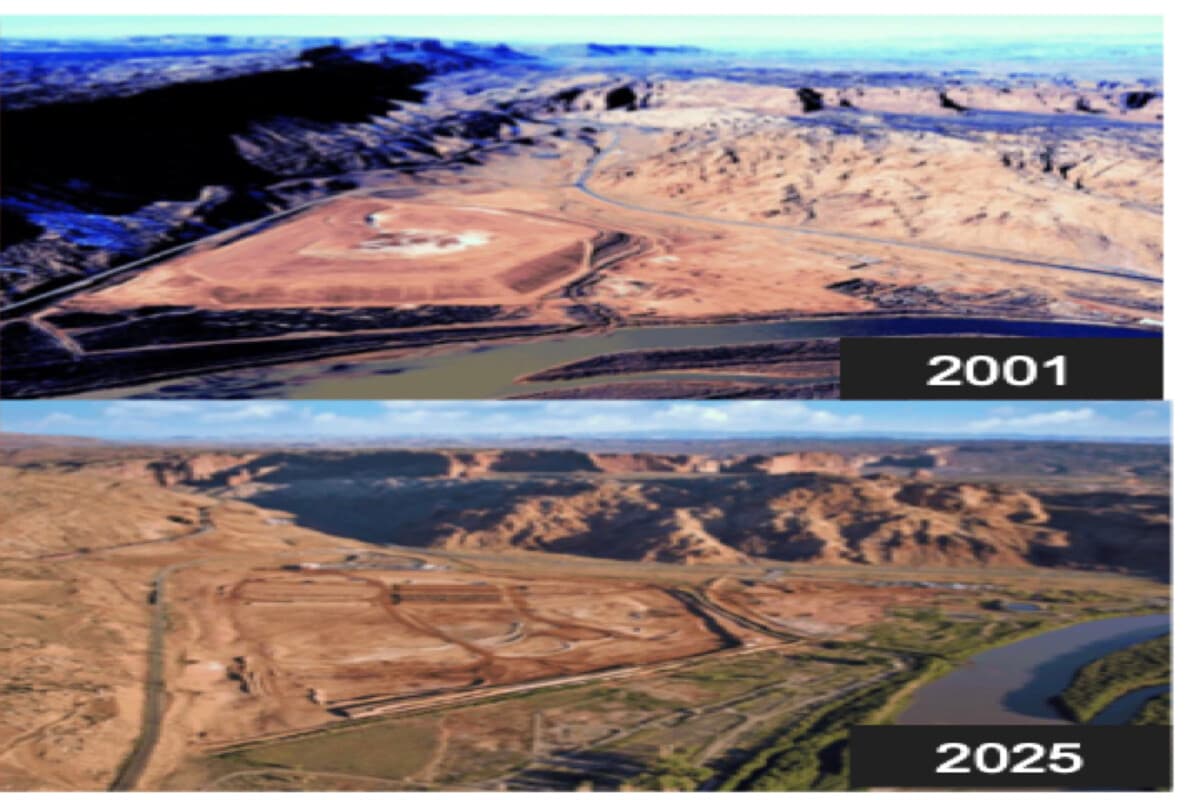
The tailings pile is mostly gone, but the work under the ground still matters every day in Moab. For more than 20 years, the Department of Energy has run a groundwater system at the former Atlas mill site to keep contaminated water from moving toward the Colorado River and its backwater channels, where ammonia and uranium can damage fish habitat and downstream water quality.
That hidden cleanup started in 2003 and has become one of the longest-running pieces of the Moab UMTRA Project. DOE says the system now uses 42 wells, including eight extraction wells and more than 30 freshwater injection wells, to pull polluted water back and push clean water in. Over the life of the project, the agency says it has extracted 288.5 million gallons of groundwater and prevented more than 1,002,109 pounds of ammonia and 5,816 pounds of uranium from reaching the river. In 2025 alone, DOE says it injected about 7,430,555 gallons of freshwater.
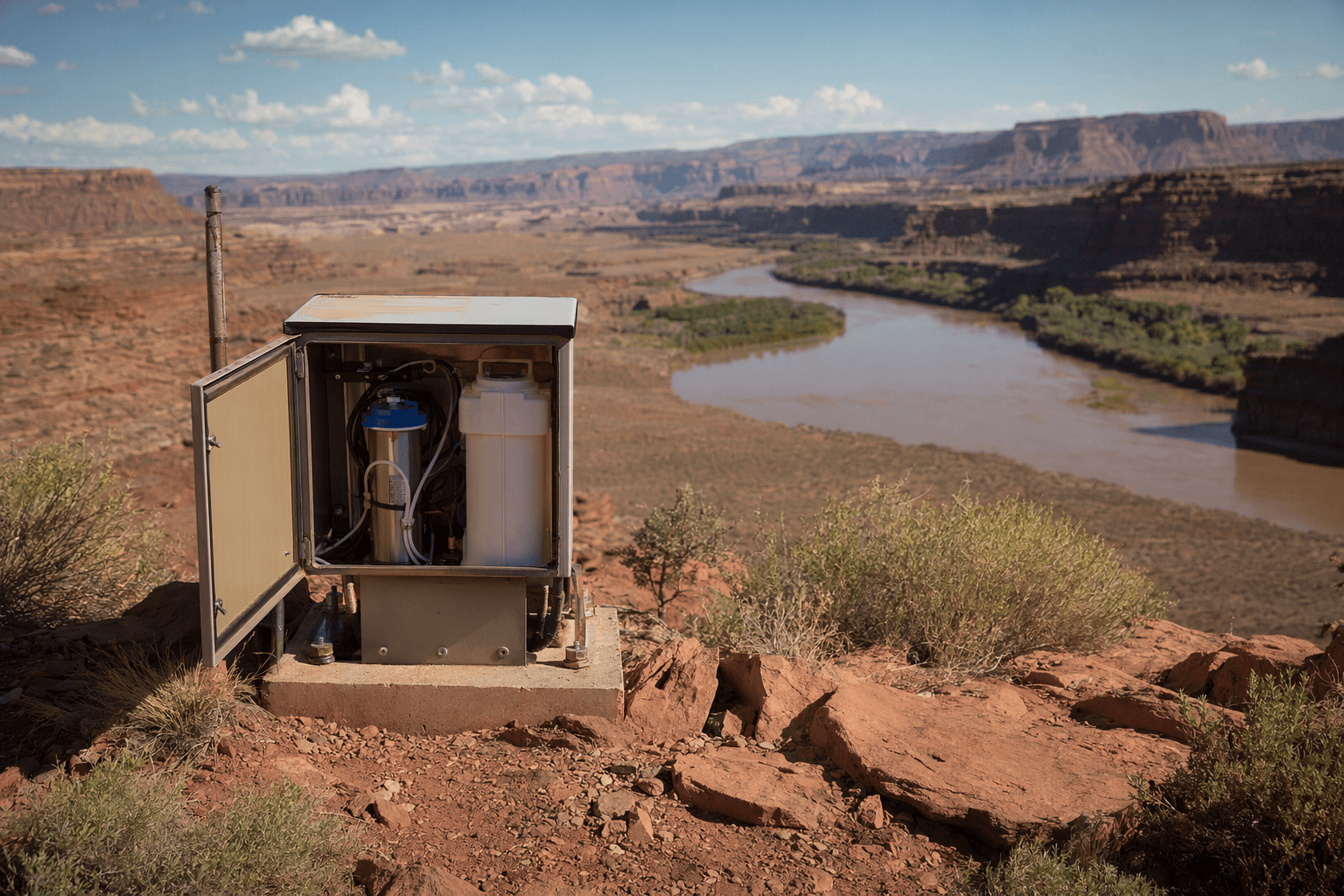
The scale of the site helps explain why the cleanup has taken so long. The former uranium-ore processing facility sits about three miles northwest of downtown Moab and about a mile from the entrance to Arches National Park. The project area covers roughly 480 acres, and about 130 acres were once covered by the tailings pile. Uranium Reduction Company built the mill in 1956, Atlas Minerals Corporation took over in 1962 and ran it until 1984. Atlas later declared bankruptcy in 1998, and responsibility for the cleanup shifted to DOE under federal law after the site had been left with an estimated 16 million tons of tailings and contaminated soil.
The groundwater system is not just about containment. DOE says elevated ammonia can affect young-of-year endangered fish species in backwater channels along the Colorado River bank, and the agency uses surface-water diversions to protect suitable habitat when those pools form. The endangered native fish in the Upper Colorado River Basin include the Colorado pikeminnow, razorback sucker, bonytail and humpback chub, which gives this cleanup a direct connection to river health far beyond the mill fence line. DOE also uses borehole NMR logging, electrical resistivity tomography, angled boreholes and geophysical surveys to track what is happening underground.
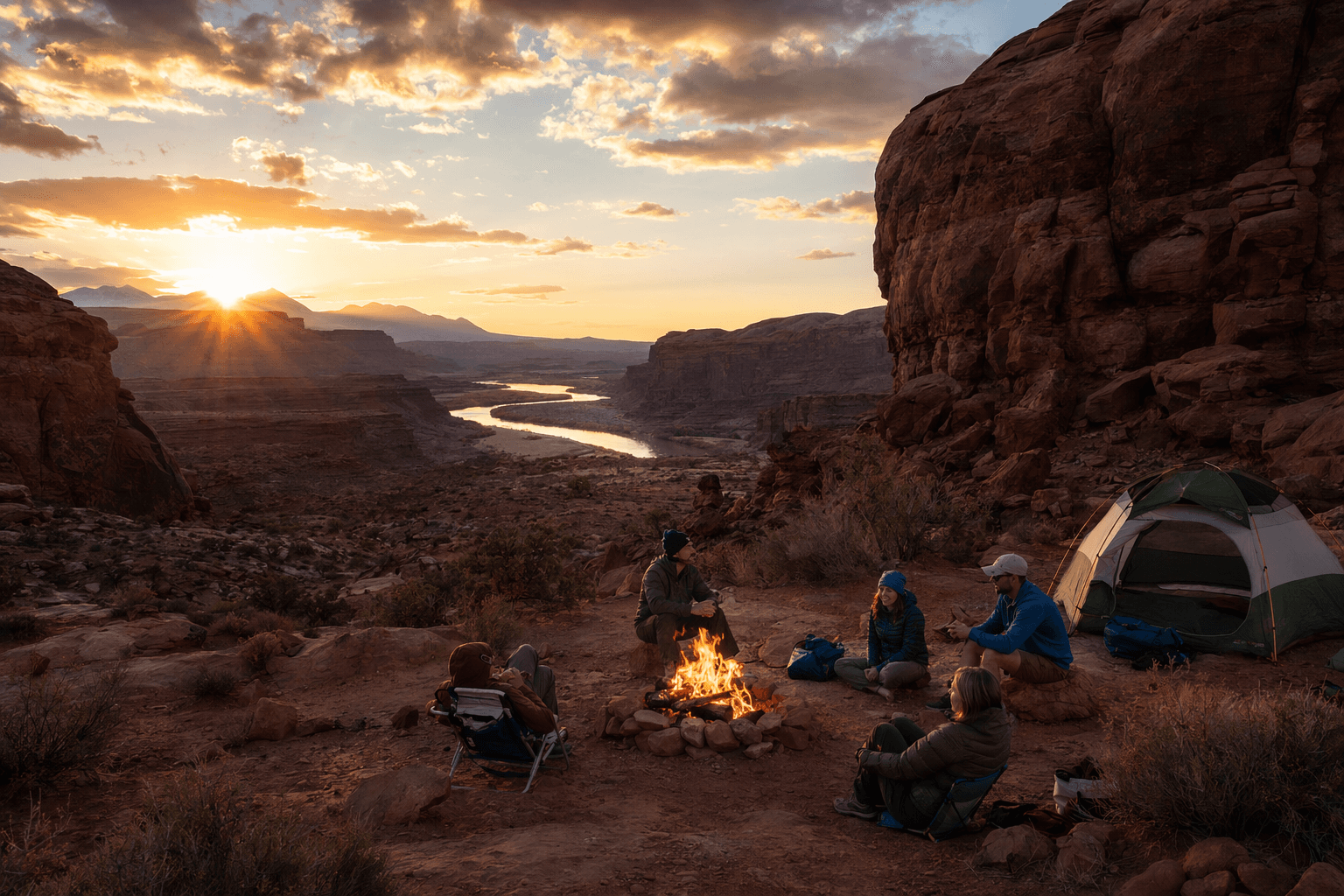
For people headed to Moab to hike, camp or paddle, the practical takeaway is straightforward: the site remains an active engineering project, not a lingering hazard on the recreation map. Final closure is expected in 2029, and local leaders are already looking past cleanup. In April 2025, Utah lawmakers introduced the Moab UMTRA Project Transition Act to transfer the site to Grand County after remediation, and the Senate Energy and Natural Resources Committee advanced the bill unanimously in February 2026. That future will rest on the same thing that has protected the Colorado River for two decades: the cleanup still working beneath the surface.
Know something we missed? Have a correction or additional information?
Submit a Tip