Durango honors record speed skier Ross Anderson with citywide proclamation
Durango marked Ross Anderson Day exactly 20 years after his 154.06 mph run, a U.S. speed-skiing record that still stands.
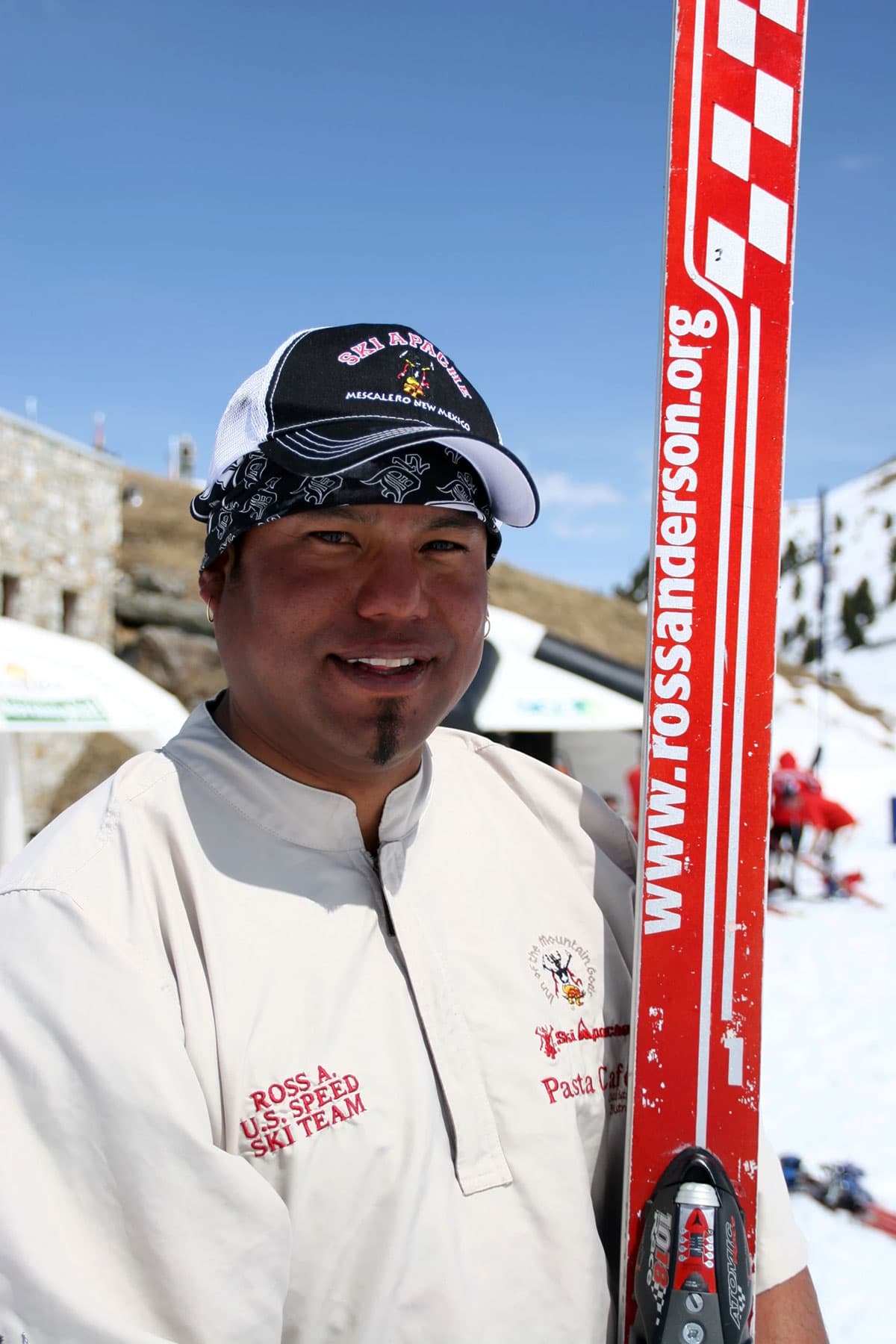
The number still stops people cold: 154.06 miles per hour, a U.S. speed-skiing mark set in the French Alps that has survived for two decades and still reads like a dare. Durango used April 19, 2026, to put that achievement back in the spotlight, declaring Ross Anderson Day and turning a rare athletic feat into a hometown milestone.
The city’s recognition landed at Rotary Park, where the observance began at 9:45 a.m. with opening remarks by Juanita Anderson. A Southern Ute Indian Tribe dancers’ performance followed at 10 a.m., Mayor Gilda Yazzie delivered the proclamation at 10:45 a.m., and the program wrapped with a raffle at 11 a.m. The schedule gave the honor a public, communal feel, but the reason it resonated was the scale of Anderson’s run and the length of time it has endured.
Anderson’s record came on April 19, 2006, in Les Arcs, France, exactly 20 years before Durango’s proclamation. He was already one of the sport’s most accomplished racers by then, with a bronze medal from the 2005 World Championships and eight national championships to his name. But the speed itself is what still defines the feat: 154.06 mph remains the fastest American run on skis, and later profiles have continued to describe it as a mark that has not been beaten.
That longevity matters in a ski town that knows the difference between a good run and a singular one. Anderson grew up in Durango, discovered speed skiing in 1994, and went on to become the only Native American member of the U.S. Ski and Snowboard Hall of Fame. The Hall of Fame’s Class of 2023 induction and the Colorado Snowsports Museum’s recognition helped cement his place in the region’s winter-sport story, but the city proclamation made the connection personal: one of Durango’s own had become a benchmark for what elite speed looks like.
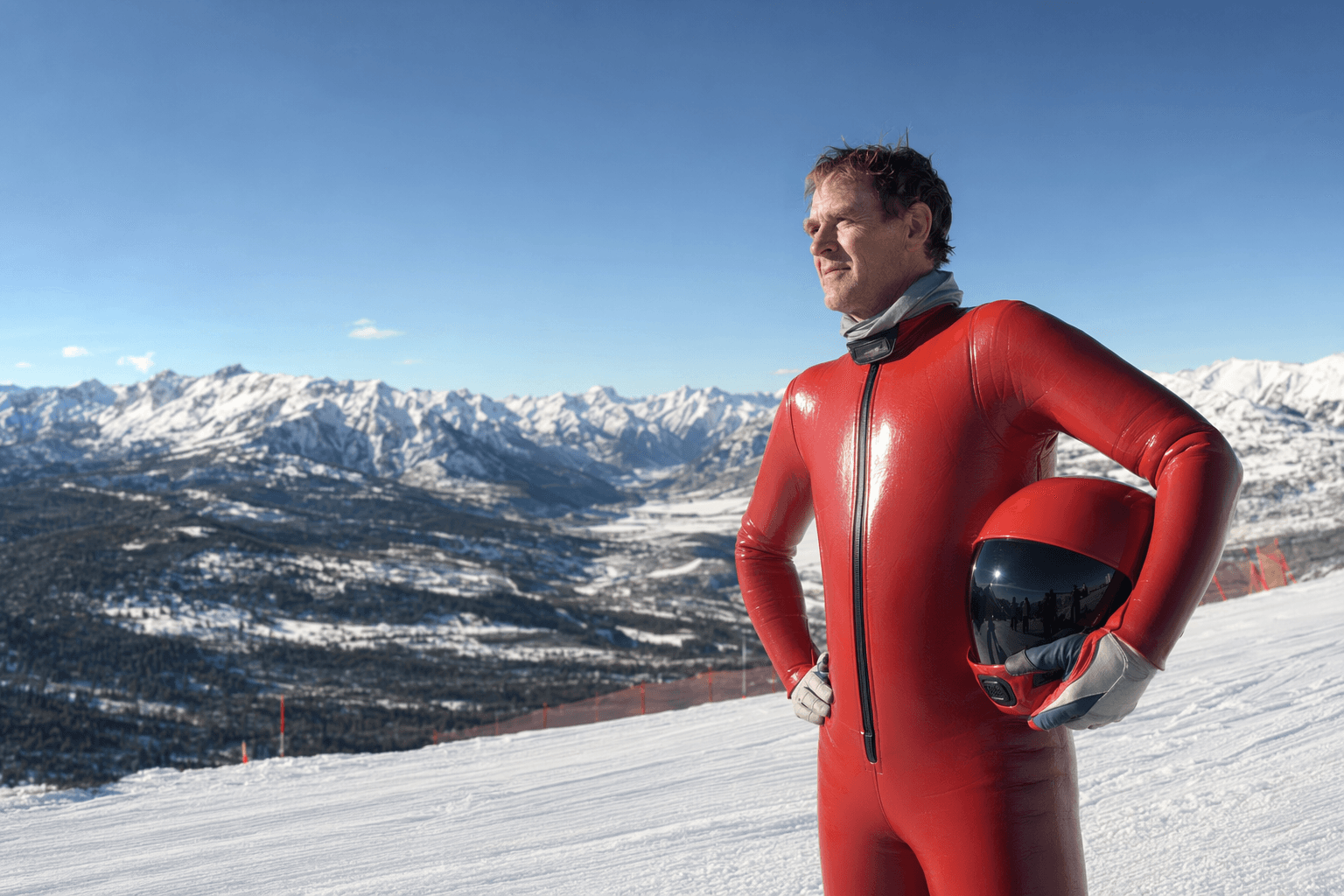
The honor also carried a deeper meaning for Native representation in a sport that has rarely had it at the top level. The Southern Ute Drum reported that Anderson, who is enrolled with the Cheyenne and Arapaho tribes of Oklahoma and is also part Chiricahua and Mescalero Apache, learned more about his heritage later in life through Southern Ute elders and through Bear Dances and powwows. Other profiles have noted that he became the first person of color to stand on a speed skiing World Championships podium in 2001, a milestone that gave his record a significance beyond the clock.
Anderson has also used his success to push the sport toward Native youth, including efforts tied to Purgatory Resort and tribal communities. That outreach, paired with a record that still stands as the ninth-fastest run ever, is why Durango’s tribute carried more weight than a ceremonial day on the calendar. It marked a local athlete whose speed changed the record book and whose career widened the trail behind him.
This article was produced by Prism’s automated news system from verified source data, official records, and press releases, then run through automated quality and moderation checks before publishing. The system is built and supervised by the people who set the standards it runs under. Read our full AI policy.
Did this article answer your question?