Canyonlands rewards careful planning, where route and weather shape safety
Canyonlands can turn a simple-looking outing into a logistics problem fast, so the safest trip starts with route, water, and weather decisions at home.
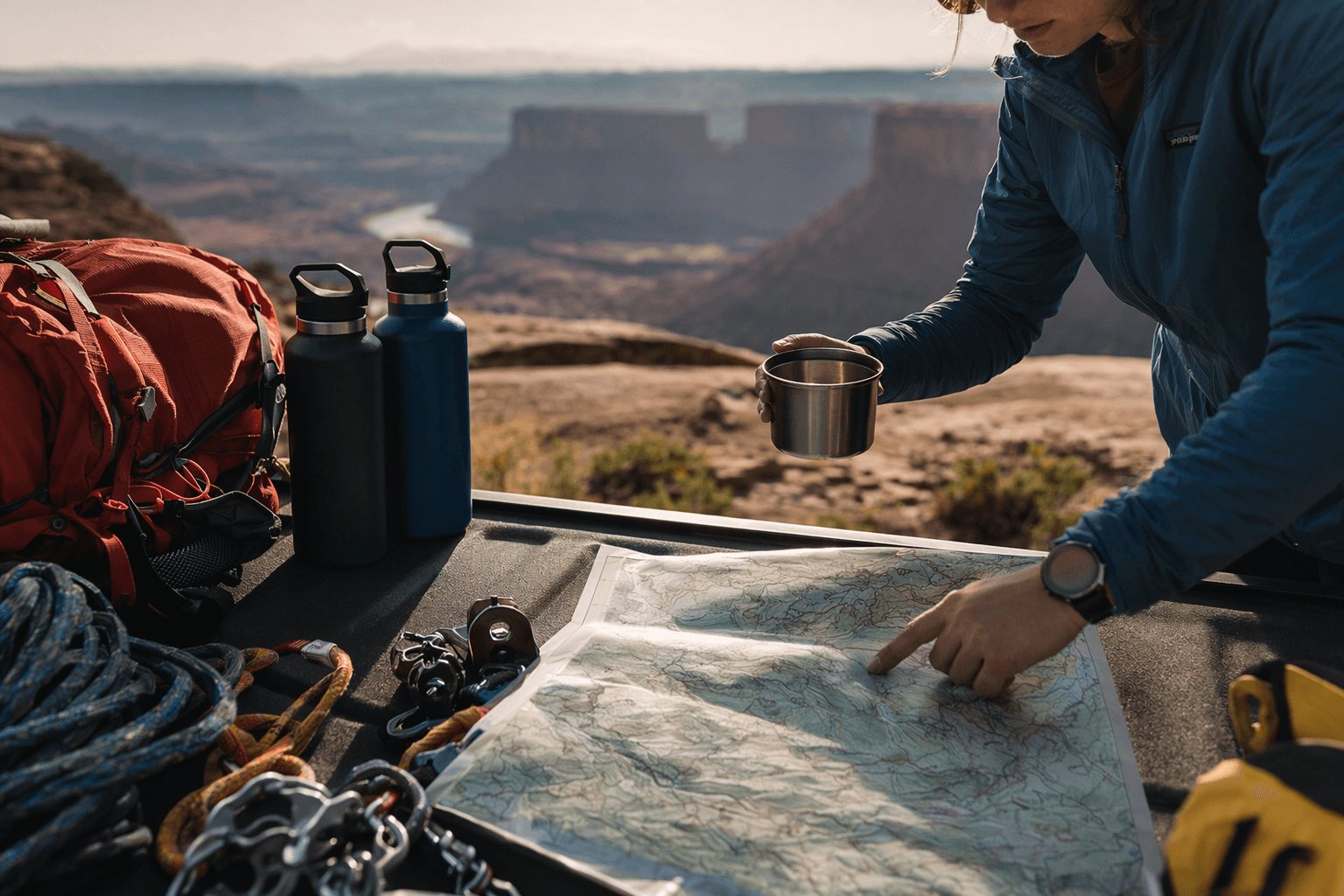
Before you leave pavement
A clear-blue morning in Canyonlands can be the trap. The park’s scale, remote terrain, and shifting weather make it easy to underestimate how fast a casual outing becomes a logistics problem, and the National Park Service’s own guidance pushes that point hard: route choice, vehicle choice, water supply, and timing matter as much as the destination itself.
That is the first lesson for anyone headed here, whether the plan is a family scenic drive, a long hike, a backpacking push, or a four-wheel-drive day. Canyonlands rewards the people who treat it less like a quick stop and more like a remote-country outing, because a road or trail that looks simple on a map can turn slow in a hurry.
Choose the route for the group, not for the photo
The smartest Canyonlands day begins with an honest read on the route. Washboard roads, steep grades, soft sand, and muddy stretches can all slow a trip that seemed straightforward from home, and that change in pace matters when you are working with heat, limited water, and long distances between services.
That is why vehicle choice is not a side note here. A route that works for one high-clearance rig may be a poor match for a family carload, and even travelers comfortable on rough roads need to think through who in the group can handle the drive, the hike, and the exposure. The park’s best outcomes usually come from matching the route to the least experienced person in the car, not the most confident one.
If you are stringing Canyonlands together with Moab, Dead Horse Point, or other red-rock stops, the same logic applies. Do not treat the park as a quick add-on, because a full day in the region needs fuel, water, navigation, and a cushion for delays.
Build water into the plan before you build the itinerary
In Canyonlands, water is not a comfort item, it is part of the route. The distance between services is long, and the desert can punish anyone who assumes they will be able to refill easily or finish faster than expected. The park’s scale makes that margin thin, especially for visitors used to shorter, less demanding day trips.
That matters even more for people coming from lower elevations or more humid climates. The same distance that feels manageable in another setting can hit differently once dry air, heat exposure, and rough ground are all in play. A good plan keeps extra water on hand, not because it sounds cautious, but because the landscape demands it.
It also helps to think through the group dynamic before you roll out. If someone in your party is not ready for a longer hike, a rough road, or prolonged heat, that limitation should shape the route from the start. Canyonlands is easier when the day is built around realistic limits, not optimistic ones.
Set a turnaround time and respect it
The most useful timing decision in Canyonlands is not when to start, but when to turn around. A road or trail can look short on the map and still take much longer once washboard sections, grades, sand, or mud start eating time, so a hard turnaround point keeps a pleasant day from drifting into a stressful one.
That is especially true in desert country, where a clear-blue morning does not mean the afternoon will stay calm. The park’s changing weather can turn a comfortable outing into a more serious problem quickly, and the safest travelers are the ones willing to shorten the day when conditions start to shift.
If your plan includes any route or overnight stay that requires a permit, handle that part before you leave home, not after you are already committed to the drive. The bigger point is simple: in Canyonlands, timing is part of safety. Leave enough room to come back on schedule, even if the road or the weather has other ideas.
Watch the weather like it is part of the terrain
Canyonlands asks for a desert mindset. That means paying attention to both heat and sudden weather changes, because either one can change the trip after you have already committed to the road. A morning that feels perfect can still give way to conditions that make progress slower, rougher, or more exposed than expected.
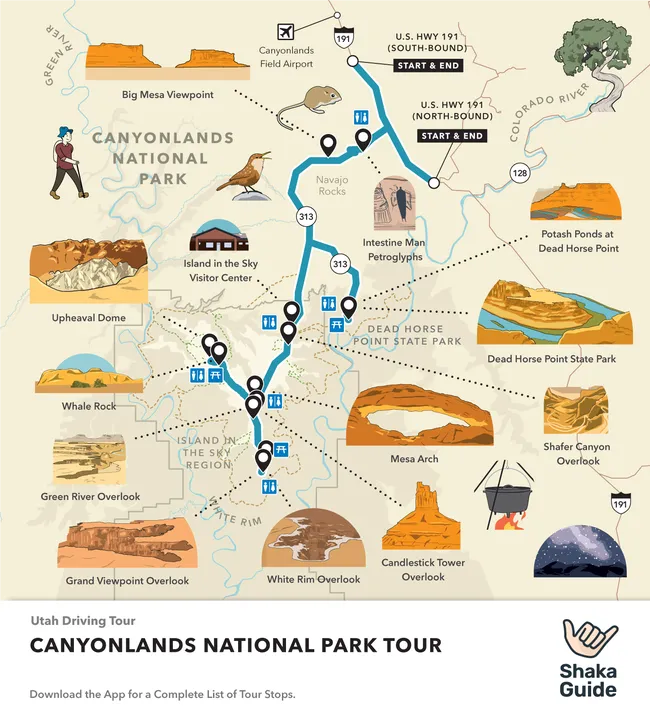
That is why checking official conditions before departure belongs on the same list as packing water and choosing the route. If weather or road surface changes, the right move is often to shorten the trip, not to push through it. The park rewards restraint, and it punishes the assumption that the first part of the day predicts the last part.
For hikers and backpackers, that same logic applies on foot. For drivers, it applies on the dirt. For families, it may mean choosing a smaller objective than the one that sounded best at breakfast. In every case, the safest plan is the one that expects change and leaves room to adapt.
Think of the park as a day in remote country
Canyonlands is less about checking off a landmark than managing a day in remote country. That is the mindset that turns the park from a stress test into a memorable trip, because it keeps the focus on what will actually matter once you are out there: water, route, timing, conditions, and the ability to cut the plan down if needed.
A simple pre-trip checklist keeps that thinking in order:
- Choose a route that fits the least experienced person in the group.
- Match the vehicle to the road surface, not the wish list.
- Pack extra water and assume distances will take longer than expected.
- Share your route with someone before you depart.
- Set a turnaround time and stick to it.
- Check official conditions, then be ready to shorten the day if weather or road surface changes.
- If a permit is required for your plan, secure it before departure.
That is the real Canyonlands lesson. The park does not punish ambition, but it does expose assumption, and the difference between a great day and a dangerous one is often decided before you ever leave the pavement.
This article was produced by Prism’s automated news system from verified source data, official records, and press releases, then run through automated quality and moderation checks before publishing. The system is built and supervised by the people who set the standards it runs under. Read our full AI policy.
Did this article answer your question?