Monument Valley rewards travelers who slow down and plan ahead
Monument Valley is best visited as shared land, not a drive-by stop, and the smartest trips pair scenery with respect.
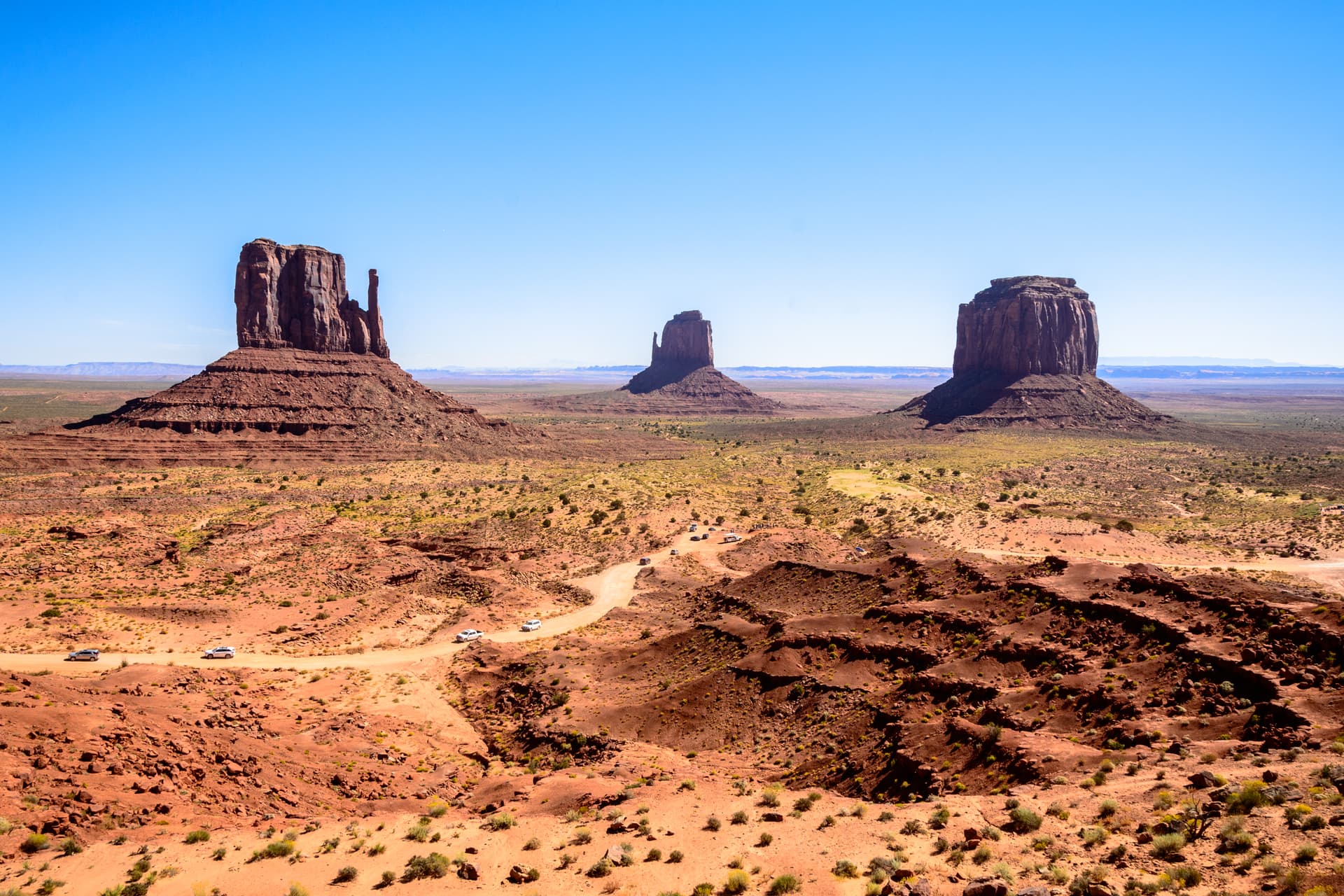
Monument Valley is a place where the view and the rules belong together
Monument Valley pulls people in with the kind of landscape that lives in the imagination, iconic buttes, broad desert vistas, and that unmistakable sense of the Southwest opening up in front of you. But the first thing to understand is that this is not just a scenic pull-off. It is a cultural landscape shaped by tribal governance, local community priorities, and the realities of desert travel, which means the way you visit matters as much as the reason you came.
That is why the best trips start with a different mindset. Monument Valley rewards travelers who treat it less like a roadside spectacle and more like a place where people live, work, and make decisions about access. If you slow down enough to plan properly, you get more than a photo stop. You get a visit that feels informed, respectful, and far less likely to be derailed by avoidable mistakes.
Choose your version of the visit before you arrive
The visitor side of Monument Valley is straightforward once you decide what kind of experience you want. You can come for a brief scenic visit, build in time for viewpoint stops and photography, or stay longer so the place has room to breathe instead of feeling rushed. That choice changes everything, because a quick drive-through and a slower stay demand different pacing, different expectations, and different preparation.
If you want the classic sweep of the valley without lingering long, make sure you still leave room for delays, changing conditions, and the time it takes to understand where you are. If you want a deeper experience, a longer stay gives you the space to move at a slower pace, which is often when Monument Valley starts to feel like more than a landmark. The landscape is dramatic either way, but the deeper connection comes from not treating it like a box to check.
Guided access changes the experience
For many visitors, guided access is the difference between seeing Monument Valley and really understanding it. A guide can offer local interpretation, safer route navigation, and context that connects the scenery to the area’s history and cultural importance. That matters here because the land is not simply open in the way many national park destinations feel to first-time visitors.
Independent travel is limited in ways that can surprise people who are used to more open public-land travel. You need to know which trails, overlooks, and scenic loops are open to self-guided use and which require a guided tour. Those distinctions are easy to miss if you assume every beautiful view is freely accessible, and they are exactly the kind of thing that can turn a smooth day into a frustrating one.
That is also why planning ahead is part of being respectful. Monument Valley is not a place to improvise on the hood of the car after you arrive. If you know in advance whether you want a guided experience or a more independent scenic stop, you can avoid misunderstandings, missed opportunities, and the awkwardness of discovering too late that your preferred route is not open the way you expected.
The desert does not care about your schedule
Monument Valley is beautiful, but it is still desert country, and the practical side of the visit deserves real attention. Road conditions can change, services are limited, and weather can alter both timing and visibility. Even a short drive can ask more of you than you planned for, especially if you arrive thinking of it as an easy detour rather than a destination that needs preparation.
That means bringing more water, more fuel, and more patience than you think you will need. It also means understanding that visibility and conditions can shift quickly enough to affect photography, travel times, and how much of the landscape you can comfortably experience in one stretch. The valley rewards people who build in slack, because the desert has a way of punishing the tight schedule.
A good plan does not assume perfect weather or empty roads. It assumes that changing conditions are part of the visit, and it leaves room for that reality. In Monument Valley, flexibility is not a backup plan. It is the plan.
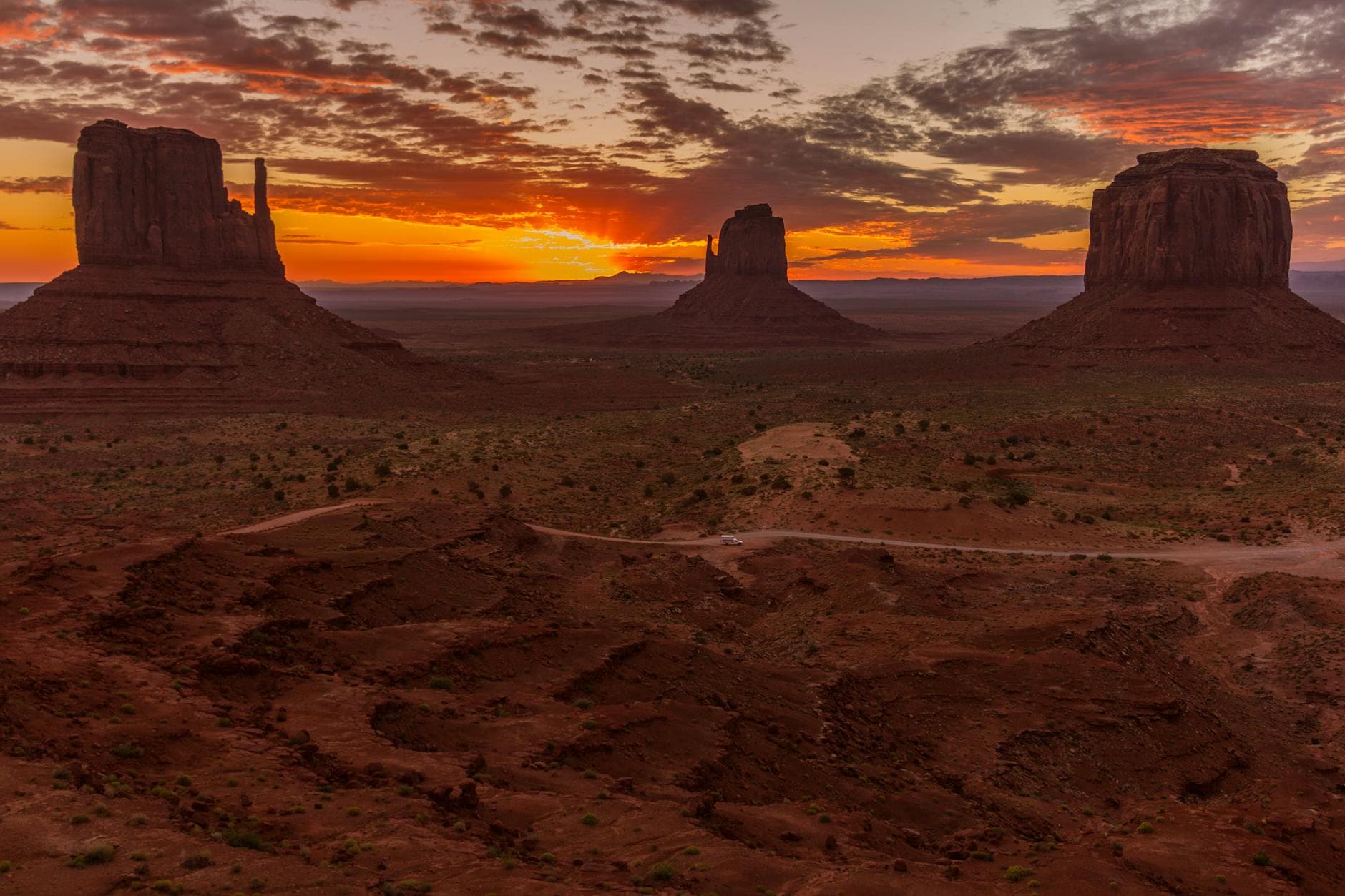
How to visit well
The best Monument Valley visits balance scenery with respect. That starts before you go, with a current check on visitor guidance, because access rules can change and the difference between a self-guided stop and a guided-only route matters. It continues on the ground, where where you park, what you photograph, and how you move through the area all carry extra weight because you are crossing between public travel and tribal land use.
A useful way to think about it is simple:
- Decide whether you want a short scenic stop, a guided experience, or a longer stay.
- Verify which routes and viewpoints are open to self-guided use.
- Bring enough water, fuel, and time for desert conditions.
- Expect weather and road conditions to shift your plans.
- Treat parking, photography, and access boundaries as part of the visit, not afterthoughts.
That framework keeps the trip grounded in the reality of the place. It also helps you avoid the common mistake of arriving as if Monument Valley were just another stop on a Four Corners road trip. It is much more than that, and the people who enjoy it most tend to be the ones who understand that difference early.
The reward for getting this right is not just a smoother day. It is the chance to experience a landscape that feels more meaningful because you approached it carefully. Monument Valley looks unforgettable from the highway, but it becomes something fuller when you slow down, follow the current rules, and let the place set the pace.
This article was produced by Prism’s automated news system from verified source data, official records, and press releases, then run through automated quality and moderation checks before publishing. The system is built and supervised by the people who set the standards it runs under. Read our full AI policy.
Did this article answer your question?