Farmington guide touts Four Corners as a road-trip hub
Farmington works as the Four Corners launch pad because desert, canyons, mountains, and mesas sit within one drive. Match the loop to your style, from scenic cruises to archaeology-heavy trips.
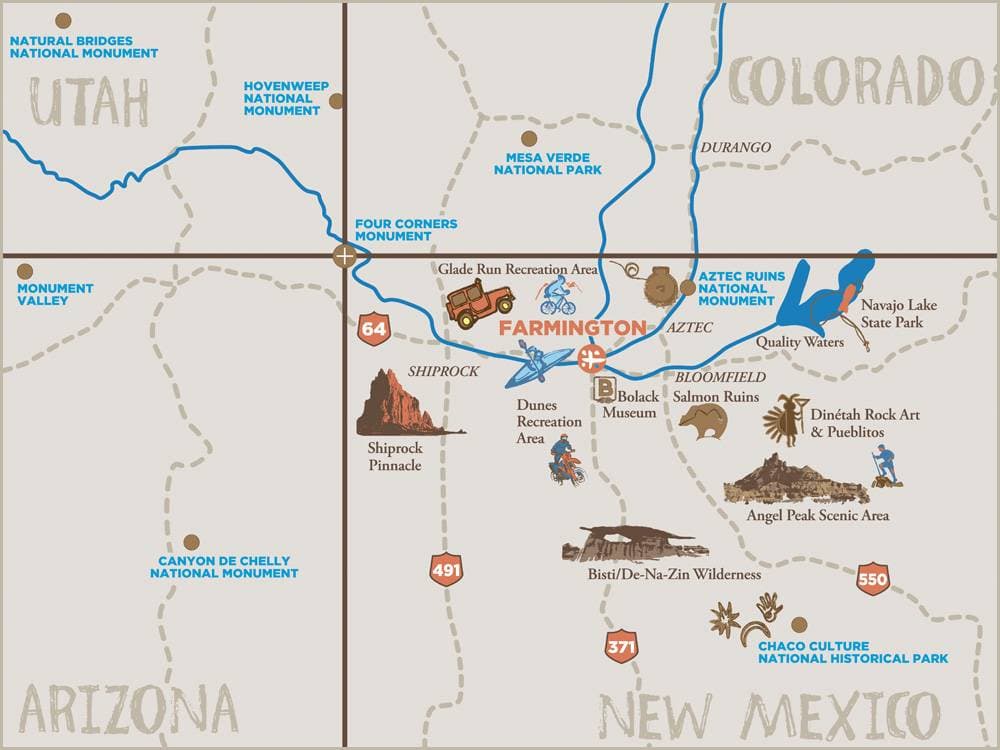
Farmington makes its case with a simple promise: the Four Corners is made for the road. The region puts “desert, canyons, mountains, and mesas all within a short span,” which means you can build one trip around scenery, archaeology, tribal lands, or open desert without locking yourself into a single park. In one loop, you can cross four states and hit “loads of National Park Service sites,” which is exactly why Farmington keeps showing up as a practical hub.
Why Farmington works as the base
Farmington tourism leans hard into the city as a launch point rather than a one-stop destination. Its Four Corners pages split the region into “Sites to Visit in the Four Corners Area” and “Your Guide to the National Parks of the Four Corners,” which is a clear signal that the city is selling connections, not just a downtown stop. New Mexico Tourism Department takes the same approach, describing Farmington as the place for “outdoor and cultural adventures,” and that blend is what makes the hub model work.
The advantage is flexibility. From Farmington, you can stitch together day loops, overnight hops, or a multi-state circuit without spending the whole trip on pavement. That matters in the Four Corners, where the best travel plan is usually the one that lets you see more than one kind of landscape in the same run.
For scenic cruisers: build around the big drive
If what you want is the cleanest possible road-trip payoff, Farmington’s own Four Corners Road Trip Guide is aimed right at you. The region’s mix of red rock, mesas, canyons, and high-country scenery is the point, and the guide’s logic is straightforward: there is enough variety close together to keep the drive interesting the whole way. You are not choosing between “desert” and “mountains” here. You are threading both into the same route.
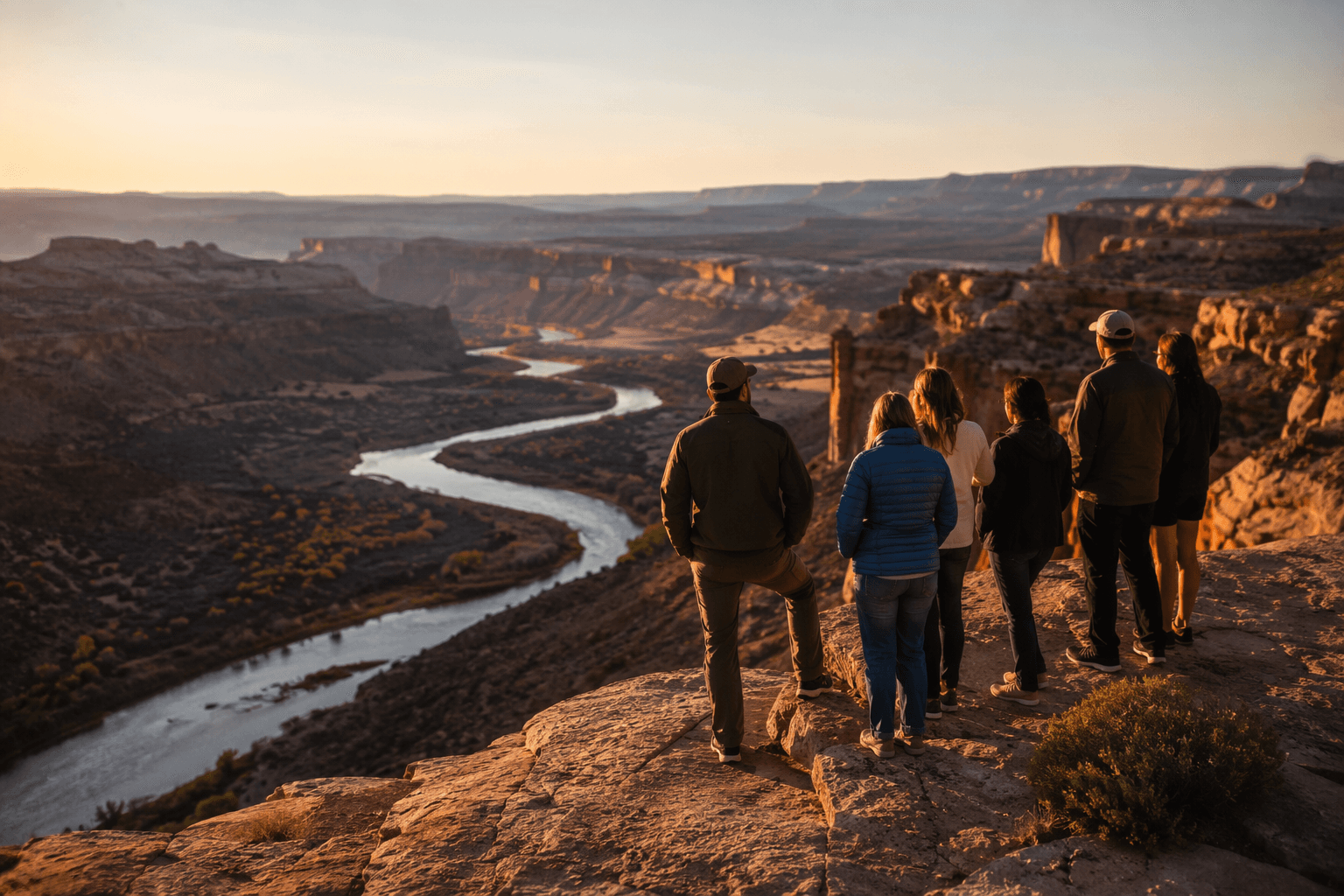
This is the loop that fits travelers who want maximum windshield time and minimum logistical friction. The Four Corners Monument, now part of the Navajo Nation’s park system as Four Corners Monument Navajo Tribal Park, can slot into that kind of drive as a classic junction stop, especially for anyone who wants the novelty of standing where Arizona, New Mexico, Colorado, and Utah meet. It is not a deep-dive stop by itself, but as a marker in a larger circuit it gives the route its signature.
For hikers and archaeology fans: anchor the trip in the monuments
The strongest heritage-heavy stop in the area is Aztec Ruins National Monument in Aztec, New Mexico. The National Park Service describes it as having some of the best-preserved Chacoan structures of its kind, and it also says the site is deeply sacred to many Indigenous peoples across the American Southwest. That combination makes it more than a quick photo break: it is a serious cultural site that deserves time on the ground.
This is also where the broader Four Corners circuit starts to make sense. Mesa Verde National Park protects nearly 5,000 known archaeological sites, including 600 cliff dwellings, and that scale explains why heritage travelers keep building routes around the region. Mesa Verde, Chaco Culture, Hovenweep National Monument, and Aztec Ruins are often treated as one connected archaeological lane, even though each site has its own feel and pacing.
For families and weekend explorers: keep the loop short and varied
Farmington is a smart fit for short trips because the city lets you stack different kinds of stops without overcommitting the day. Families can use the hub to mix a scenic drive with a cultural stop and still get back to town for dinner. Weekend explorers get the same benefit: enough landscape change to feel like a real escape, not so much distance that the trip turns into a slog.
This is also where the Four Corners sells itself as a broad adventure corridor. The area’s appeal is not only the monument or the parks; it is the fact that road-trippers can pick up gas, food, lodging, and quick-stop attractions while moving between bigger sights. Farmington’s guide and the city’s other regional pages both push that multi-stop rhythm, which is exactly what keeps a short trip from feeling thin.
For photographers: chase the light, not just the mileage
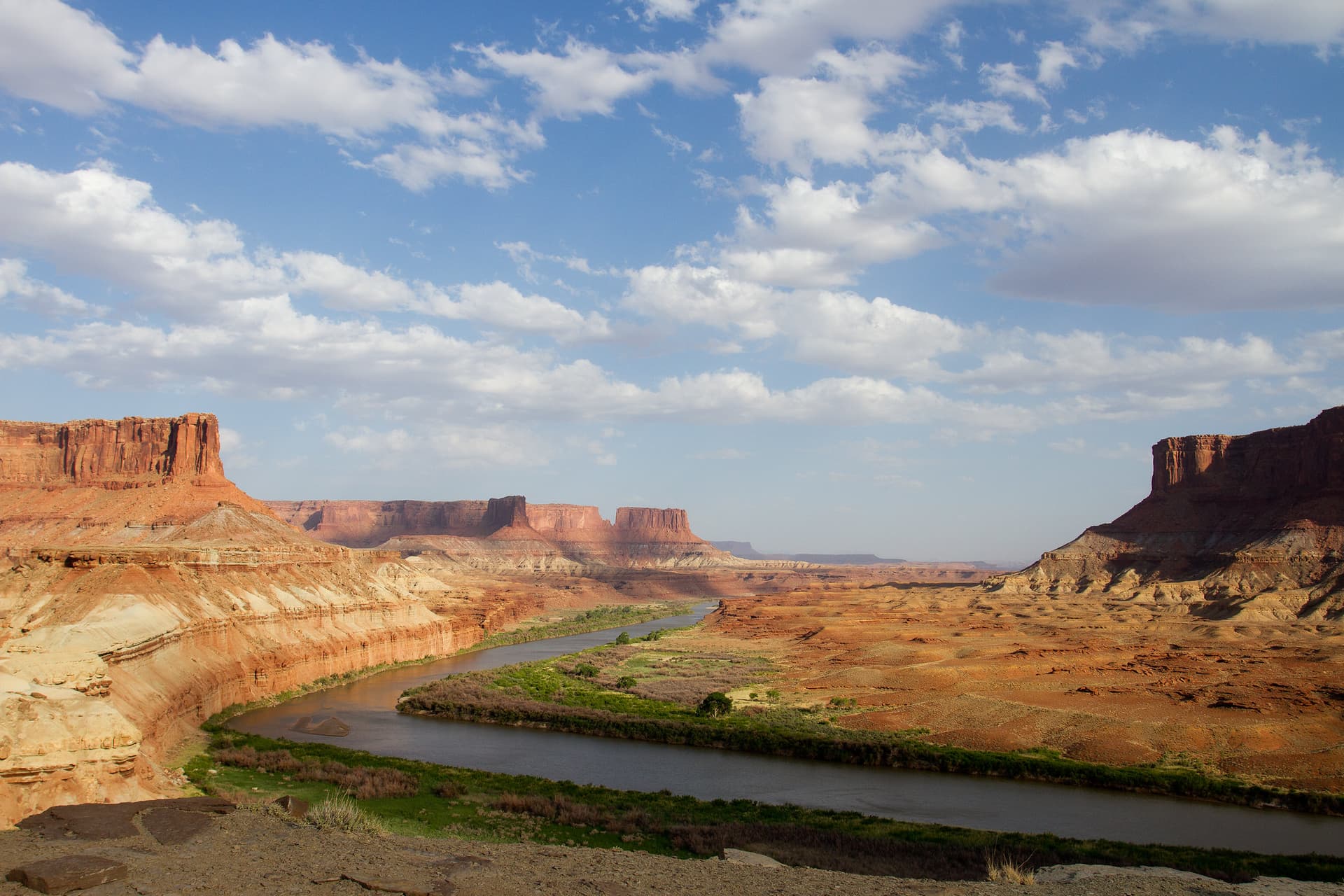
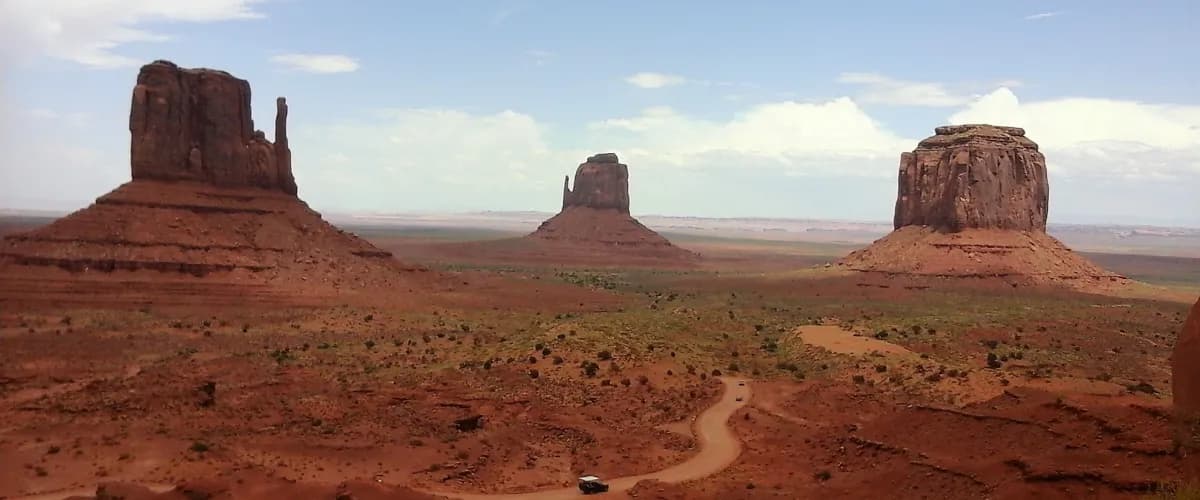
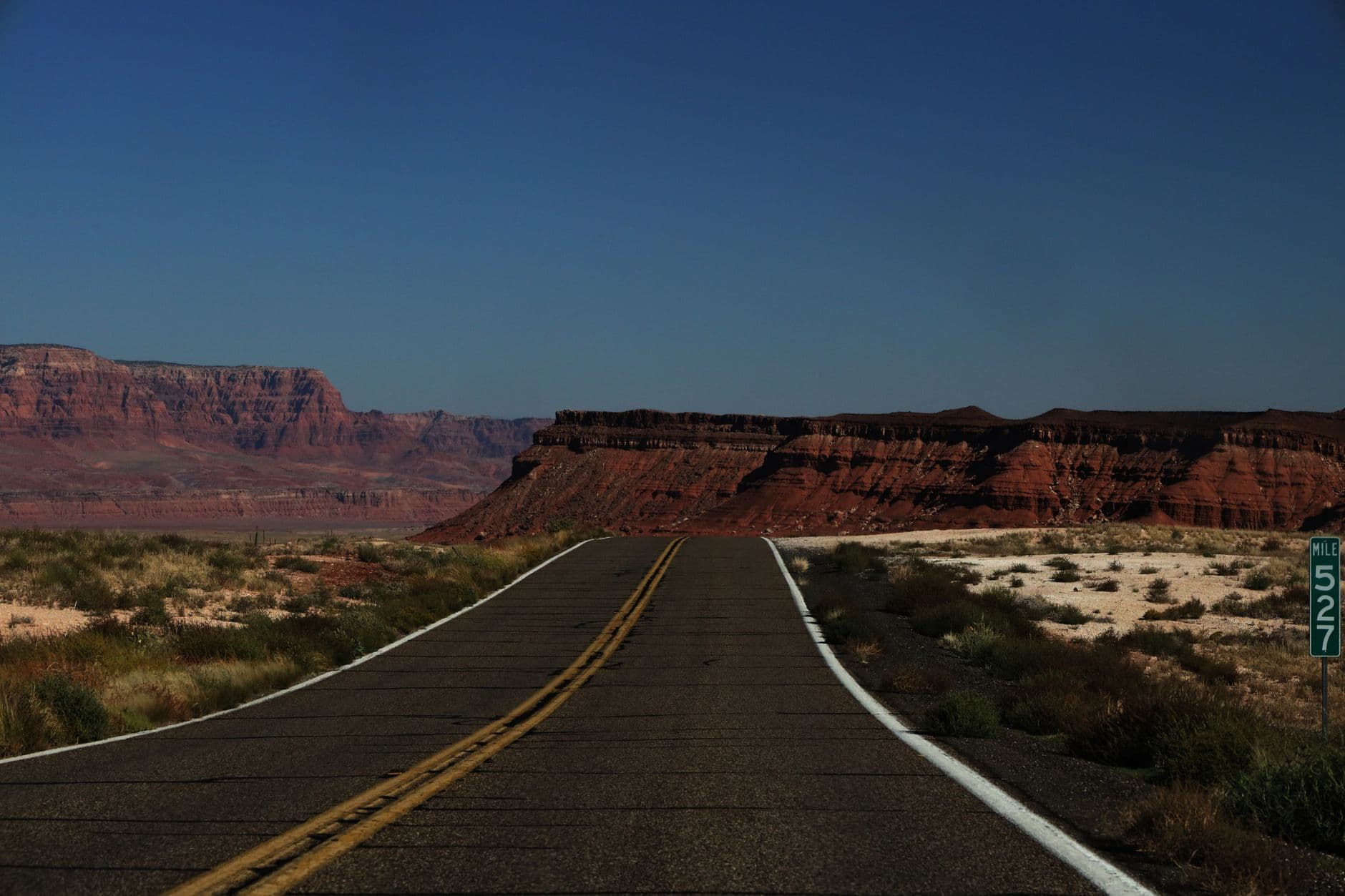
The Four Corners is built for photographers because the landscape changes quickly and visibly. A single route can move from open desert to canyon walls to mesa country, with enough elevation and texture shifts to give you different frames all day long. That is the practical payoff of a region where geography does the heavy lifting.
National Geographic captured that character in a 2010 Four Corners road-trip feature, describing a place where “man-made boundaries mean nothing to the rugged lands.” That line still fits the region’s visual logic: state lines matter less than the way the terrain opens and closes around them. For photographers, that means the best itinerary is less about checking off points and more about giving yourself time to stop when the land changes shape.
The longer itineraries confirm the pattern
Farmington is not the only tourism outfit thinking this way. Mesa Verde Country promotes a 10-day archaeology road trip through the Four Corners region, and Visit Four Corners pushes a 7-day Trail of the Ancients road trip built around ancestral Puebloan sites, cliff dwellings, and scenic stops. Those itineraries reinforce the same basic idea: the Four Corners works best as a network, not a single destination.
That network approach is what gives the region its staying power. A quick visit can center on the monument and a few scenic stops, but the longer loops are where the area opens up. Once you connect the parks, monuments, and cultural sites, Farmington stops looking like a waypoint and starts functioning like the right base for the whole map.
The real appeal of Farmington’s pitch is that it tells travelers to stop thinking in straight lines. The Four Corners is built for loops, and from this hub you can choose the loop that fits your time, your interests, and your appetite for the road without losing the variety that makes the region worth the drive.
This article was produced by Prism’s automated news system from verified source data, official records, and press releases, then run through automated quality and moderation checks before publishing. The system is built and supervised by the people who set the standards it runs under. Read our full AI policy.
Did this article answer your question?