How The Wave permit system balances access and conservation
The Wave's permit lottery caps Coyote Buttes North at 64 people a day, making the lottery the first step in protecting a fragile sandstone landscape.
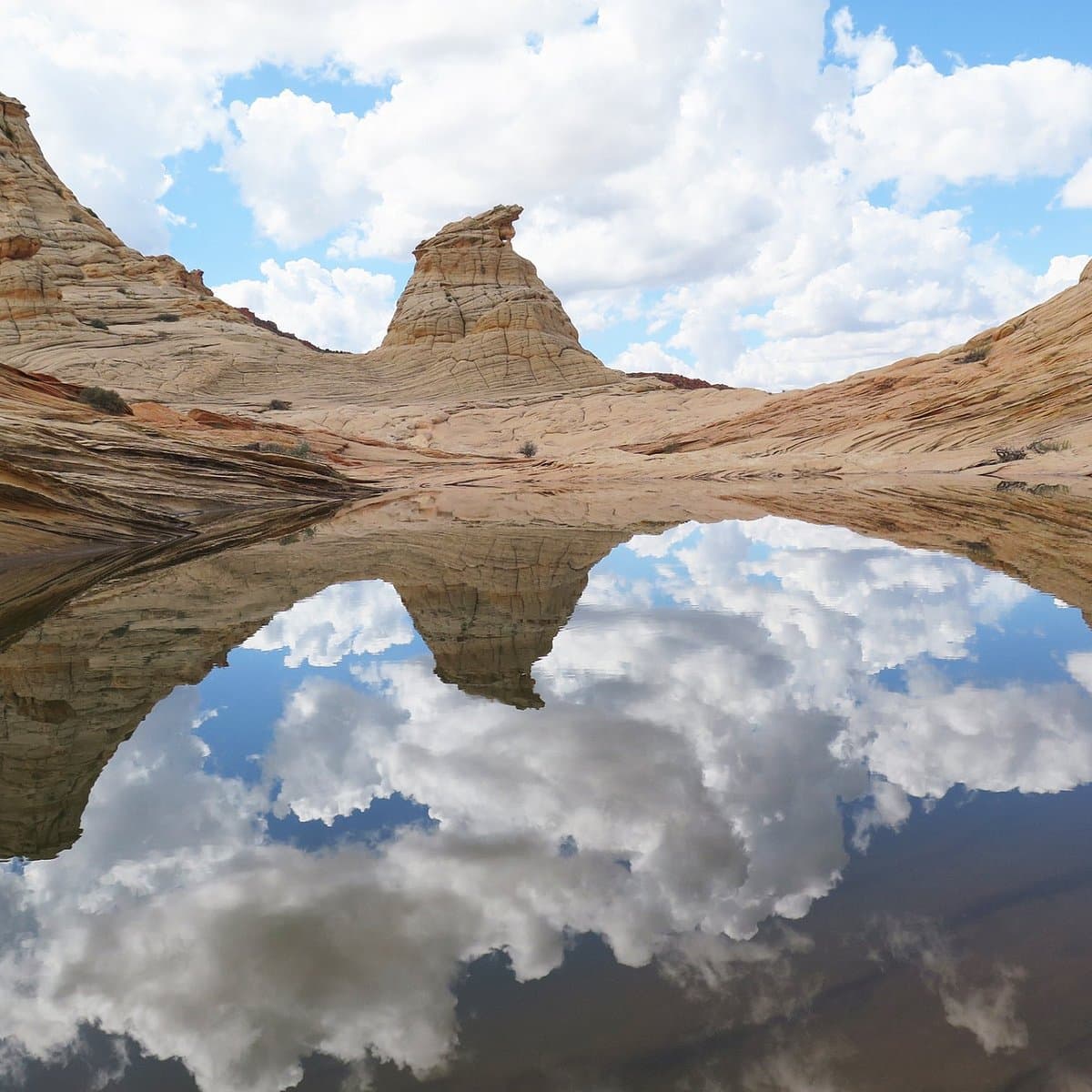
Coyote Buttes North is capped at 64 people a day, and the Bureau of Land Management splits access to The Wave between an advance lottery and a daily lottery. The Wave is one of the Southwest’s most coveted sandstone hikes, but the real access point is the permit system.
Why the permit exists
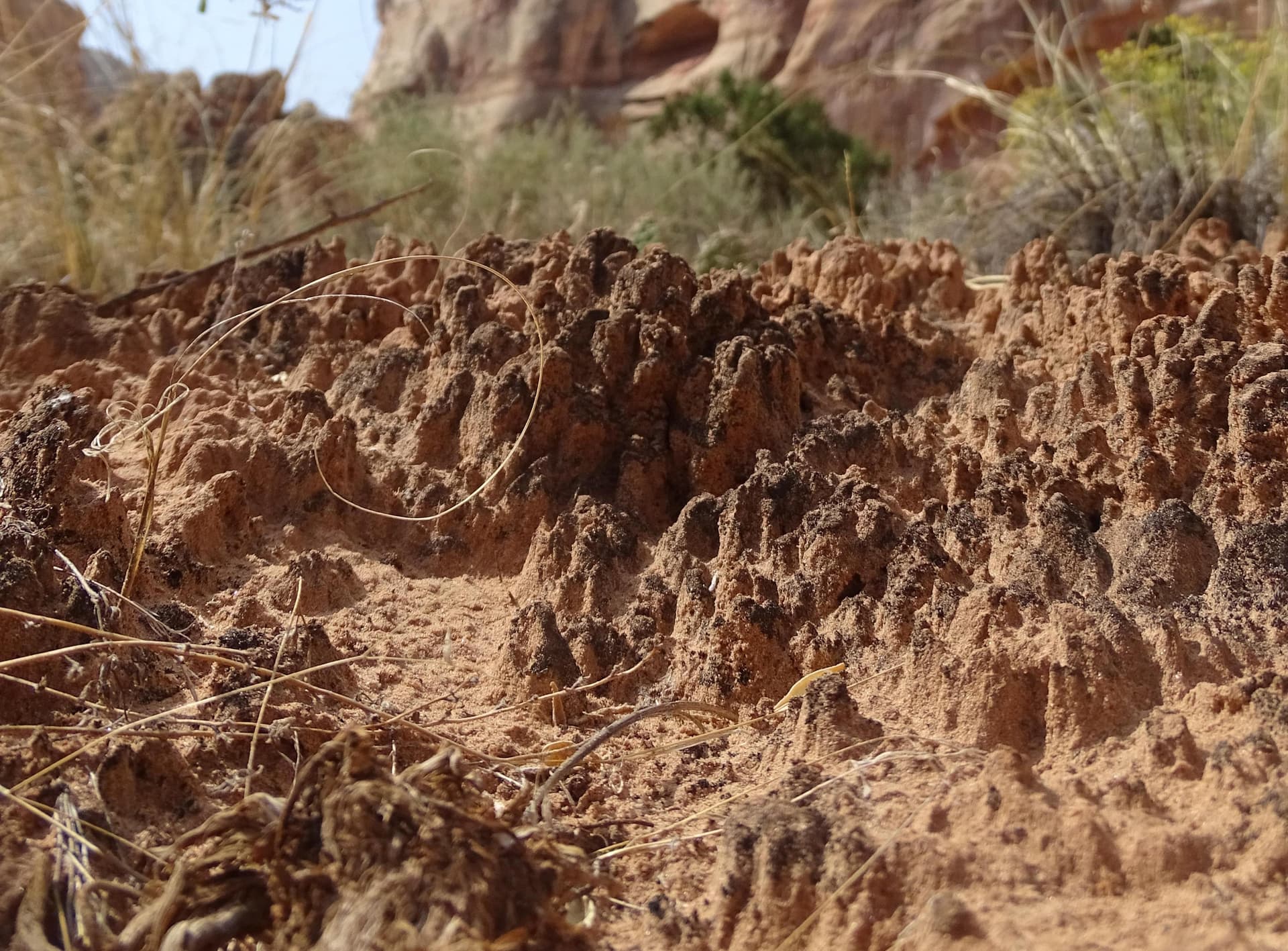
Coyote Buttes North sits inside the 112,500-acre Paria Canyon-Vermilion Cliffs Wilderness, and the permit area is backcountry and undeveloped, with no developed trails or facilities. That is the core reason the system is so tightly managed: this is not a built-out trail network, it is a fragile stretch of public land where the route itself is part of the challenge.
The permit system exists to preserve wilderness character and limit damage to the fragile area. Lotteries limit traffic, enhance the visitor experience, reduce footprint and ensure equitable participation.
How the system works
There are only two possible ways to get a permit: the Coyote Buttes North Advanced Lottery or the Coyote Buttes North Daily Lottery. Both run through Recreation.gov, which is also where the BLM’s Wave permitting information is handled. That means the planning starts online long before you ever reach the trailhead area.
Advance lottery
The advance lottery is the long-range option for travelers who can plan ahead. It is the standard path for people building a trip around a specific date and trying to secure access before they arrive in the Four Corners region. Because the permit cap is so low, this is the option that gives you the clearest shot at locking in a day well before departure.
Daily lottery
The daily lottery is the short-notice option, and it is just as structured. Applications must be submitted two days before your hike, so even the “last-minute” path still requires advance planning. That timing matters in the desert, where weather, driving distances and route prep can change a trip fast.
What your permit does and does not give you
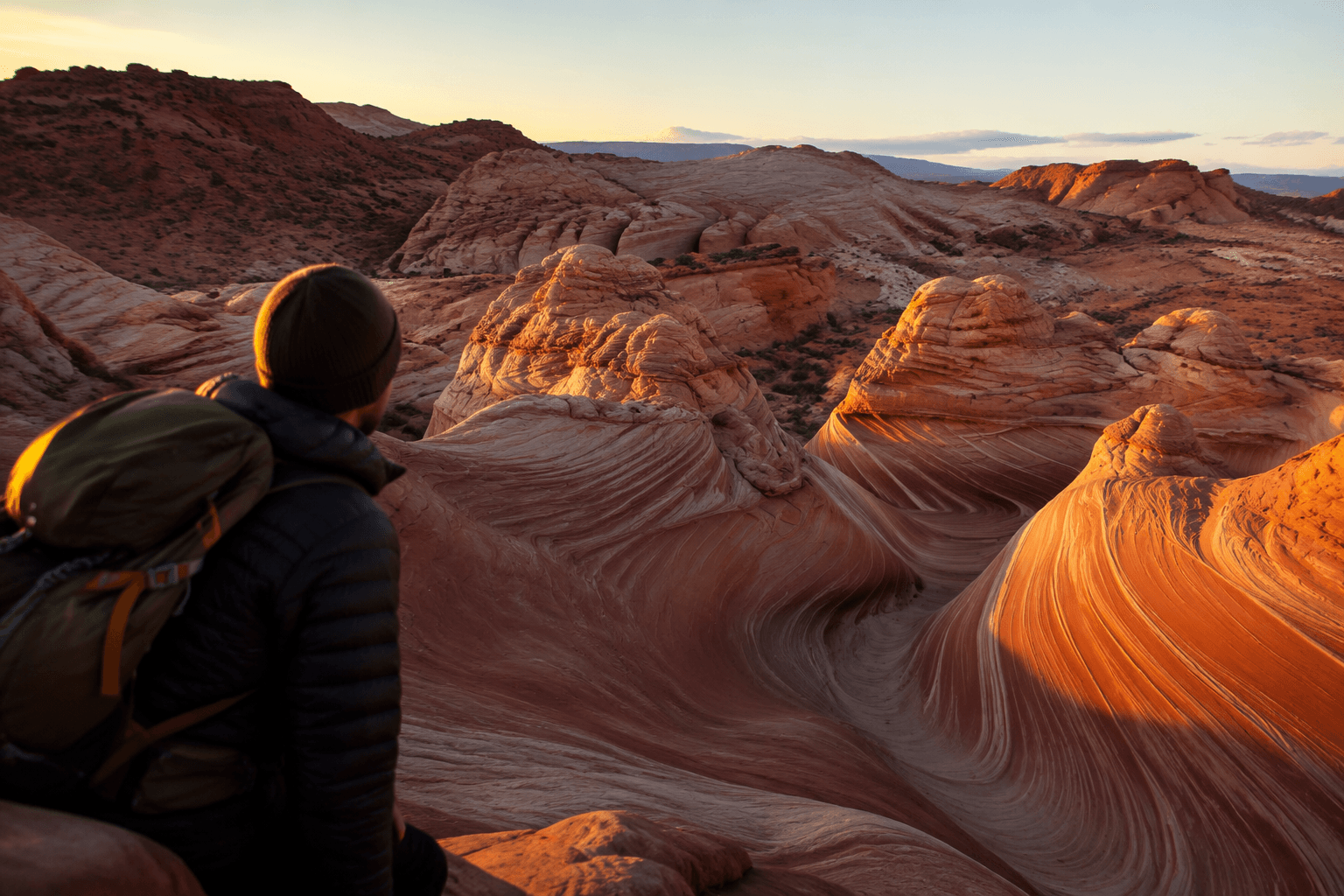
A Coyote Buttes North permit opens the door to the area, but it does not turn the route into a marked park hike. Permit-holders receive a route description that includes a route map, photo guide and GPS coordinates. That is a strong clue about what kind of country you are entering: the navigation tools are meant to help you find your way through open sandstone terrain, not follow a signed trail system.
That distinction matters for anyone used to more developed destinations across Arizona and the wider American Southwest. The Wave area is not set up like a visitor center with trail markers and facilities, so a permit is only one part of the preparation. You still need to be ready for route-finding, water planning and weather that can change the feel of the landscape quickly.
Why so many travelers miss the point
One of the biggest mistakes is treating the permit as a simple entry ticket. In Coyote Buttes North, the lottery is part of the conservation strategy and part of the adventure itself. It forces you to plan early, understand the rules and accept that access is intentionally limited because the land is delicate.
Places with high demand and fragile surfaces often depend on reservations or lotteries to balance use and preservation, and The Wave is one of the clearest examples of that tradeoff. Uncontrolled visitation would wear down narrow travel corridors, soft soils and the sandstone features that make the place famous.
Don’t confuse Coyote Buttes South with The Wave
Coyote Buttes South is a separate permit area, labeled plainly: “This is Not The Wave.” That distinction saves a lot of confusion for travelers who assume any permit in the Coyote Buttes area leads to the same landscape. If your goal is The Wave, you need the Coyote Buttes North process, not the South permit area.
This article was produced by Prism’s automated news system from verified source data, official records, and press releases, then run through automated quality and moderation checks before publishing. The system is built and supervised by the people who set the standards it runs under. Read our full AI policy.
Did this article answer your question?