Moab camping guide explains reservations, permits and campground basics
Moab looks simple until you sort out reservations, permits and legal camping. The fastest way to avoid a busted weekend is to book the right site and follow the land rules.
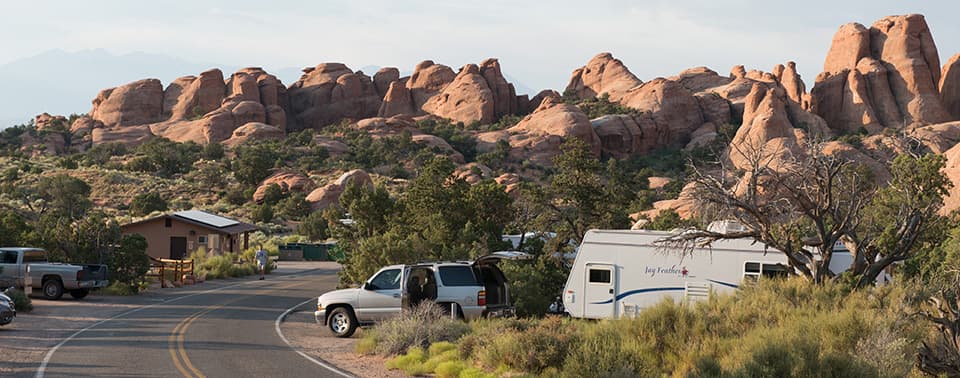
The Bureau of Land Management manages 26 developed campgrounds in the Moab area, most of them first-come, first-served, and the national parks run their own reservation systems on top of that. If you do not decide in advance whether you need a reservable site, a walk-up campground, or dispersed camping, you can burn half a day circling the river corridor and still end up without a legal place to sleep.
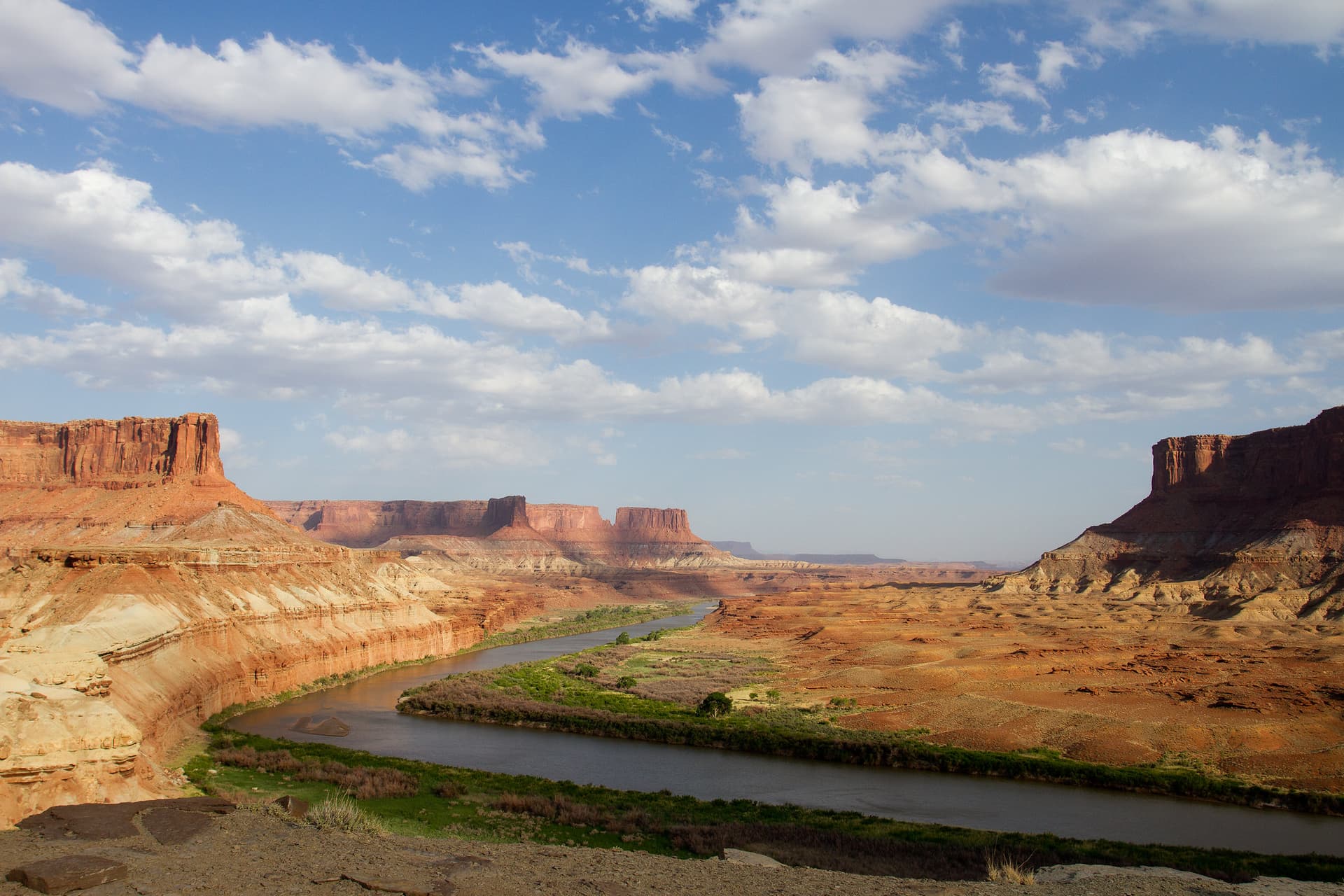
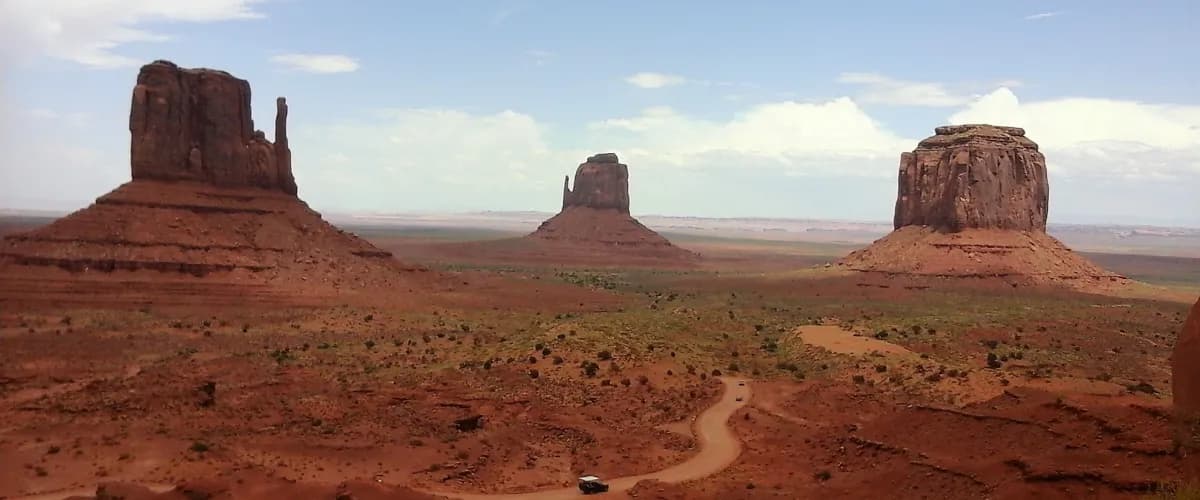
Pick your camping lane before you drive into town. Some sites are bookable through Recreation.gov, some are walk-up only, and some are only legal if you are camping on already disturbed ground under BLM dispersed-camping rules. Moab sits at the meeting point of Arches, Canyonlands, the Colorado River corridor and a huge spread of BLM land.
Know which campgrounds fill first
If you want a developed campground, the most important thing to understand is how quickly the popular river sites go. Highway 128 is the pressure point, especially near Big Bend, Goose Island, Hal Canyon and Oak Grove. Those sites are close to the river, scenic and easy to reach, so they are the first places people try on a busy weekend or during shoulder season.
Goose Island is a good example of how mixed the system can be. Individual sites there are first-come, first-served, but there are also two reservable group sites. Hal Canyon sits tucked along the Colorado River canyon in the Big Bend area. If your plan depends on a specific campground instead of just “somewhere near Moab,” check the campground type before you leave home.
Budget for the basic camp, not the luxury version
Moab camping is usually more functional than fancy. BLM campground fees are $20 per night, and the practical expectation is a picnic table, a fire ring and a vault toilet, with no hookups. Amenity lists vary by site, so do not assume the camp you saw on a map has water, electric or the same setup as the one down the road.
That matters for gear and for timing. The campgrounds are built for basic public-land use, not resort-style convenience. If you are arriving late, carrying a trailer or depending on power, you need a different plan than a couple throwing a tent in the back of the truck.
Use dispersed camping like a local, not like a free-for-all
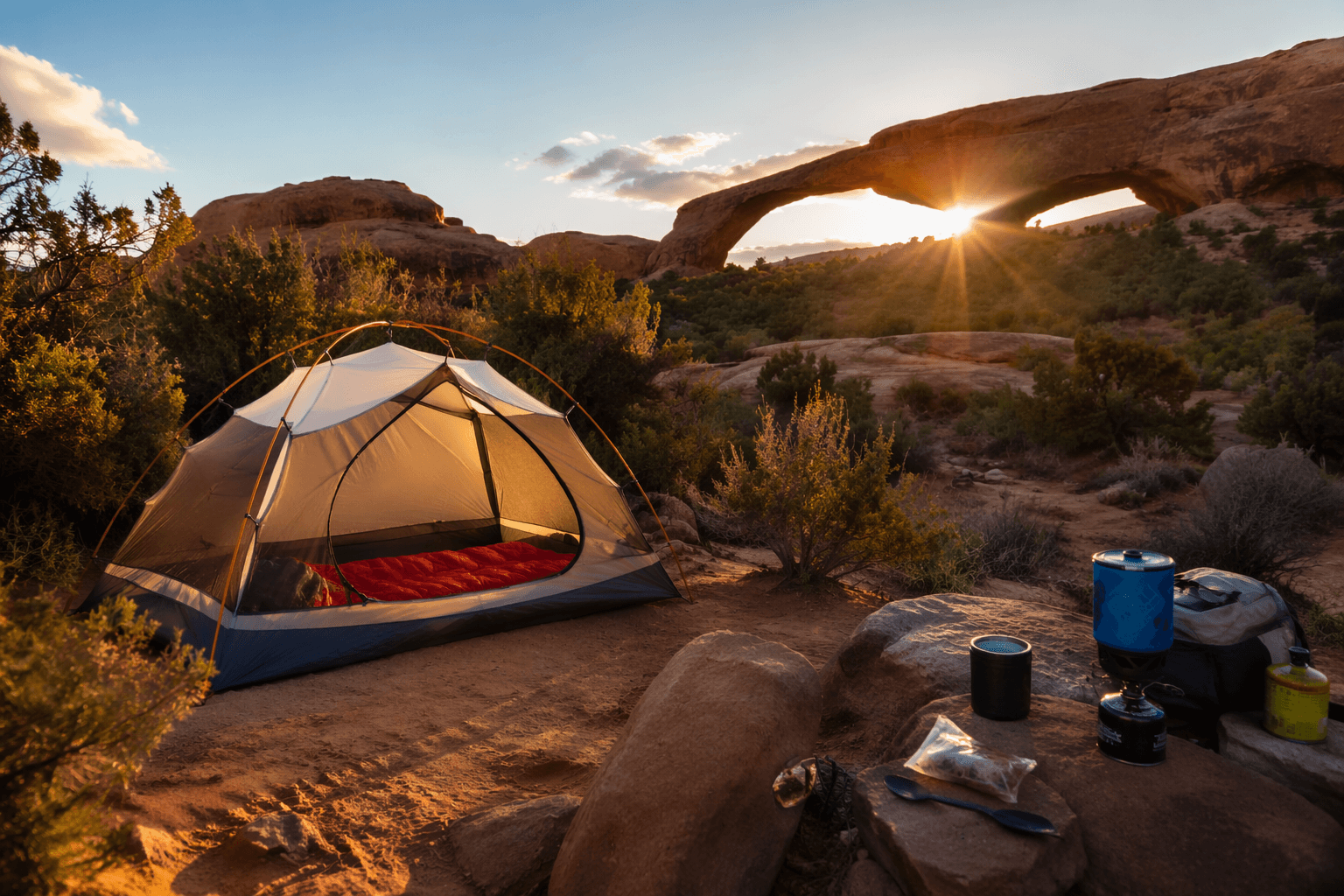
Dispersed camping is one of the biggest reasons people head into the canyon country around Moab, but it only works if you respect the boundaries. BLM requires campers to use previously disturbed sites, stay at least 200 feet from lakes and streams, and keep camp out of designated campground areas unless they have paid for a site. That means the obvious pull-off beside the road is not automatically a legal campsite.
The waste rules are just as important. Human waste catholes should be 6 to 8 inches deep and at least 200 feet from water, camps and trails. Toilet paper and hygiene products should be packed out, which is not optional if you want to leave the place usable for the next group.
Do not wing the permit question
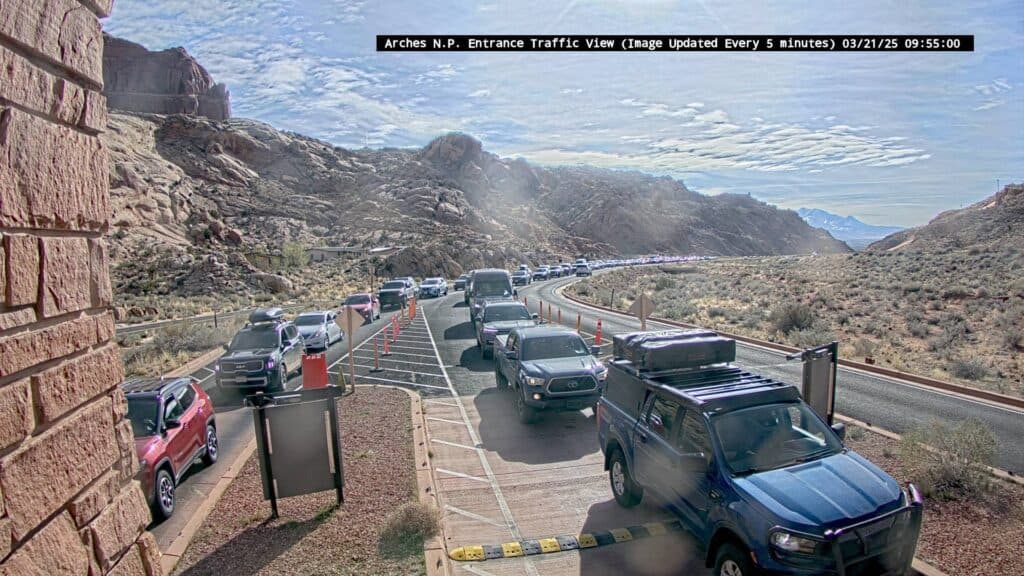
On February 18, 2026, Arches National Park said advanced timed-entry reservations would not be required in 2026, so you do not need to plan around that specific barrier for general park entry this year. But that does not mean everything in Arches is open without booking.
Devils Garden Campground still requires reservations, and both self-guided and ranger-led Fiery Furnace hikes require reservations as well. Canyonlands National Park does not require timed-entry reservations, but overnight backcountry trips inside the park require permits. The same permit requirement applies to overnight backcountry trips in the Orange Cliffs Unit of Glen Canyon National Recreation Area. If you are stitching together a trip with trail days, rim views and a backcountry night, the reservation question changes every time you cross a boundary.
Watch the rules that can end a trip early
BLM can impose fire restrictions and temporary public-land closures when wildfire risk rises, which means your campfire plan can change after you have already left pavement. If conditions tighten, the legal answer may be no fire at all, even in a site that normally allows one.
Another easy-to-miss rule sits right in town: no sleeping in vehicles inside Moab city limits. That catches visitors who assume they can pull off, crash for a few hours and sort it out in the morning. The city’s land-use and short-term lodging rules make that a bad bet, and it is not the kind of mistake you want to make after a long drive.
Use the visitor center before you head up the road
The Moab Information Center is at 25 East Center Street, on Main Street and Center Street in Moab, and it is open daily from 8 a.m. to 5 p.m. That makes it the easiest place to sanity-check your plan before you head out into the field. It has maps, guidebooks and free wi-fi, which is exactly the mix you want when you are trying to decide between a campground reservation, a first-come site or dispersed camping.
Moab is the gateway to Arches, Canyonlands and the surrounding public lands.
This article was produced by Prism’s automated news system from verified source data, official records, and press releases, then run through automated quality and moderation checks before publishing. The system is built and supervised by the people who set the standards it runs under. Read our full AI policy.
Did this article answer your question?