Monument Valley uses Navajo permits, not national park passes
Monument Valley is not a national park stop: expect $8-per-person Navajo fees, seasonal hours, vehicle limits, and holiday closures that can upend a rushed itinerary.

If you treat Monument Valley like a quick pull-off with a federal park pass, the gate will correct you fast. This is Navajo Nation country, and the trip works on Navajo rules: per-person entry fees, seasonal hours, holiday closures, and vehicle limits that change how you build the day.
Plan around Navajo Nation access, not national park habits
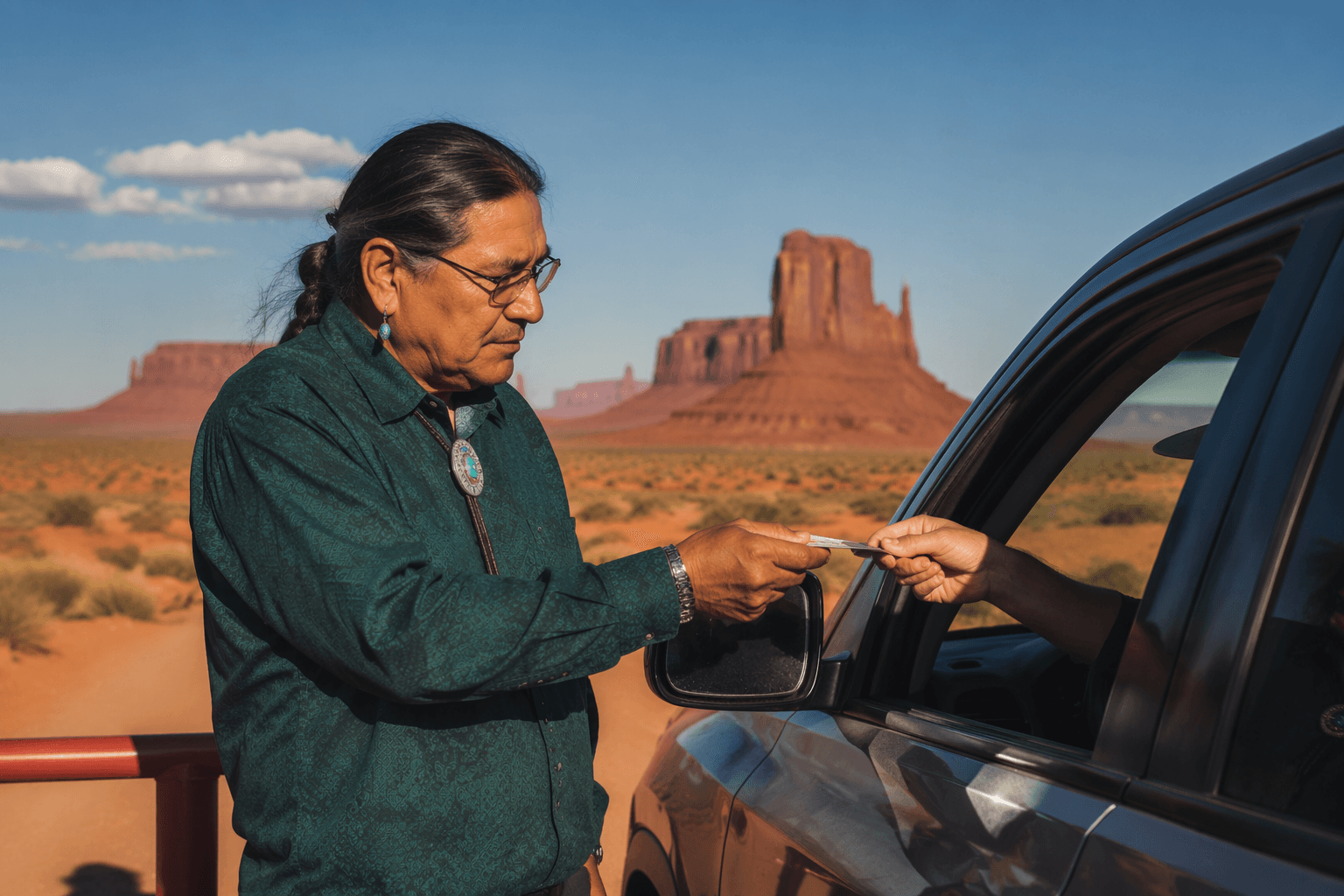
The first thing to sort out is payment. Monument Valley does not accept the National Park Pass, and the entry system is per person, per location, not a federal park-pass model. Monument Valley is $8 per person, per location, and a fee increase for all locations, permits, and entry fees took effect on January 1, 2026.
If Monument Valley is the anchor stop in your route, budget for cash or card at the gate and plan on a separate line item rather than tucking it into a national-park day.
Hours are just as easy to get wrong. Seasonal schedules for the scenic drive and visitor center include March 8 to April 30 from 7:00 a.m. to 8:00 p.m., with last vehicle entry at 6:00 p.m., and May 1 to September 30 from 6:00 a.m. to 8:00 p.m. Another summer schedule runs 8:00 a.m. to 7:00 p.m. with last entry at 4:30 p.m., which is exactly why this is not the sort of place to wing it from memory. Check the posted hours before you leave your hotel, not when you reach the dust.
Monument Valley is also closed on major Navajo holidays, including Thanksgiving Day, Christmas Day, and New Year’s Day. If you are threading it into a holiday-week desert loop, that closure can erase a whole segment of the day.
Know what kind of drive you are actually taking
The signature move here is the 17-mile loop drive at 5,564 feet above sea level, with GPS coordinates at N 37.00414, W 110.09889. That loop is the core of the visit, but it is not a smooth, paved scenic park road. The terrain can be rough, with deep sand dunes and especially difficult conditions during the monsoon season.
An SUV or truck is preferable because of the rough terrain, but RVs, camper vans, motorcycles, and large SUVs or off-road vehicles are prohibited on the valley drive. In practice, that means you need to think about your own rig before you commit to a self-drive plan. The wrong assumption is that anything bigger is better out here. It is not.
If you want help, Navajo guides are available upon arrival at the lower-level parking lot.
Permits, side trips, and the places visitors forget to ask about
A backcountry permit can be obtained from the visitor center, and a San Juan River permit can be purchased at the Welcome Center. If you are building a longer adventure trip around slot canyons, river access, or off-road time, those details are not optional extras to handle later. They are part of the logistics.
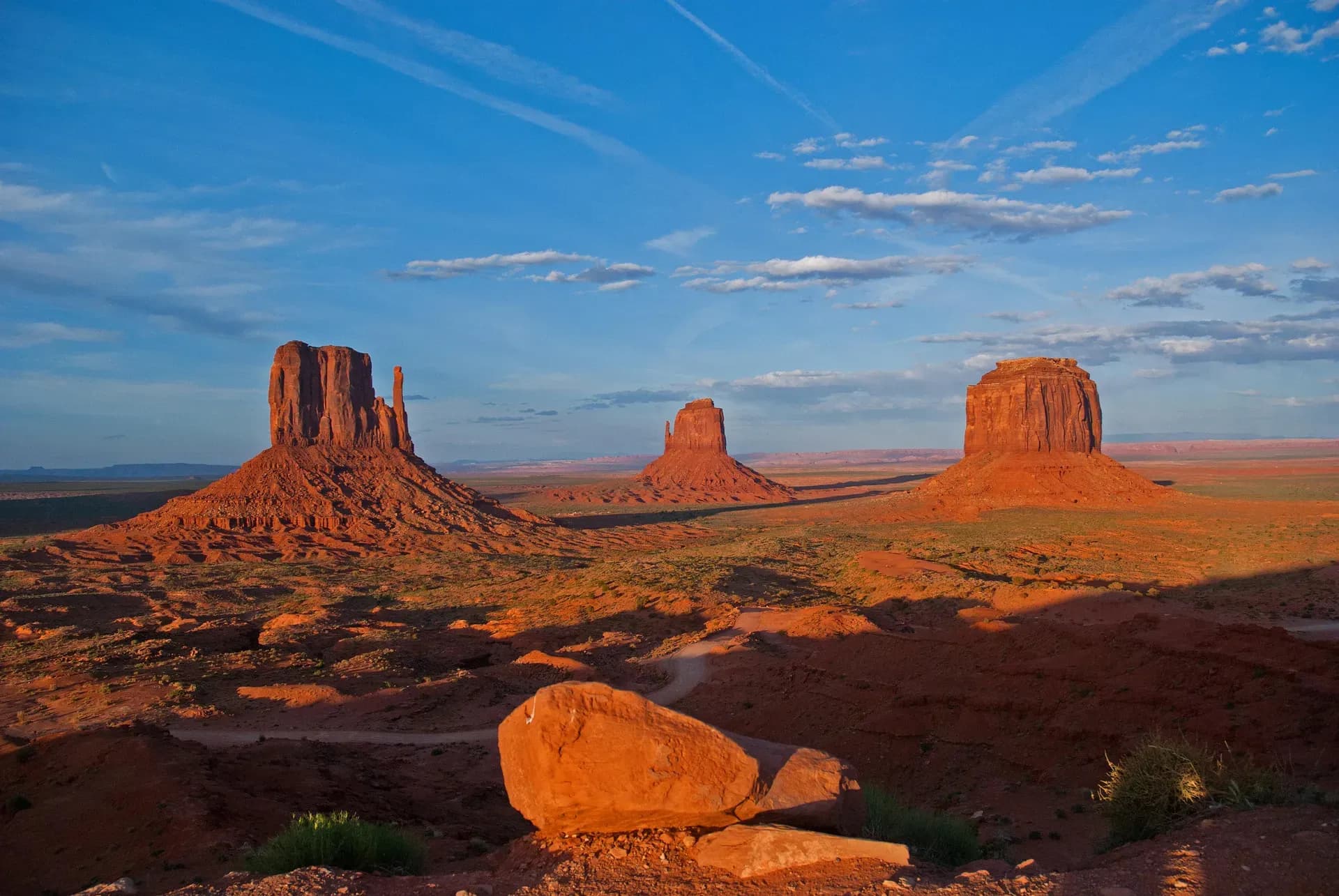
Monument Valley has its own gate, its own fee structure, and its own permit system, and each of those pieces can change the shape of your day. If you need self-drive flexibility, arrive early enough to clear the booth, understand the vehicle rules, and still have time to actually do the loop without racing daylight.
A Navajo-managed landscape, not a backdrop
Monument Valley is managed for Navajo priorities, not built as a federal park unit. The Navajo Nation Parks & Recreation mission is to wisely manage tribal parks, monuments, and recreation areas for the long-term benefit of the Navajo people, and the department dates to 1957, when the Navajo Nation Tribal Council established it.
Monument Valley’s rise as a visitor destination tracks with the John Ford and John Wayne westerns shot there, and the visitor story goes back at least to 1948, when Seth Bigman became the first Navajo interpretive ranger. By 1949, more than 1,000 visitors were already coming through Navajo lands.
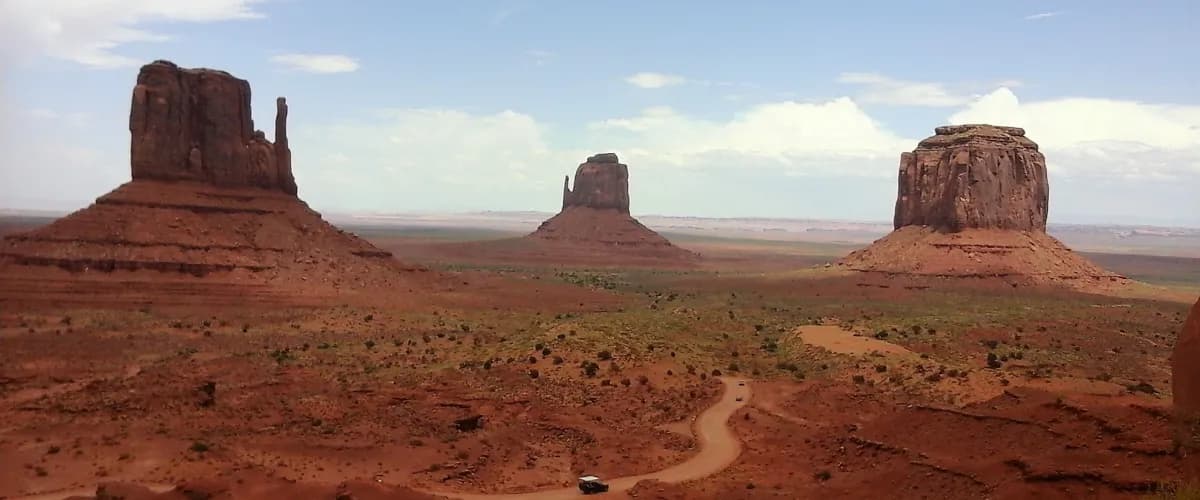
That legacy still shapes the route today, along with the landmarks people drive here to see in person: the Mittens, Three Sisters, John Ford’s Point, Totem Pole, Yei Bi Chei, and Ear of the Wind.
This article was produced by Prism’s automated news system from verified source data, official records, and press releases, then run through automated quality and moderation checks before publishing. The system is built and supervised by the people who set the standards it runs under. Read our full AI policy.
Did this article answer your question?