Utahraptor State Park leads quarry hike to first Utahraptor bones discovery
Utahraptor State Park took hikers to Dalton Wells Quarry, where the first Utahraptor bones were found, on a short ranger-led walk with real fossil context.
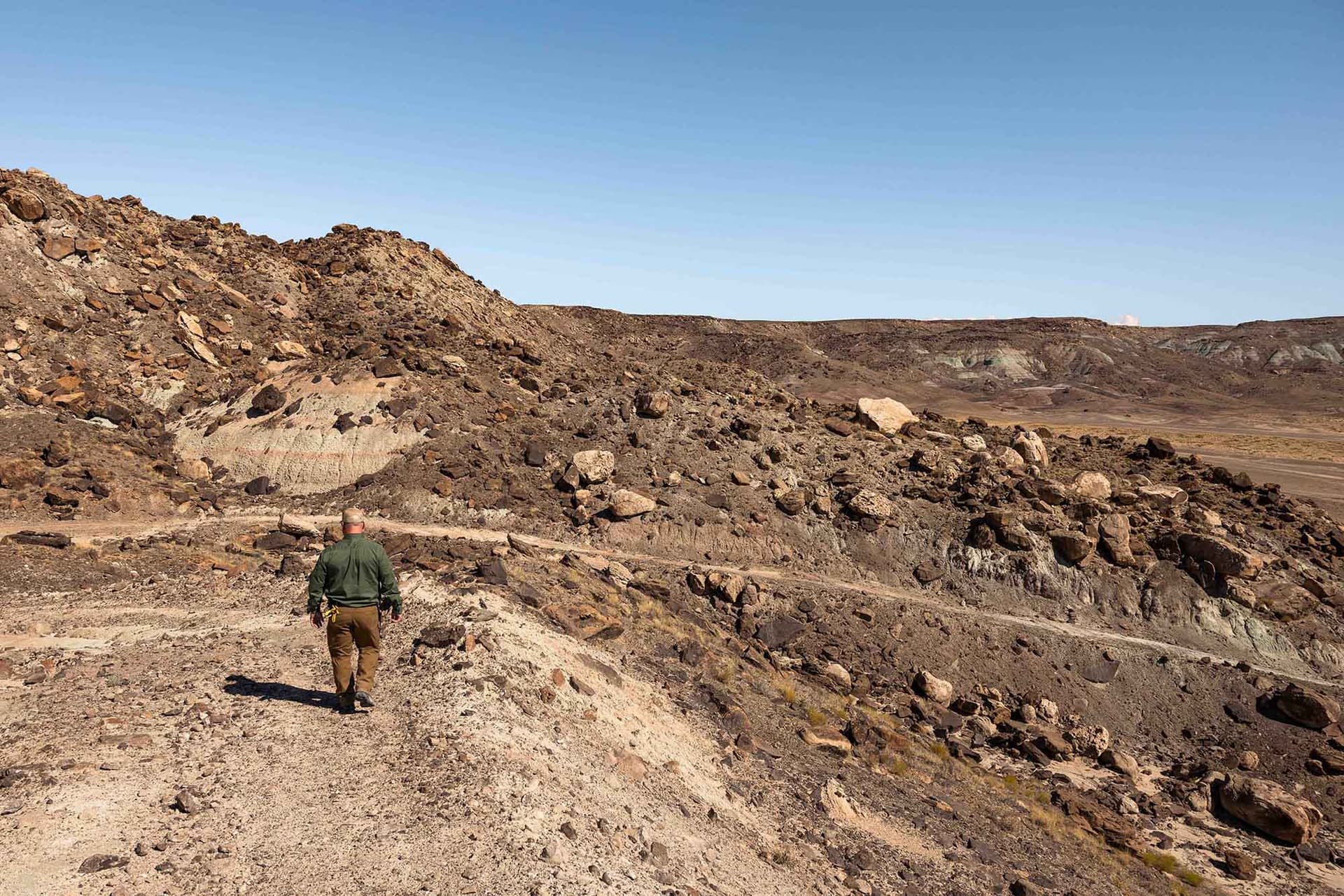
Utahraptor State Park led a Quarry Hike with a Ranger to Dalton Wells Quarry on July 18, giving visitors a rare look at the spot where the first Utahraptor bones were found. The park’s event listing set the walk for 9 a.m. to 11 a.m., while the calendar version showed 8 a.m. to 10 a.m.
The hike was more than a scenic stroll. Utah State Parks described it as an one-hour walk up to Dalton Wells Quarry, with interpretation on the quarry’s history, Utahraptor itself, and what the Moab area looked like during the Early Cretaceous. That matters at a site tied directly to Utah’s dinosaur record: the Natural History Museum of Utah places Utahraptor ostrommaysorum in the Early Cretaceous, about 125 million years ago, and lists Dalton Wells Quarry and Gaston Quarry, near Moab, as Utah fossil localities for the species.
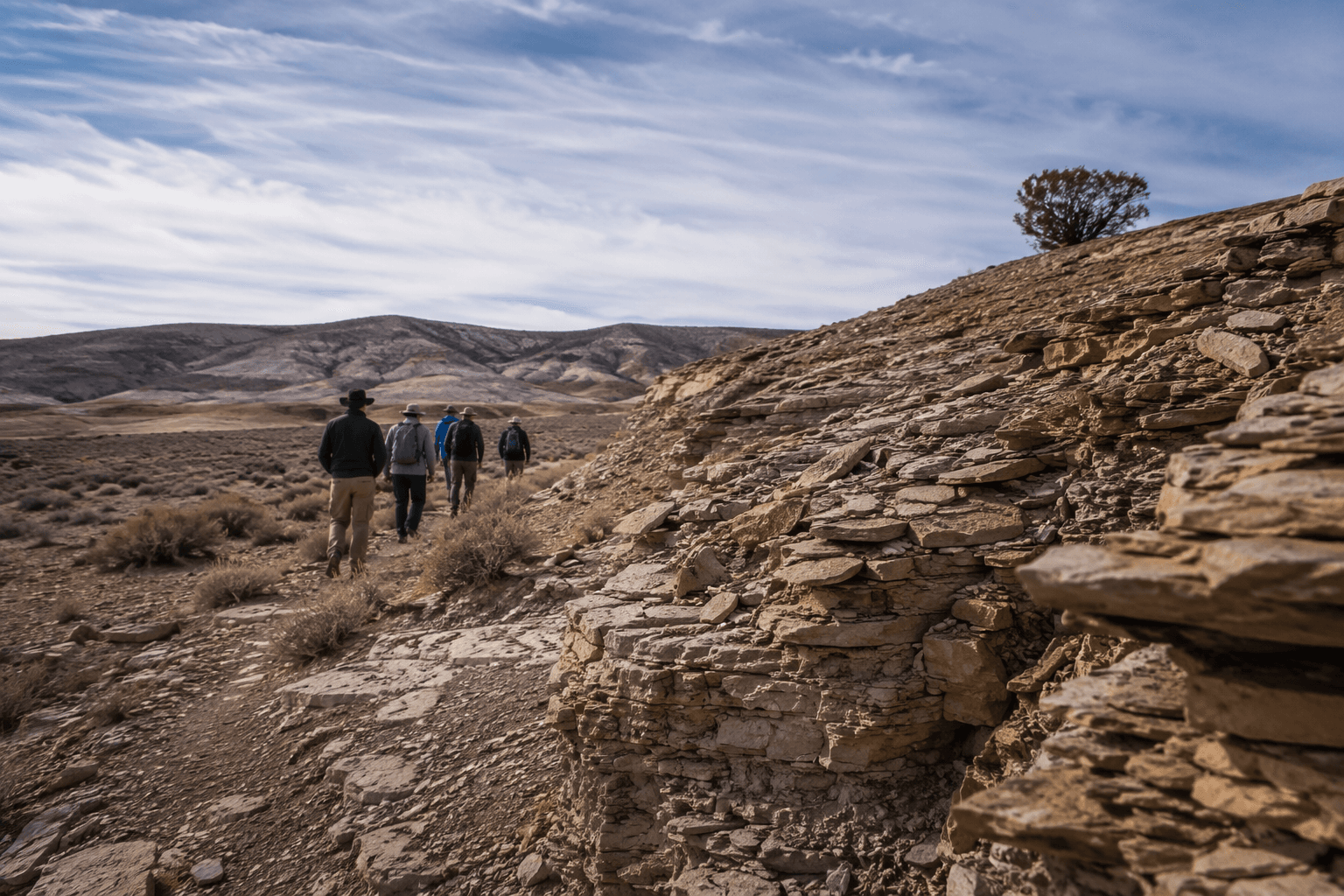
The trail itself is short but not flat. Utah State Parks says the Dalton Wells Dinosaur Quarry Trail is 0.8 miles long with 217 feet of elevation gain. The same park materials say the quarry site is where Utahraptor and eight other dinosaur species were originally found, and a Utah State Parks social post says more than 4,200 bones from 67 different animals have been found at Dalton Wells Quarry. That is a very different experience from a standard overlook stop: the ground underfoot is the story.
Dalton Wells also carries human history. Utah Friends of Paleontology places the historic site about 14 miles north of Moab and notes that the Dalton Wells Civilian Conservation Corps camp operated there in the 1930s. Utah State Parks and other coverage have also highlighted the site’s World War II-era uses, which makes the quarry area feel layered rather than single-purpose. On a ranger-led walk, visitors get both the fossil record and the 20th-century history in the same stop.
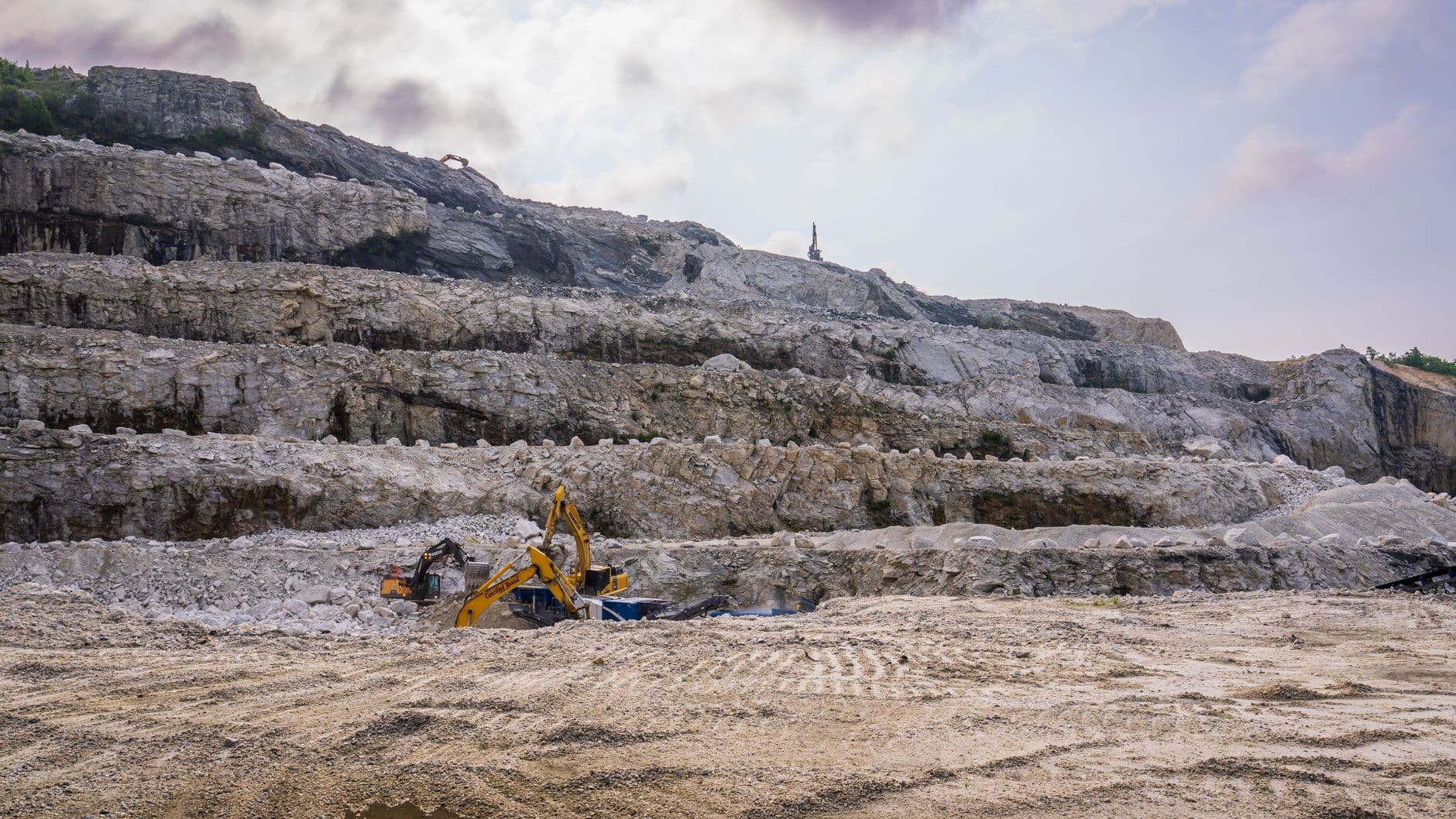
The setting fits the broader Moab corridor, where Utahraptor State Park sits about 15 miles northwest of Moab, near Arches National Park and Canyonlands National Park. That puts the quarry hike in a region already built around red rock and outdoor travel, but with a stronger interpretive payoff than a typical trail outing. The park opened to visitors in 2025 after years of planning, and programming like this helps define what the new state park is for: not just hiking, but reading the landscape.
This article was produced by Prism’s automated news system from verified source data, official records, and press releases, then run through automated quality and moderation checks before publishing. The system is built and supervised by the people who set the standards it runs under. Read our full AI policy.
Did this article answer your question?