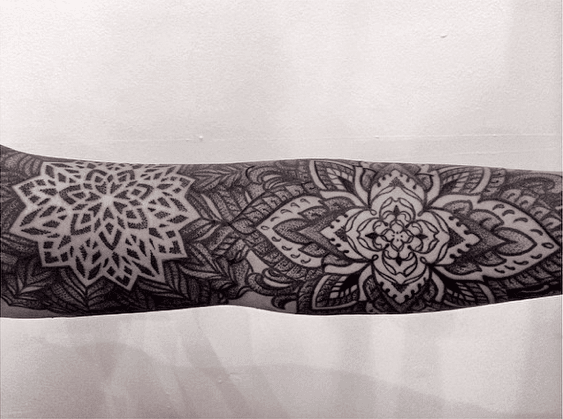
Copyright & Generative AI — 2026 quarterly update flags cases creators should watch (impacts design-heavy trades like geometric tattooing)
Courts are deciding whether AI firms must license training data; the outcome could open new revenue streams for geometric artists or flood the market with near-identical AI outputs.
A metadata company built on decades of curated entertainment data suing one of the largest AI developers in the world might not sound like your problem. But if you make a living designing sacred geometry sleeves, Fibonacci spirals, or mandala compositions, you have a direct stake in how that case resolves — and a handful of others like it moving through federal courts right now.
The legal briefing "Copyright and Generative AI: 2026 Quarterly Update One," published on March 25, focuses on exactly this terrain. It aggregates active court dockets, identifies cases worth watching, and translates the procedural details into practical signposts for artists, publishers, and platform operators who cannot afford to wait for appellate clarity before making business decisions. If you work in a design-heavy discipline like geometric tattooing, this is one of the more consequential legal watch lists published this year.
The case that sets the tone
The most recently filed action highlighted in the update is Gracenote v. OpenAI, which landed in federal court on March 10. Gracenote, the metadata and identification services company owned by Nielsen, alleges that OpenAI scraped its proprietary entertainment metadata, including its framework for connecting millions of program elements, to train ChatGPT without authorization or payment. Gracenote's Programs Database is registered with the U.S. Copyright Office, which makes the copyright claim relatively clean compared to cases involving unregistered works. The suit seeks both statutory damages and actual damages tied to quantifiable financial harm, and it argues that OpenAI's use of that data could allow competing metadata services to be built for free, directly undercutting Gracenote's licensing relationships.
The Gracenote case illustrates a pattern the quarterly update tracks across the broader litigation ecosystem: rights holders with formally registered, commercially valued works testing whether AI companies' training practices constitute infringement. Gracenote's situation closely mirrors a concern geometric tattoo artists should recognize immediately — someone used a carefully built, original creative database and produced outputs that compete with the very service that database was built to provide.
Why the two possible outcomes both matter for your studio
The central legal question across all of this active litigation is whether generative models can use copyrighted works for training without permission. Courts have not yet settled this, and the quarterly update is explicit about the stakes on each side.
If courts determine that AI companies must license training material, a new market opens. Artists with documented design libraries could negotiate licensing terms, contribute to licensed pattern packs, or join collective arrangements that give them a share of revenue when their aesthetic vocabulary is used to train a model. That is a meaningful income stream for a geometric tattoo artist who has spent years developing a recognizable geometric style.
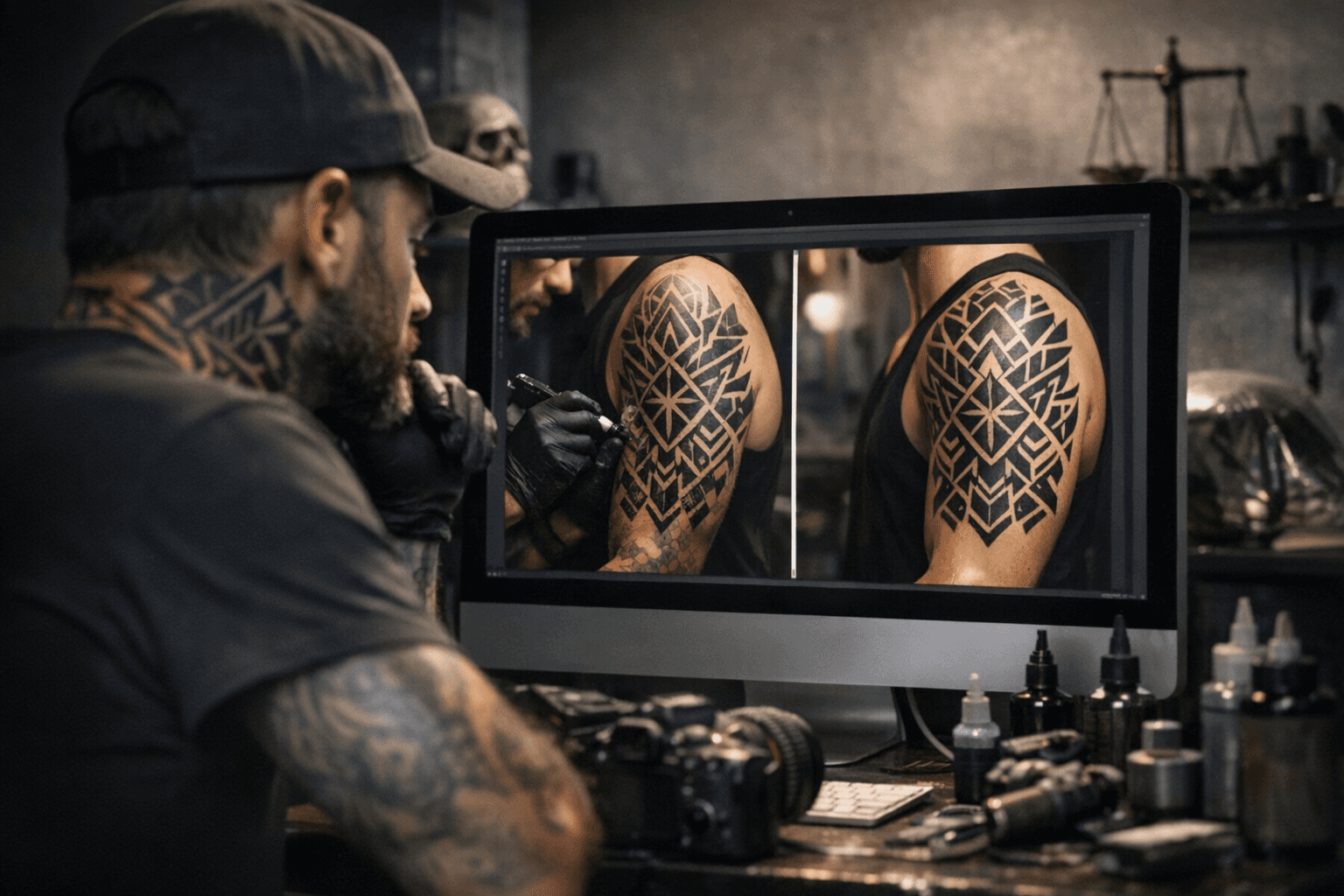
If, instead, current scraping practices are ruled largely permissible, the situation reverses. Platforms and individual clients could republish AI-generated outputs that are near-identical to commissioned geometric work without legal consequence. For an artist who charges a significant premium for custom sacred geometry, having a free AI approximation circulate freely is not an abstract threat; it directly pressures your pricing and your client's perceived value of originality.
The quarterly update names a third dimension worth tracking: the human authorship requirement. Courts and the U.S. Copyright Office are actively examining what level of human creative input is necessary for a work to qualify for copyright protection. For AI-assisted geometric designs specifically, this means the line between a tool-assisted original and an unprotectable AI output is still being drawn in real time.
What the update recommends — and what that means for geometric work
The practical section of the briefing offers three concrete directions:
- Register your work. Formal copyright registration creates the legal standing to pursue statutory damages if your designs are scraped and reproduced. For geometric tattooists, this includes not just finished flash sheets but original motifs, pattern arrangements, and the relational logic of how you combine geometric elements into a composition.
- Address intellectual property explicitly in client contracts. For small studios, this is often overlooked. A contract that specifies who owns the rights to a commissioned design, whether the client can post it on AI training platforms or style-reference tools, and what constitutes a derivative use protects both parties and puts a legal stake in the ground.
- Consider industry coalitions. The update points to legal funds, licensing consortia, and collective bargaining with AI firms as a viable pathway for creators who individually lack the resources to litigate. Over 70 copyright infringement lawsuits against AI companies have been filed since generative AI entered the mainstream. That volume creates real pressure for platforms to negotiate, and coalitions with significant membership have more leverage than any single studio.
The longer timeline
None of this resolves quickly. The Gracenote case was filed two weeks before the quarterly update was published and is at the earliest procedural stages. Other landmark disputes referenced in the briefing are still working through discovery and motions practice. The final hearing on a major settlement in a separate AI copyright case isn't until April 23, 2026. Legislative and regulatory action at the federal level is moving more slowly still.
What the update argues, and what the pattern of litigation confirms, is that this window — before outcomes are set — is the one in which practical positioning matters most. Artists who register their signature geometric work now, who build documented records of original authorship, and who draft IP clauses into client agreements before a definitive ruling lands will be better positioned regardless of which direction courts ultimately go. That is not legal advice; it is pattern recognition from watching what rights holders with registered works have been able to do compared to those without.
The community that developed blackwork sacred geometry, optical illusion tessellations, and fine-line fractal compositions built an aesthetic vocabulary that AI tools are actively learning from. Whether that vocabulary generates compensation or simply generates competition is a question being decided in federal courtrooms right now.
Know something we missed? Have a correction or additional information?
Submit a Tip