DGN Tattoo Magazine spotlights Dezsó Jakab's geometric cover art
Dezsó Jakab’s precision-heavy geometric cover makes Issue #210 a loud vote for clean lines, symmetry, and geometric work as headline material.

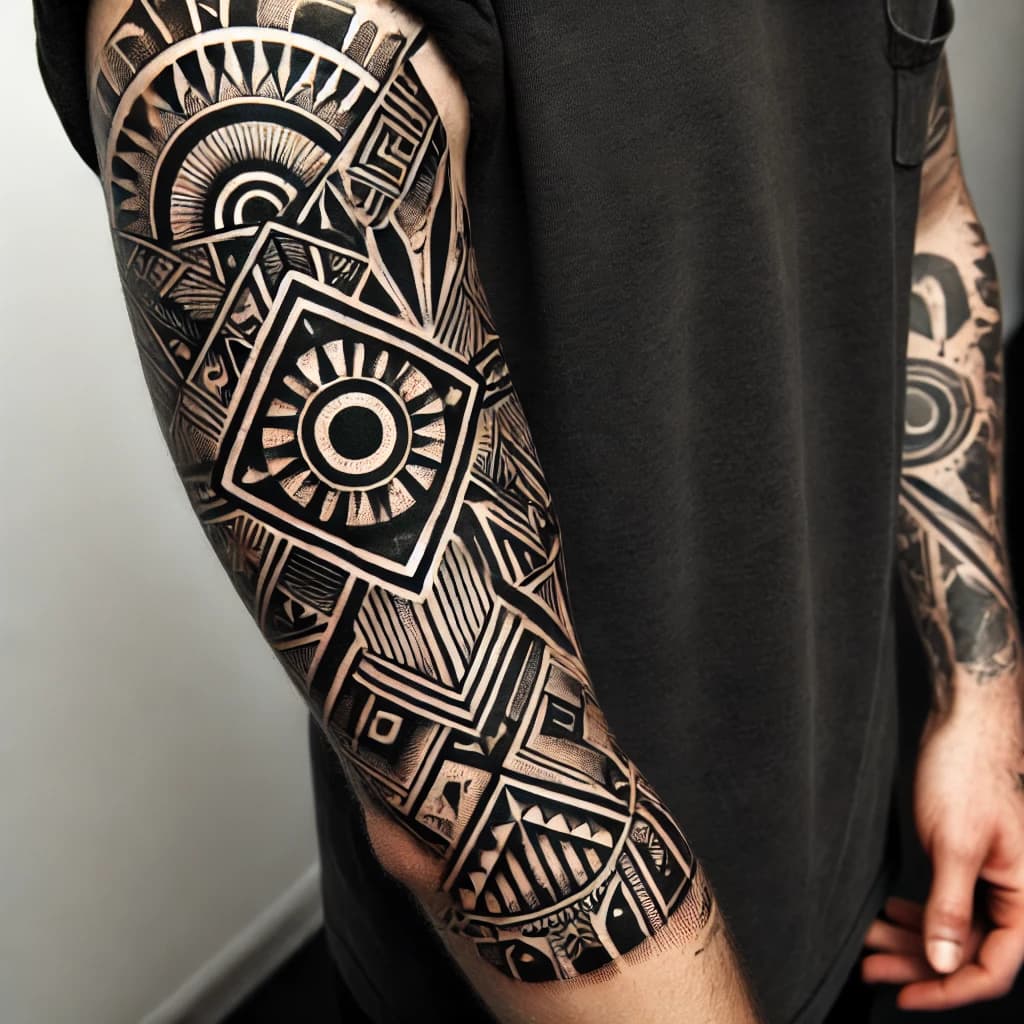
Dezsó Jakab’s geometric cover art gives DGN Tattoo Magazine Issue #210 a very clear message: clean-line geometry is not a side note anymore. The paperback release, dated May 19, 2026, puts the Hungarian artist’s work on the front and calls it a masterpiece of precision, with the edition offered in print and digital formats worldwide. For geometric tattooing, that is the kind of cover placement that turns a niche into the headline.
The rest of the lineup backs that up. Alongside Jakab, the issue features Mattia Erna of France, Luiza Fortes of Dallas, Hiroshi Tabata of Japan, and Tamara Gallardo of California. That mix matters because it places geometric work inside a broader international field of high-skill tattooing, not off to the side as a specialty only geometry fans care about. DGN Tattoo Mag identifies itself as based in Miami, Florida, and says it has 22 years of experience in the tattoo industry. Its Issuu profile describes a 21-year run in contemporary tattooing and notes English and Spanish editions, which fits the magazine’s global framing.

For artists planning a geometric piece, the useful takeaway is the visual standard this issue is rewarding. Tattoo Life describes geometric tattooing as a style built on clean lines, perfect symmetry, and abstract forms, with influences that run through sacred geometry, mandalas, natural patterns, and architectural elements. That is the playbook Jakab’s cover signals. If the line work is soft, the symmetry is off, or the spacing gets crowded, the whole design loses the exactness that makes the style work. The issue’s placement suggests that in 2026, geometric tattooing is being judged by that level of control.
The historical backdrop makes the point even stronger. Smithsonian has traced tattooing through thousands of years of human history, including Indigenous Polynesian tattoos that used bold geometric symbols to convey personal history and societal rank. It also notes that tattooing has been practiced for at least 2,000 years throughout French Polynesia, and that the word tattoo comes from the Polynesian word tatau, meaning to mark. Add in the 5,300-year-old body of Ötzi the Iceman, one of the earliest known tattooed bodies, and the message is hard to miss: geometry is not a trend chasing the moment. It is one of the oldest visual languages in tattooing, and Jakab’s cover puts it back where it belongs, at the front.
This article was produced by Prism’s automated news system from verified source data, official records, and press releases, then run through automated quality and moderation checks before publishing. The system is built and supervised by the people who set the standards it runs under. Read our full AI policy.
Did this article answer your question?