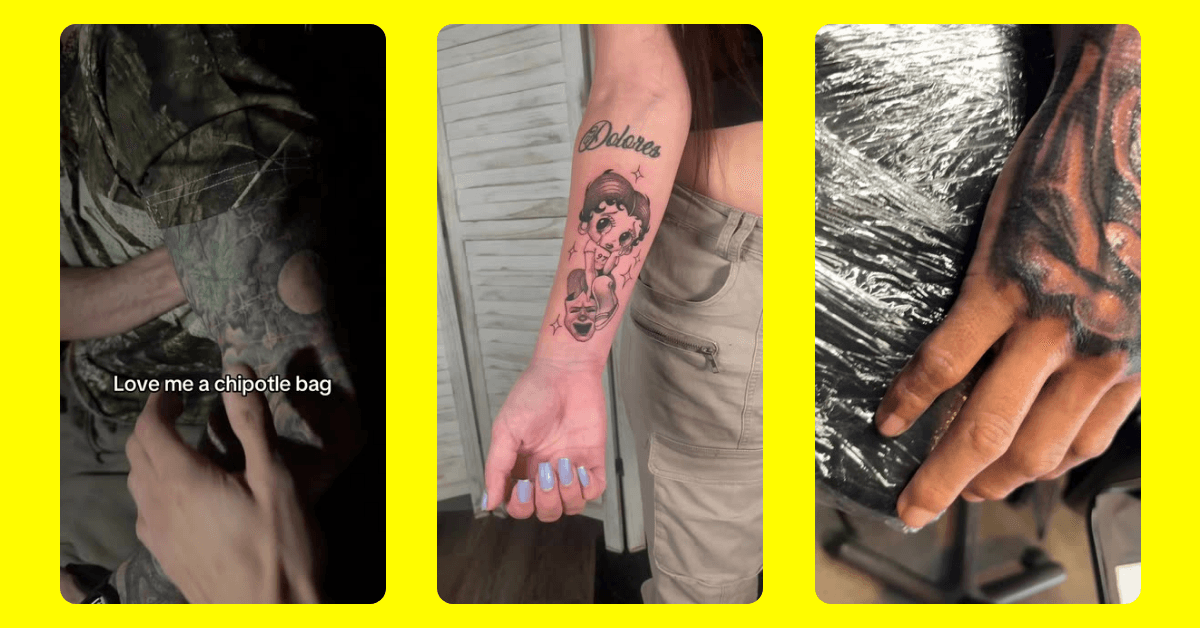
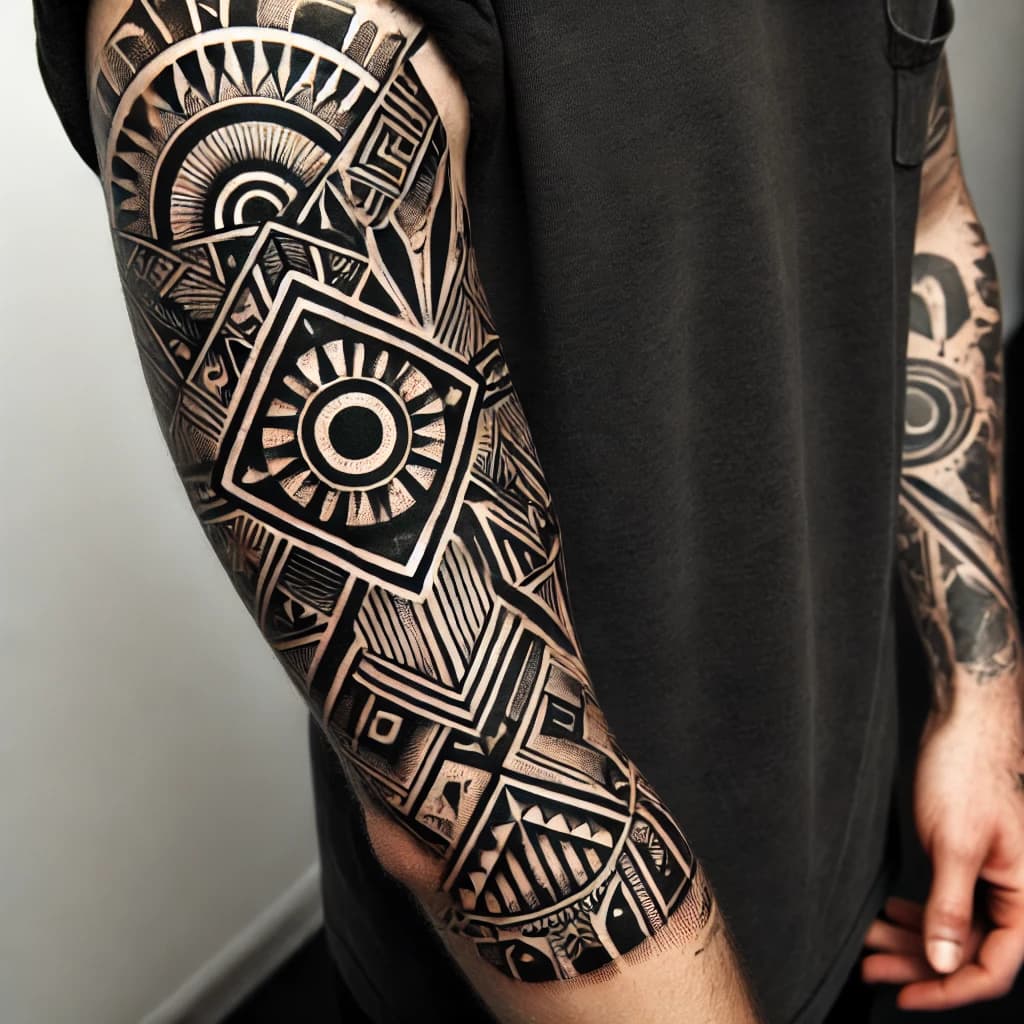
Frame Tattoos Turn Skin Into Curated Art With Geometric Structure
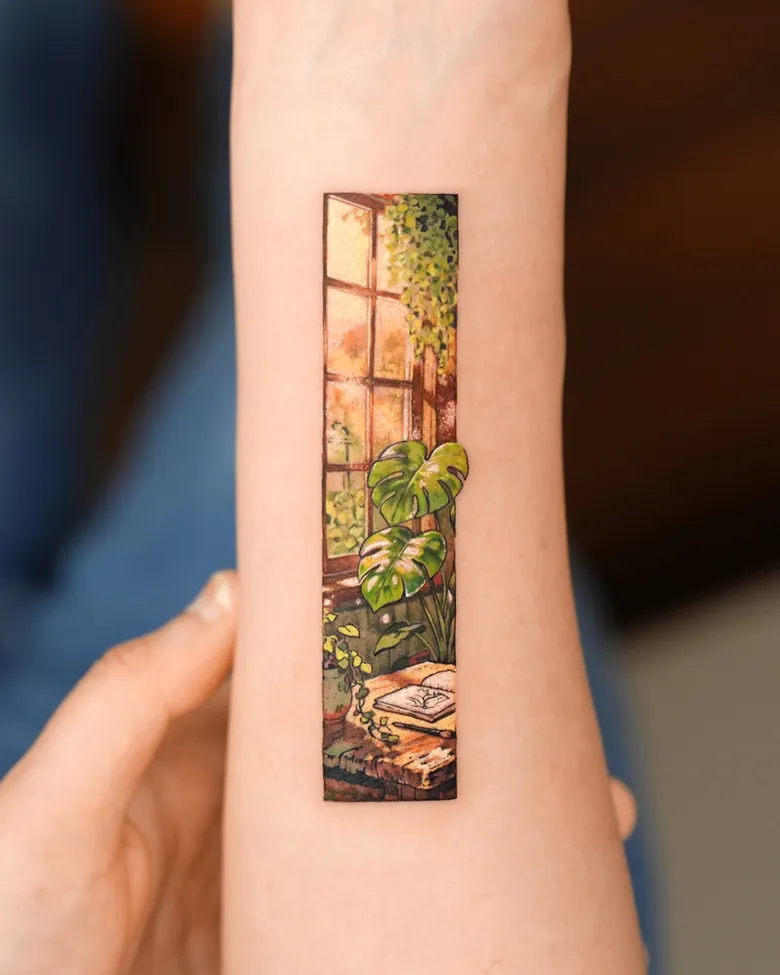
Frame tattoos are surging because they give skin a built-in composition, turning a subject into something structured, symmetrical, and deliberately placed.
Why frame tattoos are having a moment
Frame tattoos work because they solve a problem geometric tattoo fans already care about: how to make an image feel placed, not just applied. A border gives the subject a clear home, so the skin reads like a curated artwork instead of a floating image. That simple shift is doing a lot of heavy lifting right now, especially for people who want their tattoos to feel composed, balanced, and intentional.
Tattoo Imprints’ frame roundup treats the idea less like a motif and more like a design language. A moment, memory, character, or feeling goes inside a border, and suddenly the piece has structure. The frame does not compete with the subject. It organizes it, which is why the style lands so well with readers who already think in terms of symmetry, linework, and visual hierarchy.
Structure is the real subject
The strongest frame tattoos are not just decorative edges. They create an architectural logic that shapes how the eye moves across the skin. A border establishes order, then the interior image carries the emotion, symbolism, or story. That balance is what turns a tattoo from something merely pretty into something that feels designed.
This is where frame tattoos overlap so naturally with geometric work. Geometric tattoos already rely on containment, spacing, and exact placement. A frame gives you that same clarity without requiring a full geometric sleeve or an all-over pattern. It can anchor a portrait, a floral piece, a text-based tattoo, or a symbol and still make the composition feel measured.
Border choice changes everything
One of the most useful parts of the frame idea is how much the border changes the personality of the tattoo. Ornate vintage mirrors, carved-looking edges, and decorative panels push the piece toward old-world elegance. Crisp modern frames, by contrast, feel cleaner, more minimal, and more closely aligned with geometric sensibilities.
That makes frame tattoos unusually flexible. The same core structure can read as romantic, gothic, architectural, or pared-back depending on the line weight and border shape. For anyone who likes blackwork or linework, the frame becomes the quiet control center of the tattoo, deciding whether the piece feels lush or restrained.
Ornate versus minimal
An ornate border brings a sense of ceremony. It can make a small subject feel important, almost like an heirloom mounted for display. A simpler panel, on the other hand, can sharpen the image until it feels almost diagrammatic, which is part of why geometric tattoo fans keep circling back to the style.
That contrast matters because it shows the frame is not a single aesthetic. It is a tool. The choice of border changes the emotional temperature of the piece before the subject inside it even begins to speak.
Negative space is doing the compositional work
Frame tattoos are also compelling because they make negative space visible as a design element. Inked Magazine has long pointed out that good geometric tattoos use the body’s space effectively, and that negative-space work can feel almost sculptural, as if the skin itself has been carved into the composition. Frame tattoos lean into exactly that idea.
The frame defines what is inked, but just as importantly, it defines what is left open. That empty space keeps the tattoo from feeling crowded and gives the subject room to breathe. When the balance is right, the border stops the image from dissolving into the rest of the body and gives it a clean visual edge.
Subject-to-frame tension gives the tattoo its power
The most interesting frame tattoos are often the ones where the inside and outside of the border are slightly in tension. A delicate frame around a bold subject can make the image feel even more intense. A heavier frame around a quiet subject can make it feel precious, almost like the tattoo is guarding it.
That tension is what separates a decorative border from an architectural composition. The frame is not there just to look nice. It changes how the subject reads, how the eye enters the piece, and how the tattoo sits on the body. For geometric readers, that is the heart of the appeal: the composition is not accidental. It is engineered.
Why the style fits modern tattoo life
The popularity of frame tattoos also makes sense in a culture where tattoos are more visible and more normalized than they used to be. Pew Research Center found that 32% of U.S. adults have at least one tattoo, including 22% who have more than one. It also found that tattoos are increasingly common in workplaces across the United States and even visible among members of the U.S. House and Senate.
That wider acceptance changes what people want from tattoo design. When a tattoo is likely to live in everyday view, polish matters. So does cohesion. Pew’s survey also found tattoos are especially common among women under 50, with 38% of women reporting at least one tattoo compared with 27% of men, and a large majority of adults saying society has become more accepting of tattooed people in recent decades. In that context, frame tattoos make sense as a way to make body art feel deliberate rather than impulsive.
The style has deep roots, not just current momentum
Frame tattoos may feel modern in their clean composition, but the underlying language is old. Tattoodo describes ornamental tattooing as one of the oldest tattoo styles, and it emphasizes geometry, symmetry, black shading, and delicate pointillism. That same source points back to Ötzi the Iceman, whose body carried 61 tattoos and who died around 3250 B.C.
Smithsonian has also reported that Ötzi, buried beneath an Alpine glacier on the Austrian-Italian border, had 61 tattoos across his body. Those early markings were mostly lines and dots, which is a striking reminder that geometric thinking is not a new trend but one of tattooing’s oldest instincts. The appeal of borders, structure, and measured spacing reaches back far beyond current style cycles.
A long visual lineage
Seen through that lens, frame tattoos sit inside a long tradition of using marks to organize meaning. They connect to ornamental tattooing’s emphasis on symmetry and to the oldest known tattoo evidence in human history. The modern version may be cleaner and more deliberate, but the instinct is the same: make the mark feel placed, not random.
Why the frame becomes a personal archive
A 2024 academic article describes tattoos as a vehicle for cultural memory, identity, heritage, and personal and collective narratives. That idea fits frame tattoos perfectly, because the border does more than decorate an image. It turns the tattoo into a display case for memory.
A framed subject can hold a person, a belief, a loss, a milestone, or a private symbol with unusual clarity. The frame says this matters. It gives the interior image the kind of attention people usually reserve for framed art on a wall, which is why the style feels so resonant for pieces built around story as much as aesthetics.
Frame tattoos are surging because they do something rare in body art: they make composition feel legible at a glance. The border supplies symmetry, the negative space supplies breath, and the subject supplies the emotional charge. Put together, the result is skin that looks not just decorated, but deliberately curated.
This article was produced by Prism’s automated news system from verified source data, official records, and press releases, then run through automated quality and moderation checks before publishing. The system is built and supervised by the people who set the standards it runs under. Read our full AI policy.
Did this article answer your question?