Geometric Animal Tattoos Capture Essence Through Clean, Timeless Lines
Geometric animals last by distilling wolves, eagles, and snakes into the features that matter most. Clean lines, smart negative space, and body-aware planning keep them readable for years.
Why the geometric approach keeps winning
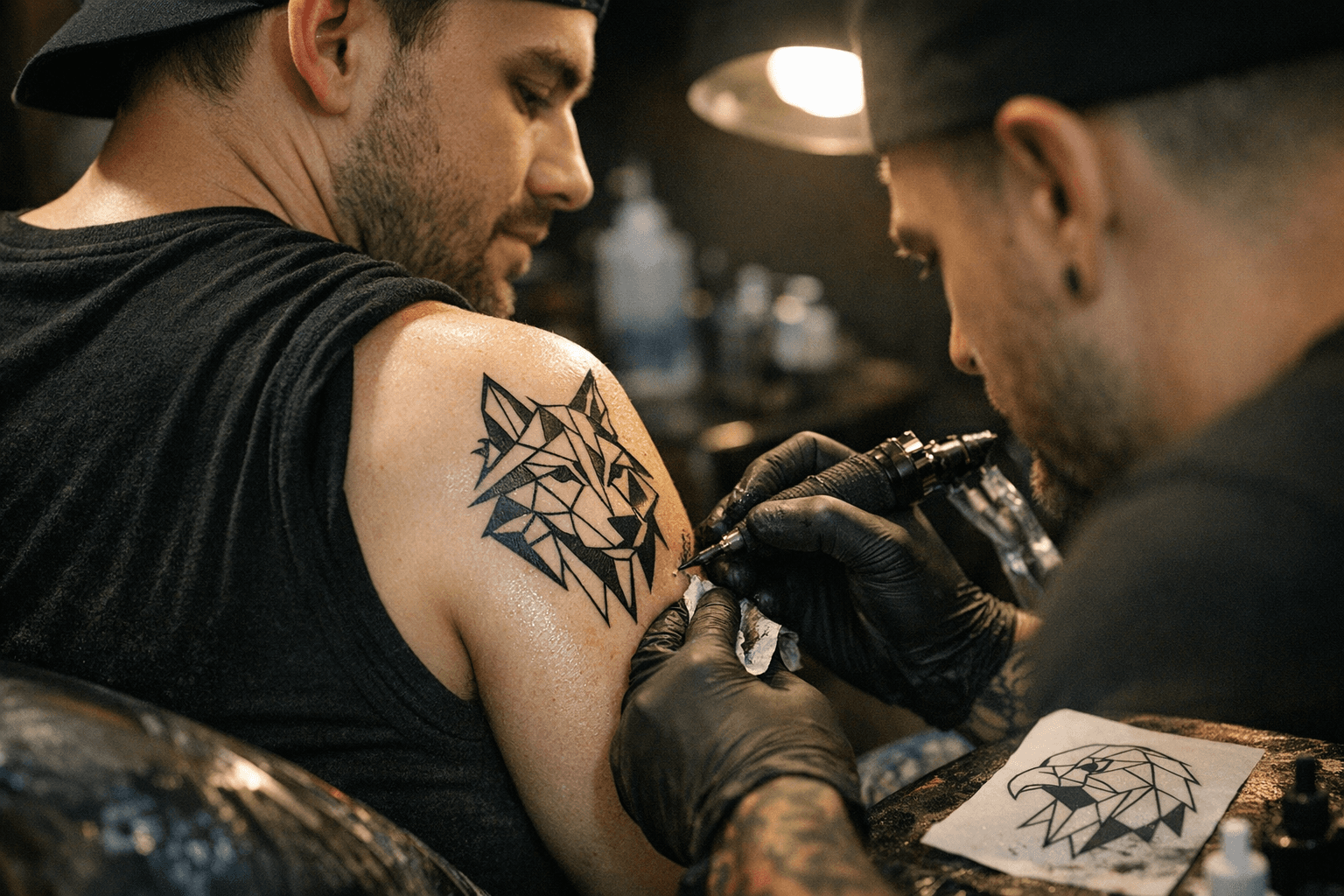
It starts with a familiar moment: you flip past sketch after sketch of realistic lions, wolves, and foxes, then one geometric wolf stops you cold. Not because it copies every whisker, but because it strips the animal down to the part that actually sticks in your mind. That is the power of this style. Clean triangles, deliberate negative space, and a reduced line structure can hold more meaning than a dense portrait, especially when you want the tattoo to feel clear years from now, not just impressive on day one.
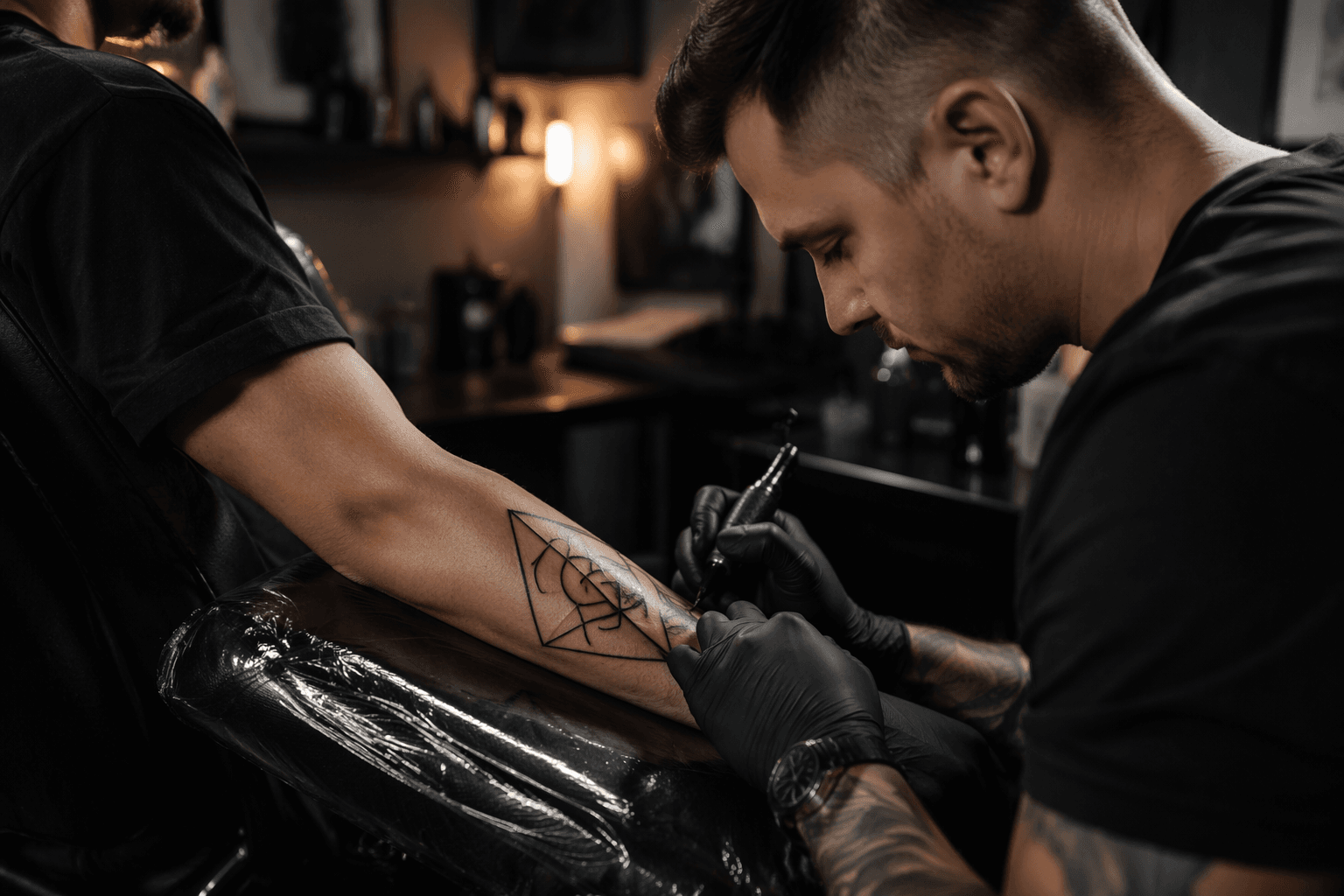
That clarity matters because tattoos are not temporary art. The Mayo Clinic explains that tattoos are made by inserting colored ink into the skin with needles or similar equipment, and that permanent tattoos are designed to last a lifetime and can be difficult to remove. The FDA also notes that tattoos and permanent makeup can carry risks, including infections and allergic reactions. Once the needle goes in, the design has to earn its place, which is exactly why geometric animal work feels so disciplined.
What the style says before the animal even does
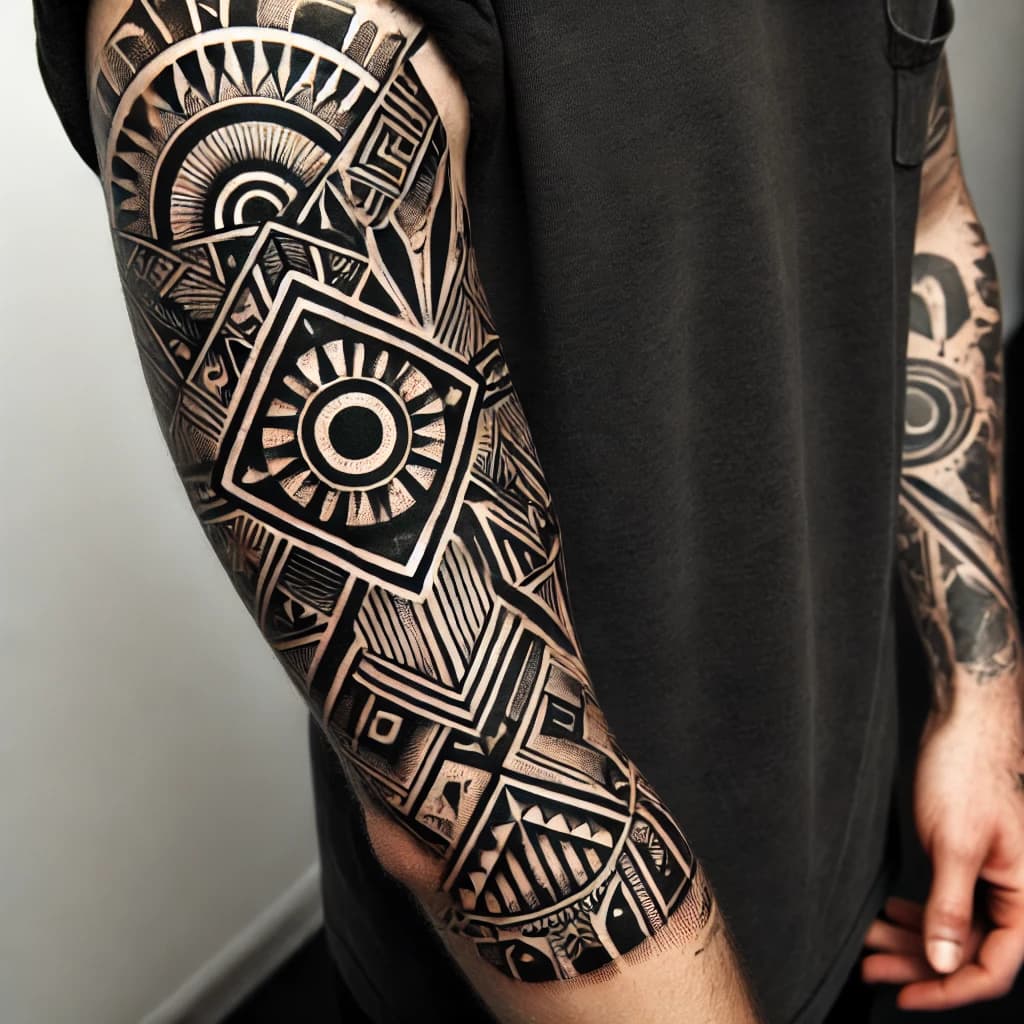
Geometric tattooing is one of the major tattoo styles, and its language is built from structure. StyleCraze describes the look as drawing on symmetry in nature, ancient geometry, modern architecture, mathematics, and cultural design traditions such as mandalas, tribal art, and Celtic knots. That mix is why the style can feel both modern and old at once: it looks precise, but it still carries the deep symbolic weight people expect from animal imagery.
With animals, that precision becomes a choice about identity. You are not asking the design to show everything. You are deciding which trait defines the creature most strongly. A wolf may be about the ears, a rigid face, or pack energy. An eagle may be about the wingspan and lift. A snake may be about the coil and tension in its body. The best geometric pieces do not decorate the animal. They translate its character into shape.
How to choose the animal that fits your meaning
The smartest consultations do not begin with a full composition. They begin with the first structural feature that comes to mind. If you think of a wolf and immediately picture its ears, that is useful information. If the eagle image that stays with you is the spread of the wings rather than the head, that should guide the design. The point is to identify the animal’s most recognizable geometry before adding extra detail.
That approach makes the tattoo more personal and more durable. A realistic image can tempt you to fill every inch with fur, feathers, or scales, but those tiny textures are usually what age the fastest as skin changes over time. A geometric animal leans on mathematical forms instead. The clean edges, facets, and gaps are easier to read at a distance and less dependent on delicate texture to communicate the idea. That is why the style feels so permanent even when the linework is minimal.
Why the design ages better on skin
The strongest geometric animal tattoos are built for the body, not just for the stencil. Skin stretches, softens, and changes. Fine realism can lose its crispness when it relies on micro-detail, but a stronger silhouette, anchored by triangles, planes, and open space, tends to hold its visual logic longer. That does not mean every geometric tattoo is automatically safer or easier to maintain. It means the design itself is less fragile.
This is where the style’s restraint becomes a strength. By limiting the visual vocabulary, you force the tattoo to work harder with less. Instead of chasing photographic detail, you create a mark that reads as a symbol first and an illustration second. The result feels less like a trend piece and more like a visual shorthand for the animal’s essence. That is a better fit for something meant to live on skin for decades.
The body-specific decisions that make the tattoo work
Placement matters as much as the animal. A geometric wolf with sharp angles can look powerful on a forearm or upper arm where the bones and lines of the body support the shape. A centered eagle or mandala-influenced animal composition can work when you have enough room for symmetry. A coiling snake, by contrast, often benefits from a flowing path that follows the body’s natural movement.
A few practical decisions sharpen the result:
- Choose one dominant trait and build around it.
- Keep the silhouette readable even if you squint at it.
- Use negative space as an active part of the design, not leftover room.
- Match the geometry to the body area, so the tattoo feels placed rather than pasted on.
- Avoid crowding the piece with too many symbolic extras, because the concept gets weaker when everything is included.
That restraint is especially important in a culture where tattoos are common and visible. Pew Research Center found in 2023 that 32% of U.S. adults have at least one tattoo, and 22% have more than one. The numbers are especially high among women ages 18 to 29 and 30 to 49. In other words, this is not an underground niche anymore. It is mainstream body art, which raises the standard for designs that need to stay legible, personal, and intentional.
Why geometric animals feel current without feeling disposable
Geometric animal tattoos sit in a rare middle ground. They are rooted in ancient ideas about pattern and symbolism, but they also fit modern design thinking, where clean structure and clarity matter. That is part of why they keep drawing attention in tattoo culture: they are expressive without being cluttered, and they are disciplined without feeling cold.
The style also leaves room for collaboration. When you work with an artist on a geometric animal, you are not just asking for an image. You are asking for a distilled symbol that can survive the long haul of skin, time, and changing taste. That is the real appeal here. A well-made geometric animal tattoo does not just look sharp today. It still makes sense years later because it was built around the animal’s essence from the start.
This article was produced by Prism’s automated news system from verified source data, official records, and press releases, then run through automated quality and moderation checks before publishing. The system is built and supervised by the people who set the standards it runs under. Read our full AI policy.
Did this article answer your question?