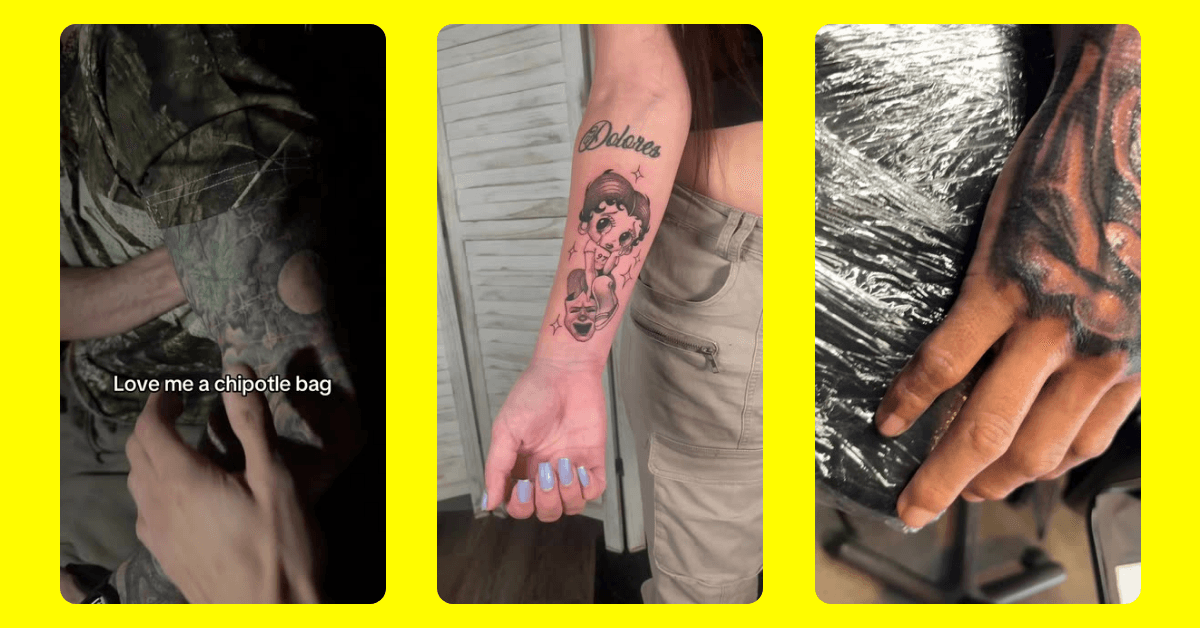
Geometric lotus mandala tattoos blend symmetry, resilience, and calm symbolism
The strongest lotus mandalas do more than look serene. Their symmetry, layering, and dotwork turn a spiritual symbol into a design that feels deliberate.

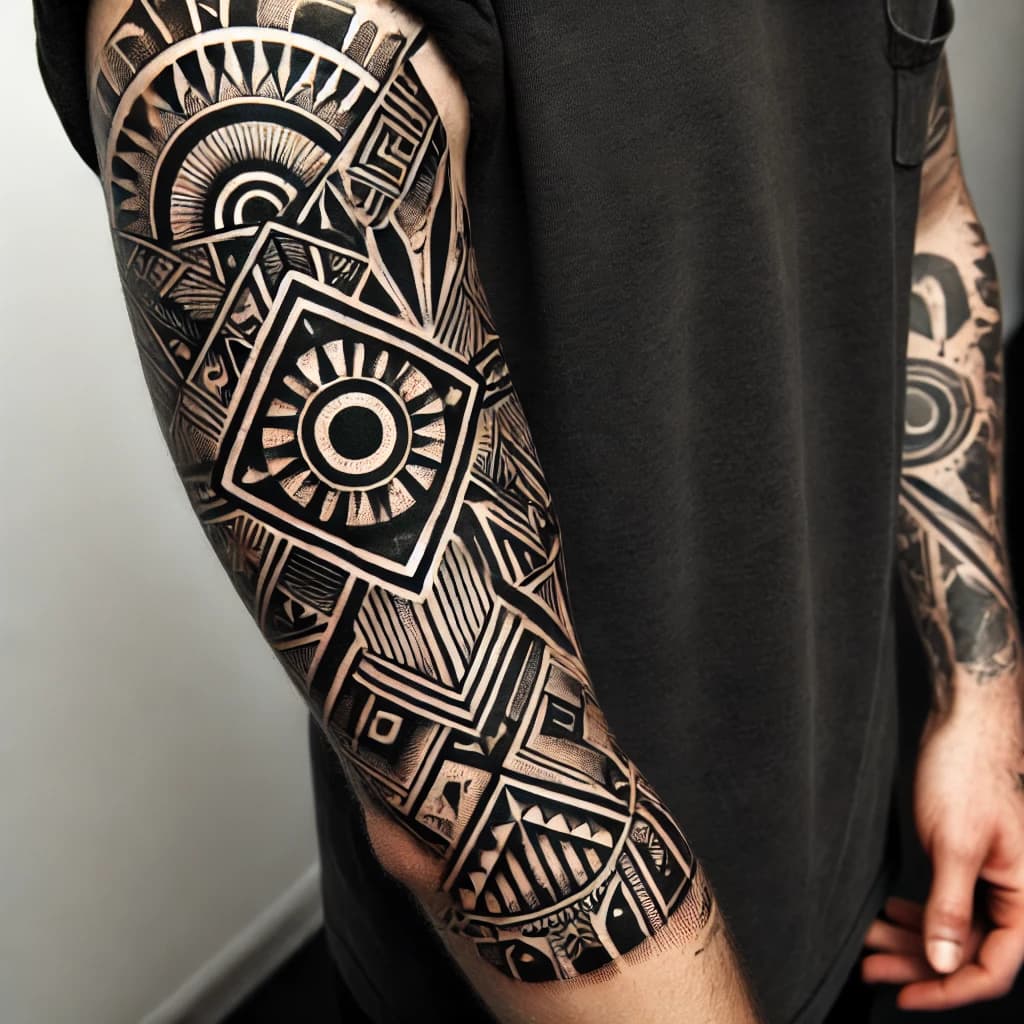
Layered petals, radial symmetry, and controlled dotwork make a lotus mandala read calm from across the room. The cleanest versions make resilience look structured instead of vague, which is exactly why this motif keeps showing up in geometric tattoo work. The best examples do not rely on the flower alone; they translate it into a system of balance, spacing, and line weight.
Read the lotus as structure, not just ornament
The lotus brings real symbolic weight before the needle ever touches skin. The sacred lotus grows in tropical and subtropical Asia; Britannica places it there, and in Hinduism and Buddhism it stands for spiritual enlightenment because it rises above muddy water. The Metropolitan Museum of Art traces an older layer to ancient Egypt, where the lotus was one of the most ubiquitous plants and symbols, tied to the rising sun and daily rebirth.
In geometric work, that symbolism gets sharpened by repetition and order. A lotus with evenly spaced petals and a controlled outer ring reads differently from a loose floral sketch, because the symmetry suggests discipline and steadiness. When the design also leans into vertical movement, like a spine piece, the flower stops feeling like a generic spiritual image.
What mandala geometry actually changes
In Hindu and Buddhist Tantrism, a mandala is a symbolic diagram used in sacred rites and meditation, a representation of the universe; Britannica defines it that way. A peer-reviewed study on mandala-based design traces mandalas to Buddhist traditions as a meditation aid and a form of sacred geometry tied to harmony, wholeness, and the self. In tattoo design, the mandala is not just the frame around the lotus; it is the structure that organizes the meaning.
Once you look at lotus mandalas through that lens, the design choices become more legible. Petal count changes the rhythm of the center, radial symmetry sets the pace of the whole piece, and dotwork density determines whether the tattoo feels airy or heavy. Layering matters too, because a design with stacked petals, geometric petals, and a measured halo of dots will feel deliberate beside a lotus inside a generic circle.
Anderson Gomez’s lotus mandala concept shows that difference clearly. The lead example combines layered petals with bold geometric shapes, then uses fine linework, dot details, and symmetry to keep the piece calm and balanced.
The versions that work are the ones with a point of view
The red-and-black lotus mandala leans hard into contrast, so the design feels more assertive and graphic. The ornamental version with dangling, jewelry-like details pushes the piece toward decorative precision, while the fine line lotus mandala running down the spine turns the same flower into something almost architectural.
A forearm version with soft shading and geometric accents shows another path: keep the composition refined without overloading it. That balance matters for anyone who wants a tattoo that feels spiritual or personal but does not tip into visual noise. In practice, the best lotus mandalas either sharpen the symbol through contrast and symmetry or soften it through spacing and restraint.
Tattoodo’s 2026 tattoo-ideas pages group mandala tattoos with lotus mandalas, dotwork mandalas, ornamental circle compositions, and floral mandalas. The placements attached to that language—sternum, spine, forearm, wrist, and back—can support radial structure, repeated petals, and centered composition.
Spot the difference between personal and copy-paste
The easiest way to read intent is to look for choices that match the wearer’s priorities instead of the internet’s default lotus aesthetic. If the artist uses a specific petal arrangement, a tighter inner core, or a denser outer dot field, the tattoo has a point of view. If every lotus element is present but none of it changes the flow of the design, it is generic spiritual imagery dressed up as geometry.
A lotus that rises through muddy water, the ancient Egyptian emblem of rebirth, and the mandala’s association with meditation and the universe all align naturally with symmetry and controlled layering.
Technique and safety are part of the design brief
The more intricate the lotus mandala, the more the execution matters. Guidance from the CDC and the National Institute for Occupational Safety and Health has long tied tattooing to workplace safety concerns, with NIOSH visiting studios in the 1990s and later guidance stressing sterile ink, sterile water, and hygienic practices. Fine line petals, dotwork fields, and clean mandala spacing all depend on a shop that can control contamination and keep lines crisp.
The CDC has also documented tattoo-associated nontuberculous mycobacterial skin infections linked to contaminated ink or nonsterile water dilution. A lotus mandala asks for accuracy in the stencil, the linework, and the healing process, and those demands only get stricter when the composition depends on tiny dots and exact symmetry.
This article was produced by Prism’s automated news system from verified source data, official records, and press releases, then run through automated quality and moderation checks before publishing. The system is built and supervised by the people who set the standards it runs under. Read our full AI policy.
Did this article answer your question?