Lincoln Artist Paul of Moth and Mandala Refines Geometric Black-and-Grey Tattoos
Paul’s latest spotlight shows why geometric tattoos live or die on precision, from black-and-grey structure to the needle setups that keep lines clean after healing.

Paul’s geometric work is built for people who want structure first
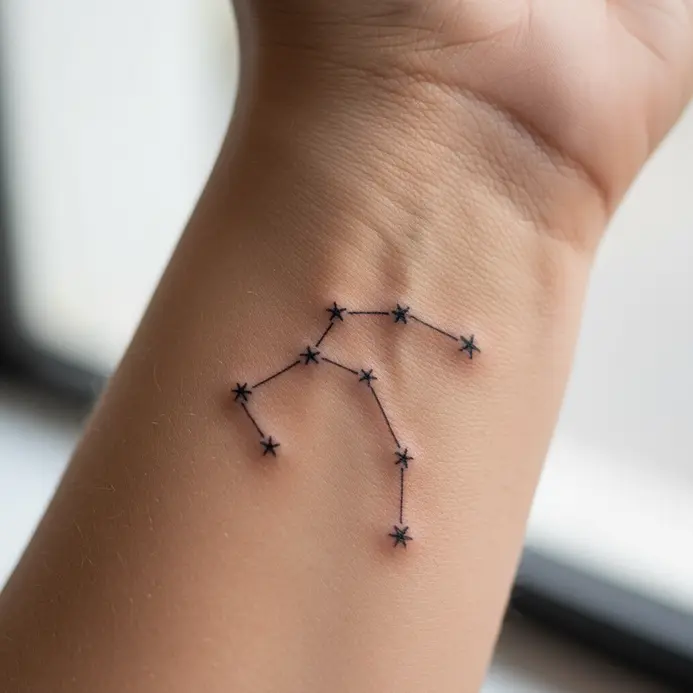
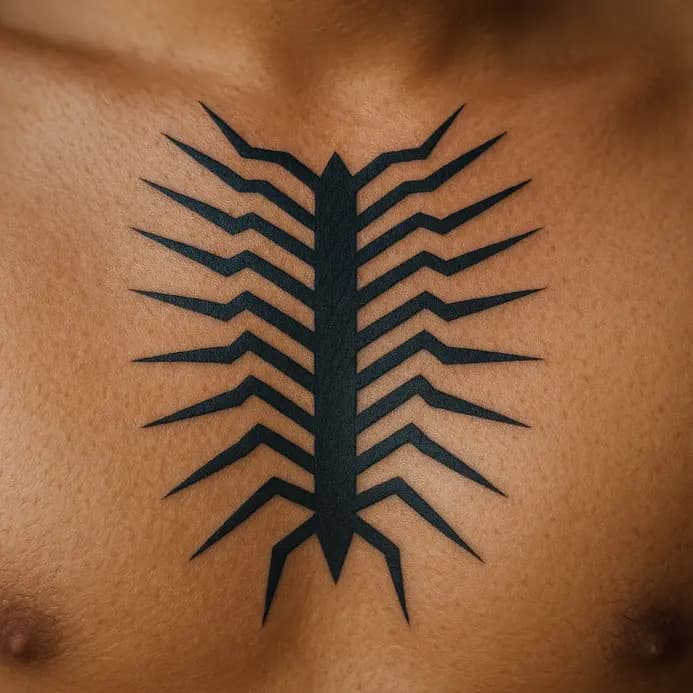
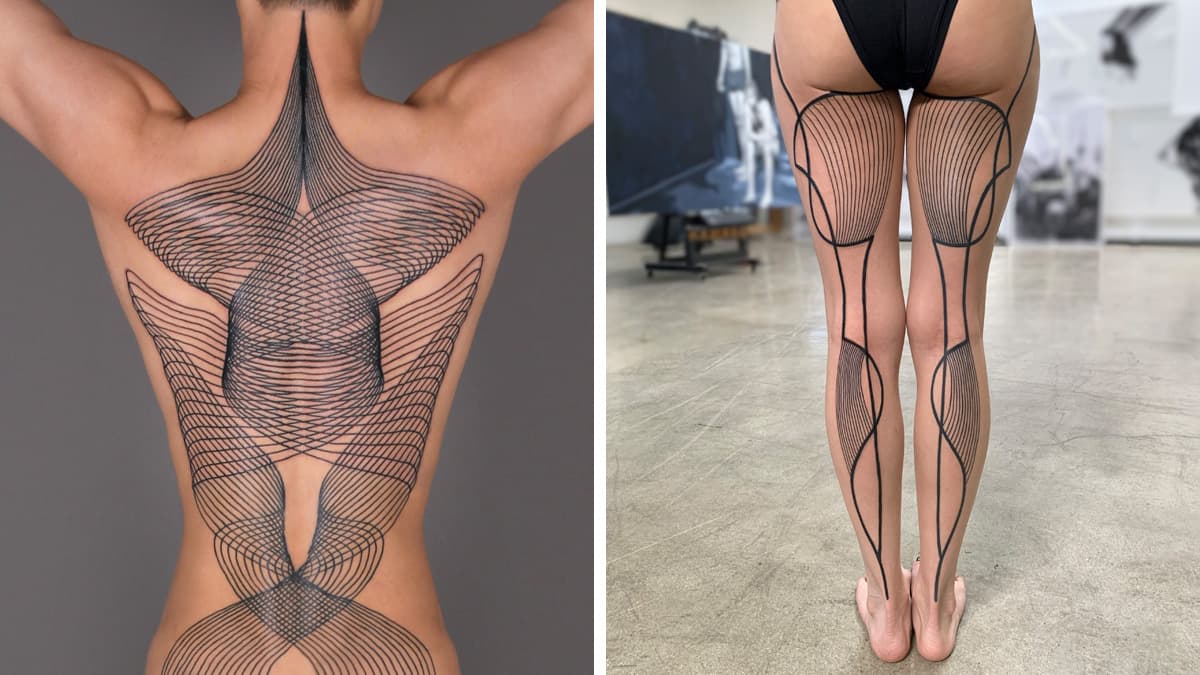
Paul of Moth&Mandala is being framed as the kind of geometric artist you book when you care more about control than flash. The Lincoln-based tattooer works in black-and-grey geometric tattoos with precision linework and disciplined dotwork, a combination that puts balance, symmetry, and clean healing ahead of color-heavy spectacle.
That matters because geometric tattooing leaves very little room for error. A small wobble in a line, a patch of uneven dot density, or a weak transition in shading can stand out long after the stencil is gone. Paul’s approach is the opposite of loose or decorative, and that is exactly why the spotlight lands as a practical guide for anyone trying to decide whether this style fits their skin, their placement, and their patience for exacting work.
Why the tool choices matter as much as the final image
The feature does not stop at finished tattoos. It shows Paul’s practice as a full system, from setup to skin, which is how strong geometric work usually gets built. He regularly works with 0805RL, 1005RL, and 1223RM needle configurations, and those choices line up with the needs of the style: sharp detailing, controlled dotwork shading, and smoother black-and-grey transitions.
That is the key difference between a geometric tattoo that reads crisp and one that starts to soften visually as it heals. Tight linework needs consistency. Dotwork needs disciplined spacing and density. Black-and-grey geometry needs transitions that feel intentional rather than muddy, especially in shapes where every edge and curve is exposed.
The spotlight also points to the supply side of the craft, with stencil and prep products chosen for precision and reliable healing. That is not just shop talk. In geometric tattooing, the process often shows through the final result, because a clean stencil placement and stable prep routine are part of how the design stays readable once it settles into skin.
How to tell whether Paul’s style fits your idea
If you are looking at geometric work, Paul’s approach makes the most sense when your goal is clarity over clutter. Pieces built around symmetry, consistent line weight, and technical control are the natural lane here. That includes clients drawn to structured forms, tight compositions, balanced negative space, and black-and-grey pieces that need to hold their shape over time.
This is also the right kind of artist profile to study if you are considering placements that expose every decision. Forearms, calves, upper arms, and other broad, relatively stable areas often give geometric work room to breathe. Smaller or highly mobile areas can still work, but they demand even more precision because the design has less room to absorb any inconsistency.
The real question is how much exactness you want in the tattoo itself. Geometric tattoos are unforgiving, and that is part of the appeal. If you want something that reads as deliberate, engineered, and visually balanced, Paul’s black-and-grey, dotwork-led style fits that brief. If you want softness, painterly drift, or a looser illustrative finish, this is probably not the lane.
The studio experience is part of the brand
Moth&Mandala describes itself as creating “an experience” built on trust from first contact to final photograph, which helps explain why the spotlight works as both an artist profile and a booking funnel. The studio says the relationship matters from the start, and that philosophy lines up neatly with geometric tattooing, where planning and communication are often just as important as the session itself.
That client-first framing also gives the work a local-business edge. Paul is tied to Lincoln, and the spotlight pushes readers toward his Instagram handle, @mothandmandalalincoln, as the clearest path into discovery and booking. In geometric tattooing, that kind of portfolio-first visibility is not a side note. It is often how collectors decide whether an artist’s composition, spacing, and line discipline match what they want on skin.
Why precision carries real-world stakes
There is also a wider health context that makes precision more than an aesthetic preference. The World Health Organization’s International Agency for Research on Cancer says surprisingly little is known about the long-term health effects of tattooing. It also notes that tattoo pigments can migrate to lymph nodes and potentially other organs, and that tattoo-associated viral infections from poor hygiene conditions are an established risk.
That is why the clean, controlled look of geometric tattooing should be matched by a serious approach to hygiene, ink handling, and healing. The U.S. Food and Drug Administration issued final guidance on tattoo inks in October 2024 to help prevent microbial contamination, following earlier safety alerts about contaminated inks. A study of FDA recall records found 15 voluntary tattoo-ink recalls in the United States from 2003 to 2021, affecting more than 200 tattoo inks from 13 manufacturers and one distributor. Fourteen of those recalls were tied to microbial contamination, and one involved an allergic reaction.
That statistic is the kind of detail geometric clients should pay attention to. Clean lines only matter if the materials supporting them are reliable. Precision on the machine, precision in the stencil, and precision in the ink all feed the same final result.
What Paul’s spotlight says about the current geometric market
The larger takeaway is that geometric tattooing is increasingly being sold, and judged, as a process-driven discipline. Paul’s spotlight does not just present finished art. It shows the needle setups, the technical mindset, the healing considerations, and the studio experience that sit behind the final image.
That is where the style is heading now: not toward louder color or bigger spectacle, but toward cleaner structure, stronger planning, and more transparent craft. For anyone looking at black-and-grey geometry, Paul’s work offers a straightforward test of fit. If you want precision linework, controlled dotwork, and a design that depends on balance from the first stencil to the healed piece, this is the kind of specialist worth booking now.
This article was produced by Prism’s automated news system from verified source data, official records, and press releases, then run through automated quality and moderation checks before publishing. The system is built and supervised by the people who set the standards it runs under. Read our full AI policy.
Know something we missed? Have a correction or additional information?
Submit a Tip