San Diego Artist Kiti Vailea Revives Tongan Tatau as Cultural Bridge
Kiti Vailea’s work shows why tatau is not a trend piece, but a living system of lineage, placement, and meaning that geometric tattoo fans should study with care.
The first thing geometric tattoo lovers should understand
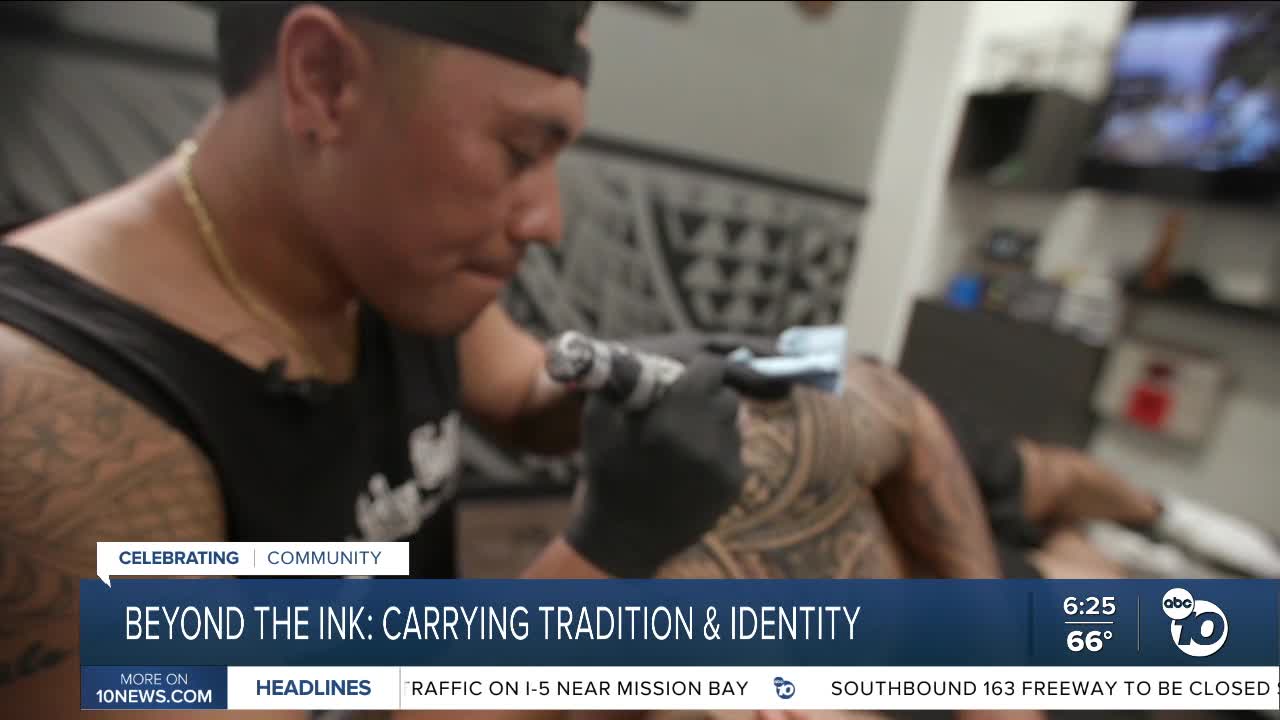
The clean symmetry you chase in geometric work means something different when it grows out of tatau. Inside Friendly Island Tattoo in San Diego, Kiti Vailea is using the skin as a cultural bridge, not a blank canvas, and that distinction is the whole story. His Tongan tattooing is built on identity, ancestry, family history, and pride, which is exactly why it cannot be flattened into décor.
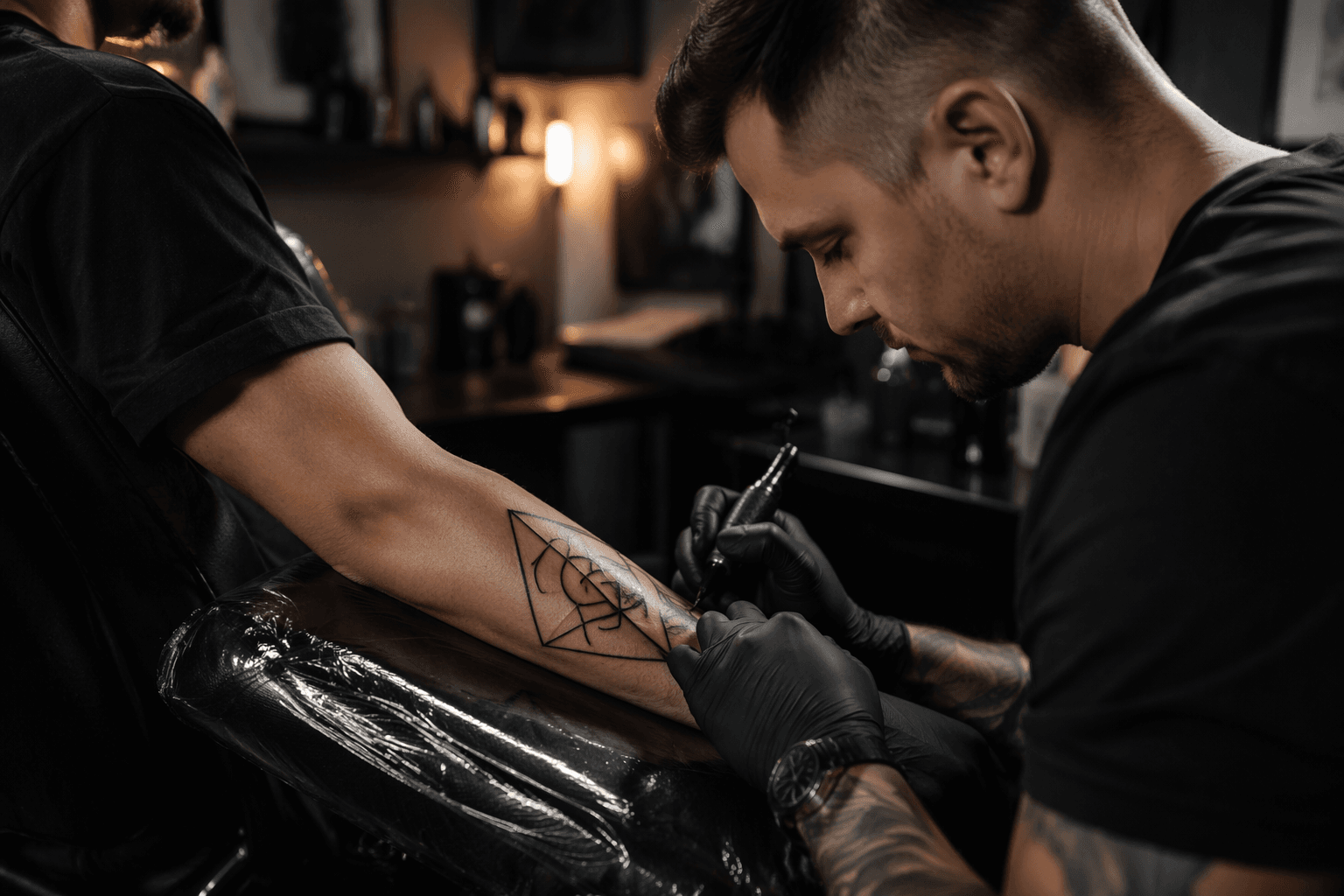
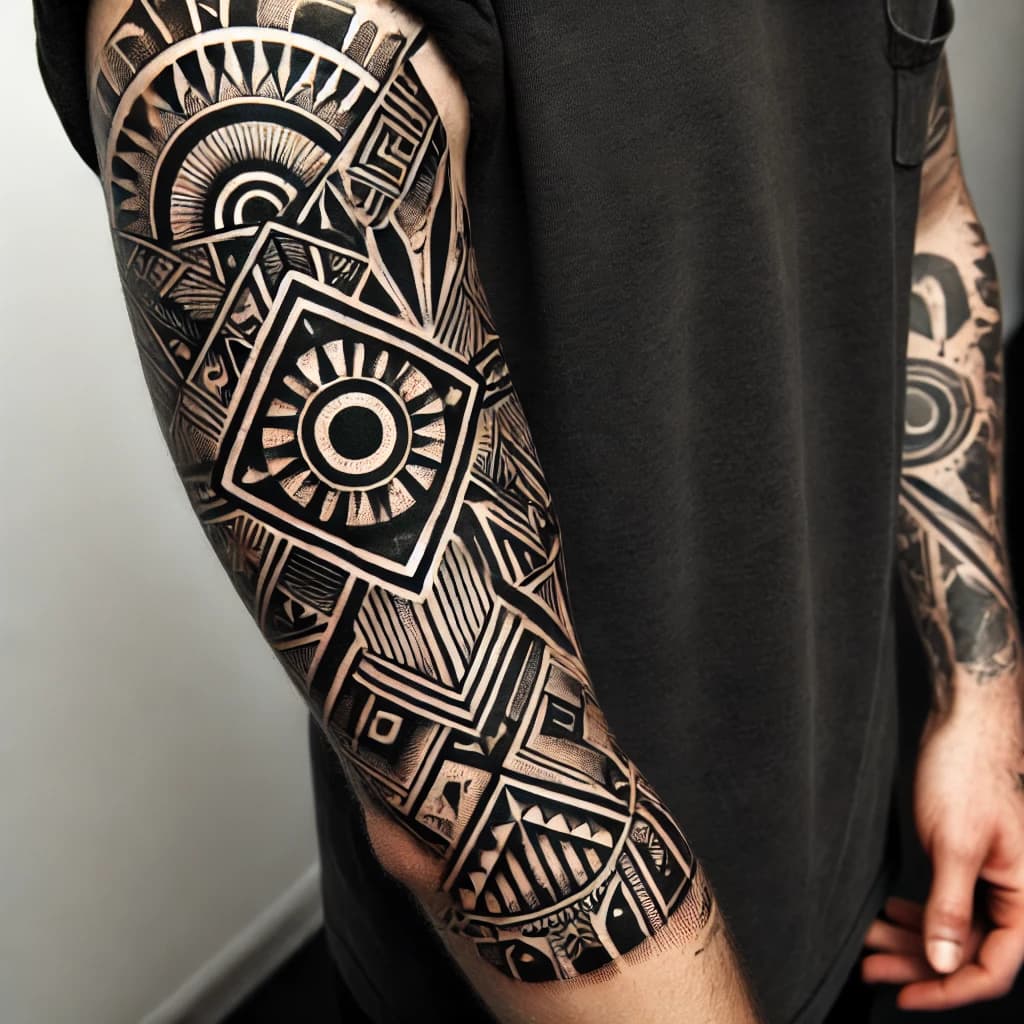
For readers who love structure, this is the useful lesson: a strong design is not just balanced on paper, it has to make sense on a body, inside a lineage, and within a community. That is where Tongan tatau overlaps with geometric tattooing, and where it sharply diverges from hobbyist aesthetics.
Why tatau matters beyond the pattern
Tatau has roots that stretch back more than 2,000 years across Polynesia, where it traditionally marked strength, achievement, and rites of passage. Te Papa says the revival of customary Tongan tātatau has grown from within the diaspora since the late 1990s, while its broader collections note that tattooing across east Polynesia started coming back in force from the 1980s after a period of decline. That matters because the revival is not a style cycle, it is a cultural return.
The same museum sources also make the identity function plain. In migrant Samoan communities overseas, tatau can act as an identity marker and a link to a heritage that can feel distant when you are far from home. UNESCO’s case-study material says the general public in Samoa and in migrant communities abroad claim tatau as part of their cultural identity. For geometric tattoo readers, that is the real pivot point: the linework may be visually precise, but the meaning is social, familial, and inherited.
What Kiti Vailea brings to the work
Vailea was born and raised in Tonga, on Vava'u, and moved to the United States about a decade ago in search of opportunity. That move was not easy. He has described struggling to find work, feeling homesick, and being insecure about his English, which makes his tattoo career feel less like an art pivot and more like a recovery of direction.
Tattooing eventually became the path that reconnected him to culture and purpose. He has been tattooing professionally for six years, and the work has taken off enough that clients now travel to him from across the country and even from around the world. Friendly Island Tattoo says its private studio opened in San Diego in June 2024, and Vailea’s role there is bigger than running appointments. He is helping preserve a tradition that has connected Polynesian families for generations.
What geometric tattoo readers can learn from his approach
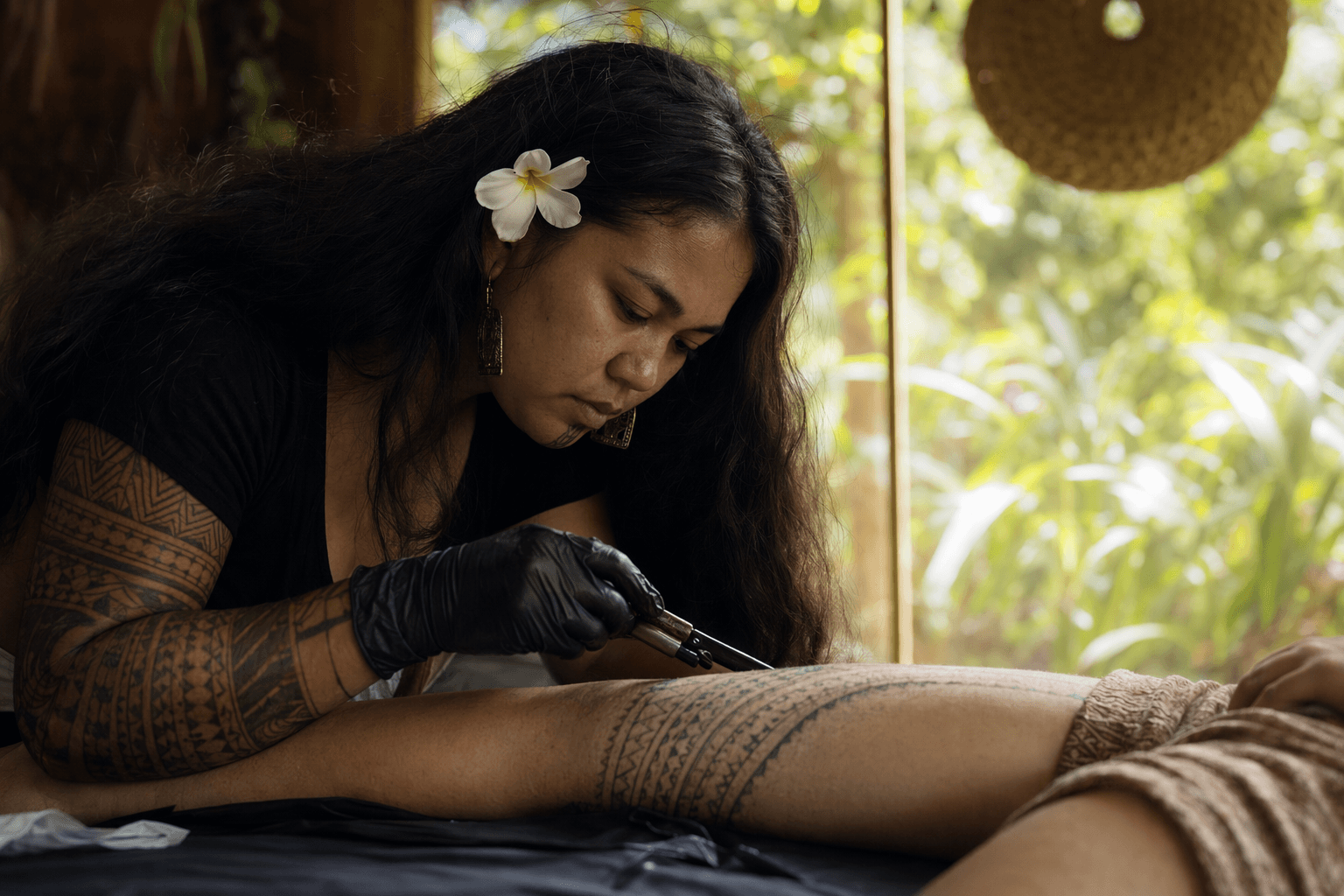
Vailea says every piece has to be customized to the person wearing it, because each story is different and the tattoo should remind the wearer where they come from. That principle should hit home for anyone who cares about geometric design. Repetition, symmetry, and pattern only work when they are carrying something real, whether that is ancestry, placement, or a deeply personal narrative.
The traditional side of tatau underlines that point. Te Papa and Auckland War Memorial Museum describe customary tatau as sacred, with forms such as the Samoan pe'a and malu understood as rites of passage and identity markers. Museum material on Samoan tattooing also notes that specialists known as tufuga have long been associated with two main extended families in Samoa. In other words, the work is not just about drawing a shape. It is about the person qualified to make it, the community that recognizes it, and the meaning the wearer brings to it.
There is also a technical lesson here that geometric fans should not miss. Traditional tatau was built with highly specialized tools, including comb-like instruments and wooden mallets. That kind of method produces a different relationship to the body than a digital stencil ever will, because the design has to move with curved skin, anatomy, and lived identity instead of just looking tidy on a flat page.
The boundary between respect and trend-chasing
If you care about geometric and ornamental tattoos, this is the line you cannot step over: do not strip sacred Pacific forms down to their visual ingredients and call that appreciation. The symmetry is compelling, but the structure is inseparable from lineage, ritual, and responsibility. Tongan tātatau may even trace part of its history to Fiji, according to an old Fijian story noted by Te Papa, which is another reminder that these traditions have long moved through islands, families, and migrations rather than sitting frozen in place.
That living quality is exactly why the debate around authenticity keeps surfacing. Pacific media reported controversy in December 2024 over a so-called Tongan malu, a flashpoint that showed how emotionally and politically charged questions of ownership still are. Smithsonian material on Sean Mallon and Sébastien Galliot’s work says Samoan tatau has been shaped by local and external forces over many centuries, which is the right frame here: living traditions absorb change, but they do not become public property just because they are visually attractive.
Vailea’s work in San Diego lands in that difficult but necessary space. He is not presenting tatau as a trend to borrow from, but as a heritage practice that survives through careful customization, cultural respect, and direct community connection. For geometric tattoo readers, that is the standard worth keeping: make the design coherent, make the placement intentional, and never mistake sacred patterning for free visual inventory.
This article was produced by Prism’s automated news system from verified source data, official records, and press releases, then run through automated quality and moderation checks before publishing. The system is built and supervised by the people who set the standards it runs under. Read our full AI policy.
Did this article answer your question?