Style-Specific Tattoo Aftercare Protects Geometry, Blackwork, and Bold Contrast
Dense black, crisp symmetry, and clean negative space all heal differently. The wrong aftercare can blur a geometric piece fast, but style-matched care keeps it sharp.
The first healing mistake is usually the most visible
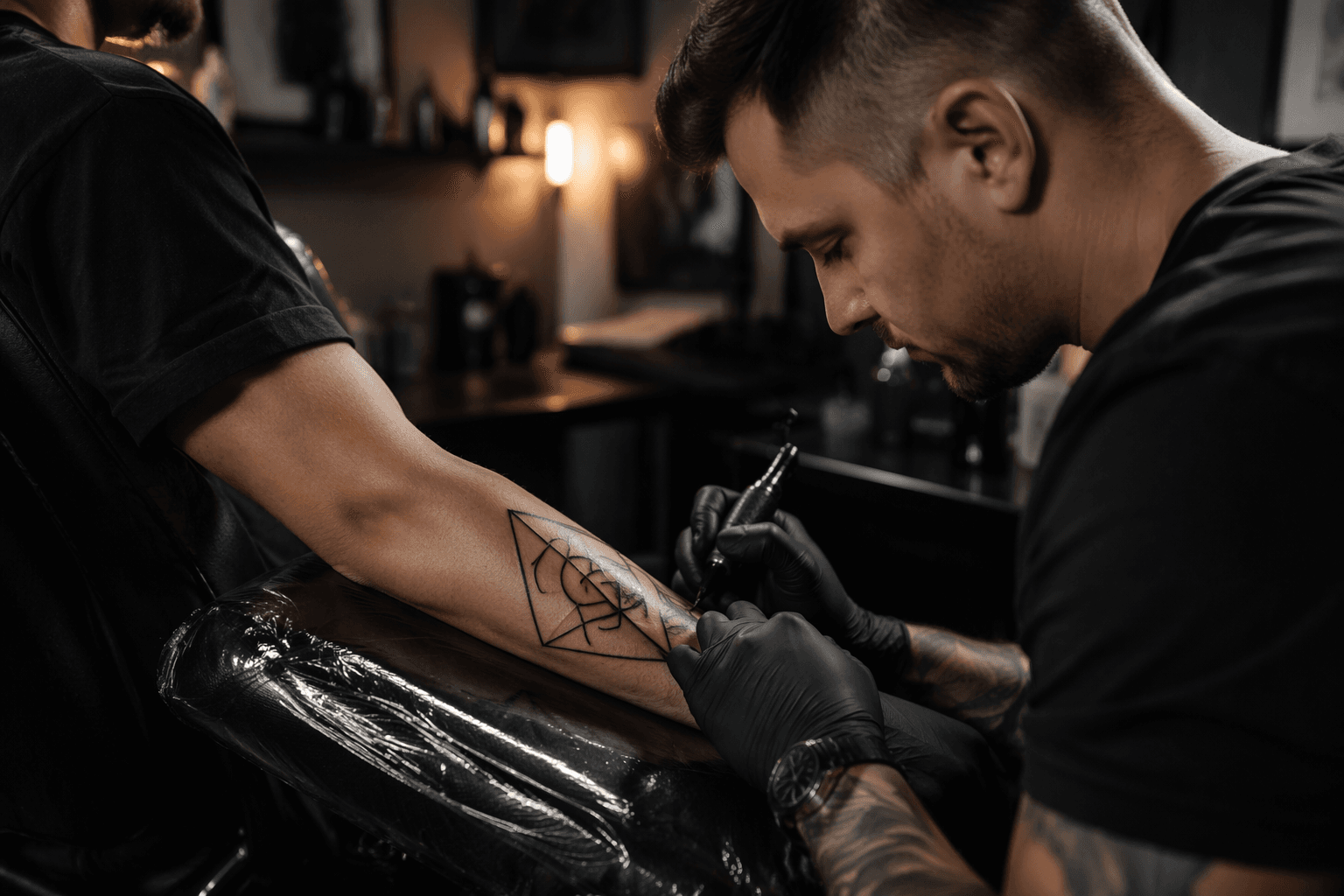
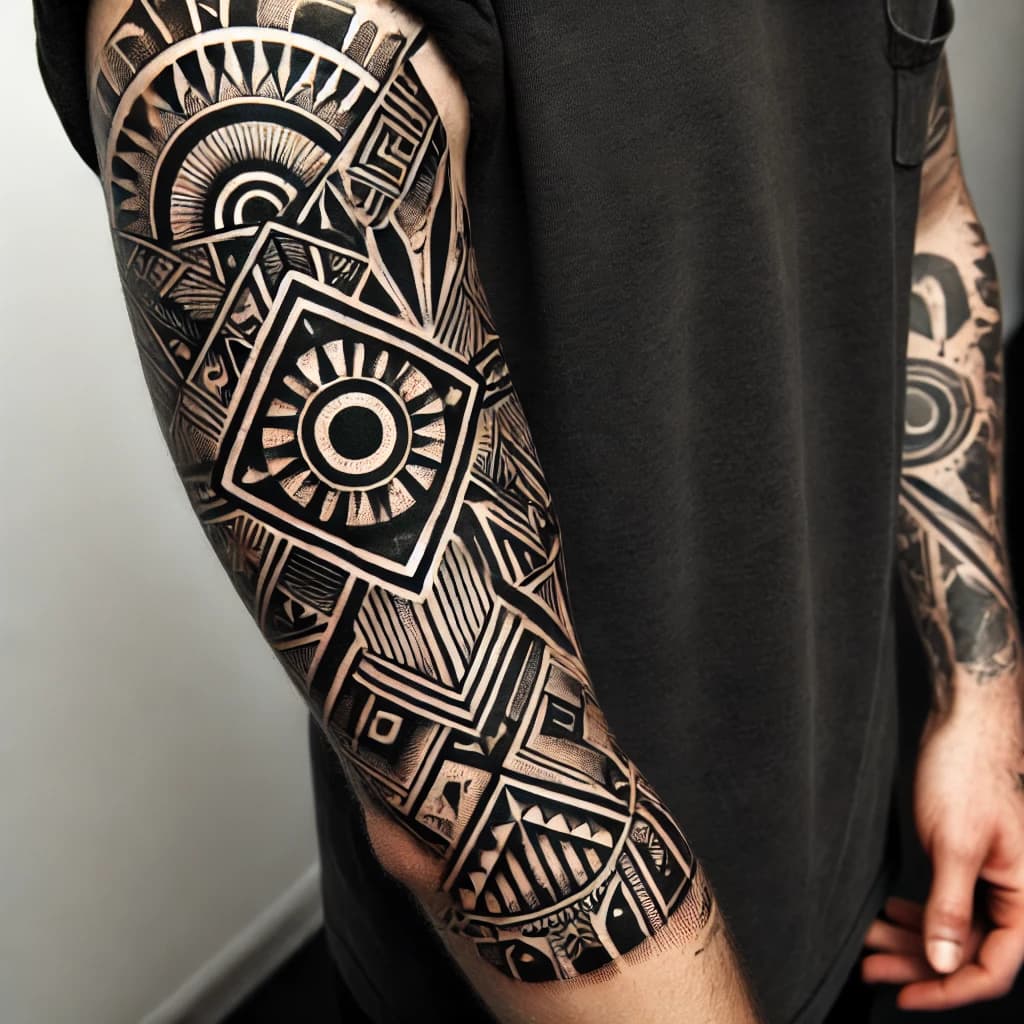
A geometric tattoo does not forgive sloppy healing the way some looser styles can. If a scab lifts pigment from a repeating pattern, or if a heavy black section heals patchy, the imbalance shows immediately because symmetry, spacing, and contrast are the whole point. That is why aftercare matters so much for mandalas, pattern work, and blackwork-geometric hybrids: the design can lose its logic before it has even finished settling into skin.
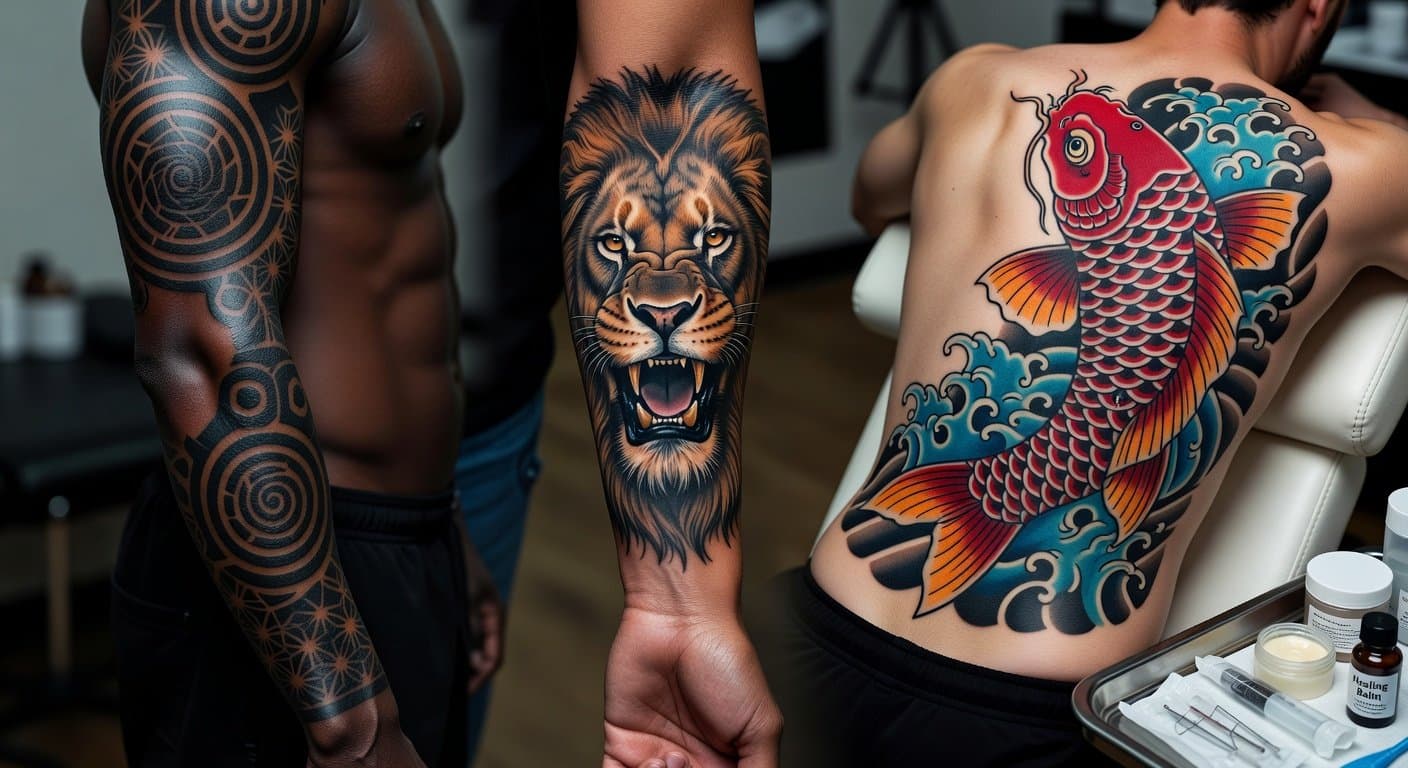
The strongest lesson from the current aftercare conversation is simple. Dense fill, heavy contrast, and color saturation each heal differently, and the advice that works for one style does not always translate cleanly to another. Blackwork needs protection that keeps solids saturated and lines legible. Realism needs restraint that limits trauma and color loss. Irezumi, with its larger compositions and strong body flow, needs a longer view that respects scale, healing time, and the way the whole composition reads across the body.
Why style-specific aftercare changes the outcome
Tattooing has moved into a more advanced phase of materials and technique, and the care plan has to keep pace with that. Inked Mythos frames aftercare as part of the tattoo’s visual architecture, not just a cleanup routine after the session. That fits geometric work especially well, because the design depends on crisp relationships: line to line, black to skin, shape to shape.
Blackwork sits close to geometric and dotwork because of its tribal roots and modern use of dense contrast. That means the same healing problems tend to repeat across both styles. If you overwork the skin, over-moisturize it, or let it dry out and crack, you risk muddy edges, lifted pigment, and a softer silhouette than the stencil promised. In realism, the issue is less about symmetry and more about preserving smooth tonal transitions. In irezumi, the priority is keeping bold shading readable over a larger field of skin where flow and spacing matter just as much as the individual elements.
The first 48 hours set the tone
Right after the session, your job is to protect the skin without smothering it. Dermatology guidance from the American Academy of Dermatology is straightforward: wash tattooed skin gently with soap and water, moisturize it, and keep it out of the sun. That basic routine matters more than elaborate product stacks or trendy fixes.
The East Kent Hospitals NHS guidance on micro-pigmentation adds an important reality check: the tattoo can look alarmingly dark at first, and the trauma to the area will be visible. That is normal. What is not normal is trying to force the healing process by rubbing, scrubbing, or packing on too much ointment. For geometric work, that urge can do real damage because every disturbed edge can interrupt the structure of the design.
A simple early routine works best:
- Clean gently with mild soap and water.
- Pat dry, do not rub.
- Apply a thin layer of moisturizer, not a heavy coat.
- Keep the area out of direct sun.
- Let the skin settle before you judge the final look.
Heal, peel, and fade are separate phases
NHS aftercare leaflets describe healing as a sequence: heal, peel, and fade. That sequence is useful for anyone with geometric work because it explains why a tattoo can look uneven before it looks finished. The peel stage is where impatience causes the most problems. If you pick, peel, or pull crusts, you can cause pigment loss and uneven results, which is exactly the kind of damage that makes a symmetry-heavy tattoo look off-center or unfinished.

The same NHS guidance also warns against soaking, gym activity, saunas, pools, and direct jet showers during early healing. Those restrictions are not just about cleanliness. They also reduce the chances of over-softening the skin, stretching fresh work, or washing pigment out before it settles. For black-heavy geometry, where solid fills and sharp gaps are the language of the piece, that kind of early disruption can leave a permanent visual trace.
What to borrow from blackwork, realism, and irezumi
The best aftercare for a geometric tattoo is borrowed selectively, not wholesale. Blackwork teaches you to protect saturation and keep lines legible. That means thin moisturizer, minimal friction, and a strict approach to sun protection once the area has healed. Realism teaches patience, because overhandling the skin can flatten detail and blur tonal transitions. Irezumi teaches scale awareness, since large compositions need time and space to heal as a unit rather than as isolated panels.
Smithsonian Magazine’s historical context makes the geometric connection even clearer. Some of the earliest known tattoos on the Iceman, around 5,200 years old, were simple dot and cross patterns, and Polynesian tattoo traditions developed over millennia with elaborate geometric designs. The point is not novelty. Geometry has always relied on clarity, repetition, and body placement, which is exactly why healing habits matter so much when you wear that language on skin.
Watch for reactions that do not fit the design
The American Academy of Dermatology warns that tattooed skin can react in unexpected ways even when the artist is licensed and aftercare is followed. Mayo Clinic adds that tattooing breaks the skin and can lead to allergic reactions, infections, granulomas, and keloids, and some allergic reactions can appear years later. That means good aftercare protects more than the look of the tattoo. It also helps you notice when a healing problem is medical, not cosmetic.
The AAD also notes that tattoos can make skin cancer harder to detect. That matters long after the peeling stops, especially if your piece uses dense black fields or layered shading that can mask subtle changes in the skin. In other words, aftercare does not end when the tattoo looks finished. It continues in the habits you build around the healed work.
Products and habits that keep geometry clean
You do not need a complicated kit. You need consistency. A gentle soap, a light moisturizer, and sun protection once the tattoo has fully healed will usually do more for geometric precision than any aggressive repair product. Some NHS leaflets recommend SPF 50 after healing to help reduce fading, and that advice lines up neatly with the needs of blackwork and bold contrast, which are both vulnerable to sun damage over time.
The long-term goal is to keep the tattoo readable. That means avoiding repeated friction from tight clothing, treating healed skin like part of the composition, and understanding that maintenance is part of the design. If the tattoo depends on crisp negative space, every preventable fade matters. If the tattoo depends on deep black solids, every careless soak, scratch, and sunburn works against the original structure.
Style-specific aftercare is not extra caution. It is how you preserve the visual logic of the tattoo you actually wanted. For geometry, blackwork, realism, and irezumi, healing is not a finishing step, it is part of the artwork’s final form.
This article was produced by Prism’s automated news system from verified source data, official records, and press releases, then run through automated quality and moderation checks before publishing. The system is built and supervised by the people who set the standards it runs under. Read our full AI policy.
Did this article answer your question?