Practical sacred geometry tattoo guide for women emphasizes placement and longevity
Placement decides whether sacred geometry stays crisp or turns muddy, and the best consults now treat the skin as a moving surface.
The real stakes before you book
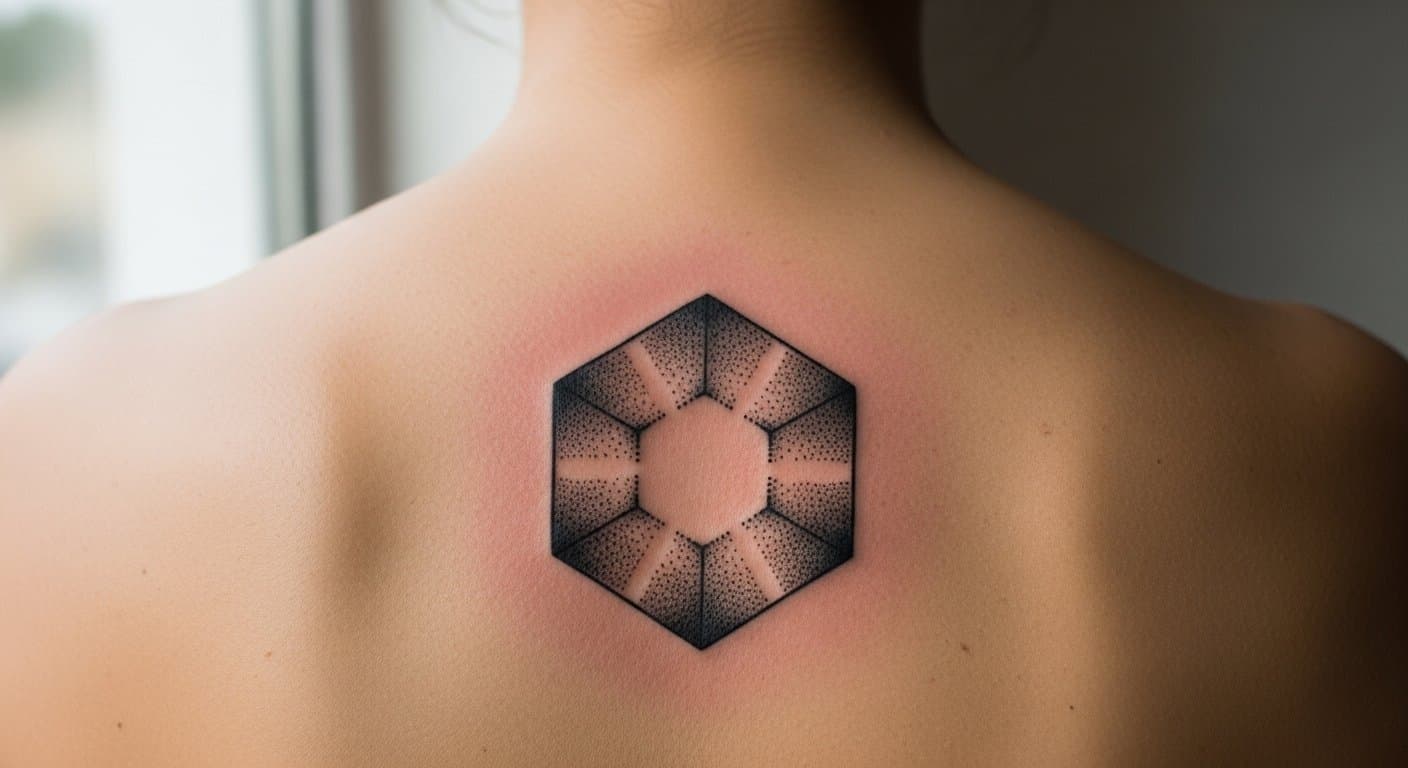
A sacred geometry tattoo can look razor-sharp on paper and still lose its edge on skin if the placement, spacing, and line weight are wrong. Tattoo Engineer’s consult-ready guide gets that balance right, treating each design like something that has to survive movement, healing, and years of softening, not just a first-day reveal.
That approach matters because the audience for tattoos is wider than ever. Pew Research Center found that 32% of U.S. adults have at least one tattoo, 22% have more than one, and 38% of women report having a tattoo, compared with 27% of men. Pew also found that 72% of adults say society has become more accepting of tattoos in recent decades, which helps explain why readers now care so much about whether a piece stays readable after the skin settles.
Why placement changes the whole design
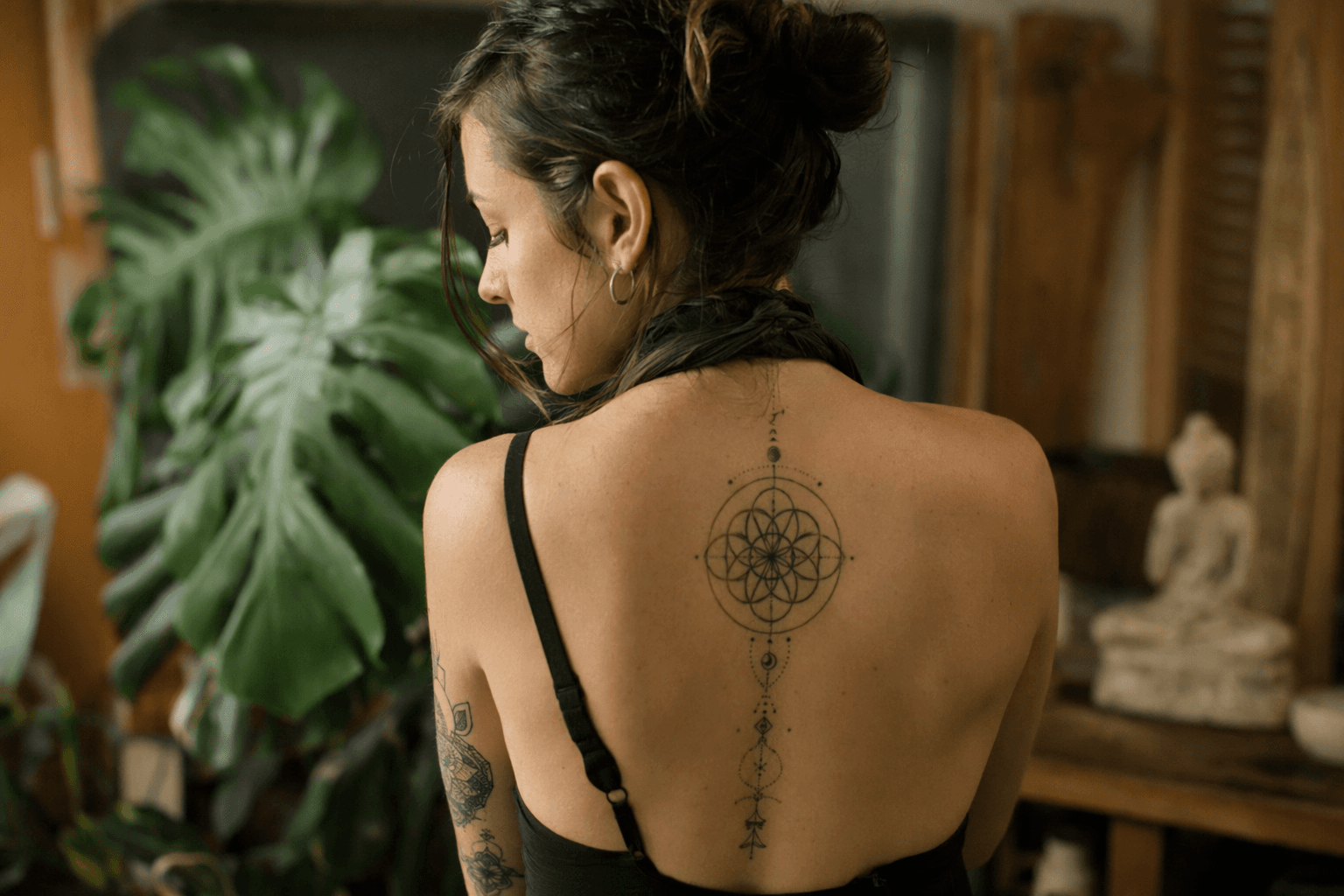
The strongest through line in the guide is simple: sacred geometry has to work on curved, moving skin, not just on a flat sketch. That is why the outer forearm Flower of Life mandala is described with slightly heavier linework than a fine-line mandala, spaced dots, and a 1.5 mm line weight, so the pattern can keep its clarity at six months, two years, and beyond.
That same logic is why the guide warns against asking for everything hairline thin. On active forearms, ultra-delicate lines tend to blur faster, especially when the design depends on repeated circles and tight symmetry. The piece also notes that a medium tattoo like this often takes about 90 to 120 minutes, which makes it a useful reference point if you want a clean result without turning the appointment into an all-day sit.
The Metatron’s Cube example on the chest or sternum pushes the idea even further. The sternum is a raw, bony area, and the guide notes that artists disagree on whether to keep every tiny connector line or simplify them for longevity, which is exactly the kind of choice you want to settle before the stencil goes down. In this placement, strong primary lines with lighter secondary lines can improve durability, and the tattoo may need two to three short sessions rather than one long pass.
How movement changes readability over time
The Sri Yantra thigh design shows why a beautiful diagram can fail if it is forced onto the wrong surface. The guide recommends references that curve with the muscle and measured spacing so the triangles can breathe as the leg moves, instead of flattening the entire composition into a rigid grid that fights the body. That is a big deal for sacred geometry, where balance and spacing are part of the meaning as much as the image itself.
The Seed of Life wrist cluster makes the timing issue even clearer. High-movement areas fade earlier, so the guide suggests bolder dots or a six-month touch-up if you want the pattern to stay legible. That is useful because wrists, hands, and arms are exposed to more friction and motion than a stiller canvas, which means the same motif can age very differently depending on where you put it.
Why longevity should shape the consultation
The medical reality backs up the design advice. The U.S. Food and Drug Administration says tattoos are permanent marks made by inserting colored ink into the skin with needles, and that they are difficult to remove. It also warns about risks that can include infection and allergic reactions, which makes durability and aftercare part of the same conversation, not separate ones.
Healing time depends on size and placement too. Cleveland Clinic says smaller tattoos on hands, wrists, or arms may flake or itch but will likely heal faster than larger chest or back pieces, while larger tattoos can take a few months to fully heal. That matters for sacred geometry because the first few months are when fine spacing, line sharpness, and edge clarity are still settling.
A PubMed-indexed analysis of 700 American tattoo aftercare instructions shows why a consult-ready design brief is so valuable. The instructions varied tremendously, and only 49.9% told people when to contact the tattooist while 19.4% told them when to contact a physician if complications arise. If aftercare guidance can be that inconsistent, the design itself needs to be planned with extra care from the start.
The symbolism still carries weight, but engineering comes first
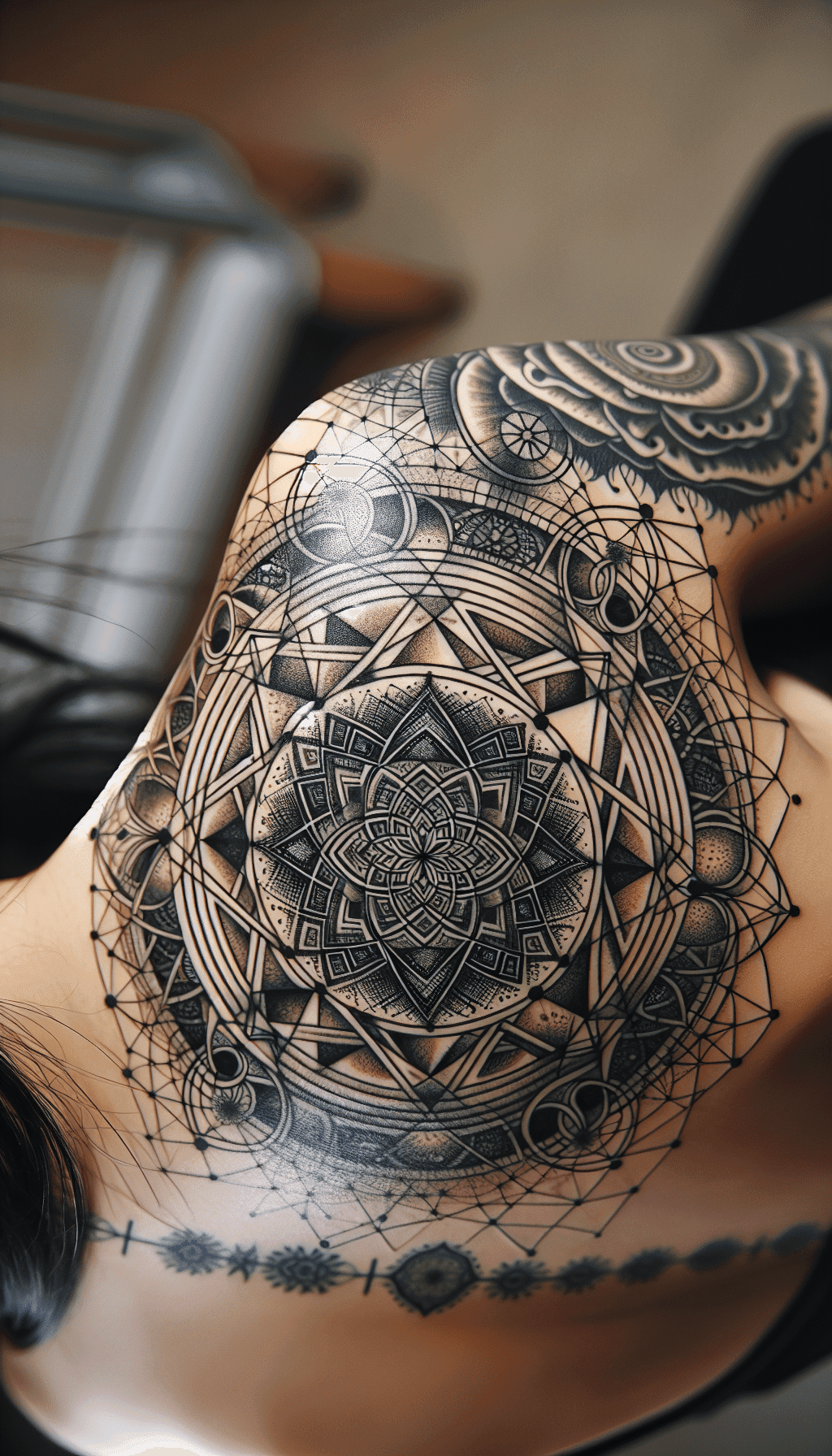
The guide does not treat sacred geometry as decoration alone. It links the Flower of Life to related forms such as Metatron’s Cube, which is commonly described as a network of 13 circles connected by lines through their centers. That structure helps explain why the pattern reads so well when it is balanced, and why it can fall apart visually when the spacing gets too tight or the lines are too fragile.
There is also real historical depth behind the aesthetic. Smithsonian Magazine has reported that ancient Egyptian mummies such as the Gebelein mummies carry some of the oldest known tattoos, including geometric and abstract designs, and broader tattoo history shows the practice has been tied to religious faith, protection, status, and more for thousands of years. That makes today’s sacred geometry choices feel less like a trend and more like a modern continuation of a very old visual language.
What to bring to your artist
The most useful part of this kind of guide is the way it turns a symbol into a working brief. You want to walk in knowing the placement, the acceptable line weight, how much simplification you can tolerate, and whether the design needs to curve with muscle or avoid heavy movement zones. If you are choosing between delicate detail and long-term readability, the guide makes the answer plain: the better tattoo is the one that still makes sense after the skin softens.
That is the real shift in sacred geometry right now. Meaning still matters, but so do spacing, line weight, and where the body bends, because the most successful design is the one that keeps its geometry long after the first appointment is over.
This article was produced by Prism’s automated news system from verified source data, official records, and press releases, then run through automated quality and moderation checks before publishing. The system is built and supervised by the people who set the standards it runs under. Read our full AI policy.
Know something we missed? Have a correction or additional information?
Submit a Tip