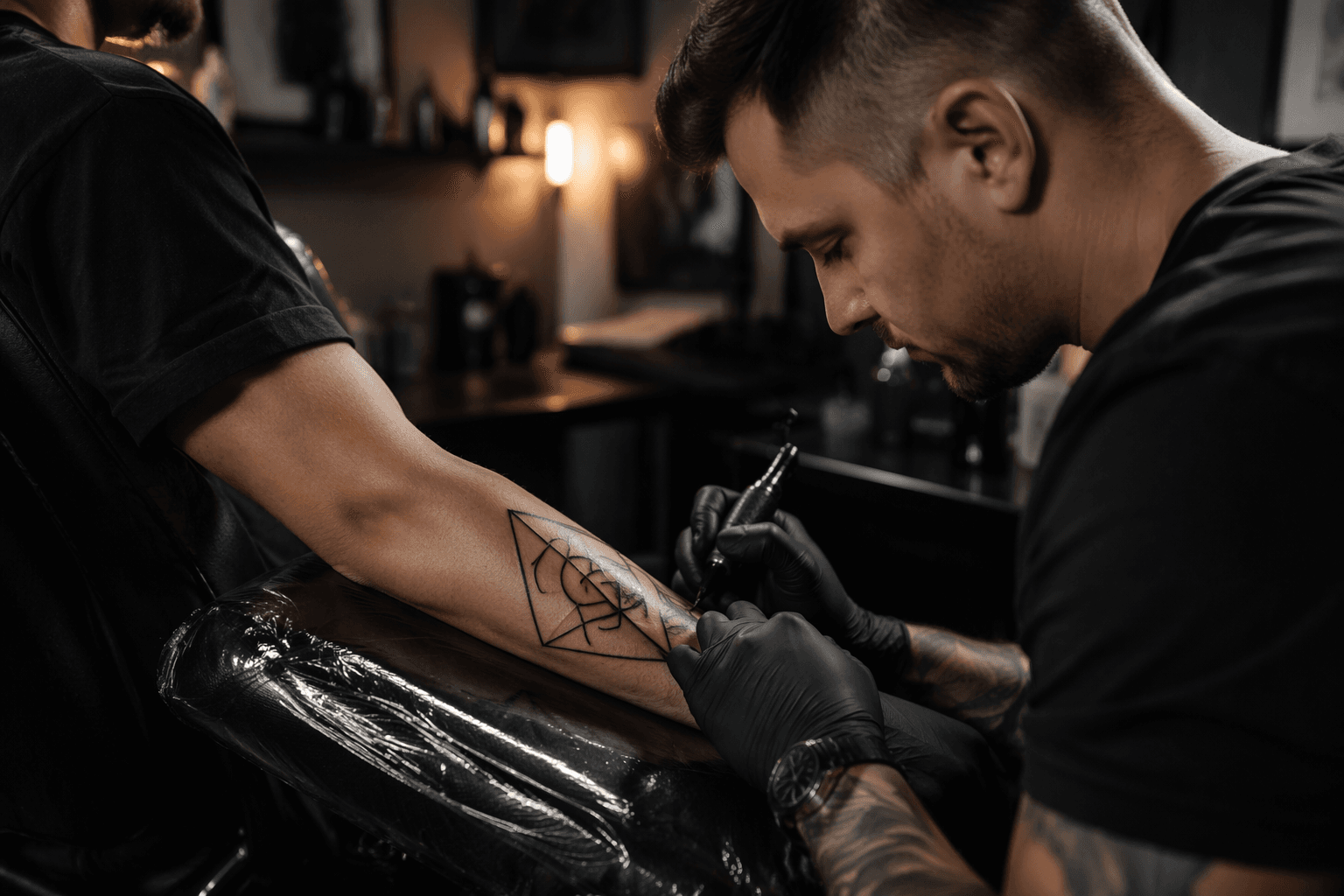
Mandala tattoos blend sacred geometry, balance, and modern tattoo styles
Mandala tattoos work best when the geometry fits the body first. The smartest designs keep line weights, negative space, and scale in step with how skin moves and ages.

The first thing to get right with a mandala is not the symbolism, it is the structure
A mandala tattoo lives or dies on how clean the geometry holds up over time. The word itself comes from Sanskrit and means circle, but the real language here is bigger than a round shape: circles, triangles, petals, and sacred geometry stacked into one symmetrical system that is supposed to feel balanced, calm, and intentional. When a mandala is drawn well, it does more than look decorative. It reads like a map of order on skin.
That is why mandalas sit so comfortably inside geometric tattooing. They can carry spiritual weight, but they also have hard design rules: symmetry has to be controlled, spacing has to stay legible, and the pattern has to sit naturally on the body instead of fighting it. If those pieces are off, the tattoo can look busy fast. If they are right, it keeps its shape for years.
Why people keep choosing mandalas
The appeal is not mysterious. Mandalas are tied to harmony, balance, the journey toward inner peace, and a general sense of mindfulness. The design language also connects to transformation, protection, and unity, which gives the motif enough depth to mean something personal without needing to shout. In Buddhist and Hindu traditions, mandalas are used in meditation and ritual as depictions of the cosmos and sacred spaces, which explains why the symbol still feels so loaded even when it is rendered in a clean blackwork style.
That spiritual history matters, but it is not the only reason the style has staying power. Mandalas have survived changing tattoo trends because they can be made to look timeless rather than trendy. A well-built mandala does not depend on a gimmick. It depends on proportion, rhythm, and restraint, which is exactly why the style keeps showing up in everything from large back pieces to tiny fine-line ornaments.
The modern mandala is not one look
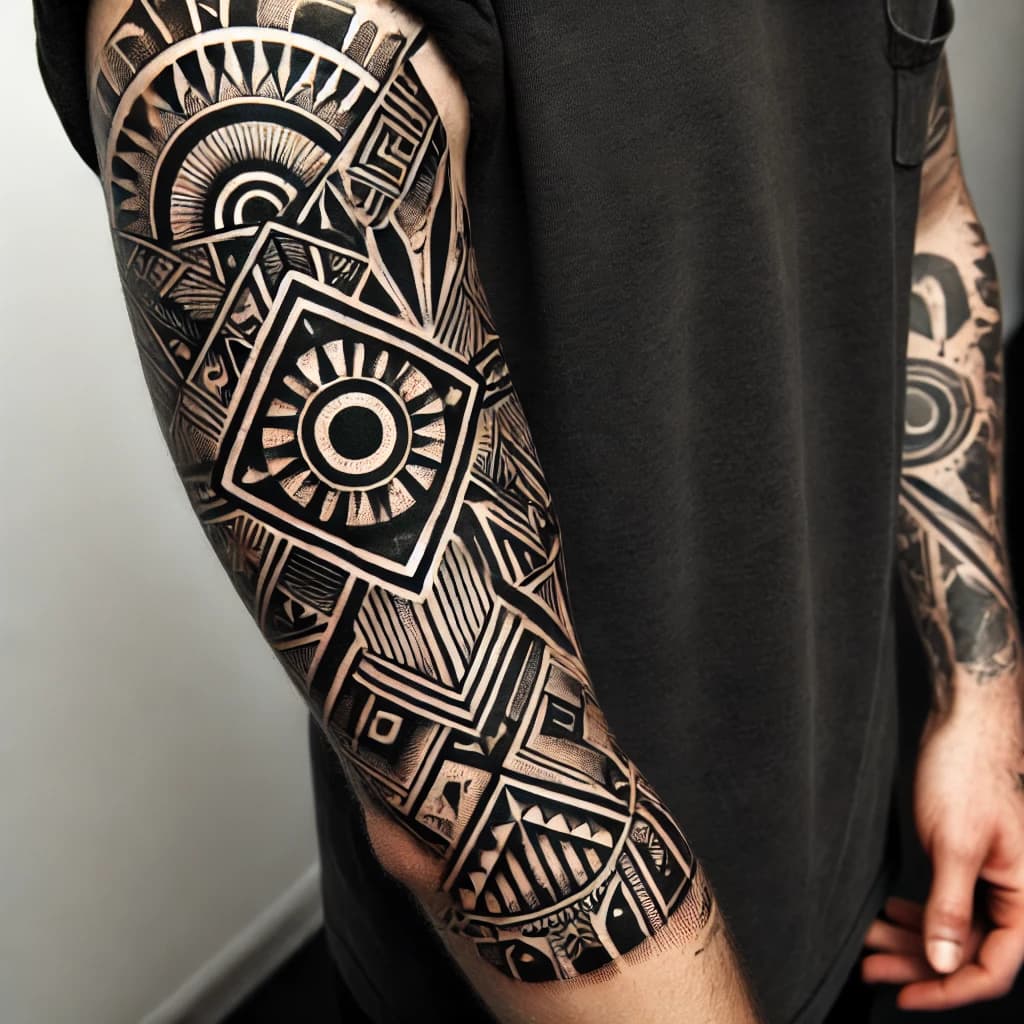
One of the best things about the style is how flexible it is. A mandala can go hard in blackwork, stay delicate in linework, break into dotwork shading, lean ornate, or even use color without losing its core structure. There are minimal fine-line versions too, and that range matters because it proves the design is not locked into one visual register. It can be spiritual, minimalist, decorative, or dramatic depending on how the artist handles the geometry.
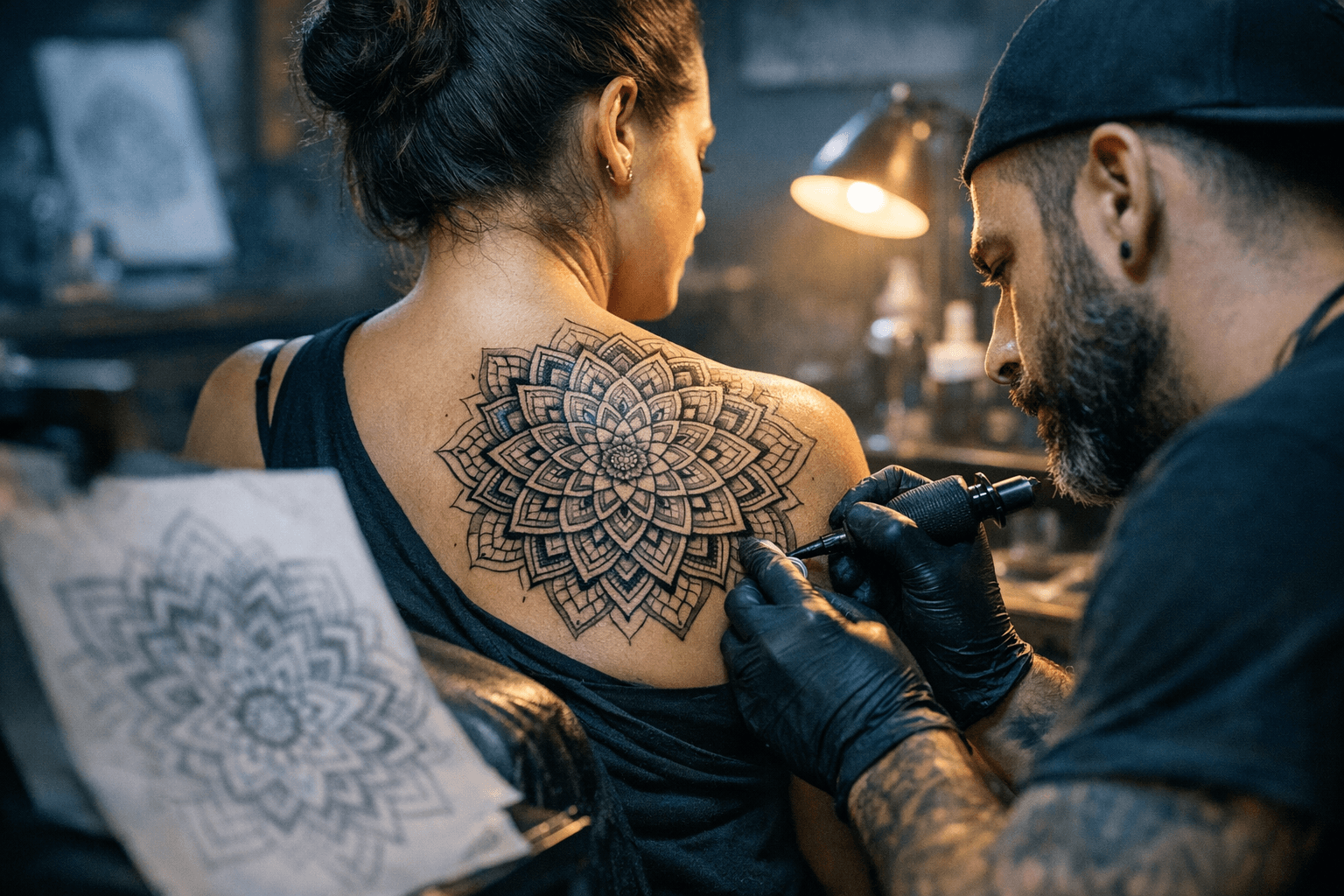
For geometric tattoo fans, that flexibility is the real point. A mandala can overlap with ornamental work, sacred geometry, and clean contemporary linework all at once. It is not just a pretty radial pattern. It is a framework that can absorb different techniques while still reading as a mandala.
What separates a strong mandala from a forgettable one
The best mandalas are the ones that stay readable after the skin stretches, softens, and ages. That starts with line weight. Consistent line weights help the pattern stay crisp, while uneven or overly delicate lines can get lost as the tattoo settles. Negative space matters just as much. If the artist leaves the right breathing room, the design keeps its contrast and the eye can still track the symmetry.
Scale is the other big decision. Smaller mandalas need simplified petals and cleaner structure because too much detail will collapse into visual noise. A tiny design packed with intricate spokes may look sharp in the stencil stage and muddy later. A better approach is to reduce the pattern to its strongest shapes so it can survive on skin without turning into a dense little blur.
Placement is part of the design, not an afterthought
Mandalas work best when the placement supports the geometry. Forearm, shoulder, back, sternum, ribs, thigh, calf, hand, and finger placements all show up for a reason: they each change how the design flows with the body. A forearm mandala reads differently from a sternum piece because one follows a long, visible plane while the other lives on a central axis that changes with breath and posture. The point is to choose a spot where the symmetry can stay legible, not just where the tattoo will fit.
That is where a lot of mediocre mandalas go wrong. They are dropped onto a body part without respecting the shape underneath. A mandala is supposed to feel centered, but centered does not always mean literal. Sometimes the strongest version is the one that follows a shoulder cap, wraps the forearm, or sits across the ribs in a way that lets the structure move with the body instead of freezing against it.
The symbolism gets stronger when the geometry is specific
If you want a mandala to feel less generic, the geometric language can be extended with specific sacred-geometry elements. Metatron’s cube, the seed of life, and compass points can all deepen the symbolism and make the design feel more deliberate. Those additions are not just ornamental extras. They sharpen the identity of the piece and push it farther into the geometric tattoo world.
That kind of detail also helps the tattoo read as a system rather than a random decorative bloom. The more clearly the elements connect, the more the mandala feels like a constructed symbol instead of a pattern borrowed for surface beauty. That distinction matters to people who care about geometric work, because the best pieces always look thought through.
How to think about long-term wear before you commit
The simplest test is this: will the tattoo still make sense when it is not brand-new? A mandala with strong line weights, preserved negative space, and simplified smaller elements is built for that reality. A mandala overloaded with tiny petals, tight fills, and too many competing details may look impressive in the chair, then lose definition faster than you expected.
That is why the smartest mandala choices are practical ones disguised as aesthetic ones. Scale it to the body part. Keep the symmetry readable. Let the negative space do some of the work. And if the design needs to stay small, strip it back until the structure is still clear at a glance. In geometric tattooing, that kind of discipline is what turns a mandala from a pretty idea into a piece that still looks intentional years later.
At its best, a mandala tattoo is not just sacred geometry on skin. It is a design that knows where it is going, how it will move, and how it will age. That is the difference between something that only looks balanced on day one and something that keeps its balance over time.
This article was produced by Prism’s automated news system from verified source data, official records, and press releases, then run through automated quality and moderation checks before publishing. The system is built and supervised by the people who set the standards it runs under. Read our full AI policy.
Did this article answer your question?