Nepal Tattoo Convention Signals Shift from Stigma to Accepted Craft
More than 250 artists from 22 countries filled 95 booths in Sanepa as family-backed appointments signaled tattooing’s new status.
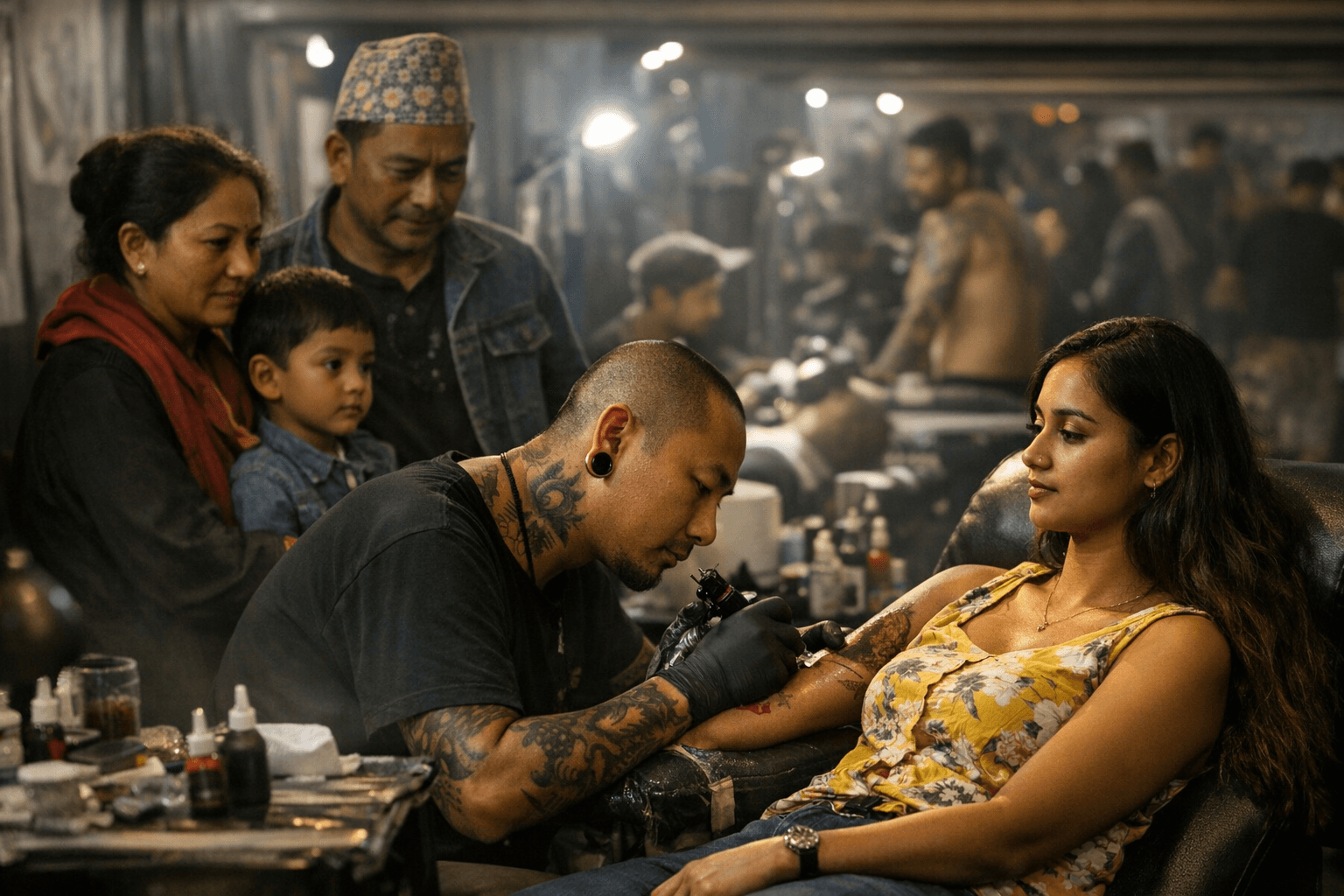
More than 250 tattoo artists from 22 countries packed 95 booths at Heritage Garden in Sanepa, but the most revealing scene was not the noise of the floor or the live music around it. It was the shift in who showed up for tattoos at all. Organizers said clients who once hid appointments from their parents now arrived with family support, a small but telling sign that tattooing in Nepal has moved from stigma toward accepted craft.
The 13th International Nepal Tattoo Convention, held April 10 to 12 in Kathmandu, made that change visible while still exposing the fault line between global tattoo culture and local identity. The event mixed tattooing with food stalls, merchandise, cultural performances and live music, but its deeper purpose was professional and cultural at once: strengthen Nepal’s tattoo community, bring in new techniques, and push artists to stay connected to the country’s own traditions.
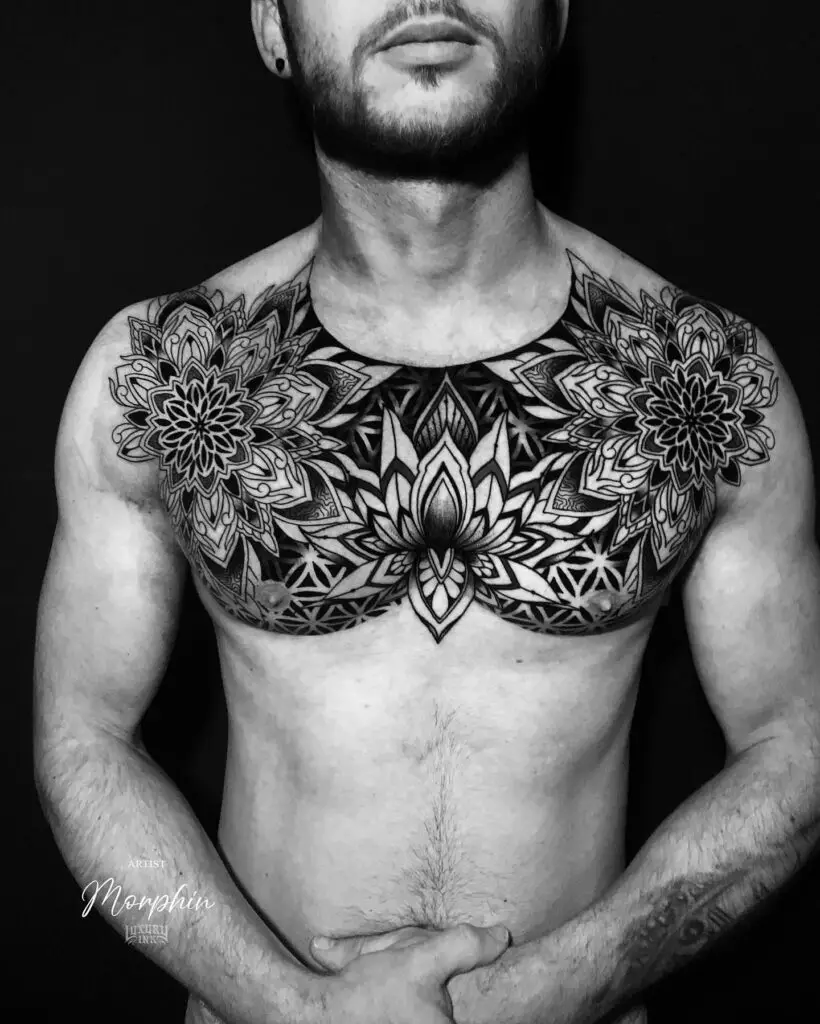
That tension matters most for geometric and sacred geometry work, where precision, planning and trust are part of the appeal. In a scene that is becoming more open, the tattoo is less about defiance and more about craft. Better hygiene practices and more capable instruments have helped drive that change, and the convention’s international mix showed how quickly styles now travel across borders, apprenticeships and client expectations.
Still, the local thread ran through the story. One tattoo shop owner said modern tattooing can draw from Nepali elements instead of leaning only on imported imagery, while a Malaysian tattooer noted that friendliness helps reduce intimidation for first-timers. That balance, between welcome and authenticity, is exactly where geometric work is being tested as it spreads through new studios and new audiences.
Nepal’s tattoo culture has deeper roots than the convention floor suggests. The Nepal Tattoo Convention says it is the first organized gathering of tattoo artists in the subcontinent, and earlier editions already fused spectacle with ritual, including the 11th convention at Heritage Garden opening with Buddhist monks chanting mantras and ending with piercing performances. The historical record reaches back further still: Sanjay Khadgi said Chiri Bhai Nepali was among the first to introduce Newa traditional tattoos in the 1930s after learning tattooing in Calcutta during the Rana regime, then returning to Kathmandu with a tattoo machine and opening a shop in Te Bahal.
That history is not just background. Cultural Survival says tattooing has long been integral to many Indigenous communities in Nepal, especially Tharu Indigenous women in the southern plains, where the Tharu live across more than 20 districts and numbered 1.73 million in the 2011 census. Traditional tattooing is fading among younger generations, which makes the rise of polished, globalized convention culture both an opportunity and a warning: Nepal’s tattoo scene is growing more professional, but some older meanings may disappear unless they are actively carried forward.
Know something we missed? Have a correction or additional information?
Submit a Tip