Thermal stencil printers sharpen geometric tattoo precision for modern studios
Geometric tattoos expose every stencil flaw. The right thermal printer protects symmetry, linework, and scaling before the first pass of ink.

Why stencil quality decides geometric results
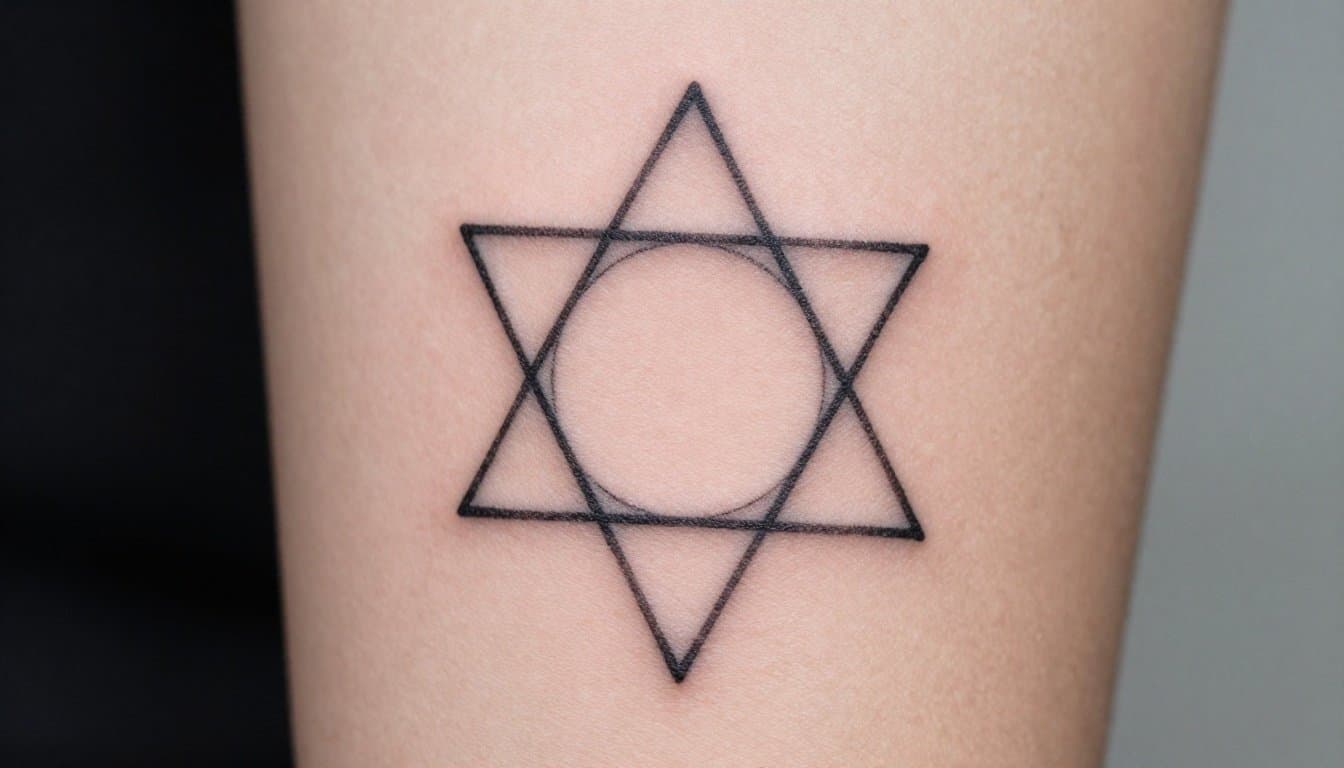
Geometric tattooing lives or dies on transfer fidelity. A circle that lands soft, a line that warps, or an axis that drifts even slightly can undo the symmetry clients are paying for, and the mistake is already baked in before the first needle touch. INKSOUL’s April 8 equipment guide makes that point bluntly: in modern studios, the stencil is not a clerical step, it is the foundation of the tattoo itself.
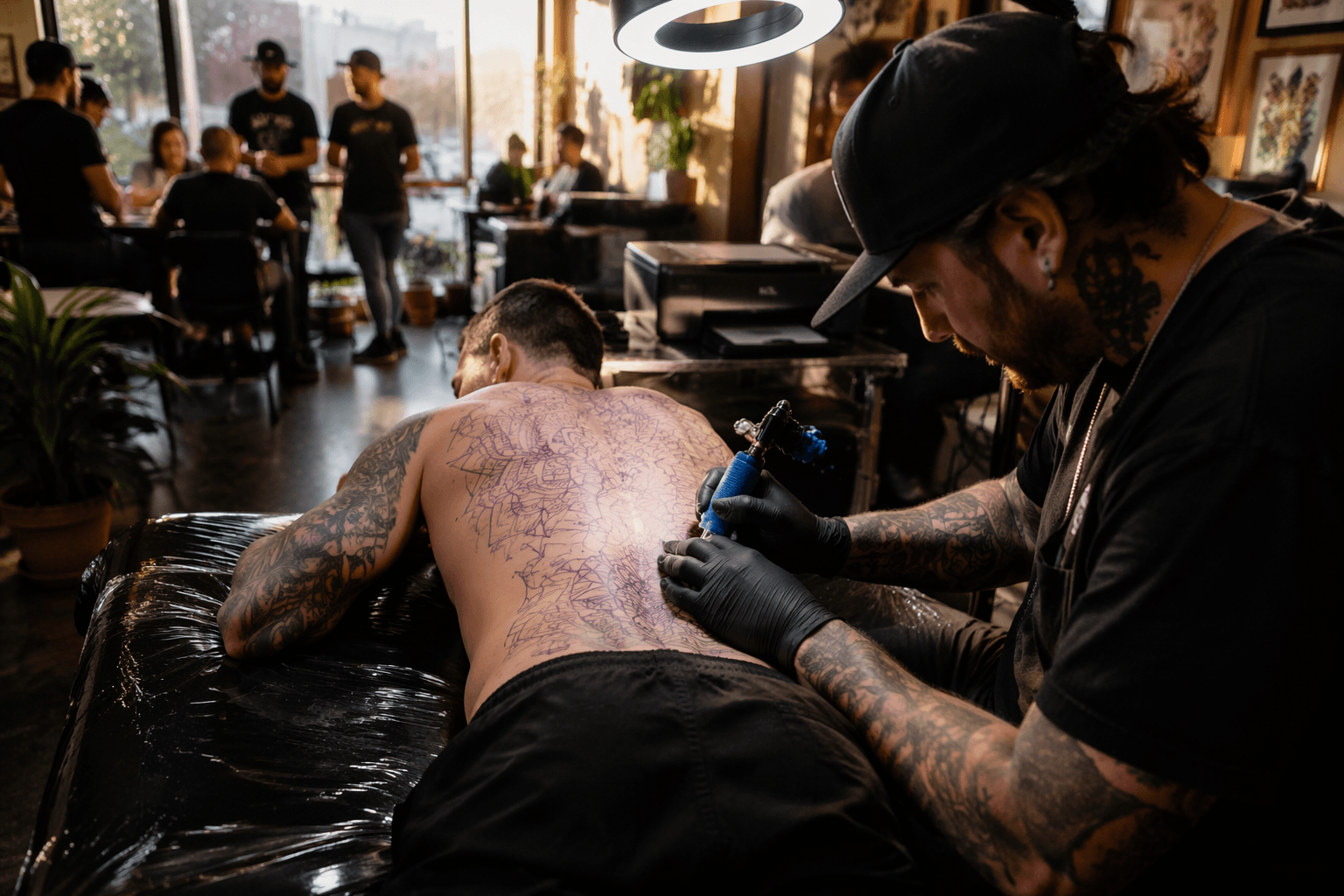
That is why thermal printing has moved to the center of the workflow. The guide argues that manual tracing over lightboxes is increasingly outdated for complex designs because it slows artists down and introduces more room for distortion. Thermal printers, by contrast, can push intricate digital designs directly onto skin in seconds, which matters when the work depends on clean geometry, proportion, and line consistency.
What geometric artists actually judge
The practical test is not whether a printer exists, but whether it preserves the design under real shop conditions. INKSOUL’s comparison of eight systems for 2026 focuses on the things geometric artists notice immediately: crisp transfer fidelity, reliability, high-resolution thermal imaging, compatibility with professional transfer paper, and the ability to handle crisp linework as well as shading and multi-size formats.
That lens is important because geometric tattooing is unforgiving about scale. A design that needs to move from a stencil sheet to a forearm, sternum, leg, or sleeve has to keep its proportions intact while being resized. If the layout shifts, the circle alignment, axis construction, and repeat patterns lose the clean tension that makes the style read as intentional instead of approximate.
The bigger point in the guide is that the printer is now part of the craft, not a side accessory. When transfer quality slips, the geometry slips with it. When geometry slips, the tattoo stops looking like precise blackwork architecture and starts looking like a correction problem.
The printers in the conversation
INKSOUL’s lineup brings together eight stencil printer systems: the T08FD and T08FS, Phomemo’s TP31, the Brother PocketJet PJ-773, Ozer Wireless, the S8 Red Stencil Printer, LifeBasis Thermal Copier, and the ATSUI Thermal Printer. The guide is not presenting those names as a trophy shelf. It is using them to show how different tools fit different studio rhythms, from convention travel to permanent shop setups.
Brother’s PocketJet line is a useful marker for how fast this category has evolved. The PocketJet 7 PJ773 is discontinued, and Brother’s June 14, 2022 end-of-life notice said the PocketJet 7 line would transition to PocketJet 8 in mid-July 2022. That shift says a lot about where the market went next: away from improvised tracing setups and toward mobile thermal devices built for direct, fast stencil output.
Brother’s current PocketJet 8 PJ883 shows that direction clearly. It is a 300 dpi, 8.5-inch-wide mobile thermal printer with USB-C connectivity and charging, plus Wi-Fi and Bluetooth. For geometric work, that combination matters because it supports a larger working width while keeping the unit portable enough for studios, guest spots, and conventions.
Portable models and the mobility advantage
Phomemo’s TP31 sits in the other end of the portability conversation, but it serves the same workflow shift. Phomemo describes it as a compact Bluetooth mini tattoo printer, and its specifications underline why compact units have become so popular: it weighs about 450 g, measures 145 × 70 × 54 mm, and supports 80 mm tattoo transfer paper. That makes it easy to move, easy to set up, and practical when artists need a stencil system that does not eat up desk space or slow the room down.
For geometric tattooers, mobility is not just convenience. It is a way to preserve momentum during placement. A printer that is small, wireless, and quick to deploy can shorten the gap between digital composition and stencil application, which reduces the chance that a clean design gets compromised while the appointment is already underway.
Paper compatibility still matters
A lot of people talk about printers as if the hardware alone decides the outcome, but stencil paper still sits at the center of the process. Brother’s support documentation includes a dedicated Stencil Paper Mode for compatible printers, which is a reminder that thermal workflow is still a specific craft, not a generic print job. The machine has to speak the same language as the paper.
That is why the continued visibility of Spirit/S8 stencil paper matters. It is widely sold through tattoo-supply retailers, which shows that transfer paper is still a standard part of the market, not a legacy afterthought. For artists working in geometric styles, that consistency in supplies helps protect repeatability, especially when a design needs to be reprinted, adjusted, or scaled across multiple placements.
Why geometry raises the stakes
Ornamental and geometric tattoo styles are explicitly associated with symmetry and geometry in Tattoodo’s style guide, and that is exactly why stencil fidelity has such high stakes in this niche. The style does not hide behind texture or loose brushwork. It asks the stencil to carry the entire structure with precision.
That is also why Dillon Forte matters in this conversation. Inked Magazine has profiled him as a leading sacred-geometry tattoo artist, and his work helps explain why stencil accuracy is not a technical footnote but a creative requirement. In sacred geometry, the spacing, balance, and repeat logic are part of the meaning. If the transfer is off, the visual language changes before the tattoo even begins.
The studio takeaway
INKSOUL’s guide gets to the real decision geometric artists face: choose tools that keep the design clean from screen to skin, and the whole workflow becomes safer, faster, and more predictable. The best stencil printer is the one that preserves line accuracy, holds symmetry through resizing, and fits naturally into the pace of a real studio.
That is the shift happening now. Thermal stencil printers are no longer just convenience tools for busy days. In geometric tattooing, they have become part of the architecture of the piece itself, and the quality of that first transfer can decide whether the finished tattoo feels crisp, balanced, and deliberate, or merely close enough.
This article was produced by Prism’s automated news system from verified source data, official records, and press releases, then run through automated quality and moderation checks before publishing. The system is built and supervised by the people who set the standards it runs under. Read our full AI policy.
Know something we missed? Have a correction or additional information?
Submit a Tip