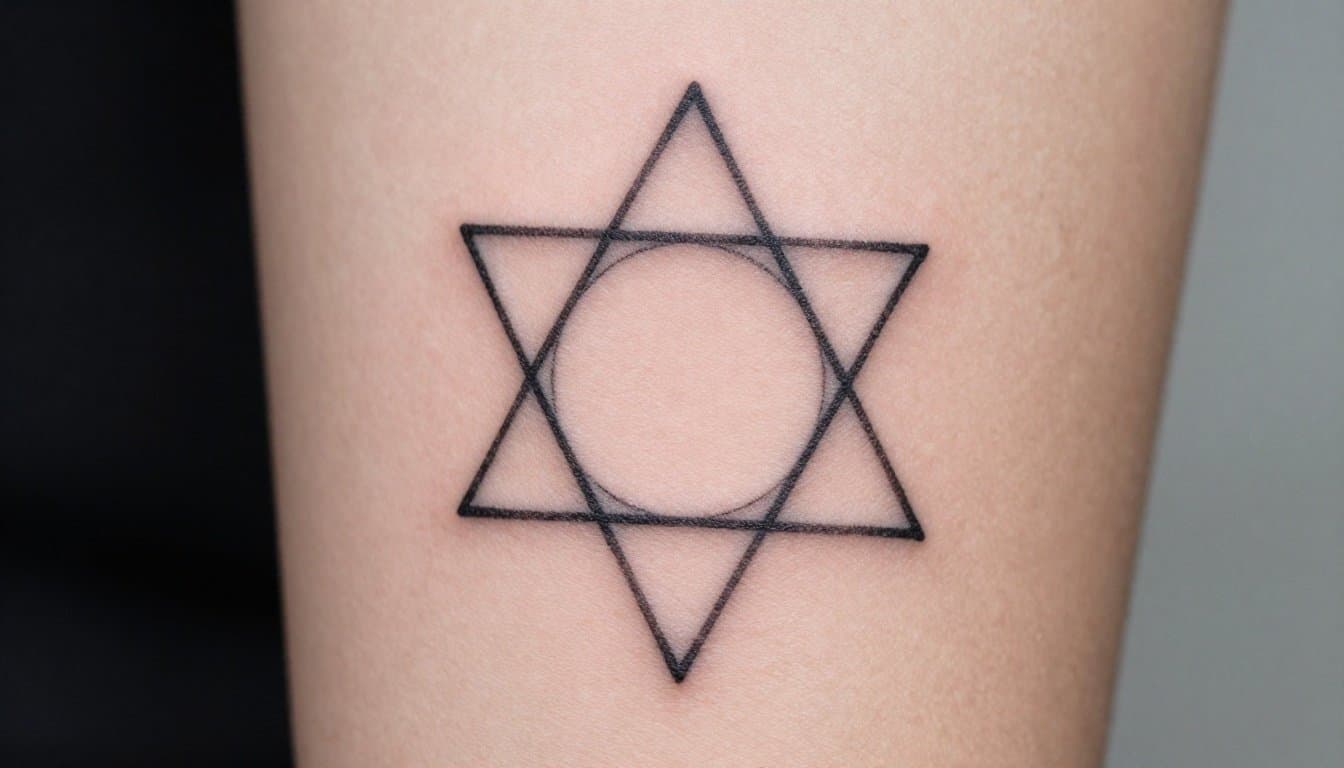
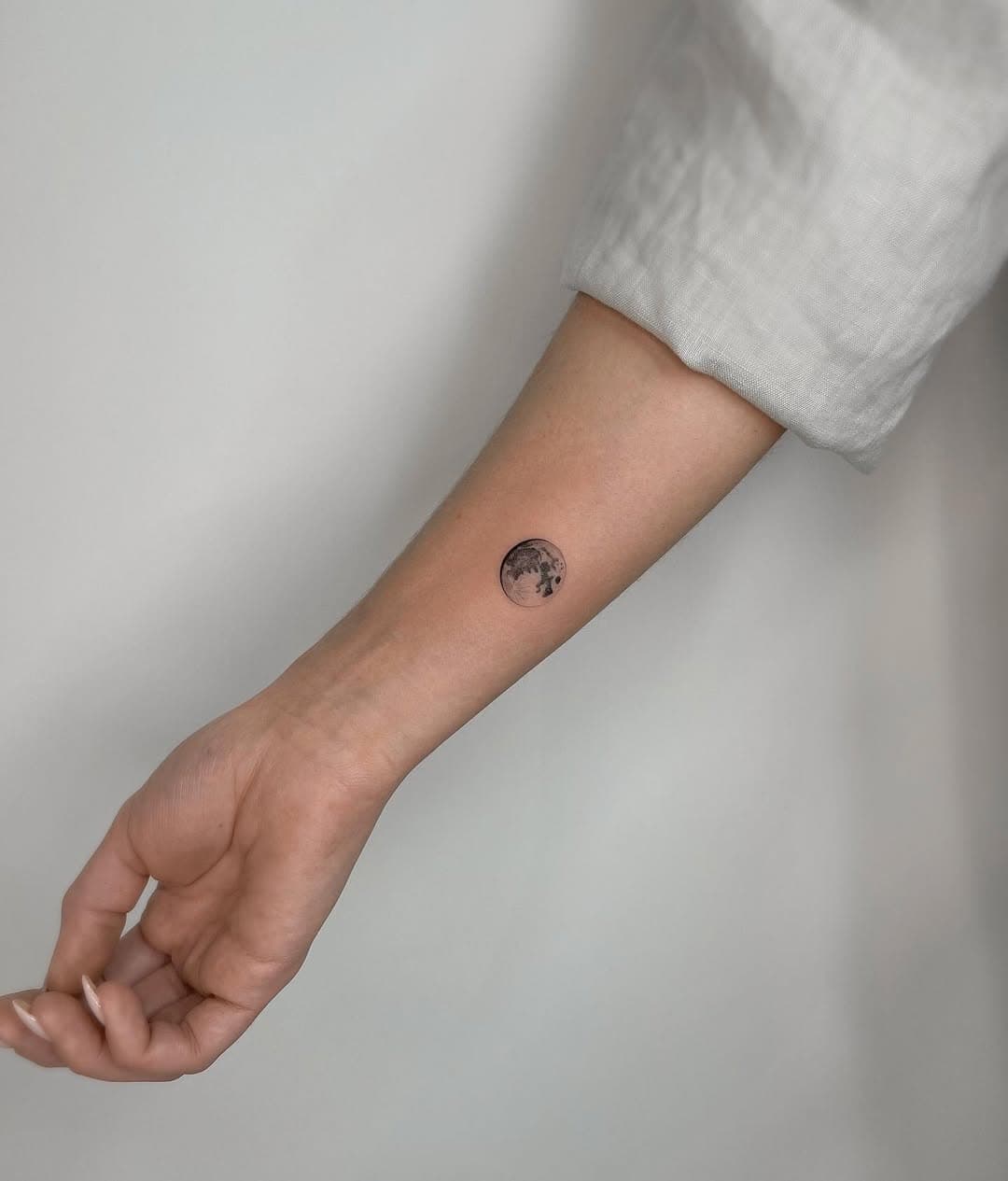
Tree of Life tattoos evolve with geometric details and fine line style
The Tree of Life gets sharper in geometric ink, where symmetry, fine line branches, and negative space keep the symbol alive without softening its meaning.
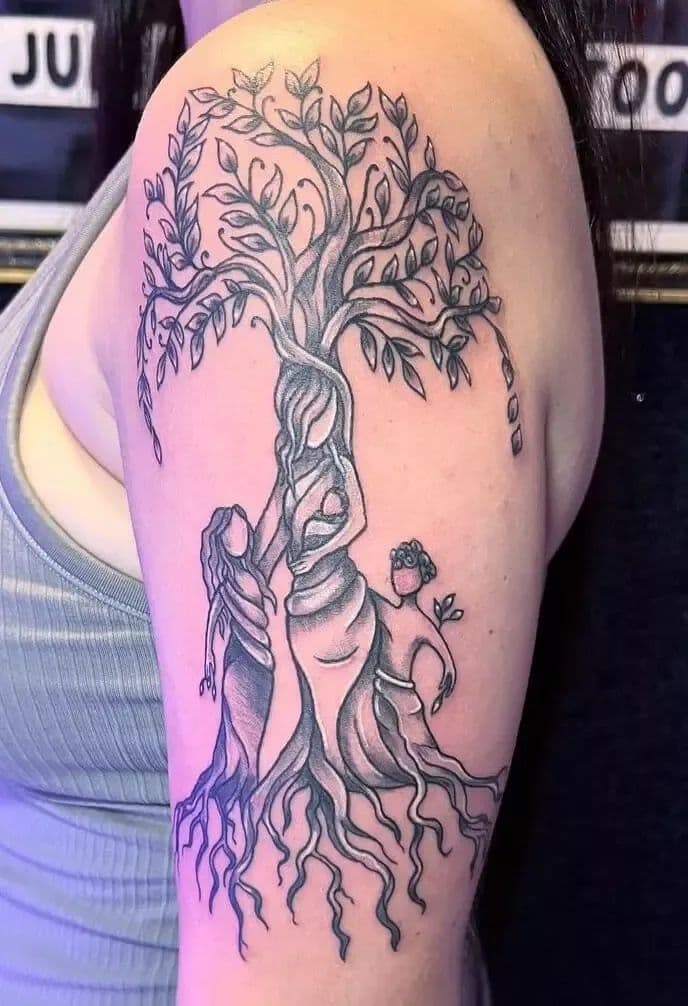
Why the Tree of Life keeps fitting geometric tattoo language
The Tree of Life is one of those motifs that never really leaves the room. Britannica describes it as a widespread archetype across religions, mythologies, and folktales, and the meanings it carries are broad enough to keep it relevant: source of life, connection between all lives, and the cycle of life and death itself. That range is exactly why it translates so cleanly into geometric tattoo language. The symbol already has structure, hierarchy, and a built-in center, which gives artists something to organize with symmetry instead of simply decorate with symbolism.
What makes the strongest geometric versions work
The Tree of Life can be soft and flowing, but the versions that feel most compelling in geometric work are the ones that discipline the canopy and roots into clear shapes. Radial symmetry gives the design its backbone, while sacred-geometry frameworks can turn the branches into measured arcs rather than loose illustration. Dotwork canopies, polygonal roots, and clean negative space are what push the piece away from generic inspiration and toward a deliberate composition.
That is where the motif becomes more than a tree. A small, delicate version can feel intimate and quiet, while a more elaborate build can use mirrored branches, stencil-friendly contours, and precise spacing to create visual balance. The design reads best when every part has a job: the trunk anchors the center, the crown expands outward with order, and the roots echo that structure below.
Why the cultural versions matter to geometric design
The Tree of Life does not belong to one tradition, and that is part of its power. Britannica notes that Yggdrasill in Norse mythology is a giant ash tree supporting the universe and is closely related to the Tree of Life motif. The Irish Road Trip describes the Celtic Crann Bethadh as linking heaven, earth, and the underworld. Smithsonian Magazine traces Armenia’s Tree of Life iconography back roughly 3,000 years and notes that the country became the first nation to declare Christianity its official faith in the early fourth century A.D.
Those histories are useful because they suggest different ways to build the tattoo. A Norse-adjacent version can lean heavier and more architectural, with a world-tree feeling that supports the whole composition. A Celtic reading often benefits from knot-like continuity and circular flow, which makes it a natural fit for geometric framing. Armenian-inspired versions tend to carry a longer, more emblematic lineage, which suits a design that wants to feel ancient without becoming ornate in a busy way.
When the motif turns from organic to precise
The strongest geometric Tree of Life tattoos do not try to make the tree look literal in every leaf and root. They simplify. The branches can become measured lines that split like drafting marks, the canopy can flatten into patterned geometry, and the roots can angle into facets that feel carved rather than grown. That shift is what lets the design read as refined geometry instead of a generic tree with tattoo shading.
This is also where modern additions matter. Moons, stars, and fine line branches can keep the image feeling current, but only if they support the structure rather than crowd it. A Tree of Life tattoo becomes more convincing when those extras behave like accents in a visual system, not stickers layered over the symbol. In geometric work, restraint usually carries more weight than decoration.
Fine line style gives the symbol its new register
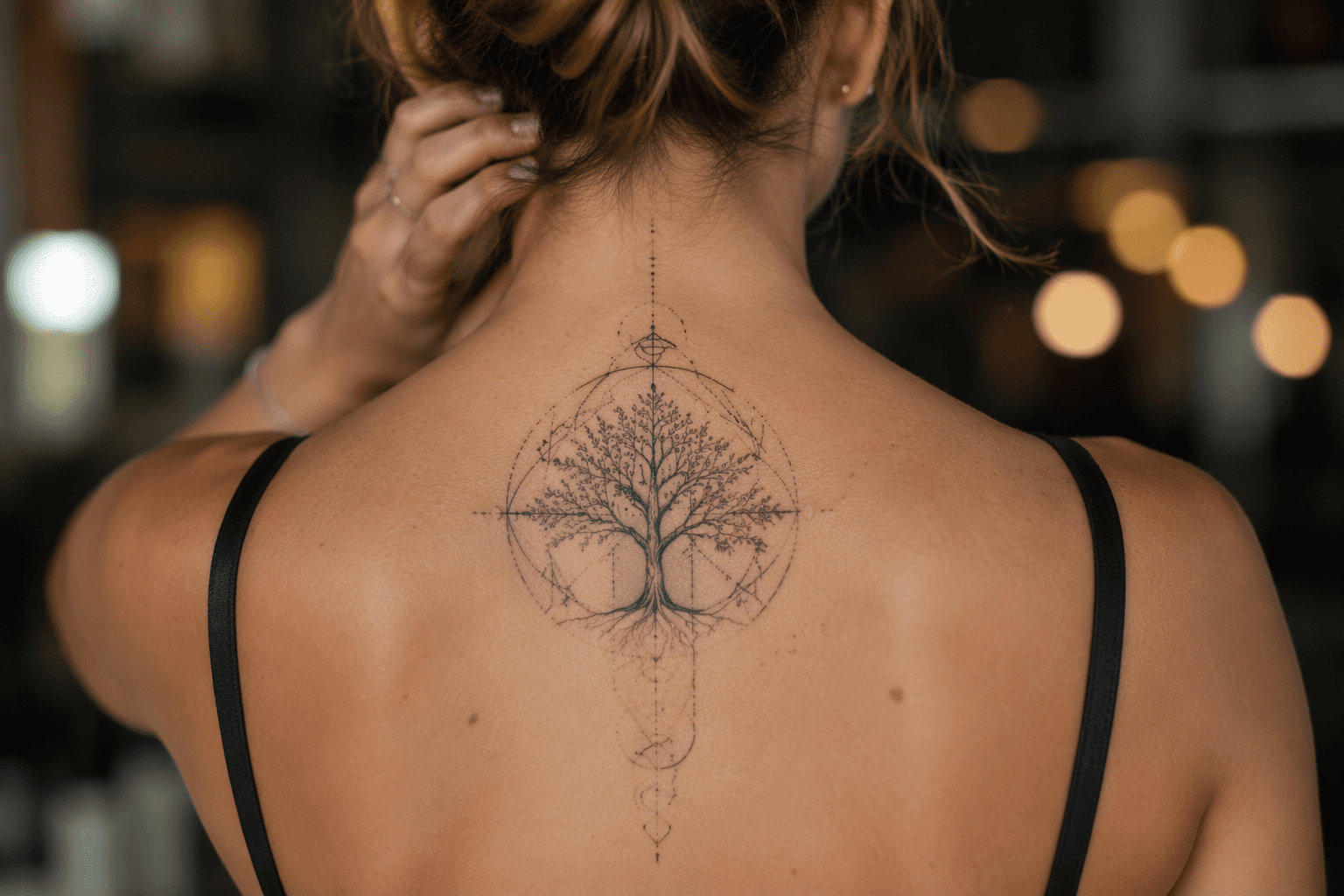
Tattooing 101 says fine line tattoos were expected to keep growing in popularity in 2025, and it also points out that geometric tattoos appeal because their clean, bold structure shows off the body. That pairing explains why the Tree of Life has found such an easy home in contemporary tattooing. Fine line keeps the image light enough to feel elegant, while geometric framing gives it the clarity that symbolic work needs.
A fine line Tree of Life does not have to look fragile. When the linework is disciplined, it can make the piece feel intentional and precise, which is exactly what geometric tattoo readers tend to look for. The branch network can stay airy without losing definition, and the design can still feel rooted if the trunk and root system are built with enough structure.
The motif has always been translated, not fixed
The Tree of Life has a long history of moving through materials and cultures, and that history mirrors what happens in tattooing now. The Metropolitan Museum of Art identifies a British textile called The Tree of Life from the first half of the 17th century, and it also notes an American quilt from about 1815 that used an Indian palampore center panel with a stylized Tree of Life. In another Met example, Tree of Life motifs in Iranian textiles became popular throughout the Byzantine empire and the Mediterranean because of trade.
That matters because it shows the motif has never been stuck in one visual language. It has been stylized, exported, adapted, and re-framed for centuries. Geometric tattooing is simply the latest translation, turning a cross-cultural symbol into something pared down, symmetrical, and built for the skin.
Why this version keeps winning attention
The Tree of Life keeps coming back because it can hold meaning without collapsing under it. It can stand for family, growth, healing, balance, ancestry, strength, or the feeling of still becoming, but the geometric version gives all of that a cleaner container. When the composition is controlled, the branches resolve into pattern, the roots settle into shape, and the whole tattoo reads as both personal and architectural.
That is the real appeal here: not a tree that merely symbolizes life, but a design that can be engineered into life-like balance. In geometric ink, the Tree of Life works because it already knows how to grow in structure.
This article was produced by Prism’s automated news system from verified source data, official records, and press releases, then run through automated quality and moderation checks before publishing. The system is built and supervised by the people who set the standards it runs under. Read our full AI policy.
Know something we missed? Have a correction or additional information?
Submit a Tip