Seven Feathers Tattoo Expo Returns for Its Eighth Year in Oregon This Spring
Booth space for the eighth Seven Feathers Tattoo Expo is nearly gone, with roughly 150 tattooers and 25 hours of live tattooing across April 17-19 in Canyonville.
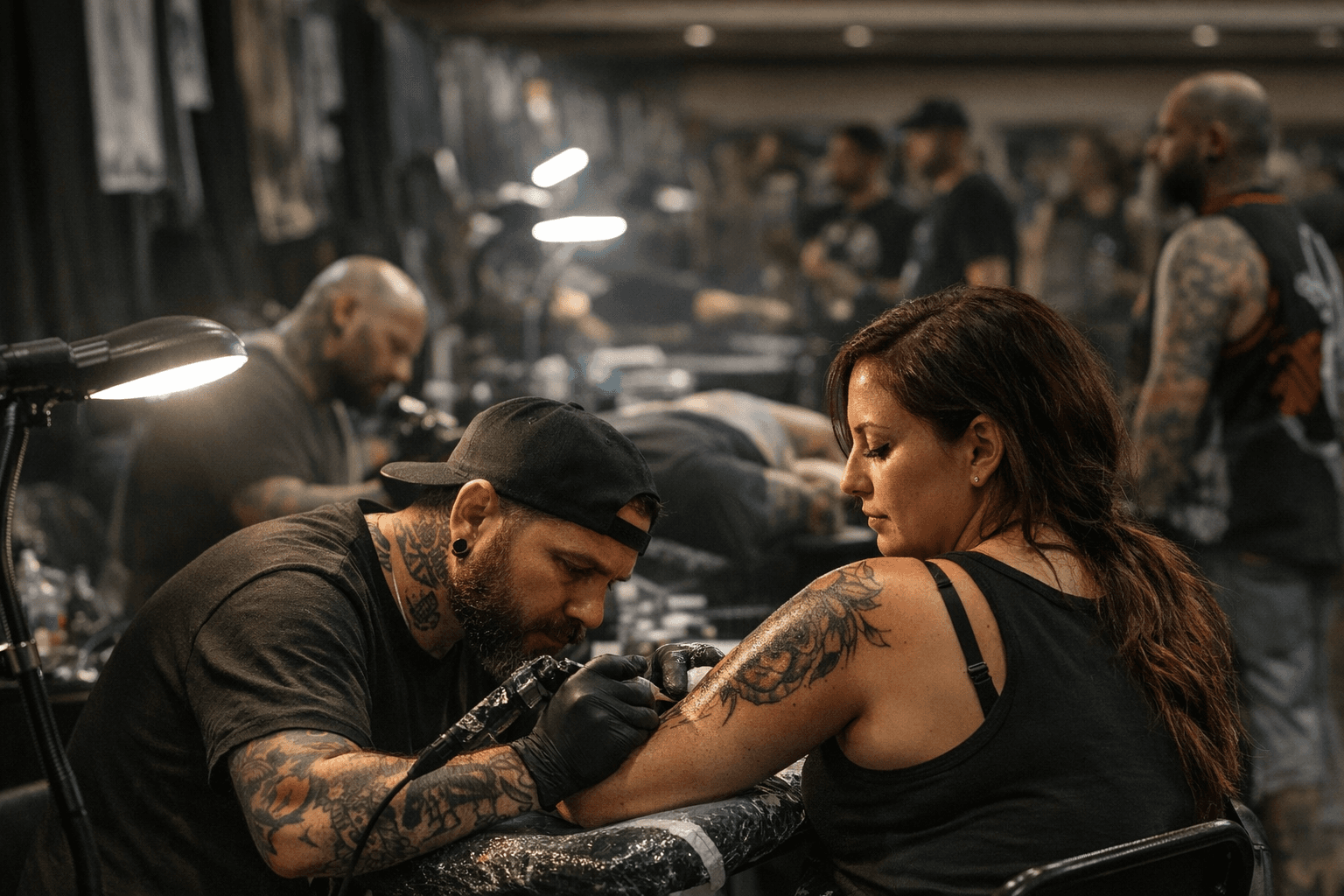
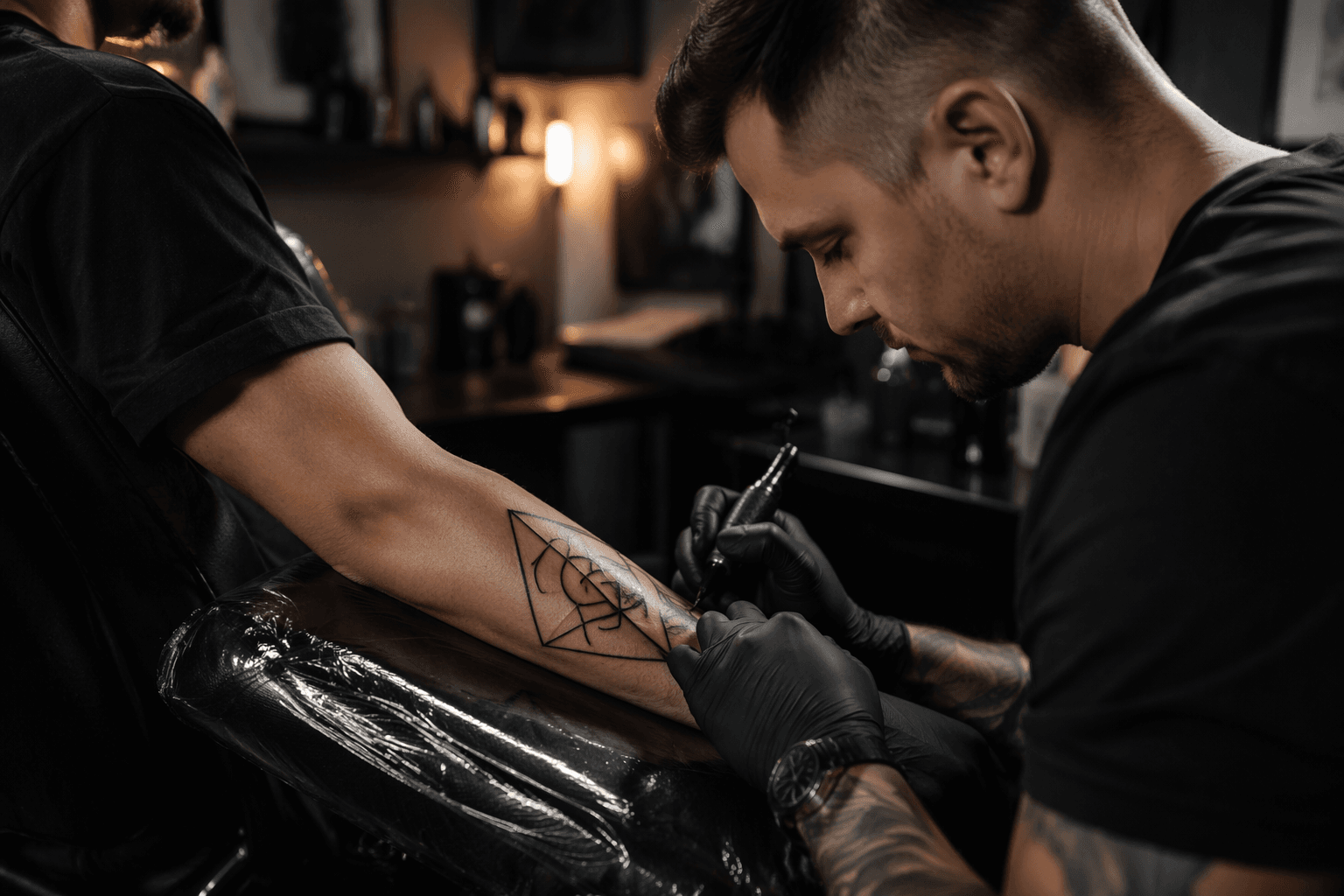
Booth space at the 8th Annual Seven Feathers Tattoo Expo is described by organizers as "going, going, almost gone," and for geometric and dotwork collectors who haven't reached out to a specific artist yet, that urgency is real. M.O.M. Productions will bring approximately 150 tattooers across roughly 100 booths to the Umpqua Grand Ballroom at Seven Feathers Resort Casino in Canyonville, Oregon this April 17-19, marking the eighth consecutive spring the show has anchored the Pacific Northwest's regional convention calendar.
The three-day schedule runs 25 hours of live tattooing: Friday April 17 from 2 to 10 p.m., Saturday April 18 from noon to 10 p.m., and Sunday April 19 from noon to 7 p.m. A three-day VIP pass purchased in advance runs $35; walk-in admission is $15 per day with in-and-out wristband privileges, and anyone 14 and under gets in free. The venue sits at 146 Chief Miwaleta Lane in Canyonville.
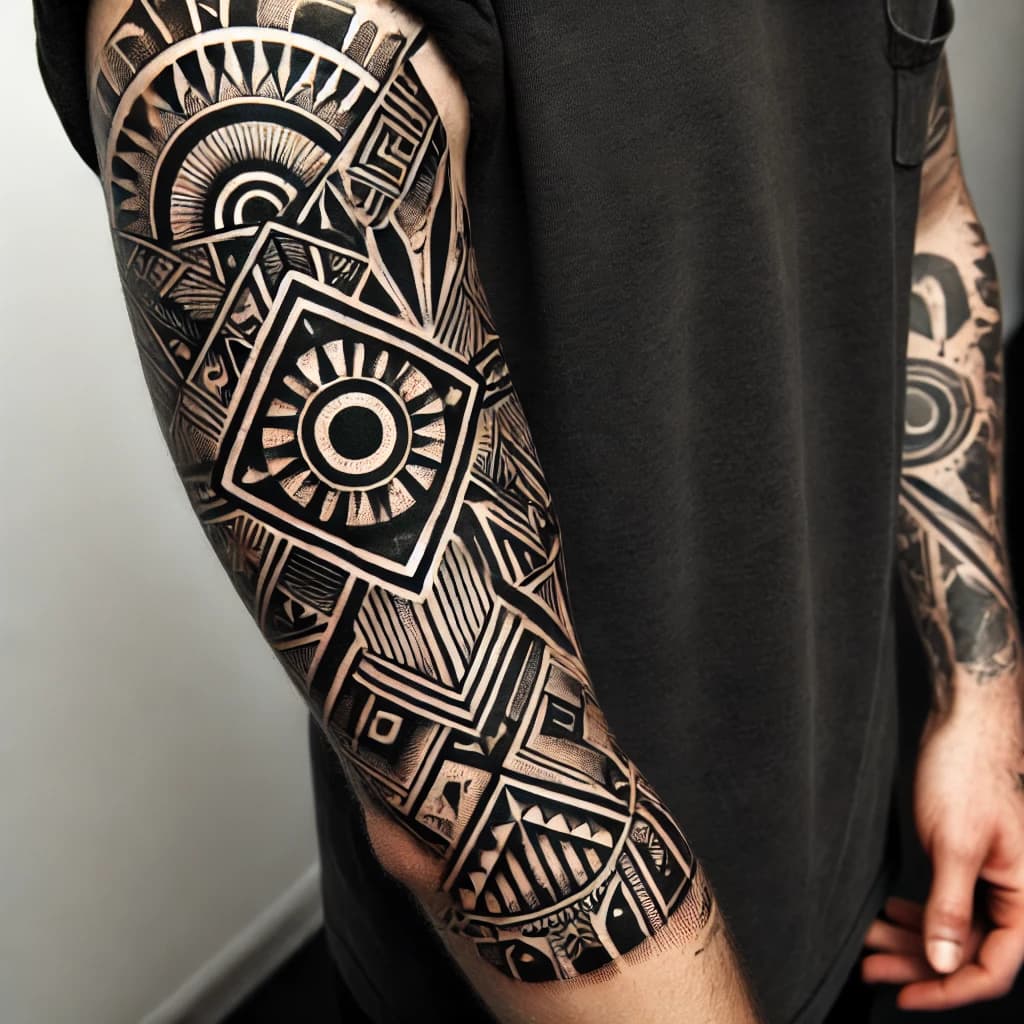
For precision-style artists, Seven Feathers occupies a specific and practical lane on the spring circuit. With the majority of those 100 booths filled by tattooers rather than retail vendors, the floor delivers genuine collector density without the fragmented attention of a mega-convention. Walk-up traffic at a show this scale tends toward self-contained work: geometric bands, mandala panels, and blackwork compositions that close in a single sitting — exactly the kind of accessible entry point that lets a visiting dotwork or sacred-geometry specialist build a regional client list while testing new flash sets against an audience that isn't already following them online.
The 2026 edition introduces revamped contests and a giant art gallery alongside the tattooing floor. Judged categories include healed tattoos and tattoos of the day completed at the convention, giving artists who do technically demanding geometric work a direct path to recognition in front of a regional audience. The Northwest Tattoo Museum will also install a tattoo history exhibit running the full weekend, drawing on its collection of vintage machines, flash sheets, stencils, and photographic archives — a complementary backdrop for any artist whose geometric practice draws on historical pattern and symmetry traditions.
Organizers note that many tattooers will take walk-ups throughout the weekend, but for collectors chasing a specific artist for a larger geometric piece, reaching out through the artist's website or Instagram before April 17 is the practical move. Convention floor consultations are short, and establishing scale, placement, and reference imagery in advance is what separates a clean geometric outcome from a rushed one.
Seven Feathers first ran in September 2018, and its uninterrupted return every spring since signals something concrete about the regional market: steady, repeatable demand for technically precise work in southern Oregon and the broader Pacific Northwest. For artists considering a guest spot or travel date in the region, what moves on the floor at a show like this is more reliable market data than any algorithm — a mandala set that sells out by Saturday afternoon tells you more about the local collector base than a month of Instagram analytics.
This article was produced by Prism’s automated news system from verified source data, official records, and press releases, then run through automated quality and moderation checks before publishing. The system is built and supervised by the people who set the standards it runs under. Read our full AI policy.
Did this article answer your question?