Ten Blackwork and Geometric Tattoo Cover-Up Ideas Transforming Unwanted Ink in 2026
Blackwork and geometric designs are rewriting the rules of tattoo cover-ups, turning regrettable ink into bold, intentional art.

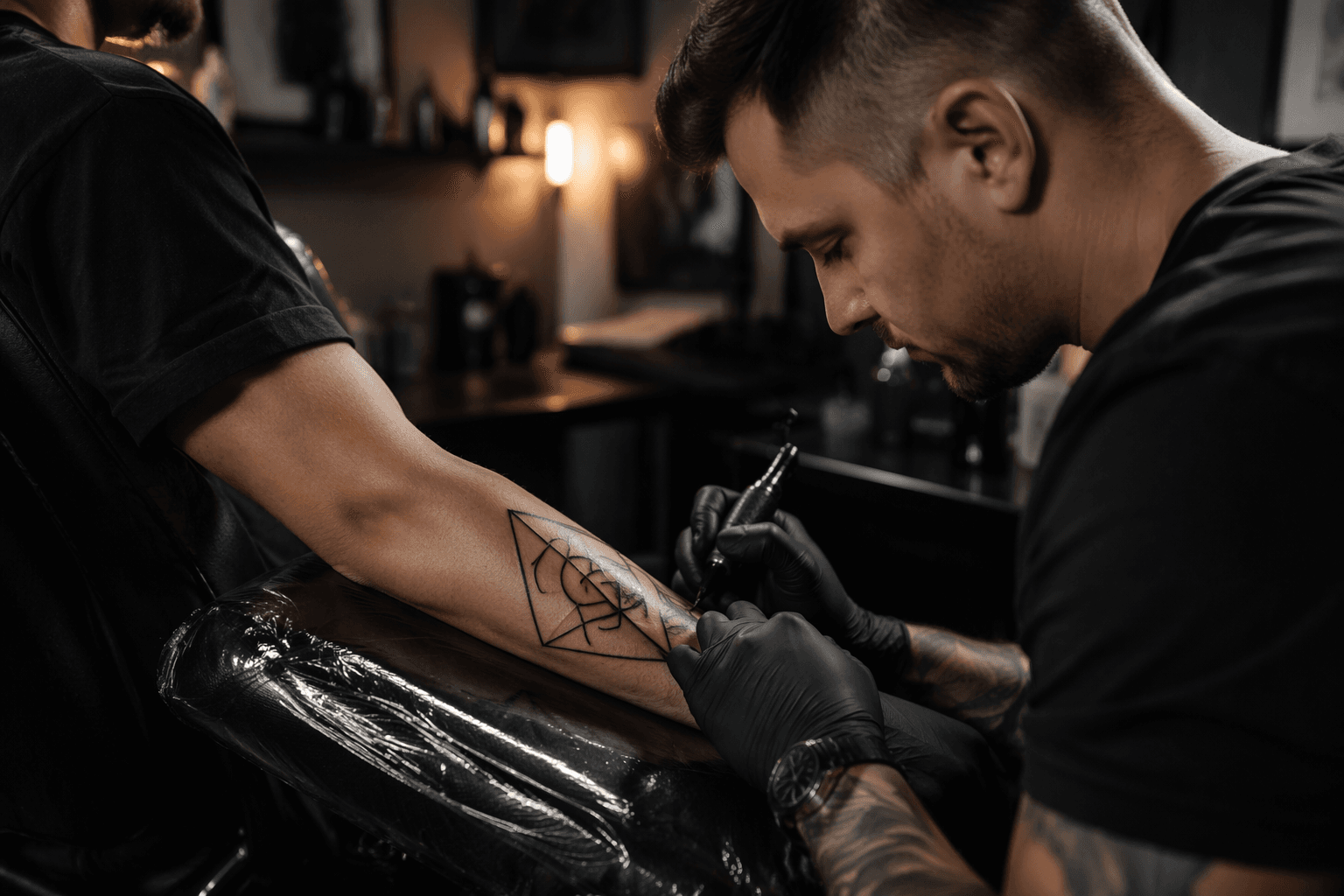
Cover-up tattoos have always demanded more from an artist than fresh skin does. You're not starting clean. You're working against existing lines, faded color, blown-out edges, and the visual weight of ink that's already settled into skin. Getting it right requires a specific combination of design intelligence and technical execution, which is why the conversation around blackwork and geometric approaches has become so central to the cover-up world in 2026.
Fountainhead NY, a New York-based tattoo studio, published a detailed guide on March 9, 2026 laying out ten practical cover-up approaches and examining how geometric patterns and blackwork function as transformation tools, not just concealment strategies. The framing matters: a cover-up done well doesn't look like a cover-up at all. With that philosophy as the foundation, here's a thorough breakdown of the approaches that are actually working.
Floral Designs
Florals have earned their reputation as the go-to cover-up solution, and the reasons are genuinely technical, not just aesthetic. Roses, peonies, and cherry blossoms offer what most problem tattoos lack: controlled density in exactly the areas you need it. Layered petals create natural zones of deep shadow, and intricate shading gives the artist room to absorb old linework without it reading as a mistake. Whether you're sitting on a faded script piece or a blurry portrait, floral work gives the artist organic flexibility to route the new design around whatever's underneath.
Nature and Wildlife Themes
Trees, birds, mountains, and animals work for cover-ups for a structural reason: nature doesn't follow straight lines. When you're trying to bury a geometric logo, a rigid script tattoo, or a heavily outlined piece, an organic design lets the artist work with irregular shapes rather than against them. The flowing movement inherent in wildlife compositions means the artist can direct visual attention across the piece, and the natural variation in value and texture easily disguises older outlines or uneven shading that would betray a less thoughtful cover-up.
Mandalas and Geometric Patterns
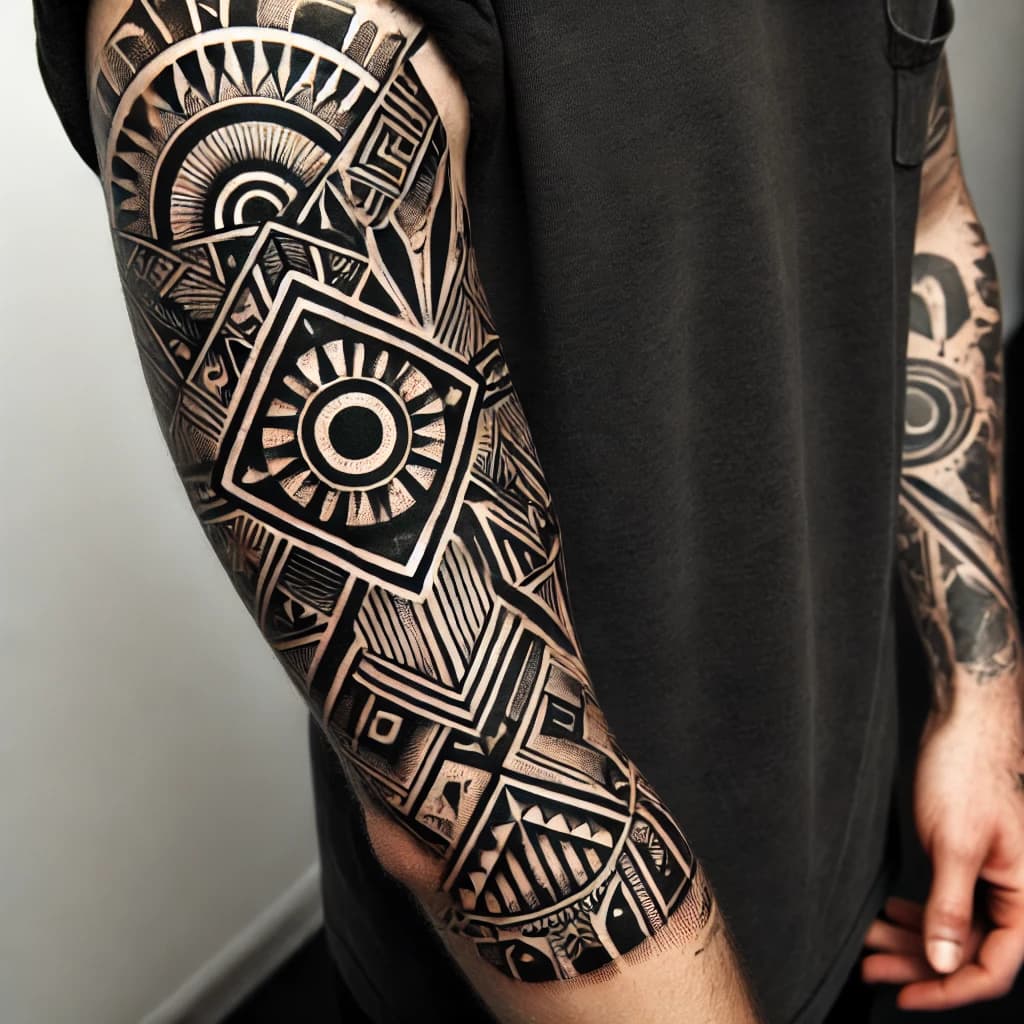
This is where the blackwork and geometric community has genuinely changed the cover-up game. Mandalas, geometric patterns, and tribal-inspired designs use symmetry and complexity as their primary tools, and those two properties are exactly what a cover-up needs. The dense linework and repeating structures create so much visual information that the eye simply can't locate the old tattoo underneath. The result isn't just concealment but a modern, meaningful piece that works as standalone art. For anyone who's been living with faded tribal work or an outdated geometric piece, the irony of covering it with a more sophisticated version of the same language isn't lost.
Blackwork and Illustrative Art
For the hardest cover-up scenarios, heavy blackwork is often the only viable path that doesn't involve laser sessions first. When the existing tattoo is very dark, large, or densely saturated, blackwork or illustrative shading can create a bold, striking new design that absorbs the problem ink into a cohesive composition. The approach turns a previously heavy piece into a work of art with contrast, texture, and intention. This isn't brute-force coverage; it's using the darkness that's already there as a design element rather than treating it as an obstacle.
Colorful Transformations
Not every cover-up situation calls for going darker. Color can be a powerful transformation tool when the original tattoo is relatively light or when the client wants to shift the entire mood of the piece. The principle here is strategic saturation: introducing vivid, highly pigmented color in the right zones can redirect the eye entirely, making the original ink read as part of the new work's depth rather than a remnant of something unwanted. This approach pairs well with neo-traditional or illustrative styles where rich color fields and bold outlines are already part of the vocabulary.
Strategic Shading and Color Placement
This is a technique that runs through almost every successful cover-up regardless of style. Experienced artists use shading, gradients, and contrast specifically to draw the eye away from the old tattoo. The mechanics are straightforward: darker areas suppress the original ink, while lighter tones and highlights create the illusion of dimension and realism in the new piece. What's changed recently is the material side of the equation. Modern pigments are highly opaque, which means artists have significantly more control over coverage than even five years ago, allowing for more vibrant and effective results across a wider range of problem tattoos.
Blending as a Design Philosophy
The difference between a cover-up that fools everyone and one that reads as obviously patched comes down to blending. A cover-up should feel cohesive, not forced. Rather than simply masking the old tattoo, a skilled artist integrates it into the new design so completely that no one can tell where the old art ends and the new begins. This isn't just a technique, it's an approach to the entire consultation and design process. The artist needs to understand the existing tattoo as a compositional element that will influence the new piece, not as an inconvenience to be hidden.
As Skin Illustrations-Tattoos put it: "Our artists at Skin Illustrations-Tattoos approach every cover-up like a creative challenge, turning an old mistake into a piece of art you can be proud of."
Dot Work and Fine-Line Geometric Extensions
Fine-line geometric work and dot work have opened up a specific niche in the cover-up world: the transformation of relatively small or medium-sized pieces where total darkness isn't warranted. By building out elaborate geometric extensions from or around the existing tattoo, an artist can incorporate the old ink as a structural element within a larger composition. The precision required is significant, but the payoff is a piece that looks deliberately designed from the ground up rather than assembled to solve a problem.
Tribal and Neo-Tribal Patterns
Traditional tribal and contemporary neo-tribal designs share the same cover-up advantage as mandalas: dense, high-contrast patterning that creates total visual saturation in targeted areas. Where neo-tribal work specifically excels is in its flexibility of scale. An artist can expand the pattern organically to encompass whatever size the existing tattoo demands, using the bold black fills and negative-space geometry to absorb problem ink while maintaining a strong, unified aesthetic. This approach also ages exceptionally well, which matters when you're already on your second tattoo in the same location.
Sleeve and Large-Scale Integration
Sometimes the most elegant cover-up solution is also the most ambitious: building a full sleeve or large-scale composition that incorporates the existing tattoo as one element among many. When a single problem piece sits within a larger area of bare skin, extending the design outward into a cohesive sleeve or body panel removes the visual isolation that makes a cover-up read as a cover-up. The existing ink becomes context rather than subject matter. This approach demands the most planning and typically the most sessions, but for clients with strong existing work they still like alongside pieces they regret, it's the path that honors the history of both.
The reality of cover-up work in 2026 is that the toolkit has never been more capable. Between the opacity of contemporary pigments, the compositional sophistication of geometric and blackwork traditions, and the expanding willingness of clients to commit to bolder transformations, the gap between "tattoo I regret" and "tattoo I love" has genuinely narrowed. The constraint was never the ink underneath. It was always finding an artist who treats the problem as a design brief rather than damage control.
This article was produced by Prism’s automated news system from verified source data, official records, and press releases, then run through automated quality and moderation checks before publishing. The system is built and supervised by the people who set the standards it runs under. Read our full AI policy.
Did this article answer your question?