Why stencil quality matters more in geometric tattooing
When symmetry has to land perfectly on skin, stencil quality becomes the real finish line in geometric tattooing.
The stencil is the part clients never see, and the part geometric work cannot survive without
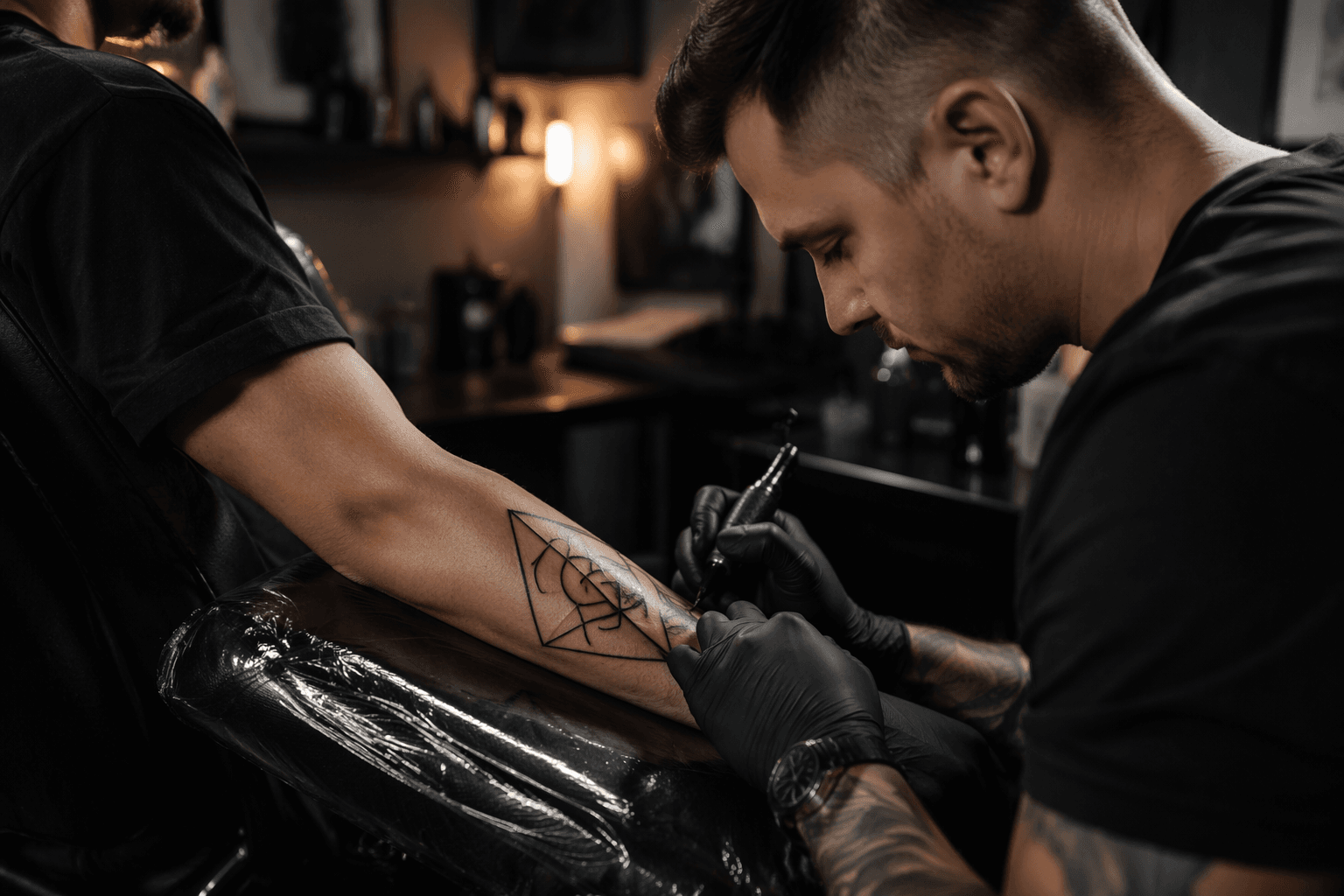
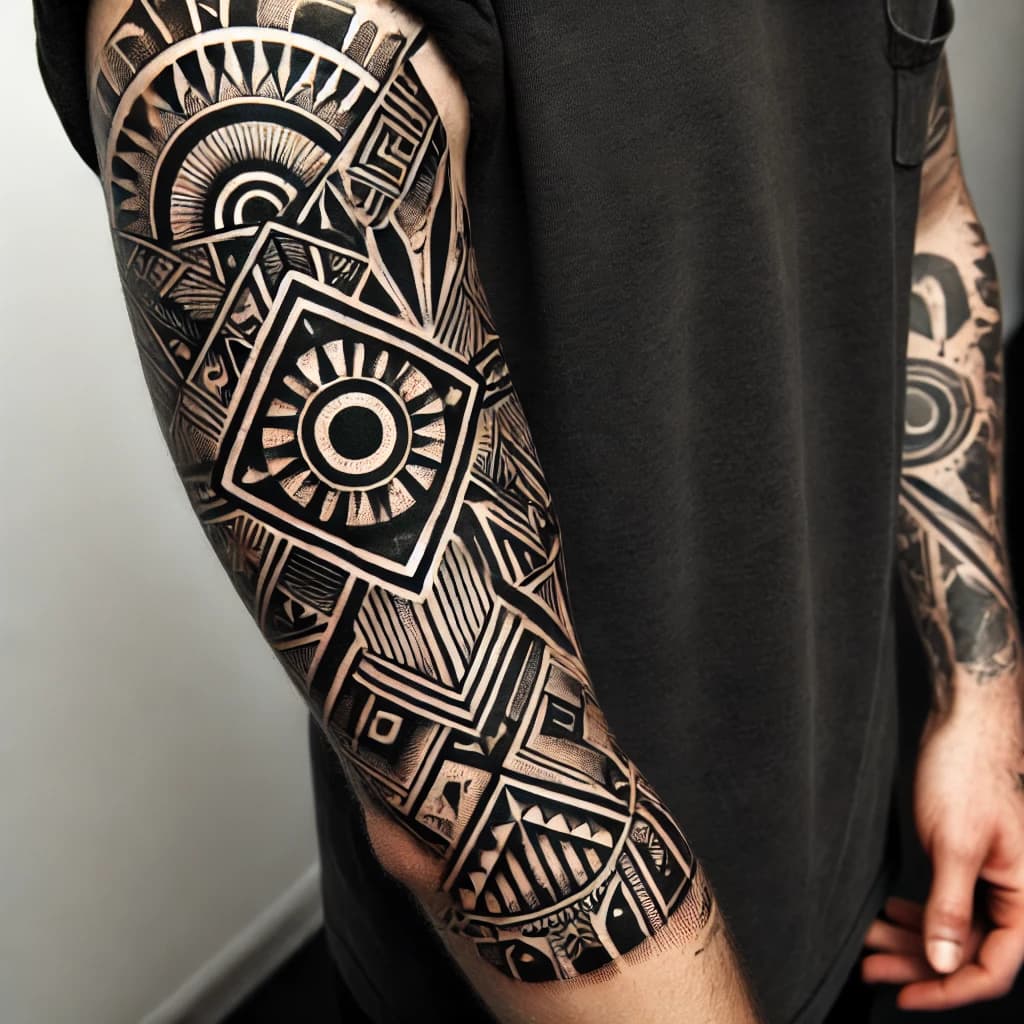
Geometric tattooing rewards precision, then punishes every slip. You can build a design on an iPad with near-photographic detail, but if the transfer stage flattens the drawing, symmetry drifts, spacing changes, and the lines stop reading the way they did on screen. That is why stencil quality has moved from “prep work” to part of the finished craft, especially in work built on clean structure, repeatable spacing, and exact placement.
The practical problem is simple: the better the original drawing, the more obvious the damage when it gets downgraded in transfer. Glossy stencil output can glare under studio lights, subtle tonal shifts can blur together, and a design that looked crisp in digital form can suddenly feel harder to read on skin. In geometric tattooing, that is not a minor inconvenience. It is the difference between a layout that holds its geometry and one that starts fighting the body before the first line is even pulled.
Why geometric tattoos expose stencil flaws so fast
Geometric tattoos are built on symmetry, discipline, and the confidence that every angle is where it should be. If a stencil shifts even slightly during placement, the error is visible immediately, because the eye catches imbalance long before it notices softness. That is especially true on living skin, where muscle, movement, and anatomy make a perfect transfer harder than a perfect drawing.
Ilya Cascad, a geometric and ornamental specialist, put that problem plainly in a 2020 interview when he said, “Keeping symmetry when transferring a stencil to a body is the most complicated part of my job.” He added that it often takes a lot of time to transfer work to skin, and that he relies on software, paper drawing, stencil work, and some freehanding because every body is different. That mix says everything about the trade: a stencil is not just a tracing, it is the first test of whether the design can survive real anatomy.
- symmetry drift, where mirrored elements no longer match once they are placed
- placement errors, where the design sits too high, too low, or off the intended centerline
- line inconsistency, where clean vector-like shapes become fuzzy or ambiguous at the edges
When the stencil quality slips, the failure shows up in a few predictable ways:
Those are not abstract technical problems. They turn into extra time in the chair, more repositioning, and a greater chance that the final tattoo looks less deliberate than the artist intended.
What the new thermal printers are trying to fix
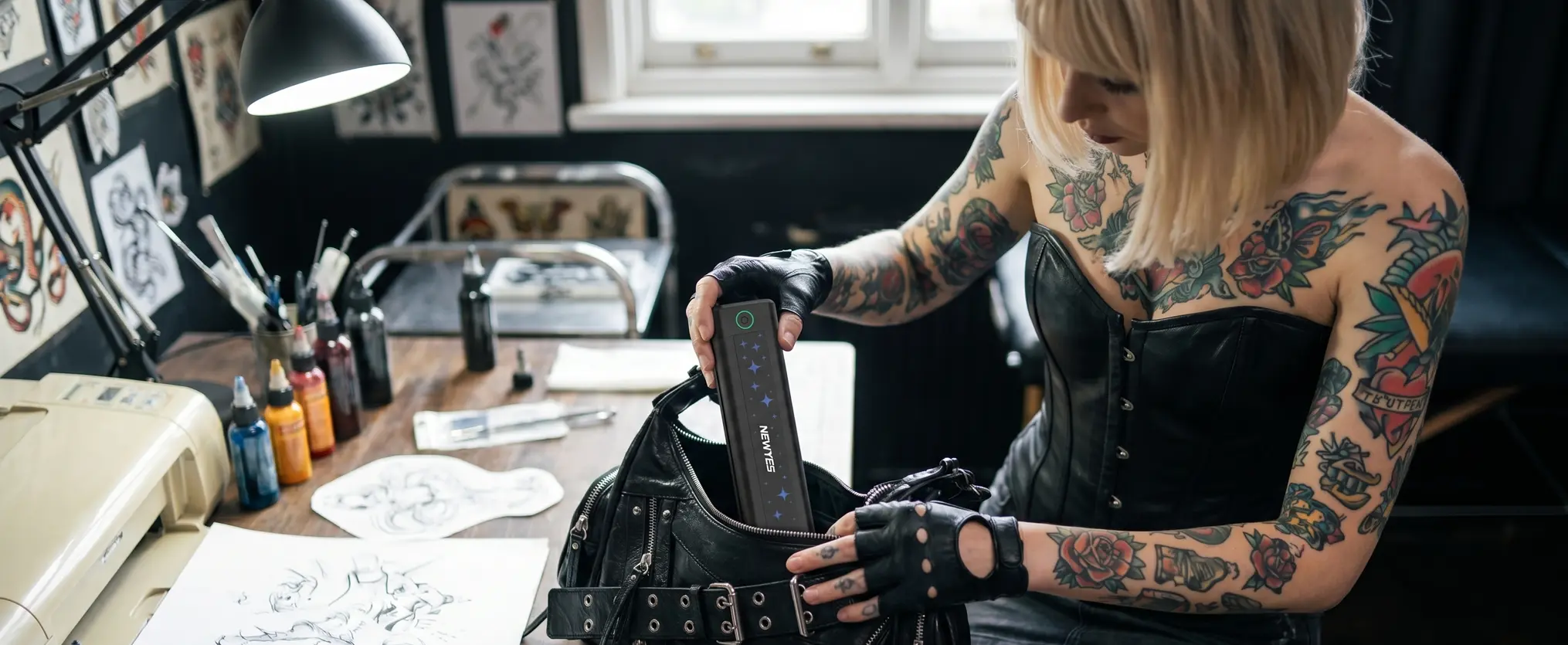
That is the gap NEWYES is trying to address with its Wireless Portable Tattoo Printer Kit. The pitch is straightforward: preserve more of the original digital detail, then produce a matte, high-contrast transfer that is easier to read from multiple angles. For artists working in precision-heavy styles, that matters because the stencil should not feel like a downgraded version of the design after hours spent building smooth transitions and microscopic structure.
The workflow gains are part of the story too. A better thermal transfer setup can speed up placement, reduce the time spent manually aligning paper, and cut down on the fight against glare. In a geometric session, those minutes matter because the stencil has to stay readable while the artist checks balance, centers the design, and confirms that the structure fits the body rather than just the page.
This is also why the market is paying attention. Thermal stencil printers are already being marketed by supply companies as essential tools for crisp, reliable professional stencils. Spirit Tattoo, for example, says its thermal transfer paper is compatible with all thermal printers, and that it has manufactured its transfer paper in the United States since 1946. That kind of positioning makes clear that stencil quality is now treated as a premium feature, not a basic afterthought.
Stencil quality has always been a technical tradeoff, just with different tools
The current digital debate sits on top of a very old problem: how to move a design faithfully from one surface to another. Tattoo Archive traces stencil use back centuries, noting that 19th-century tattooists used hectograph ink and pencils with rice paper, and that paper stencils were generally one-time use. By the 1980s, thermofax machines had changed the game by instantly copying most designs onto paper transfers.
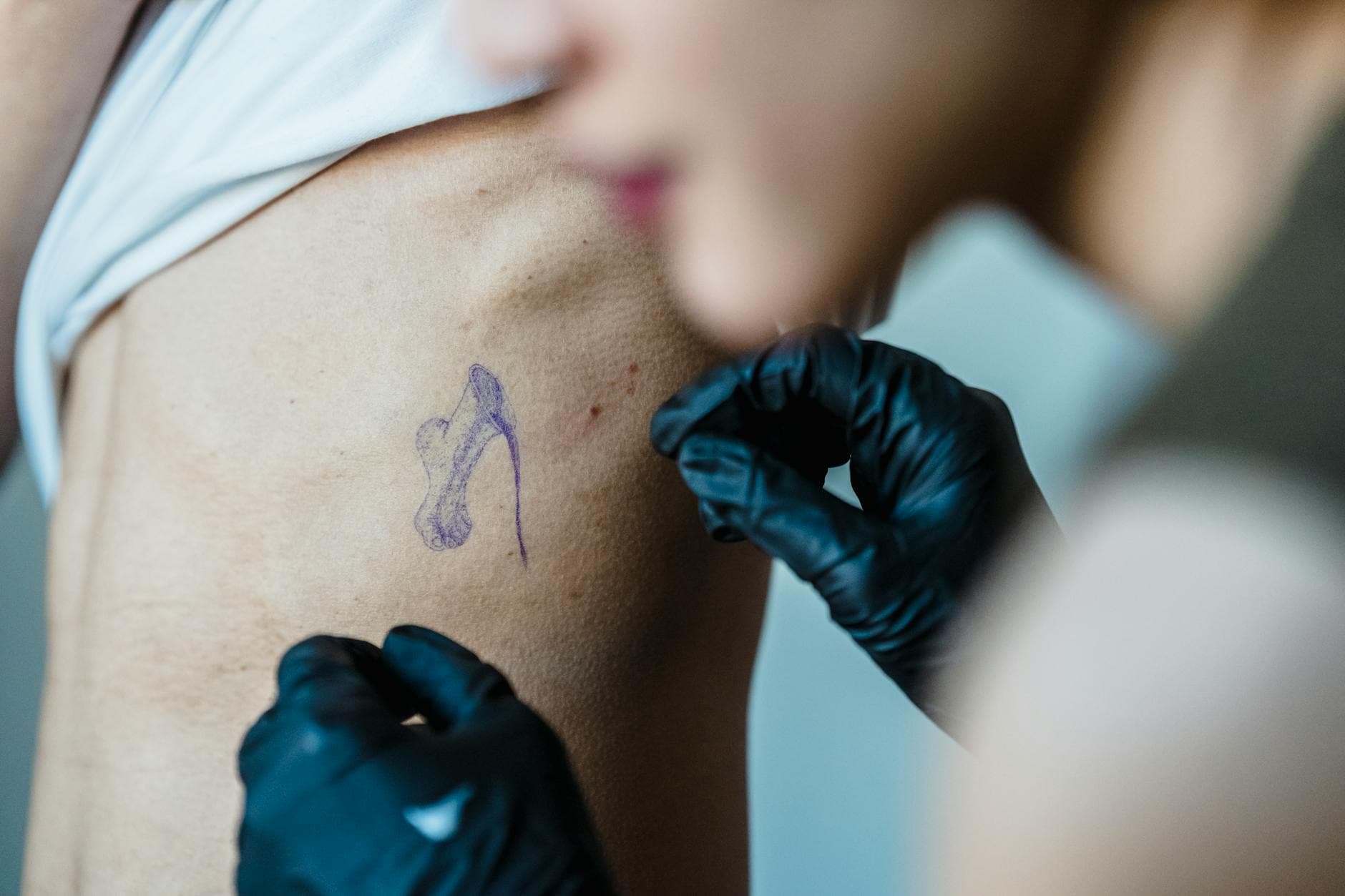
That history matters because the trade has always balanced speed, fidelity, and craft. Tattoo Archive also notes that line drawings work best for thermofax-style transfers, which helps explain why today’s geometric artists care so much about crisp edges and readable structure. When the underlying design depends on clean geometry, the transfer method is not just a convenience. It is part of the quality control.
A 2021 study in BMC Medical Education reinforces the same logic from another angle. The researchers described how the final digital image file is printed onto transfer paper, and they produced 10 different 2-dimensional transfer tattoos as a reproducible training and assessment method. The setting was medical simulation, not tattooing, but the takeaway overlaps cleanly: when exact repetition matters, digital transfer becomes valuable because it can preserve standardized output.
What better stencil workflow means for the finished tattoo
For geometric work, better stencil quality is not about making the setup look slick. It is about making the tattoo more accurate from the first pass and more dependable once it heals. A stencil that stays readable and true to the drawing gives the artist a stronger map for symmetry, spacing, and line placement, which means the finished tattoo begins with cleaner structure and fewer compromises.
That also improves the client experience in a very direct way. A cleaner transfer shortens the back-and-forth in the chair, reduces the chance of repeated repositioning, and helps the artist commit to a placement with confidence. When the stencil holds detail instead of flattening it, the session becomes less about rescuing the design and more about executing it well.
That is the real shift in precision tattooing right now. The stencil is no longer the disposable middle step between drawing and machine. In geometric tattooing, it is the hidden make-or-break stage, the place where symmetry either survives the move to skin or starts to fall apart.
This article was produced by Prism’s automated news system from verified source data, official records, and press releases, then run through automated quality and moderation checks before publishing. The system is built and supervised by the people who set the standards it runs under. Read our full AI policy.
Did this article answer your question?