Former Rockstar producer says Houser brothers are hands-on and exacting leaders
John Ricchio said Sam Houser played every Rockstar game, and that every R-Star release faced top-level scrutiny. The praise also hints at the pressure behind the polish.

John Ricchio said Sam Houser played every Rockstar game, and that nothing with an R-Star label escaped scrutiny from the top. The former Rockstar producer, who helped develop Grand Theft Auto V, Red Dead Redemption and Max Payne 3, described Sam and Dan Houser as hands-on leaders who were close enough to the work to shape the studio’s tone, pace and standards.
Ricchio’s résumé gives the comments real weight. Grand Theft Auto V originally launched in 2013, Red Dead Redemption in 2010 and Max Payne 3 in 2012, three releases that helped define Rockstar’s modern identity. He also said he had gone to dinner with the Houser brothers and described them as brilliant and smart, while making clear that their involvement was not ceremonial. Ricchio said he has been unemployed for some time because the industry is in a rough spot, which gives the interview a personal edge beyond studio mythology.
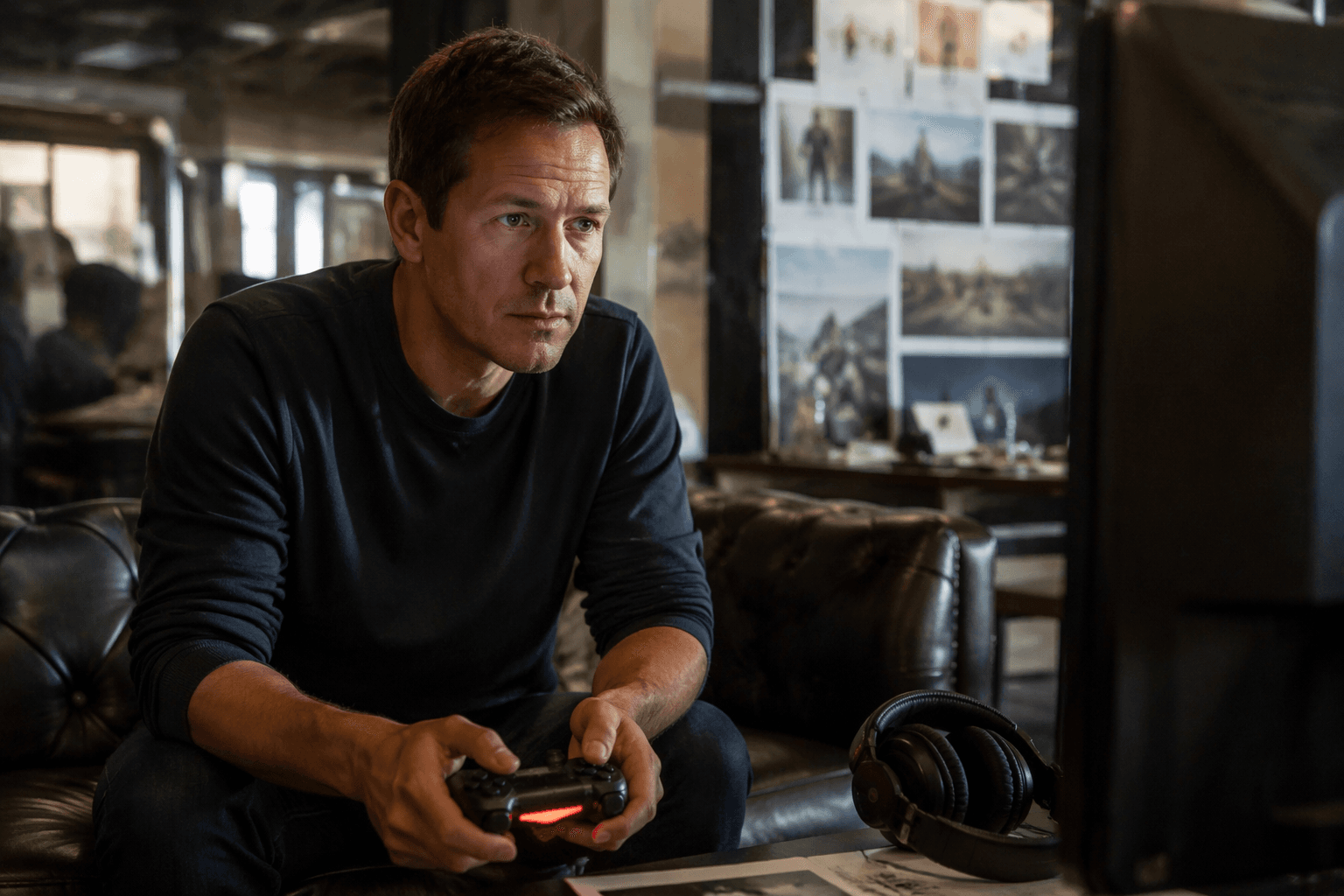
That level of oversight fits Rockstar’s history. Rockstar Games was established under Take-Two Interactive in 1998, and Sam Houser, the company’s co-founder and current president, has remained closely tied to the output. Dan Houser served as vice president of creativity before Take-Two announced his resignation in February 2020, with March 11, 2020 as his last day at Rockstar. By then, the brothers’ era of direct creative control was already giving way to a new chapter.
The same hands-on reputation has long carried a darker side. In October 2018, Dan Houser’s comments about multiple 100-hour weeks on Red Dead Redemption 2 ignited a crunch controversy, and Rockstar responded publicly that it did not expect everyone else to work that way. Later coverage turned crunch into a much wider industry conversation, and Ricchio’s account lands squarely in that tension: the same exacting review that can make a Grand Theft Auto or Red Dead game feel unusually finished can also make the process punishing.
Ricchio’s central point was simple, and it goes to the heart of why Rockstar games look and feel different. Sam Houser played everything, Dan Houser pushed the creative identity, and every release passed through a level of scrutiny that most studios never try to match. That is part of why the label still means something to GTA fans.
This article was produced by Prism’s automated news system from verified source data, official records, and press releases, then run through automated quality and moderation checks before publishing. The system is built and supervised by the people who set the standards it runs under. Read our full AI policy.
Did this article answer your question?