New breweries shift toward brewpubs and taprooms as distribution fades
New brewery openings are tilting toward taprooms and brewpubs because those models fit a tighter market better than chasing distribution. The numbers now favor places built for visits, not shelf space.
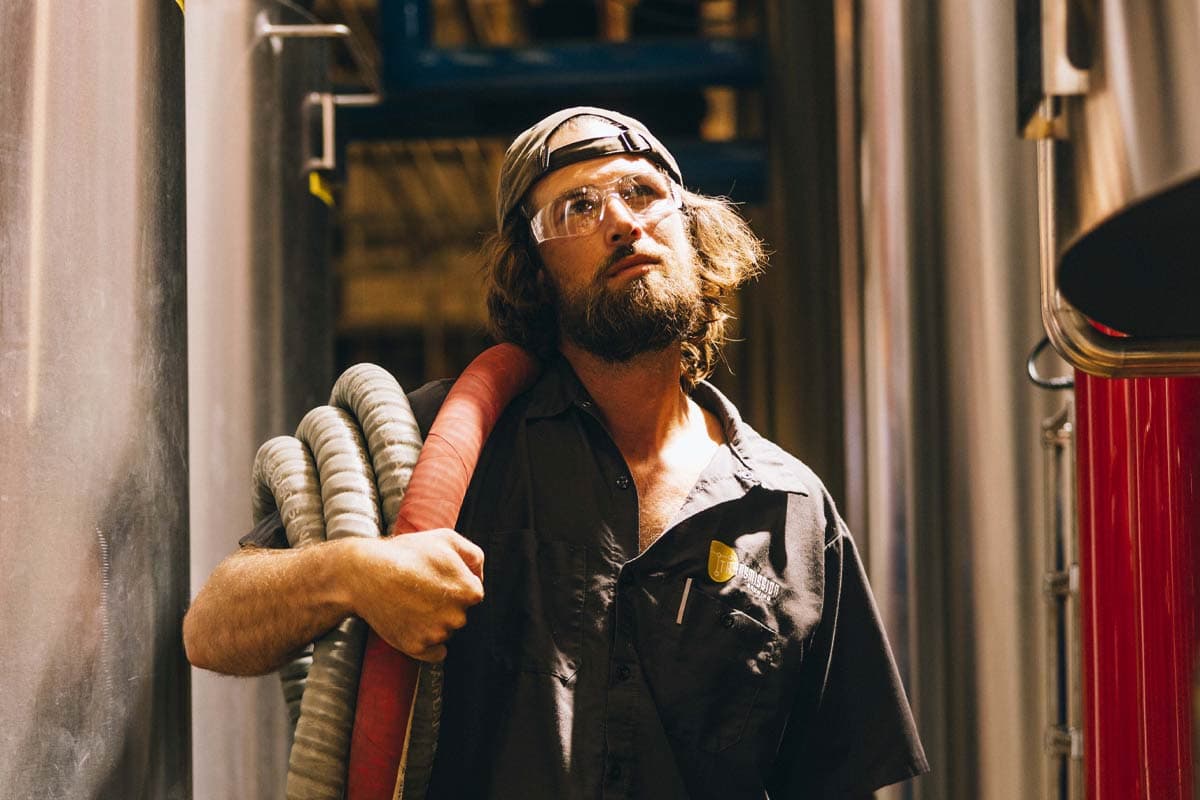
A former craft beer space in Herndon, Virginia, is getting a second life as Hawkley Brewing. Instead of building for far-flung distribution and hoping the market keeps up, founders Monte Hawkins and brewer Mike Kulha are leaning into food trucks, live music, and community events in a neighborhood setting. That same logic is showing up far from Northern Virginia too, from Blume & Ferris Public House in the Chicago suburbs to other projects built less like factories and more like places people actually go to spend an evening.
The new brewery opening is a hospitality play
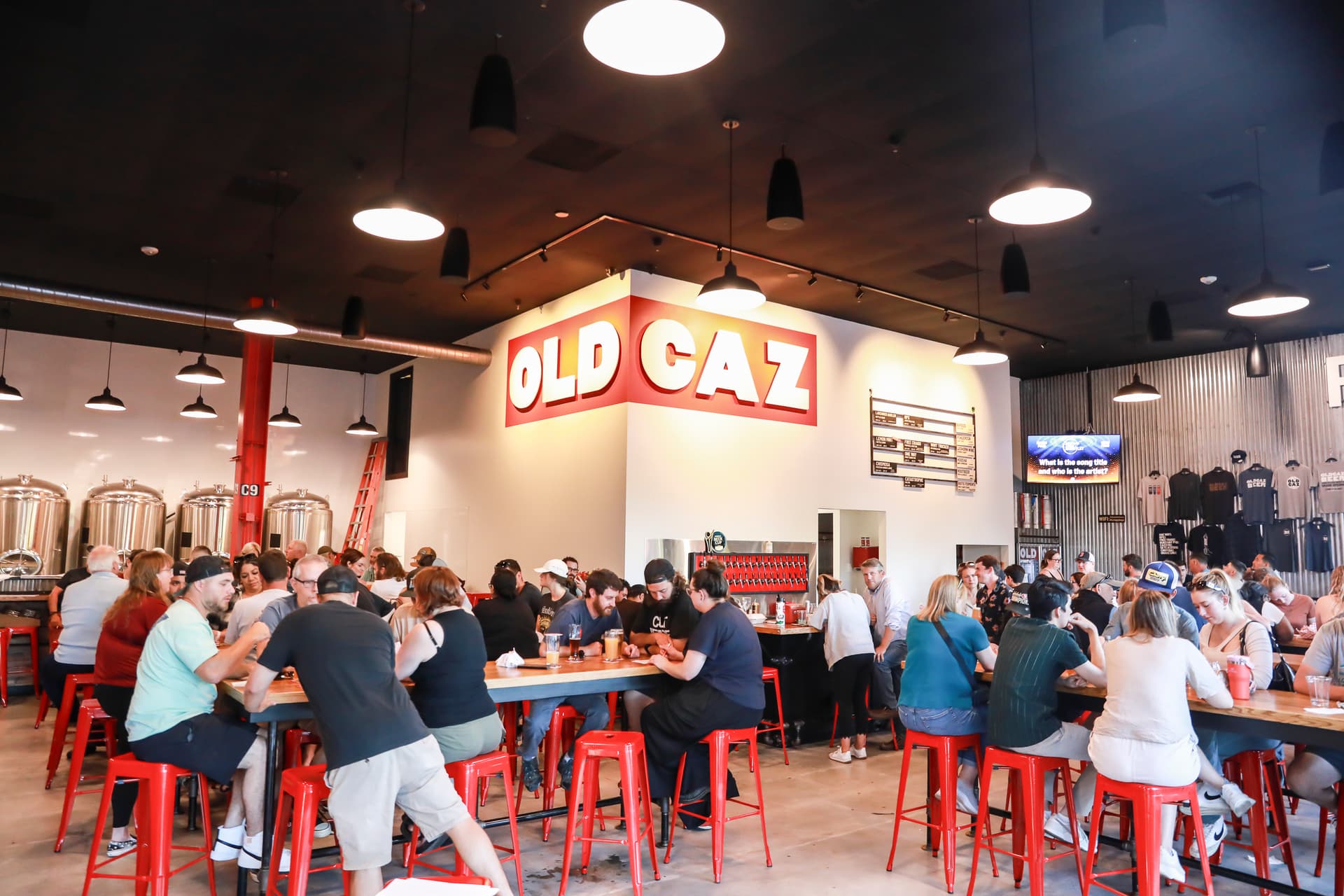
The shift is clear in the Brewers Association’s Sunrise: Brewery Openings analysis. In 2015, distribution-focused openings still made up 33 percent of new breweries, roughly even with brewpubs at 33 percent and taprooms at 34 percent. By 2025, that balance had changed completely: distribution-focused openings had fallen to 9 percent, while brewpubs rose to 44 percent and taprooms to 46 percent.
The default new-brewery model is no longer “make beer, push kegs, grow the footprint.” It is “make beer, create a place, own the experience.” Blume & Ferris Public House fits that shape neatly, with its Irish country pub concept in the Chicago suburbs, and Hawkley Brewing does too, with a location choice that turns a known beer site into a local gathering spot instead of a broad-scale production bet.
Why the distribution-first play has cooled off
The decline in distribution-focused openings tracks with the rest of the market. Brewers Association data show that in 2024, the U.S. craft brewing industry had 9,612 operating breweries, produced 23.1 million barrels, and still reached $28.9 billion in retail value. But production was down 4 percent from 2023. It is a mature market, and Matt Gacioch put it plainly: “in a mature market, not every year is going to be defined by substantial growth.”
The year that followed only reinforced that point. The Brewers Association tracked 268 new brewery openings and 434 closings in 2025, with closings representing 4.4 percent of total operating breweries. It called 2025 likely the second straight year in which closings outpaced openings and named changing consumer behavior, retailer rationalization, inflation, tariffs, and more competition as the pressure points. That is the backdrop behind the shift to taprooms and brewpubs: distribution is harder, more crowded, and less forgiving than it was when the craft boom still had momentum.
What small on-site models are buying that production-first breweries are not
The appeal of a taproom or brewpub is not just romantic, and it is not just about pouring pints in a cool room. These models usually let a brewery start smaller, build around a defined neighborhood footprint, and keep the business closer to the people drinking the beer. That matters when retailer shelf space is tighter, wholesalers are more selective, and the cost of reaching drinkers away from your own front door keeps rising.
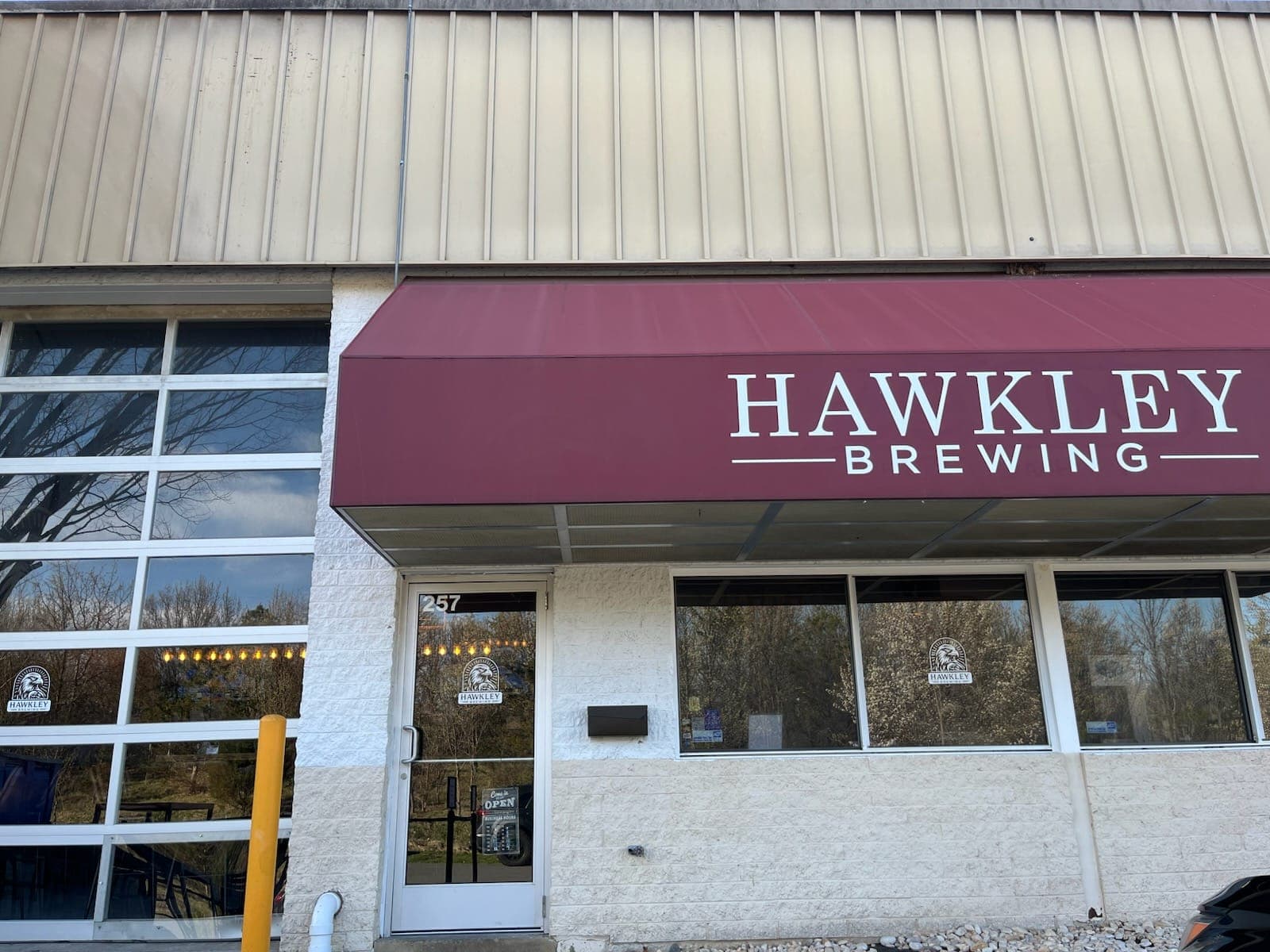
Nearly half of respondents in the Brewers Association’s 2025 midyear report reported production growth, especially among small on-site models. The businesses showing more resilience are not necessarily the biggest ones or the most widely distributed. They are the ones that can turn a Saturday crowd, a food truck schedule, and a regulars’ calendar into steady revenue without needing a long distribution pipeline to work in their favor.
For drinkers, that often means the brewery experience is getting more local and more specific. Instead of another anonymous industrial unit with a canning line and a broad portfolio, you get a room with a point of view, whether that is an Irish country pub in the Chicago suburbs or a revived beer landmark in Herndon with live music and community events on the calendar.
What this means if you are planning a brewery
If you are thinking about opening one, the market is still open for breweries, but it is far less interested in generic production growth than it was a decade ago. The numbers point toward concepts with lower startup risk, more direct customer contact, and a business model built around repeat visits rather than wholesale velocity.
This article was produced by Prism’s automated news system from verified source data, official records, and press releases, then run through automated quality and moderation checks before publishing. The system is built and supervised by the people who set the standards it runs under. Read our full AI policy.
Did this article answer your question?