Silicon Valley Sudzers trade water chemistry tips and beer feedback
The Sudzers turned a Sunday meeting into a working brew lab, tasting eight homebrews and drilling into water chemistry, dry hopping, and yeast temperature. A county fair comp still shaped the talk.
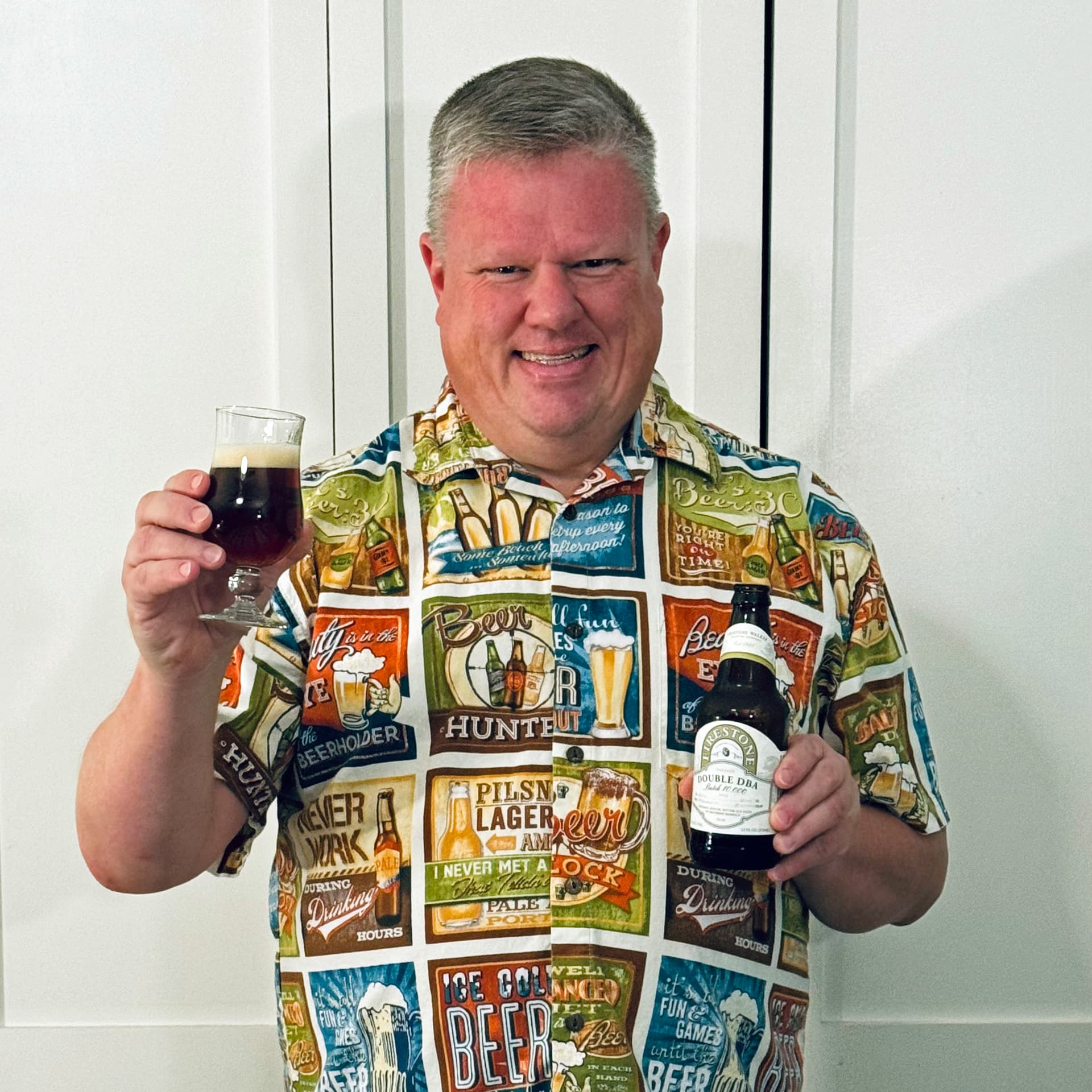
Silicon Valley Sudzers turned a Sunday afternoon at Wagon Wheel BBQ in Mountain View into the kind of session homebrew clubs are best at: a table full of beer, a lot of process talk, and feedback that can improve the next batch. The club met on Sunday, July 12, from 4:00 pm to 6:00 pm, and the agenda was practical from the start, with eight homebrews on the table and a long discussion about what actually changes beer in the glass.
A club meeting that works like a brew bench
That setup is not accidental. The Sudzers have been “brewing, sharing, and drinking great beer together in the Silicon Valley” since 1997, and the monthly meeting cadence gives that history some structure. Their listing calls for a 4:00 pm start on the second Sunday of each month at Wagon Wheel BBQ, which makes the club feel less like a casual hangout and more like a standing lab night with snacks.
That matters because the club is doing more than keeping people social. The July notes show members using the meeting to compare process decisions, evaluate finished beer, and move problems out of the brewing garage and into a room full of people who know what matters. When a club gets that rhythm right, the tasting table becomes a feedback loop instead of just a pour line.
The technical notes worth stealing
The sharpest part of the July discussion centered on water chemistry, dry hopping, and fermentation temperature in German weissbier strains. Those are not abstract talking points. Water chemistry can change mash performance and the character of the finished beer, so it is one of the few “behind the scenes” variables that can quietly make or break an otherwise solid recipe.
Dry hopping drew its own attention because it is still one of the most consequential techniques for hop-forward beer. Aroma is the point, but timing, contact time, and hop load all shape whether the result lands bright and expressive or muddy and vegetal. In a club setting like this one, those comparisons are useful because different members can point to the same style and explain why one dry-hop schedule delivered a cleaner nose than another.
Fermentation temperature came up for a good reason too. German weissbier strains are especially sensitive to temperature swings, and that control affects ester and phenol expression, the signature banana-and-clove profile that makes wheat beer taste like wheat beer. The Sudzers’ notes treat that as a real process variable, not a theory, which is exactly the right way to talk about it if you want repeatable beer.
Eight beers, one round of feedback
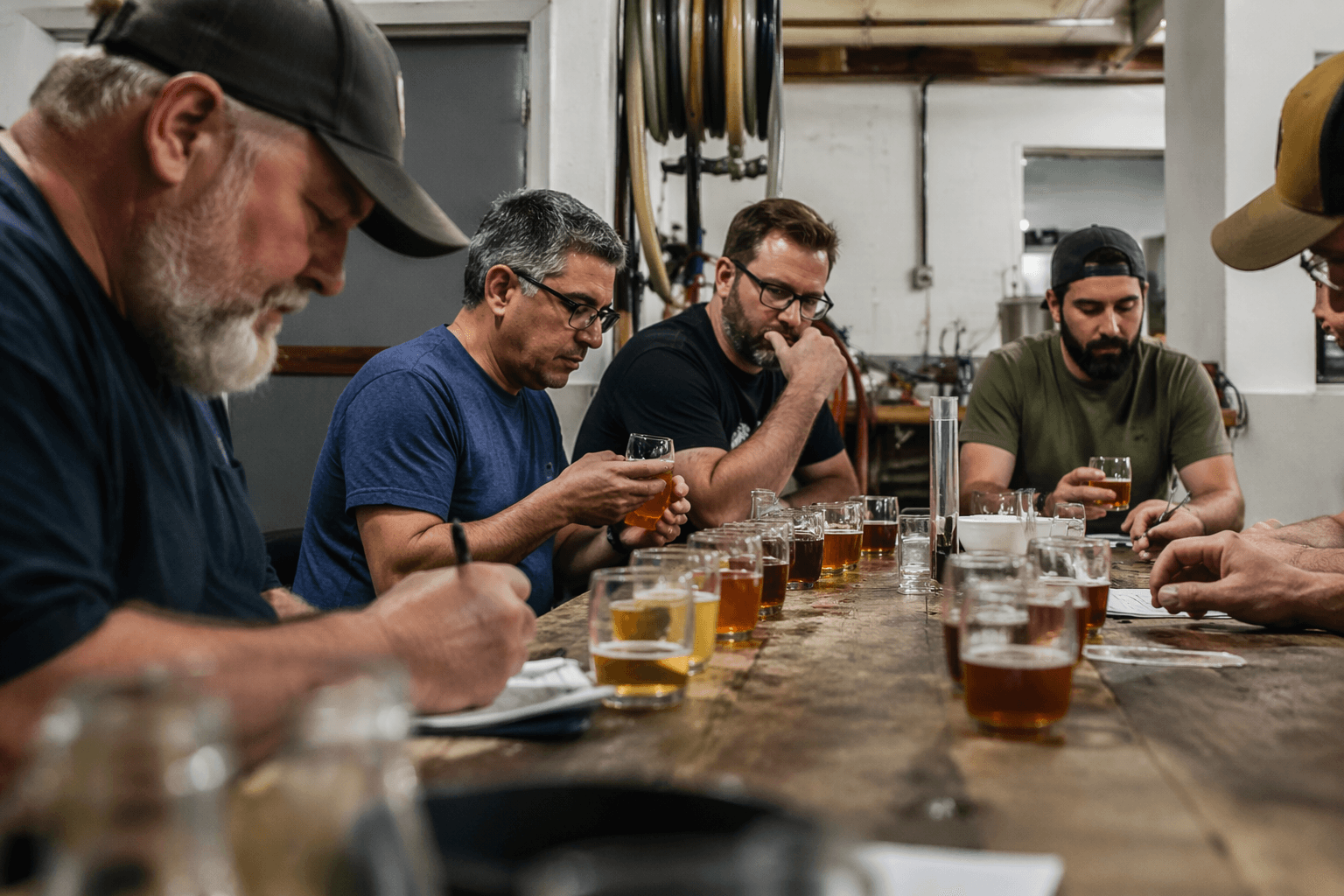
The club tasted eight homebrews at the July meeting, and that number is useful. It is enough beer to show range without turning the night into chaos, and it gives the group a chance to compare styles, carbonation levels, aroma expression, and fermentation character side by side. In practice, that is where clubs earn their keep: one brewer brings a beer that nailed hop aroma, another brings a wheat beer that shows what better temperature control can do, and everybody in the room gets a sharper palate for the next batch.
That kind of tasting also teaches something a recipe sheet cannot. A beer can be technically sound and still need a tweak, and a club table is where those tweaks get named in plain language. The July meeting’s lively discussion around the beers suggests the Sudzers are using tasting as a diagnostic tool, not just a social excuse to open bottles.
Why the competition calendar still matters
The meeting also touched the Santa Clara County Fair homebrew competition, which is exactly the kind of outside deadline that keeps a club moving. The American Homebrewers Association had the Santa Clara County Home Brew Competition listed for Saturday, July 26, but the Santa Clara County Fairgrounds later said the 2026 competition had been cancelled. Even with that cancellation, the event still sat at the center of the month’s talk because competition deadlines shape what people brew, when they package, and what they want judged.
The fair’s rules make clear why club brewers care. The contest is sanctioned by the Beer Judge Certification Program, and it is open to amateur beer makers 21 years of age and older. That gives the event a real benchmark value, since BJCP judging turns a club beer into more than a friends-and-family sample.
The rules book also ties the competition to the larger fair apparatus, naming Sandy Shayesteh and Salene Duarte among the fair organization contacts and listing the Santa Clara County Board of Supervisors and fairgrounds management leadership in the 2024 rules book. That institutional backdrop matters because it shows the competition is not a pop-up side event. It sits inside a county fair structure, which is why clubs track it even when the calendar shifts.
What another club can lift from the Sudzers
The Sudzers’ July meeting offers a simple template that any homebrew club can use without getting fancy:
- Put the tasting in the middle of the meeting, not at the end, so the room stays focused on feedback rather than drifting into pure social time.
- Choose one or two technical topics and go deep. Water chemistry, dry hopping, and fermentation temperature gave the Sudzers enough material to compare process choices without scattering the conversation.
- Keep competition calendars in the mix, even when dates change. The Santa Clara County Fair competition was enough of a reference point to shape the month’s brewing priorities.
- Treat club allocations and distributions, like the Dark Matter handoff for members who had not yet received theirs, as part of the club’s operating rhythm. Those little logistics keep people engaged between meetings.
The best homebrew clubs do not just share beer, they compress years of trial and error into one evening. The Sudzers made that plain at Wagon Wheel BBQ: eight beers, a handful of hard brewing variables, and a room that still sounds like a working brewery in miniature.
This article was produced by Prism’s automated news system from verified source data, official records, and press releases, then run through automated quality and moderation checks before publishing. The system is built and supervised by the people who set the standards it runs under. Read our full AI policy.
Did this article answer your question?