Singapore’s People People Brewing Co. Debuts Tank-to-Tap Brewery Venue
Singapore’s People People Brewing Co. opened with a rare tank-to-tap setup at Resorts World Sentosa, pouring beer straight from five 1,500-litre tanks.
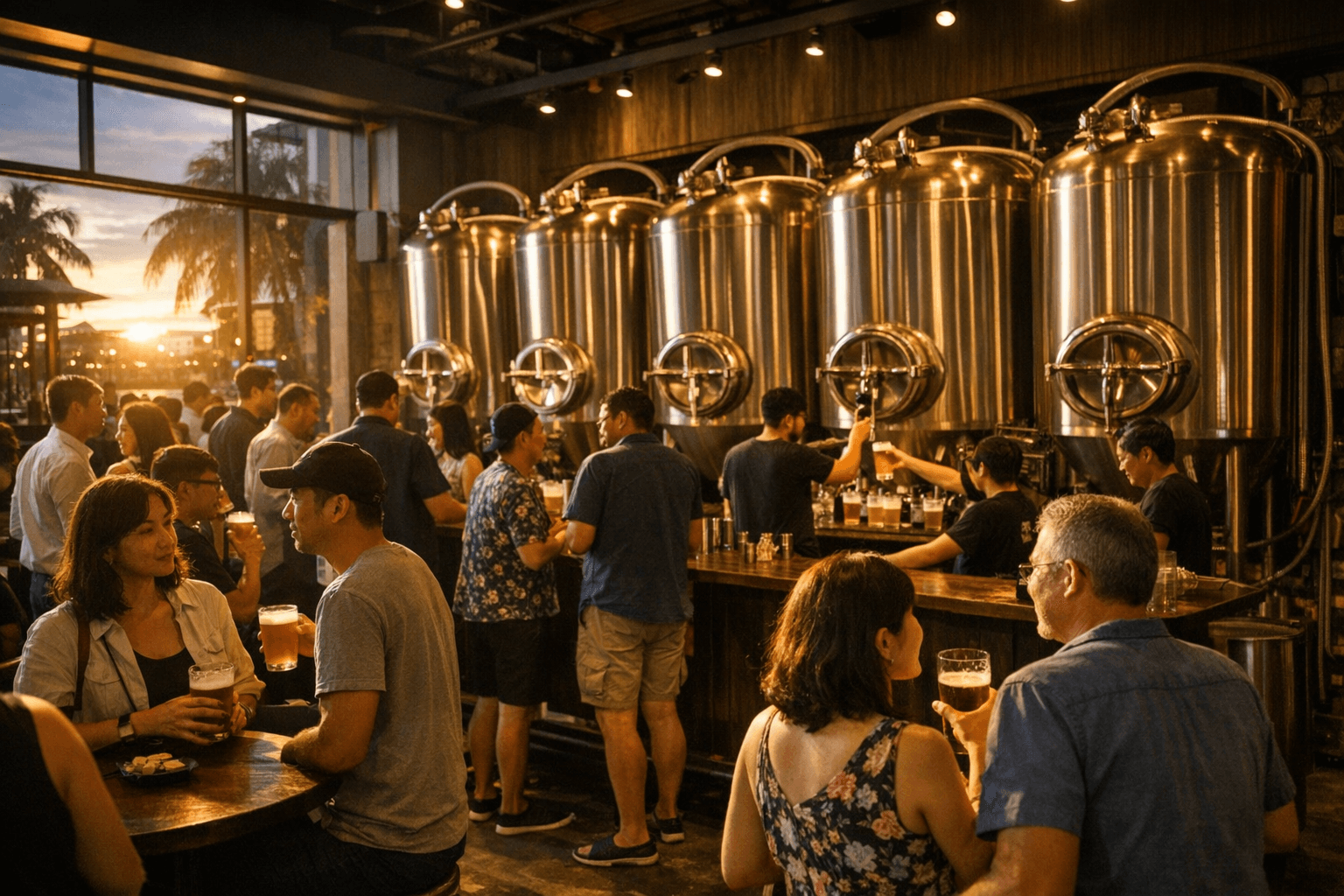
People People Brewing Co. opened at Resorts World Sentosa with a format that cuts through the usual brewery-restaurant blur: beer brewed on site, held in five 1,500-litre tanks, and poured straight to guests through custom taps. The 9,000-square-foot venue is built as much for the room as for the beer, pairing a working brewhouse with a social hall, live music, and wood-fired food that gives the place the feel of a destination rather than a quick stop for a pint.
The project carries a heavy-hitting Singapore hospitality lineup. Chef Dave Pynt of Burnt Ends is part of the collaboration, along with Unlisted Collection founder Loh Lik Peng, brand builder Pete Thew, and strategist Jason Moy. On the brewing side, Nick Calder-Scholes is leading the program, giving the operation the technical depth it needs if the concept is going to succeed on more than novelty. A tank-to-tap room lives or dies on consistency, and Calder-Scholes brings the kind of international résumé that suggests the beer program was built with repeat business in mind, not just opening-week buzz.
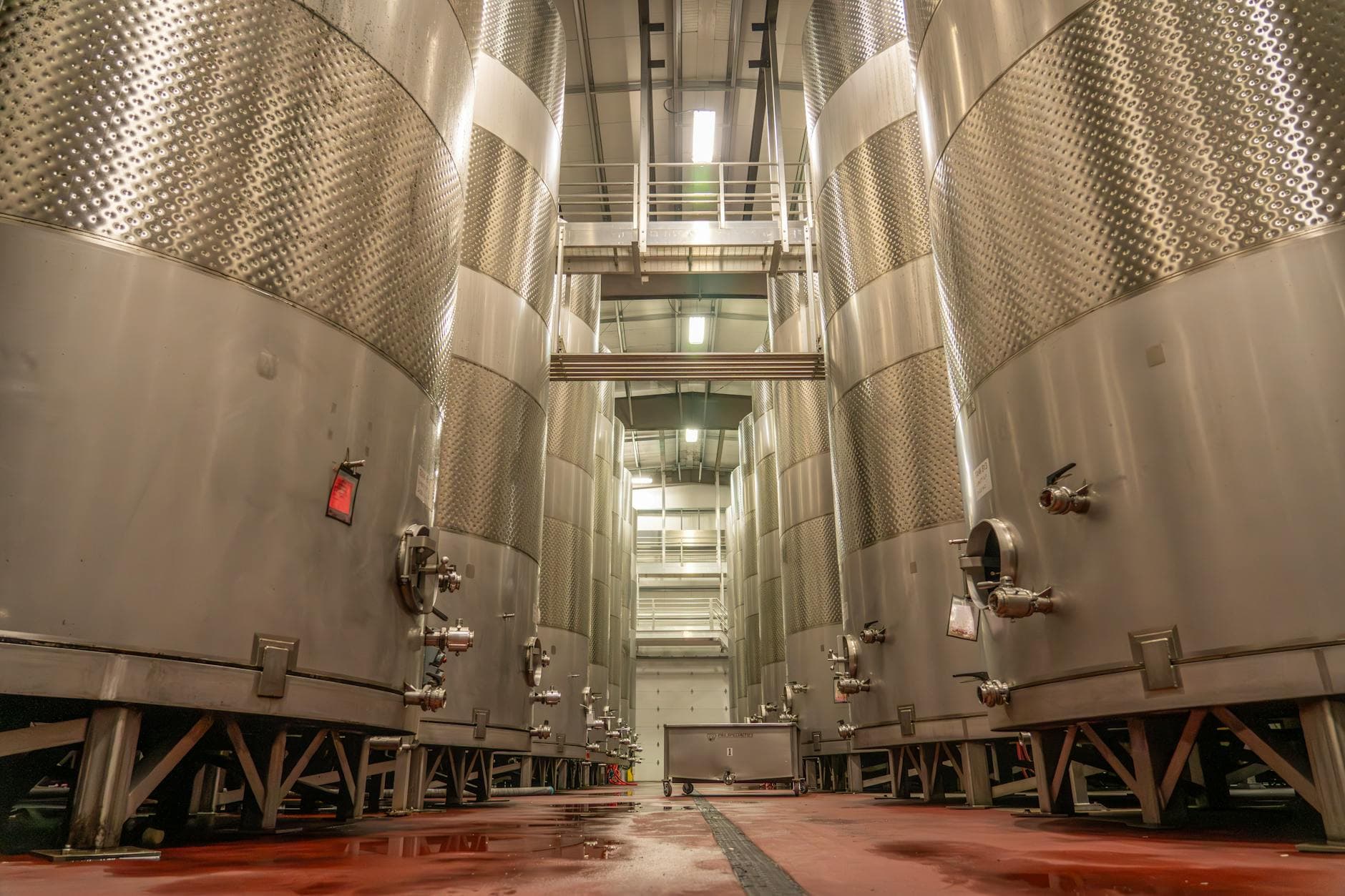
What makes the setup notable for beer people is the directness of it. This is not a restaurant with a few polished draft lines tucked into the bar. It is an intentionally visible production space where patrons can watch the brewing process and then drink the beer in the same venue, with freshness built into the service model. The tanks are part of the show, but they are also the point: less handling, shorter distance from cellar to glass, and a cleaner line between what comes out of the brewhouse and what lands in front of the customer.
The rest of the room reinforces that idea. People People is aimed at lingering, not churn, with casual food and a social hall layout that encourages a longer stay. That matters in a city like Singapore, where brewery concepts increasingly have to compete on architecture, food, and atmosphere as much as on hop schedules or lager polish. In that sense, the opening is a useful marker for where urban craft beer is heading: mixed-use districts, recognizable culinary names, and a venue design that makes the brewery itself part of the draw. For homebrewers and future taproom owners, the lesson is blunt and practical: freshness sells, but the room has to earn the second pint.
This article was produced by Prism’s automated news system from verified source data, official records, and press releases, then run through automated quality and moderation checks before publishing. The system is built and supervised by the people who set the standards it runs under. Read our full AI policy.
Did this article answer your question?