50 ways to keep hyperenergetic dogs exercised, engaged and happy
A daily walk is the floor, not the finish line. These 50 outlets turn hyperenergetic dogs toward sprinting, sniffing, thinking, social time, and calm bonding.

Bored dogs may make their own fun, sometimes through destructive chewing. A basic walk helps, but hyperenergetic dogs usually need a fuller menu: movement, mental work, sniffing, and time with their people.
Sprinting and sweat
1. Upgrade the neighborhood walk into a run.
Walking or running gives dogs both physical activity and mental stimulation.
2. Add hills to the route.
Inclines turn an ordinary outing into strength work for dogs that seem to have a second wind the moment you turn for home.
3. Turn one walk into a longer hike.
The extra distance and terrain changes keep a dog busy in body and brain without needing special equipment.
4. Head into countryside areas.
Open country gives a hyperenergetic dog more room to move, more scenery to process, and more chances to settle into a real outing.
5. Walk forest trails.
Forests are packed with changing sights, sounds, and smells, so even a steady walk feels more demanding than a flat loop around the block.
6. Plan a national parks day.
National parks can turn exercise into an all-day adventure, with enough novelty to keep a dog mentally switched on as well as physically tired.
7. Make the dog park a sprint session if your dog fits that setting.
A good dog park visit gives fast movement and social play, but the dog has to be a match for the space.
8. Let swimming do the heavy lifting.
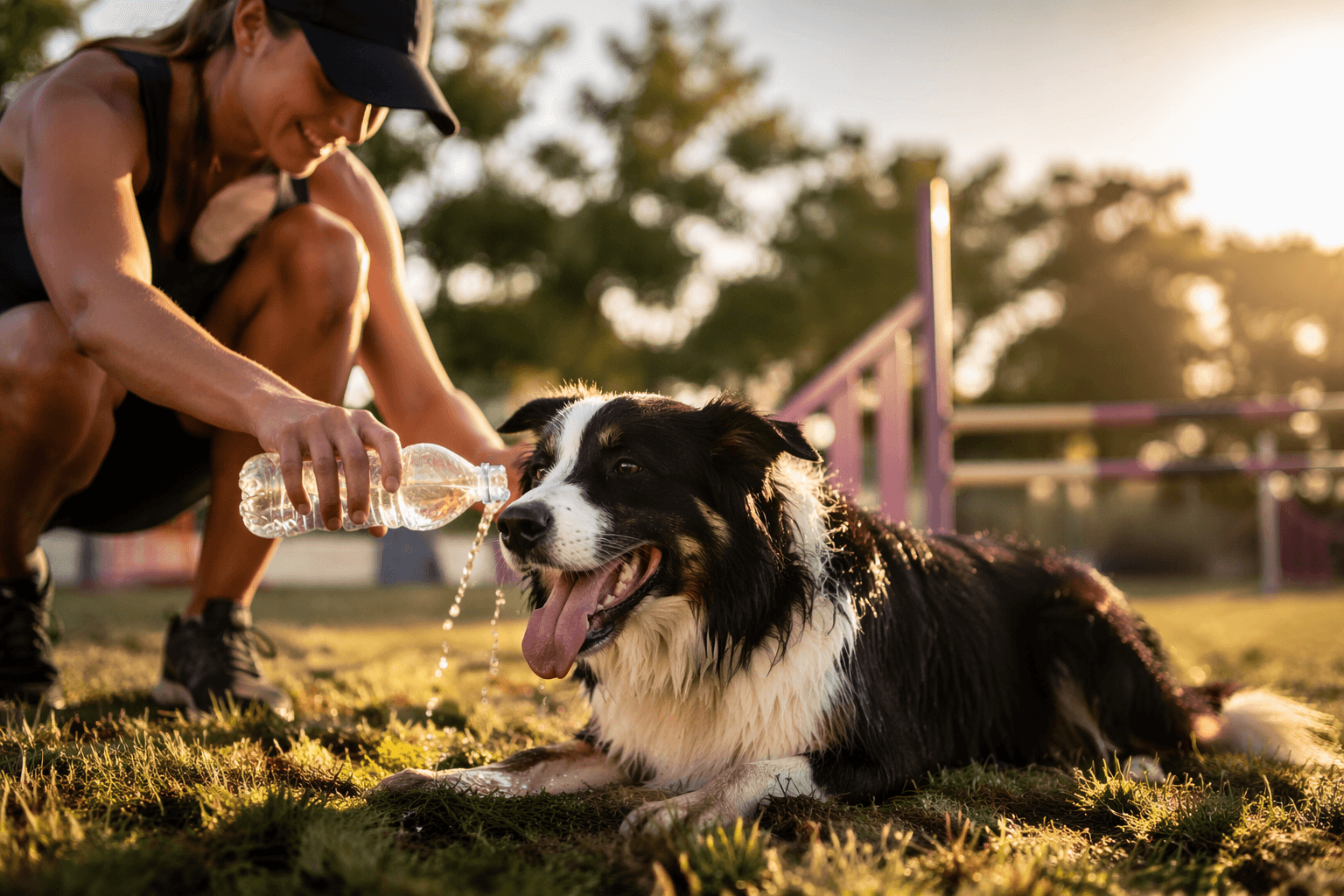
Water work is a strong option for dogs that need exercise with less pounding on their joints.
9. Use a canine life jacket for extra security in the water.
The right safety gear matters most when you are asking a dog to work hard in unfamiliar conditions.
10. Join AKC FIT DOG.
The program launched in 2022 to encourage owners and dogs to stay active together, and it gives structure to dogs that do better with a plan than with random laps around the yard.
Problem-solving and brain work
11. Start with a five-minute training block.
Socializing and training help strengthen the human-animal bond, and short sessions are often easier for a high-drive dog to absorb.
12. Refresh basic obedience.
A quick sit, stay, and recall session gives a busy brain a job.
13. Teach one new trick.
New cues demand focus, and focused work is a clean outlet for dogs that seem to be hunting for a project.
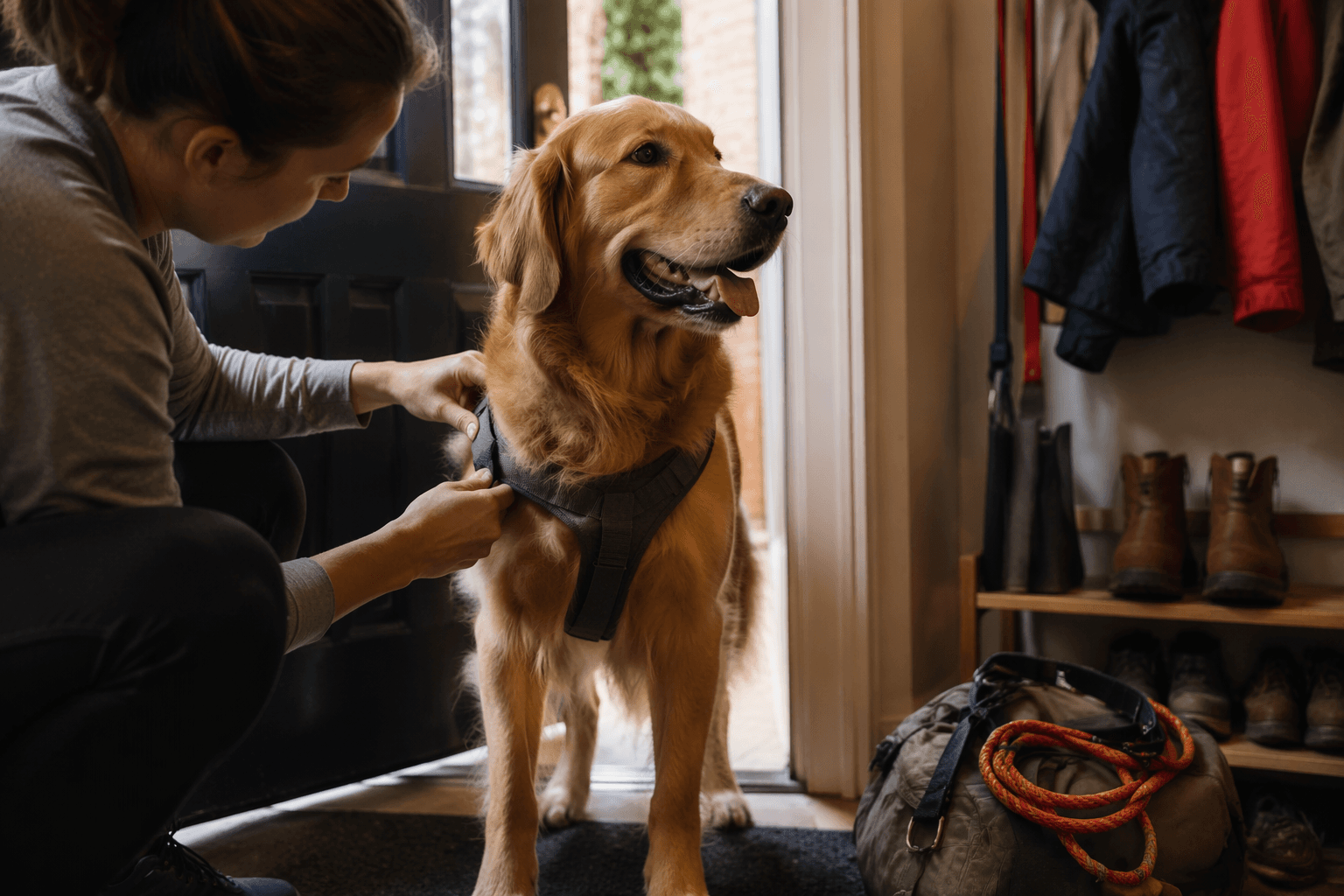
14. Practice leash manners indoors before you head outside.
That turns part of the energy into control, which pays off on the next real walk.
15. Make mealtime a training chance.
A dog that has to work for kibble is doing more than eating, it is solving a problem.
16. Scatter feed in grass or around the house.
This taps the scavenging instinct and slows down a dog that inhales meals.
17. Offer safe chew time.
Chewing is one of the behaviors dogs naturally seek out, so giving them an appropriate outlet can keep the furniture out of the line of fire.
18. Rotate the challenge before boredom sets in.
Dogs who do not get enough stimulation may create their own enrichment.
19. Read wild behavior as a clue, not a personality trait.
Dogs may show wild behavior when attention, exercise, relief, or food needs are not met.
20. Call the vet if restlessness becomes a sudden behavior change.
Changes in behavior can signal underlying medical conditions.
Scent work and scavenging
21. Let the nose lead the walk.
Smelling is among the innate behaviors dogs need to practice, and a sniff-led stroll is often more satisfying than a fast march.
22. Turn the woods into a sniffari.
Forest trails are already rich with scent layers, so they naturally give a dog more to process than a bare sidewalk.
23. Give extra sniff time in the countryside.
Open ground rewards curiosity, and a dog that can stop and investigate will often come home calmer.
24. Use the backyard for a scent trail.
A few hidden treats or a line of kibble taps the same scavenging drive that makes dogs so persistent in the first place.
25. Hide treats in the grass.
This is simple, cheap, and effective, especially on days when weather or time keeps you close to home.
26. Build a room-to-room search game.
Sending a dog off to find food or toys gives the brain a job and lets the nose do the heavy lifting.
27. Make walks smellier, not just longer.
A dog that gets to investigate posts, patches of grass, and leaf piles is getting a richer workout than one rushed past every stop.
28. Put a scavenger hunt between meals and naps.
That keeps the day from sliding into the same predictable walk-and-feed loop.
29. Let scent work happen before speed work.
A dog that has had a chance to sniff is often more ready to settle into the rest of the outing.
30. End the adventure with one last smell break.
Social engagement
31. Set up doggy play dates.
Some dogs burn off the most energy when they can move and communicate with another dog they already know.
32. Choose the dog park only if your dog genuinely likes the format.
Dog parks are not suitable for every dog.
33. Check personality, play style, health, and training before you go.
Those four factors can decide whether a dog park visit is fun or stressful.
34. Keep the first dog park session short and positive.
35. Use the dog park as a people-social hour too.
36. Bring your dog to a dog-friendly cafe.
The setting gives your dog exposure to people and noise without demanding constant motion.
37. Try a dog-friendly pub.
It is another easy way to build social time into a day that would otherwise end with the same old home routine.
38. Pack a picnic.
A picnic makes enrichment feel intentional and relaxed, and it works especially well for dogs that need practice settling in public spaces.
39. Plan a shared hike with one calm canine friend.
A smaller social group can be easier to manage than a big pack, especially for dogs that get overstimulated.
40. Mix socialization with training on the same outing.
Socializing and training strengthen the human-animal bond, and that combination gives a busy dog two jobs at once.
Calm bonding and decompression
41. Give your dog a pamper day at home.
Brushing, nail care, soft blankets, and calming music can turn routine grooming into a real bonding session.
42. Brush slowly and thoroughly.
43. Make nail care part of the routine.
44. Add soft blankets after hard exercise.
45. Play calming music during downtime.
46. Practice gentle handling when nothing exciting is happening.
47. Build a settle spot near you.
A mat, bed, or couch corner gives a high-drive dog a place to land without being shut out of the action.
48. Share quiet couch time after the last outing.
49. Protect rest days.
Hyperenergetic dogs still need recovery, and a true day off can keep the next burst of activity from turning into chaos.
This article was produced by Prism’s automated news system from verified source data, official records, and press releases, then run through automated quality and moderation checks before publishing. The system is built and supervised by the people who set the standards it runs under. Read our full AI policy.
Did this article answer your question?