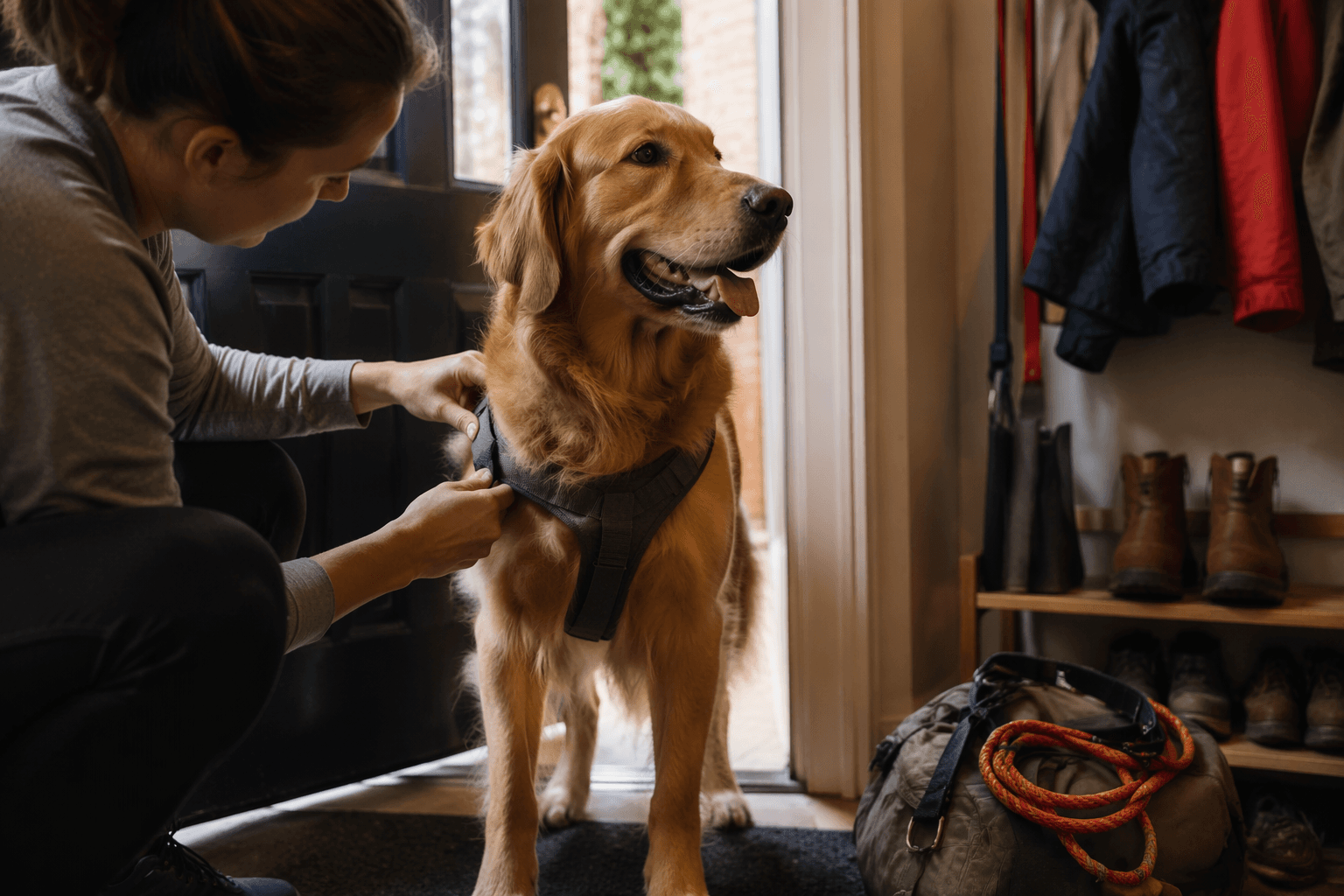
AKC says structure and consistency are key for hyperactive puppies
The fix for a hyperactive puppy is not more chaos-burning exercise. It is early structure, steady rules, and socialization before bad habits harden.

Why structure matters before the energy takes over
The mistake many high-energy puppy owners make is simple: they try to wear the dog out before they teach the dog how to live. The American Kennel Club’s guidance flips that idea on its head, arguing that enthusiasm only becomes manageable when it is paired with routine, boundaries, and consistency from the moment the puppy comes home.
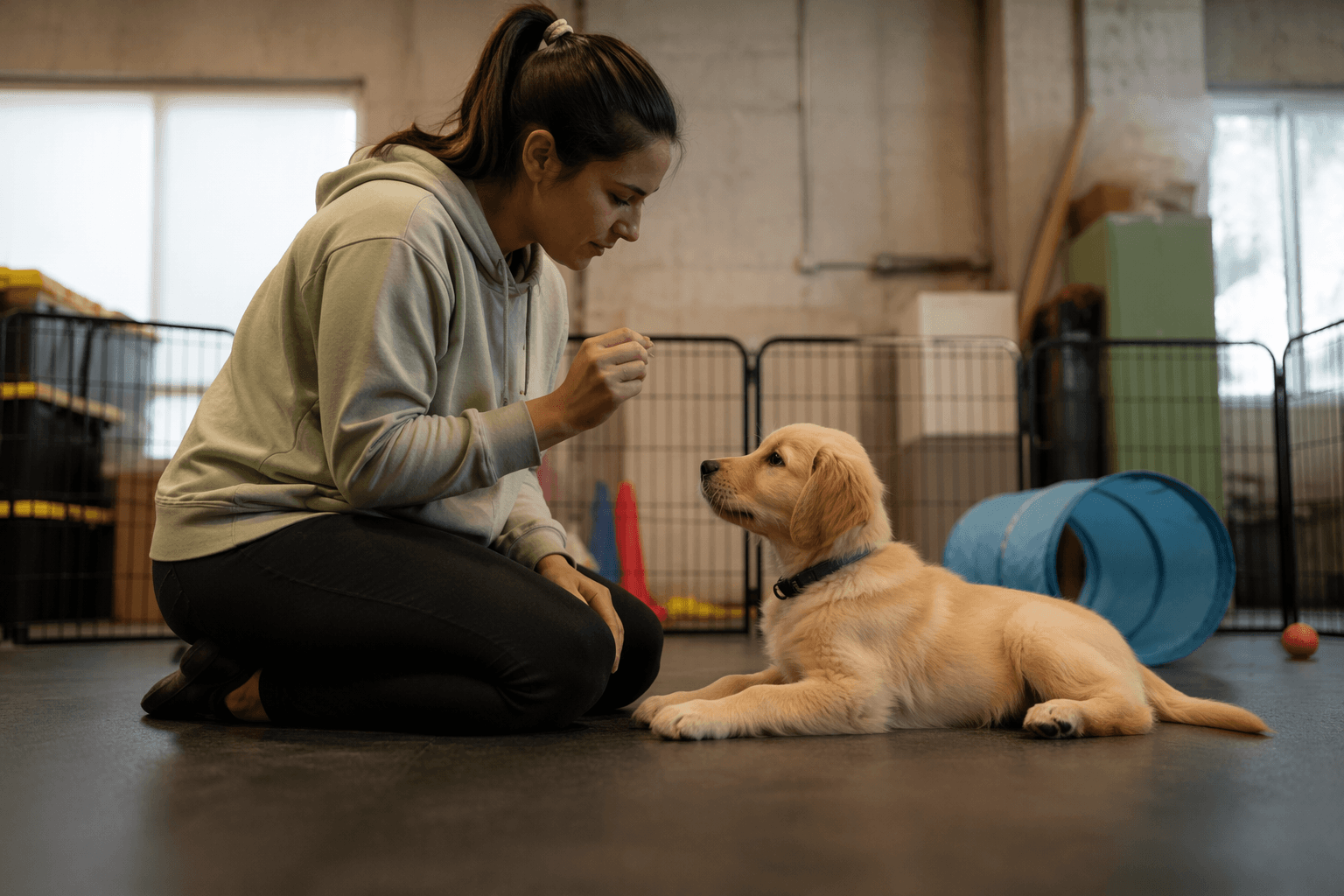
That matters because puppyhood is not just a phase of cute behavior and bursts of zoomies. It is also the period when dogs are learning how to learn. The AKC frames the puppy stage as a fast-moving shift from sweet baby to a much more demanding adolescent period, and around four months old many puppies start testing independence and leadership. For quick, curious, physically confident breeds, that can turn a loose household into a daily negotiation.
The first lessons have to start early
The AKC’s message is blunt: if there is behavior you do not want in an adult dog, do not encourage it while the dog is still small and impressionable. That means the everyday trouble spots need attention right away, before they become habits that feel impossible to undo.
Those pressure points are familiar to anyone living with a hyperactive puppy: jumping on people, getting on furniture, begging at the table, and pulling on leash. The same early standard applies to biting, crowding or dominating children and other pets, and tolerating handling for grooming, nail trims, vet exams, and ear care. Coming when called is part of the same foundation, not an optional extra.
Socialization is not a bonus, it is the window
The American Veterinary Society of Animal Behavior says the first three months of a puppy’s life are the most important socialization period. Puppies can begin socialization classes as early as 7 to 8 weeks of age, and owners who have already passed that milestone are still strongly encouraged to keep socializing. The reason is straightforward: incomplete or improper socialization can increase later fear, avoidance, and aggression.
That warning fits especially well with hyperenergetic puppies, because high drive does not automatically mean confidence in the right places. A dog that is bold at home can still become unsure, reactive, or defensive if the world is kept too small for too long. Overprotection may feel safe in the moment, but it can leave a young dog underprepared for normal life.
What the research says about timing
The broader veterinary evidence backs up the AKC’s practical advice. The American Veterinary Medical Association’s literature review found that puppies with more social contacts or puppy-class attendance before 12 weeks of age were less likely to develop fearful or aggressive behavior. It also reports that dogs attending classes before 20 weeks have shown less fear of thunder, vacuums, and crate training.
The University of California, Davis School of Veterinary Medicine places the critical social development period at roughly 3 to 14 weeks and notes that behavioral problems are a major reason dogs are relinquished. That is a hard reminder that puppy structure is not about being strict for its own sake. It is about preventing the kinds of problems that can push families to the edge later.
A 2024-2025 study followed 101 service-dog puppies from 8 to 20 weeks of age and found that nine of ten measured abilities typically emerged by 16 weeks. In other words, a very large amount of learning, adaptation, and impulse development happens in a short stretch of time. Other studies reinforce the same point, including work that tracked socialization practices in 296 puppy owners and another study of 80 dogs, where puppy-class attendance was tied to adult behavior differences.
Mealtimes are training time
Mealtime is one of the easiest places to prove that structure works. A puppy that learns not to beg at the table, not to rush the food bowl, and not to turn every meal into a scramble is learning that humans set the rhythm. That rhythm matters because a hyperactive puppy often looks for openings, and mealtime is a classic one.
The same logic applies to consistency around food rewards, handling, and calm waiting. If the puppy learns that excitement makes the routine speed up, the puppy will keep offering excitement. If calm behavior is what makes the food appear, that calm starts to become the habit.
Crate time should build confidence, not panic
Crate training is another place where structure either succeeds or breaks down. The AVMA review notes that dogs who attended classes before 20 weeks showed less fear of crate training, which is a strong sign that early positive exposure matters.
That does not mean flooding a puppy with the crate and hoping the dog gets used to it. It means making the crate part of a predictable daily routine, one that includes rest and safety instead of punishment or isolation. For a hyperactive puppy, a crate can become the off switch, but only if the dog learns that settling is normal and that being confined does not always mean something bad is happening.
Play needs rules or it starts teaching the wrong lessons
Play is where a lot of energetic puppies get away with behavior that later becomes a real problem. The AKC specifically warns against encouraging biting and against allowing a puppy to dominate children or other pets. That is not a minor etiquette issue. It is the line between healthy play and a dog that learns force first.
Good play should still be fun, but it also has to be teachable. When a puppy gets too rough, too grabby, or too frantic, the lesson should be immediate and consistent. The point is not to drain the dog until it collapses. The point is to show that excitement has rules.
Greetings, leash work, and rest are where the routine shows
Some of the most visible puppy failures happen in tiny daily moments. A dog that jumps on every visitor is telling you the greeting routine is too loose. A dog that drags on leash is telling you the walking rules were never made clear. A dog that cannot settle after activity is usually showing that rest was never made part of the pattern.
This is why the AKC’s emphasis on perseverance, patience, and consistency is so useful for owners of hyperactive puppies. You are not just teaching isolated commands. You are building a life the puppy can predict, from walking out the door to coming back in and lying down again. That predictability gives a young dog something much better than exhaustion: control.
A puppy with energy will always have energy. The question is whether that energy gets scattered into jumping, pulling, biting, and chaos, or shaped by the structure that starts on day one. The AKC’s answer is clear, and the research around early socialization says the same thing: if you want a manageable adult dog, you do not wait to build the frame.
This article was produced by Prism’s automated news system from verified source data, official records, and press releases, then run through automated quality and moderation checks before publishing. The system is built and supervised by the people who set the standards it runs under. Read our full AI policy.
Did this article answer your question?