AKC says trick training is ideal for large and giant dogs
AKC says giant dogs can thrive in trick work, with low-impact skills, title paths, and vet-visit benefits that start young and last into old age.

Big dogs are not the wrong dogs for trick work
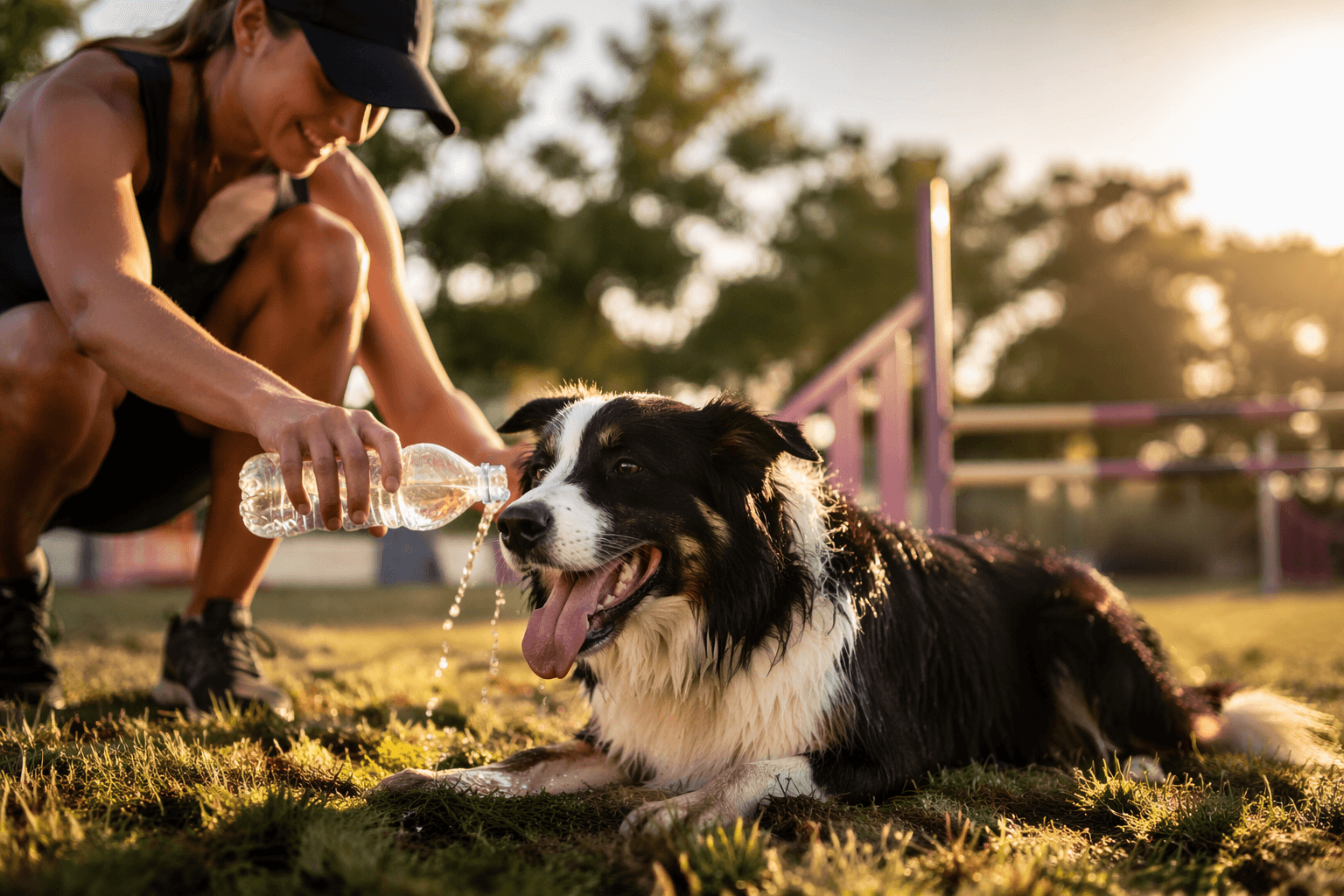
The American Kennel Club is making a plain, practical case for the dogs many people overlook: large and giant breeds can be some of the best candidates for trick training. Instead of treating trick work as a tiny-dog novelty, AKC frames it as a low-impact sport that can start when a puppy comes home, build useful body control, and keep paying off through the senior years.
That matters because the usual objection to trick training is size. People assume a powerful dog needs heavy exercise and nothing else will satisfy that engine. AKC’s answer is sharper than that: the right tricks do not wear a big dog down, they teach the dog how to use its body with more precision. For owners of energetic, strong, or fast-growing breeds, that is the difference between a dog that just burns energy and a dog that can actually channel it.
Start with the foundations, not the flash
The cleanest way into trick work is to begin with core manners that already support daily life: sit, down, loose-leash walking, and stay. Those are not side notes; they are the base that makes trick training smoother and safer, especially when the dog is large enough to physically overwhelm a situation before you can correct it.
AKC says dogs must be at least four months old to earn a Trick Dog title, but the learning does not have to wait until then. You can begin earlier with simple foundations, which is especially useful for giant-breed puppies that are growing quickly and need to learn focus before strength becomes the main challenge. The goal is not to stack on difficult moves right away, but to build control, attention, and comfort with being guided.
Why trick training suits large and giant breeds
The strongest argument for big dogs is not that they need more to do. It is that trick work can be scaled to their bodies. A giant dog does not need to jump, twist, or repeat hard-impact behavior to succeed. Many of the best starting tricks are low-impact and can be practiced in small spaces, which means the sport is flexible enough for home life and gentle enough for dogs whose joints need protecting.
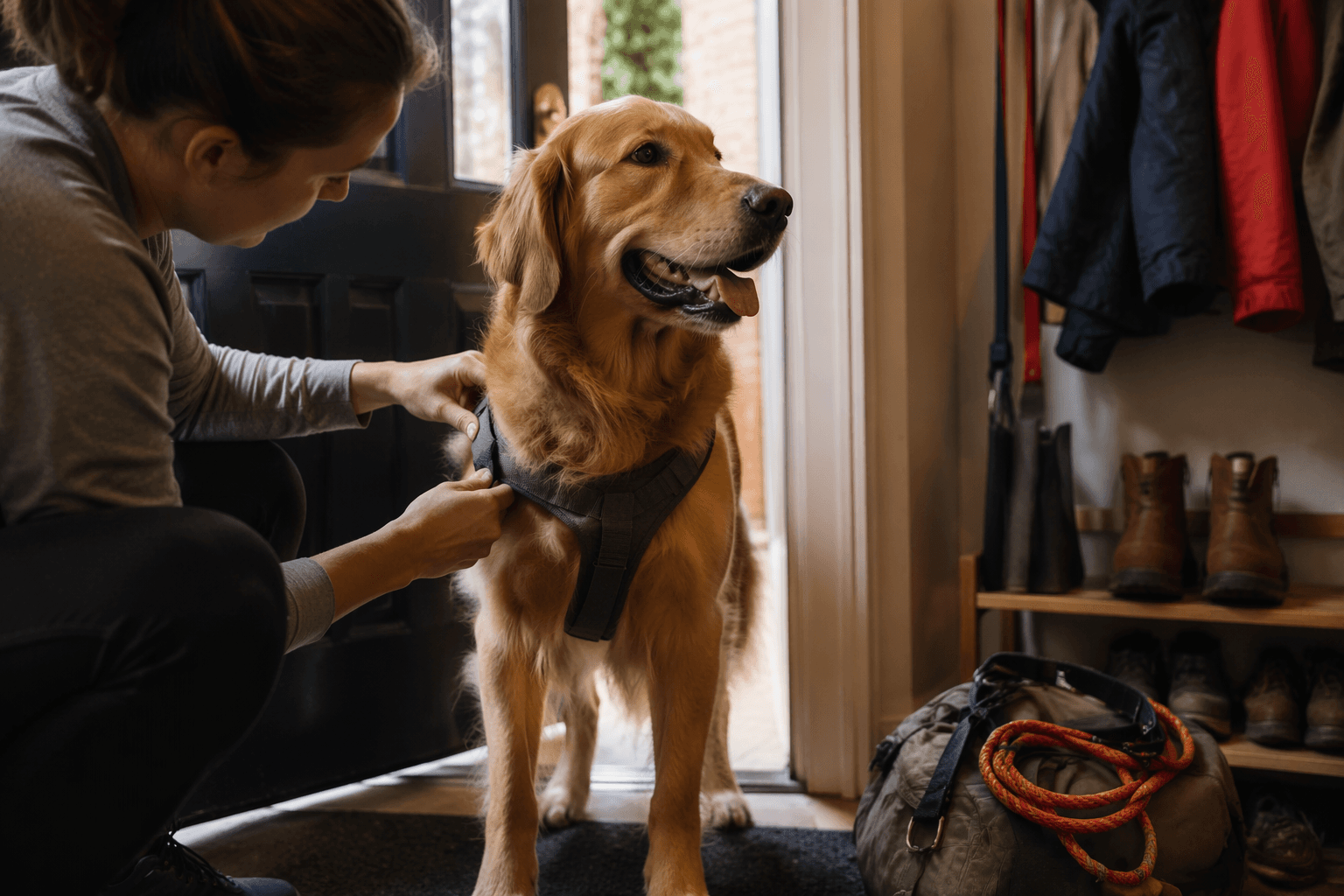
AKC’s trick-training guidance also connects the sport to real-world handling. Teaching practical skills can make life easier at vet visits, improve grooming tolerance, and help a giant puppy get comfortable being touched, repositioned, and managed safely. That kind of training is not cosmetic. For a dog that may one day need to stand still on a table, accept handling from strangers, or move its own body into position, that control is a major advantage.
The title path gives you a clear ladder
AKC Trick Dog is built around a straightforward title structure, which makes it easy to understand the route from beginner to advanced work. The current titles are:
- Novice Trick Dog
- Intermediate Trick Dog
- Advanced Trick Dog
- Trick Dog Performer
- Trick Dog Elite Performer
That ladder is part of what makes the sport appealing for large dogs. The early titles can focus on clean, useful skills, while the upper levels add more structure and creativity without demanding high-impact athletics. In other words, the sport grows with the dog instead of forcing the dog to fit a single style of performance.
The Performer title asks for a short routine built from at least 10 previously learned tricks. The Elite Performer title raises the bar further: at least 10 tricks, at least five props, and a story or script. That turns trick work into something more than isolated party tricks. It becomes a composed routine, which is ideal for dogs that do well when they have a clear pattern to follow.
How testing works and who can earn titles
AKC’s trick-dog program is open to AKC-registered purebred dogs and mixed-breed dogs enrolled in AKC Canine Partners. That openness is part of the sport’s appeal, because it gives more dogs a path into formal title work without narrowing the field to one type of household.
Testing can be done in person or virtually by an AKC Approved CGC Evaluator, which adds another layer of accessibility. For owners of big dogs, that flexibility can matter. A dog that is still growing, working through handling sensitivity, or simply more comfortable in a familiar environment can still move toward titles while staying on a practical training track.

Use tricks to make life smoother, not just more entertaining
The best trick programs for giant breeds do not chase flashy movement for its own sake. They focus on useful behaviors that translate directly into the rest of the dog’s life. Teaching a dog to shift position on cue, hold a stay, or move deliberately on request improves public manners, transport, and handling around other people.
That is especially valuable for high-drive dogs that can be enthusiastic in ways that complicate daily life. A dog that knows how to settle into a cue, offer attention, and respond with body awareness is easier to live with and safer to manage. Trick training gives that dog a job that uses the brain first and the joints second.
Keep going as the dog ages
AKC’s senior-dog guidance makes one point very clearly: training does not need to stop when a dog gets older. Continuing or restarting training has benefits for senior dogs, and trick work can shift with age instead of ending with youth. That means the same dog that learned foundations as a puppy can keep practicing manners and lower-impact behaviors later on.
For large and giant breeds, that continuity is a major advantage. Early work can be simple and controlled, middle years can add routines and props, and senior work can stay active without asking the body for more than it can comfortably give. The sport stays useful because the format can change with the dog.
AKC introduced Trick Dog as an official dog sport in 2017, and that recent history helps explain why it still feels fresh to many owners. But the real case for big dogs is even simpler: trick training gives them structure, control, and a clean path from puppy foundations to senior participation, without pretending that every strong dog needs a high-impact sport to prove itself.
This article was produced by Prism’s automated news system from verified source data, official records, and press releases, then run through automated quality and moderation checks before publishing. The system is built and supervised by the people who set the standards it runs under. Read our full AI policy.
Did this article answer your question?