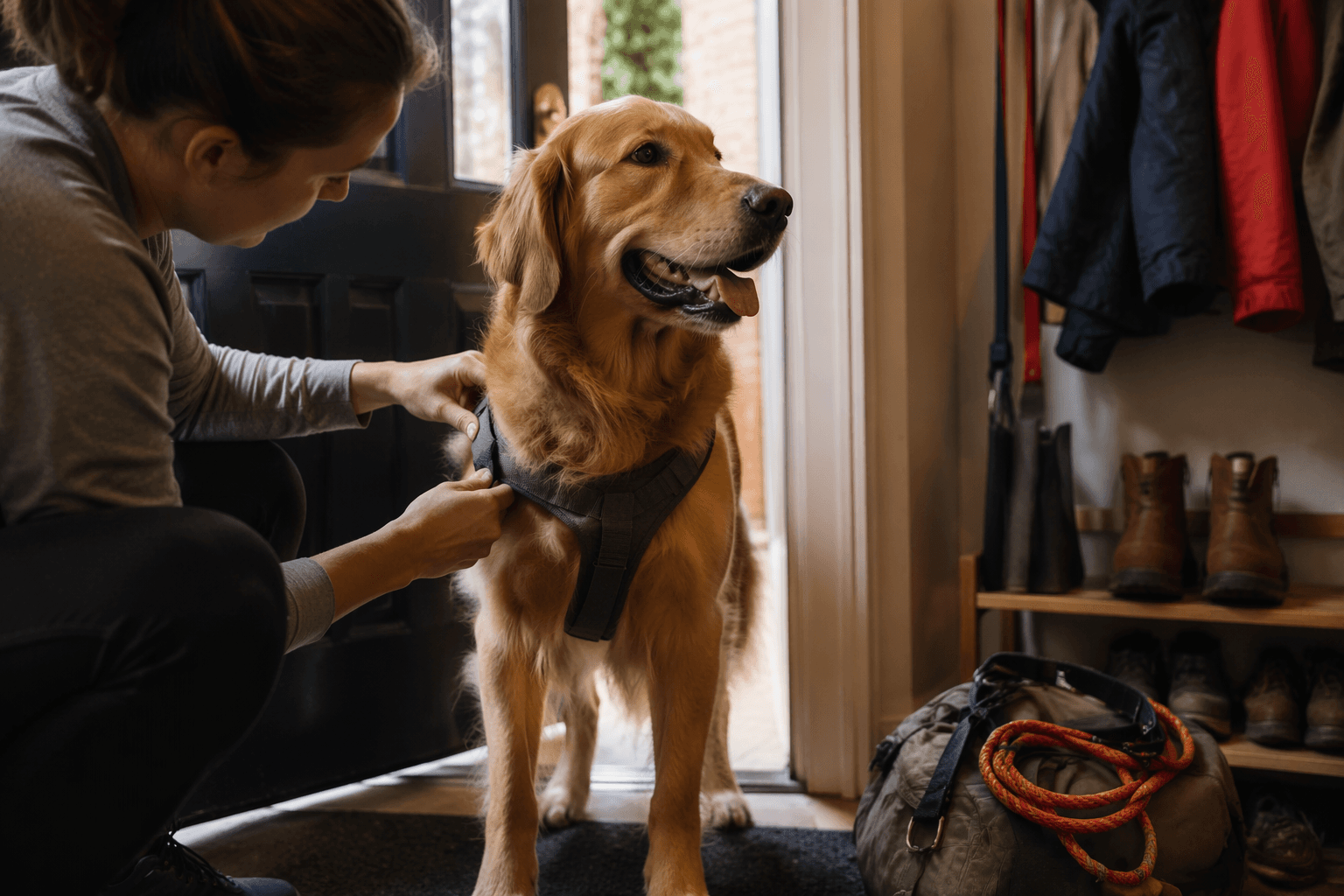
AKC study updates best spay-neuter timing for active dog breeds
The old six-month rule is giving way to breed-specific timing. For sport and working dogs, growth, joints, and workload now belong in the spay-neuter talk.

If you live with a dog built for miles, jumps, and hard turns, the old six-month spay-neuter default just got a lot less automatic. The American Kennel Club update pushes the conversation back into the exam room, where breed, sex, body size, and the job your dog is expected to do now matter more than a single universal clock.
What changed in the recommendation
The updated work from the University of California, Davis, led by Lynette Hart and Benjamin Hart, grows out of a line of research that started in 2013 with 35 breeds. The newer analysis expands that breed-specific framework to 40 or 41 dog varieties, depending on how the final tally is counted, and adds six dogs that look very familiar to anyone around sport, field, or working lines: Siberian Husky, German Shorthaired Pointer, German Wirehaired Pointer, Rhodesian Ridgeback, Newfoundland, and Mastiff.
That matters because these are not casual lap-dog examples. They are breeds built around endurance, power, hauling, guarding, or sustained physical effort, which is exactly where the old one-size-fits-all advice starts to crack. UC Davis says the study draws from veterinary hospital records spanning January 2000 through December 2020 for the newly analyzed breeds, giving the recommendation a long clinical runway rather than a short snapshot.
Why timing and hormones are part of the orthopedic picture
The updated research treats spay-neuter timing as a growth issue, not just a reproductive one. Sex hormones help regulate the closure of bone growth plates, so removing them earlier can alter how a young dog’s skeleton matures. That is the core reason the new guidance pulls breed, sex, and future workload into the same decision.
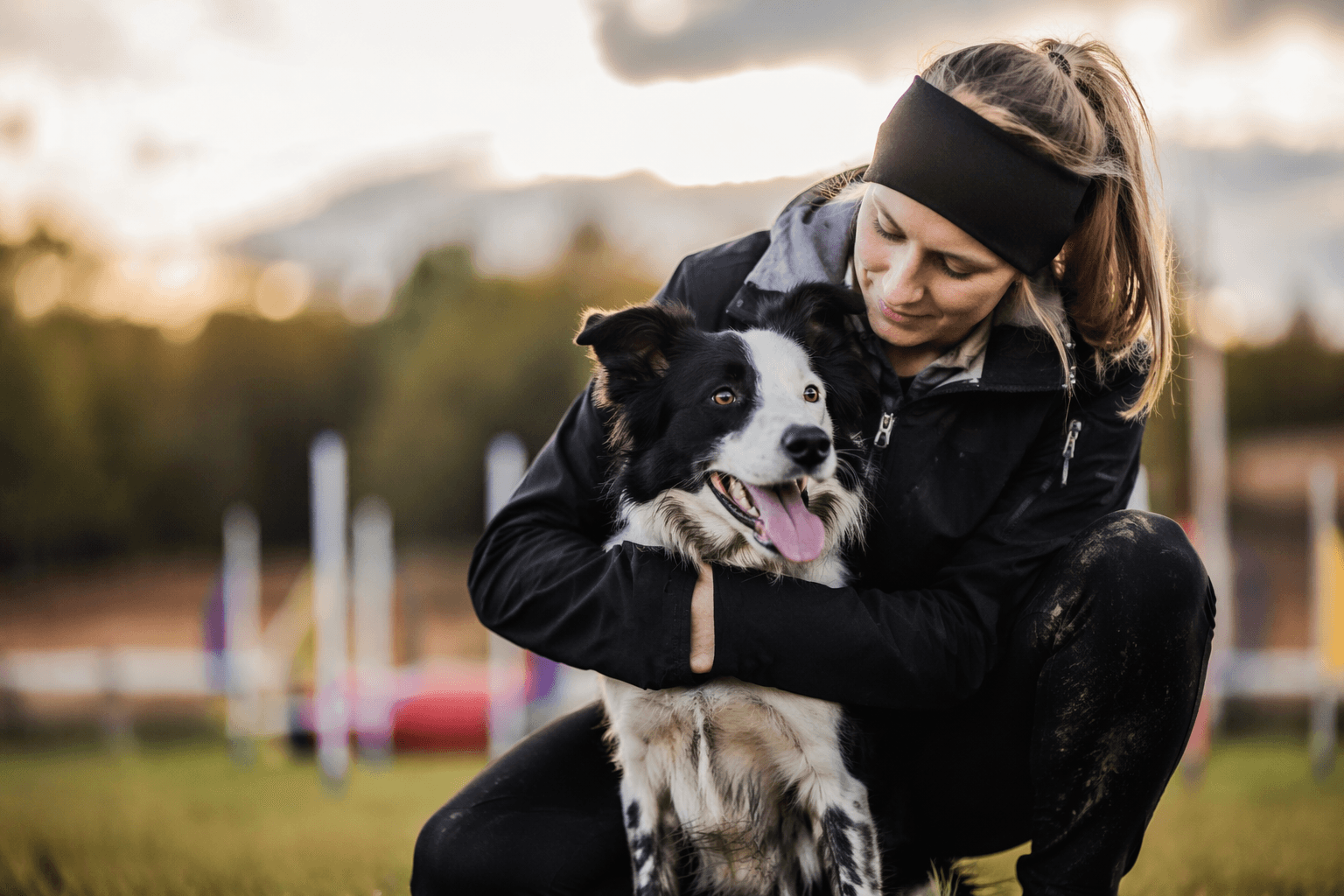
The old U.S. and European norm was neutering by 6 months of age. UC Davis notes that practice was tied partly to shelter overpopulation concerns and to the hope of reducing behavioral problems. The new work does not erase those concerns, but it does move the conversation away from an automatic deadline and toward a more individual timeline, especially for dogs expected to sprint, leap, turn hard, carry weight, or work into adulthood.
Why the golden retriever data changed the debate
The clearest example in this research line comes from Golden Retrievers. The original 2013 study in PLOS ONE examined 759 client-owned dogs ages 1 to 8 and looked at hip dysplasia, cranial cruciate ligament tears, lymphosarcoma, hemangiosarcoma, and mast cell tumor. Among male Goldens, neutering before 12 months was linked to about double the rate of hip dysplasia as adults.
That finding is the reason this topic keeps coming back with more detail instead of fading into routine. It suggested that the timing of neutering can affect orthopedic outcomes in ways many owners did not expect, especially in dogs with big frames and active lives. For a dog headed toward agility, field work, dock diving, backpacking, or a physically demanding home life, that kind of joint risk changes the value of waiting versus moving early.
What the 2024 update says about the newly added breeds
The newer update extends that same logic across the newly added breeds and finds the risks do not land the same way everywhere. Pointer breeds showed elevated joint-disorder and cancer risks. Male Mastiffs showed increased cranial cruciate ligament tears and lymphoma. Female Newfoundlands showed heightened joint-disorder risks. Female Rhodesian Ridgebacks showed heightened mast cell tumor risk when neutered very early.
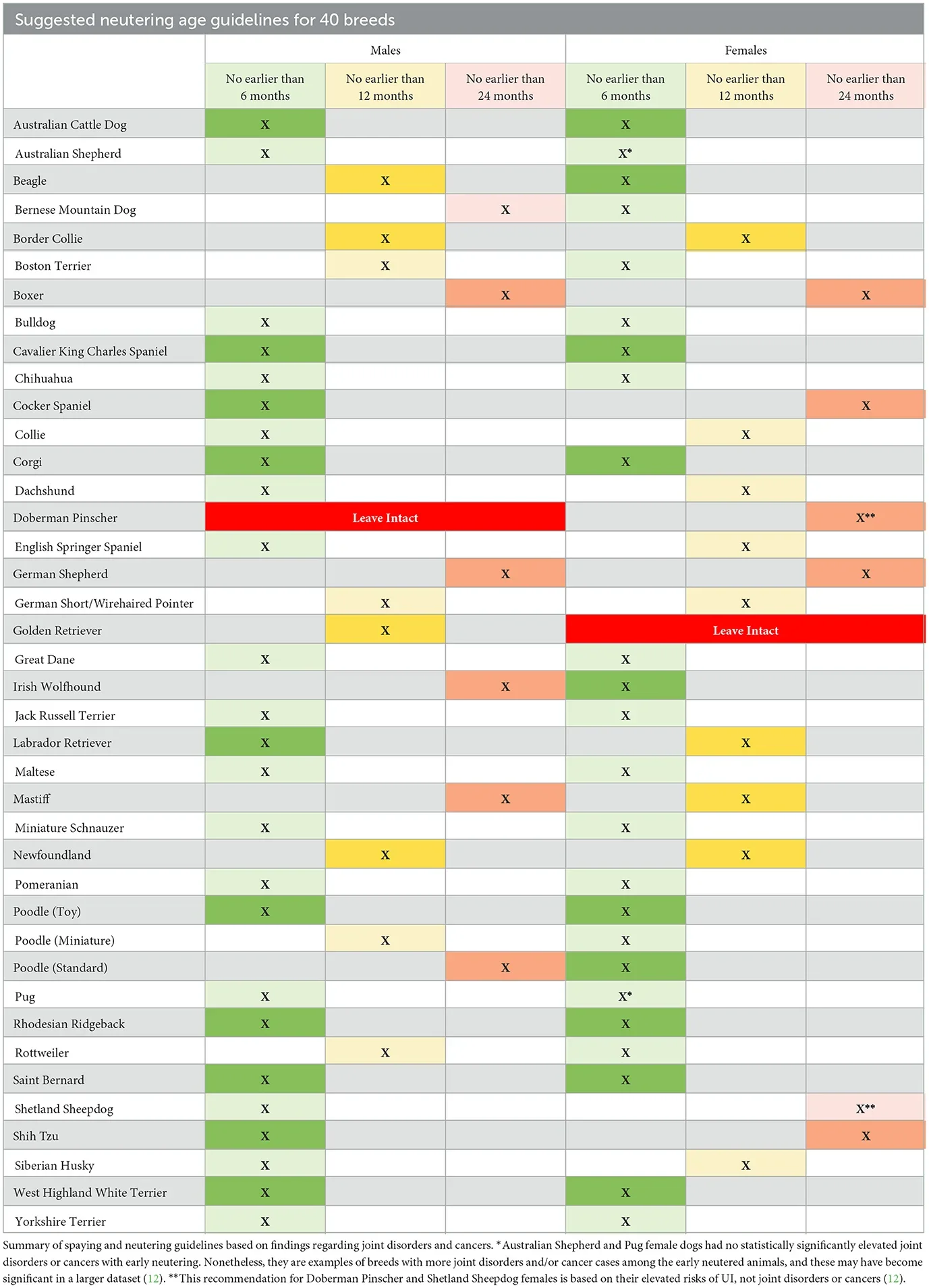
Siberian Huskies stood out in a different way: they showed no significant effects on joint disorders or cancers in the update. That is a reminder that even among hard-driving, athletic dogs, the data do not point to a single breed-wide answer. The pattern is individualized, not universal, and the study is careful enough to show where early neutering appears to matter a great deal and where it does not clearly move the needle.
What to bring to the next vet visit
The most useful part of this update is not a new hard rule. It is a better conversation. Before the next spay-neuter talk, bring the specifics that this research actually weighs:
- your dog’s exact breed and sex
- expected adult size and body type
- whether your dog will do sports, field work, hiking, or a physically demanding job
- whether the breed has known joint or cancer signals in the UC Davis data
- whether the risk of waiting is different from the risk of neutering early in your dog’s case
That is the practical shift here. The six-month default made decision-making easy, but the UC Davis data and the AKC-backed update make it clear that ease was never the same thing as precision. For sport and high-energy dogs, the right timing now starts with the dog in front of you, not the old calendar rule.
This article was produced by Prism’s automated news system from verified source data, official records, and press releases, then run through automated quality and moderation checks before publishing. The system is built and supervised by the people who set the standards it runs under. Read our full AI policy.
Did this article answer your question?