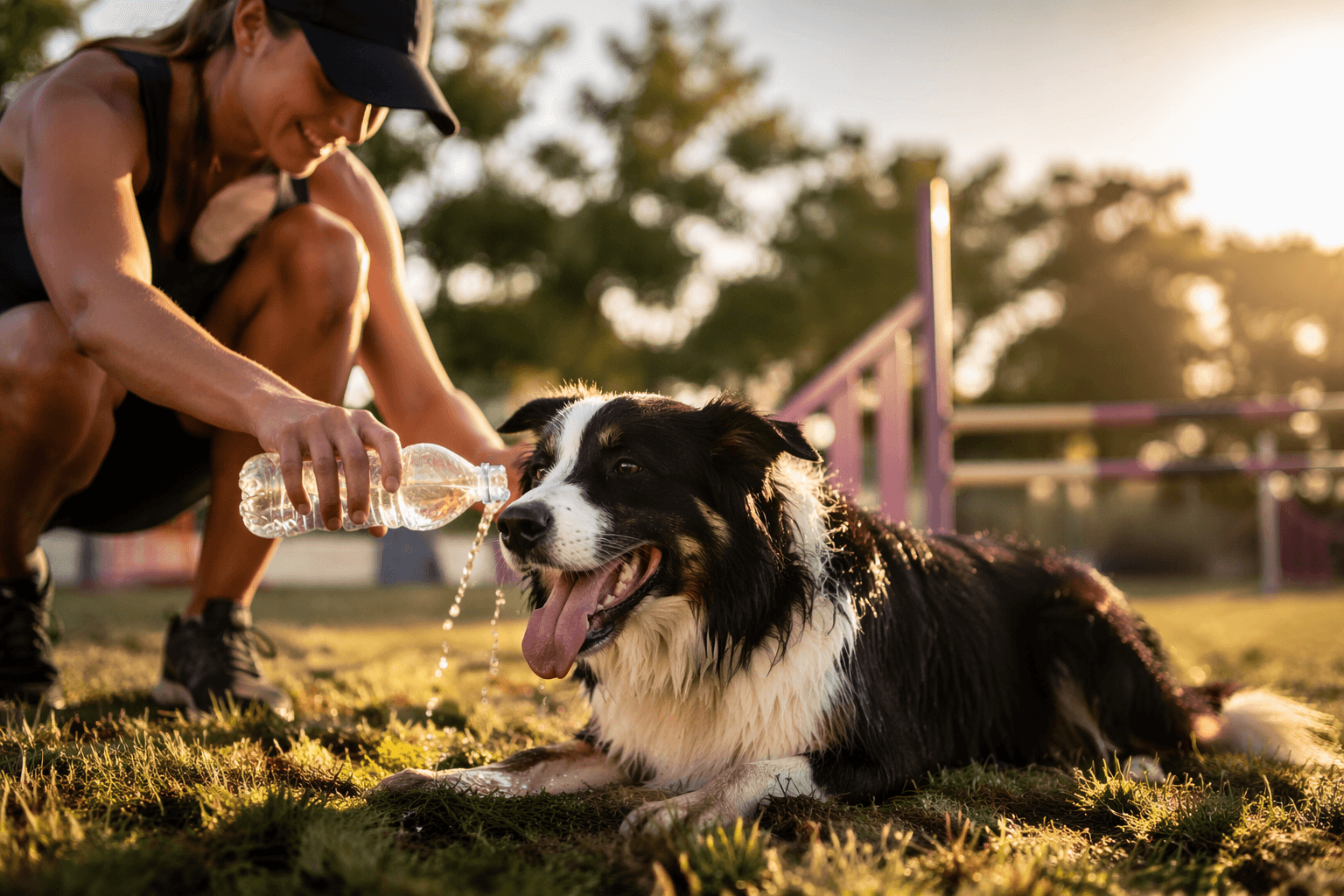
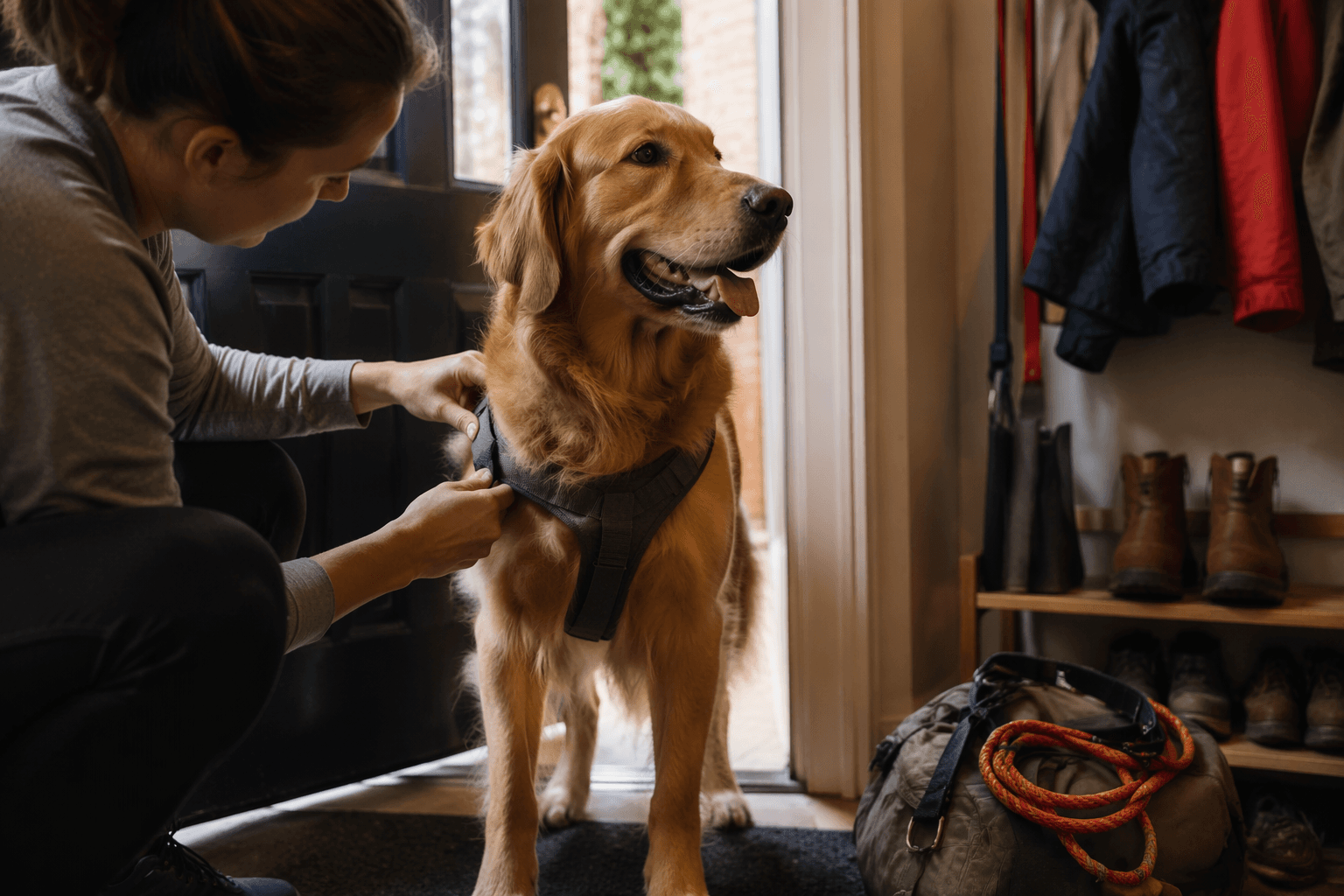
Border Collies need about two hours of exercise a day
Two hours of exercise is only the floor for a Border Collie. The real formula mixes hard work, brain games, training, and deliberate downtime.

A Border Collie that gets around two hours of daily exercise can still be underworked. Their default mode is work, and the breed’s needs run deeper than mileage alone. Even after that much activity, the breed still needs something to think about, something to do, and a clear routine for when the day is over.
Why two hours is the starting point, not the whole answer
Those two hours do not have to come in one long stretch, either. Splitting it into multiple outings, drills, and games often works better than trying to solve the whole problem with a single marathon session.
A Border Collie that is only physically tired is not necessarily satisfied. The breed is known for becoming unhappy and destructive when it does not get enough physical and mental stimulation, so the goal is not simply to burn energy. The goal is to meet a working dog’s need for exertion, focus, and structure.
A Border Collie that is getting enough is usually busy in a controlled way: taking a brisk walk, then practicing cues, then playing a demanding game like fetch, then settling calmly indoors. A Border Collie that is still underworked is much harder to miss. That dog may pace, mouth household items, invent its own jobs, and keep looking for pressure release long after the leash comes off.
A breed built for work, not for coasting
The reason Border Collies ask for so much is written into the breed itself. The Kennel Club calls the Border Collie a tenacious, hard-working sheep dog that should be keen, alert, responsive, and intelligent. The American Kennel Club standard calls the breed athletic, powerful, agile, and extremely intelligent, and identifies it as the world’s premier sheep-herding dog.
The Border Collie was shaped for sustained livestock work, especially in the Anglo-Scottish border region. These dogs were selected for quiet, independent stock work and the ability to solve problems while staying tuned in to their handler and the flock. The AKC’s breed-year chart also lists the Border Collie as first becoming registrable in 1995, a reminder that its modern show-ring status is recent compared with its long working past.
The best exercise plan for the breed is never just about covering ground. It has to include problem-solving, training jobs, and patterns the dog can learn.
What a complete day looks like for a high-drive dog
For this breed, the most useful routine combines physical work with mental structure. The strongest plans usually rotate through different outlets instead of repeating the same activity until both dog and owner are bored.
- Brisk walks that let the dog move with purpose
- Running or fetch for controlled burst energy
- Agility or flyball for speed, focus, and precision
- Herding-style games that tap into the dog’s instincts
- Short training sessions that ask for concentration and impulse control
- Planned downtime so the dog learns how to switch off
Border Collies do not just need permission to go full speed. They also need practice being still, resting quietly, and recovering between efforts.
Puppies need movement, but not a hard push
The puppy conversation has to be handled carefully, because more is not automatically better for a growing dog. The familiar rule of thumb, five minutes of exercise per month of age, is useful as a rough guide, but it is not a law of nature. The real issue is balancing movement with a puppy’s developmental needs.
Exercise supports more than fitness. Regular activity helps build muscle, tendon, ligament, bone, cartilage, motor skills, emotional stability, and cognitive development. Puppies that are kept too inactive can lose ground in all of those areas, with muscle atrophy, joint stiffness, poor balance, and behavioral issues all becoming more likely.
For a young Border Collie, the answer is not to push harder and harder. It is to keep the work age-appropriate, varied, and brief enough that the puppy stays coordinated and confident. Short training games, gentle movement, and frequent rest do more good than forcing a youngster into adult-level demands.
Why underexercise shows up as behavior, not just restlessness
Border Collie owners often see the behavioral side before they see the physical side. Underexercised dogs may not simply look bored. They may become destructive, frantic, or hard to settle because the dog’s need for outlets has not been met in the first place.
The mix of physical exertion and mental work becomes essential here. A dog can run hard and still come inside with a full tank if it has not been asked to think. Training sessions, pattern games, and structured tasks help drain that mental pressure in a way that a plain walk cannot.
If a Border Collie is getting two hours of activity but still seems wound up, the missing piece is often not more distance. It is more variety, more focus, and a clearer routine.
When hard exercise becomes a medical issue
There is another reason to be thoughtful about intensity: not every Border Collie handles strenuous work the same way. Border Collie Collapse, or BCC, is recognized in North America, Europe, and Australia. Episodes typically begin about 5 to 15 minutes after exercise starts, and affected dogs are often normal at rest but can stagger or collapse after strenuous activity.
In some dogs, especially those doing stock work, agility, flyball, or repetitive ball retrieval, extreme exertion can trigger a medical problem rather than solve a behavior problem.
This article was produced by Prism’s automated news system from verified source data, official records, and press releases, then run through automated quality and moderation checks before publishing. The system is built and supervised by the people who set the standards it runs under. Read our full AI policy.
Did this article answer your question?