Czechoslovakian Vlciak needs serious exercise, challenge and constant engagement
A wolf-like look comes with real work: the Vlciak’s speed, loyalty and intelligence make it thrilling for experienced handlers and a poor fit for beginners.
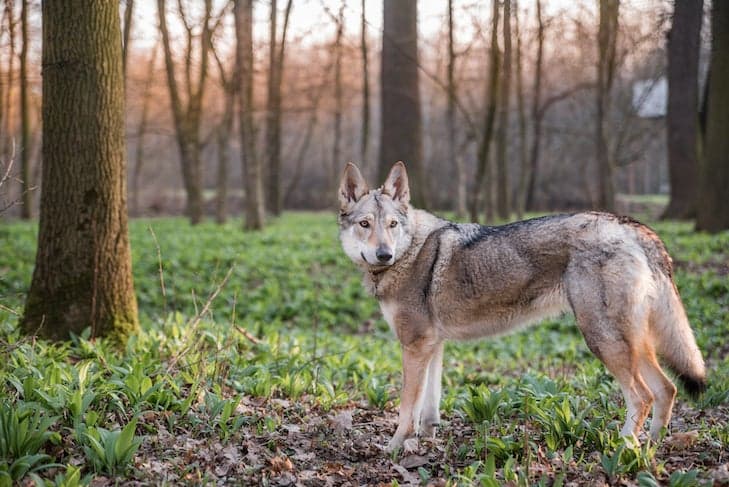
The beautiful dog that comes with a warning label
The Czechoslovakian Vlciak is the kind of dog that turns heads and then immediately asks for a job. AKC’s profile reads like a reality check: this is a fast, intense, loyal dog that wants constant engagement, not a decorative companion you can tire out with a quick walk. If you want a beautiful, athletic partner and you are already comfortable setting structure, the breed can be fascinating. If you are new to dogs, the same traits that make the Vlciak so compelling can make daily life feel like you are trying to stay ahead of a very smart athlete with a wolf’s face.
That is the core issue with this breed. The Vlciak learns quickly, thinks for itself, and gets bored when asked to repeat things it already knows. In practical terms, that means the dog is not impressed by endless drills or loose routines. It needs new challenges, clear leadership, and real work, whether that work is obedience, tracking, search exercises, or another demanding outlet that keeps both body and brain busy.
Where the breed came from
The breed’s story explains a lot about its temperament. The Fédération Cynologique Internationale traces its origin to a 1955 experiment in then-Czechoslovakia, when a German Shepherd Dog was crossed with a Carpathian wolf. After the experiment ended in 1965, breeders developed a formal plan to combine the wolf’s usable qualities with the dog’s favorable qualities. That history matters because the modern Vlciak still carries the imprint of a dog built for alertness, stamina, and fast response.
The original purpose was working border patrol in Czechoslovakia in the 1950s and 1960s, so this was never meant to be a soft, ornamental breed. AKC says the breed was developed as an elite patrol dog, and that background shows up in the way the dog reacts to small details, stays vigilant, and bonds tightly with its people. The Fédération Cynologique Internationale definitively recognized the breed in 1999, while AKC accepted it into Foundation Stock Service in 2001. The Czechoslovakian Vlciak Club of America was founded in 2001 and later became the AKC parent club in February 2023, which tells you this is still a relatively rare breed with a tightly organized community around it.
What living with a Vlciak actually feels like
This is not a dog that fits a casual lifestyle. AKC says prospective owners should thoroughly research the breed before bringing one home, and that advice is not bureaucratic language, it is practical survival advice. A Vlciak wants to be near its people, and it tends to be active, loyal, and highly attentive. That devotion is great when you want a dog that stays engaged with you. It becomes a problem when you are looking for a pet that can entertain itself, settle quickly, or accept a predictable routine without pushing back.
For an experienced owner, that intensity can be a feature rather than a flaw. You get a dog that can work hard, learn quickly, and stay mentally present through serious training sessions. For a first-time handler, the same dog can be overwhelming because it is not content to simply go through the motions. The breed is not well suited to repetitive tasks, so if you rely on the same exercise, the same drill, and the same walk day after day, boredom will show up fast.
The physical side is just as uncompromising. AKC describes the Vlciak as powerful, muscular, and built for stamina. It can run 25 miles easily, and it can jump straight up from a standstill. That is not a casual backyard dog, and it is not a breed for someone who thinks a fenced yard automatically solves exercise needs. The dog’s body is built for performance, and its mind expects the same level of commitment.
Why the breed belongs in the working-dog world
The Vlciak still makes the most sense in a working context. The breed club describes roles in guard work, scent work and tracking, rescue work, and mushing, and AKC notes that the breed is used in Europe and the United States for search and rescue, tracking, obedience, agility, drafting, herding, and working dog sports. That list is not marketing fluff. It is the best evidence for what this dog was built to do and where it shines when handled well.
The endurance work is especially revealing. The AKC standard says CSV teams won category C, for 2-3 sled dogs, and category B, for 4-6 sled dogs, in early endurance trials. It also notes that the dogs preferred mid- to long-distance work using an energy-saving low trot at about 7.5 to 8 mph. That pace says a lot about the breed’s operating style: steady, efficient, and built to keep going rather than explode for a few minutes and quit. The standard also ties the breed to endurance contexts of 40 km, 70 km, and 100 km, which reinforces that the Vlciak is not just athletic, it is engineered for serious distance.
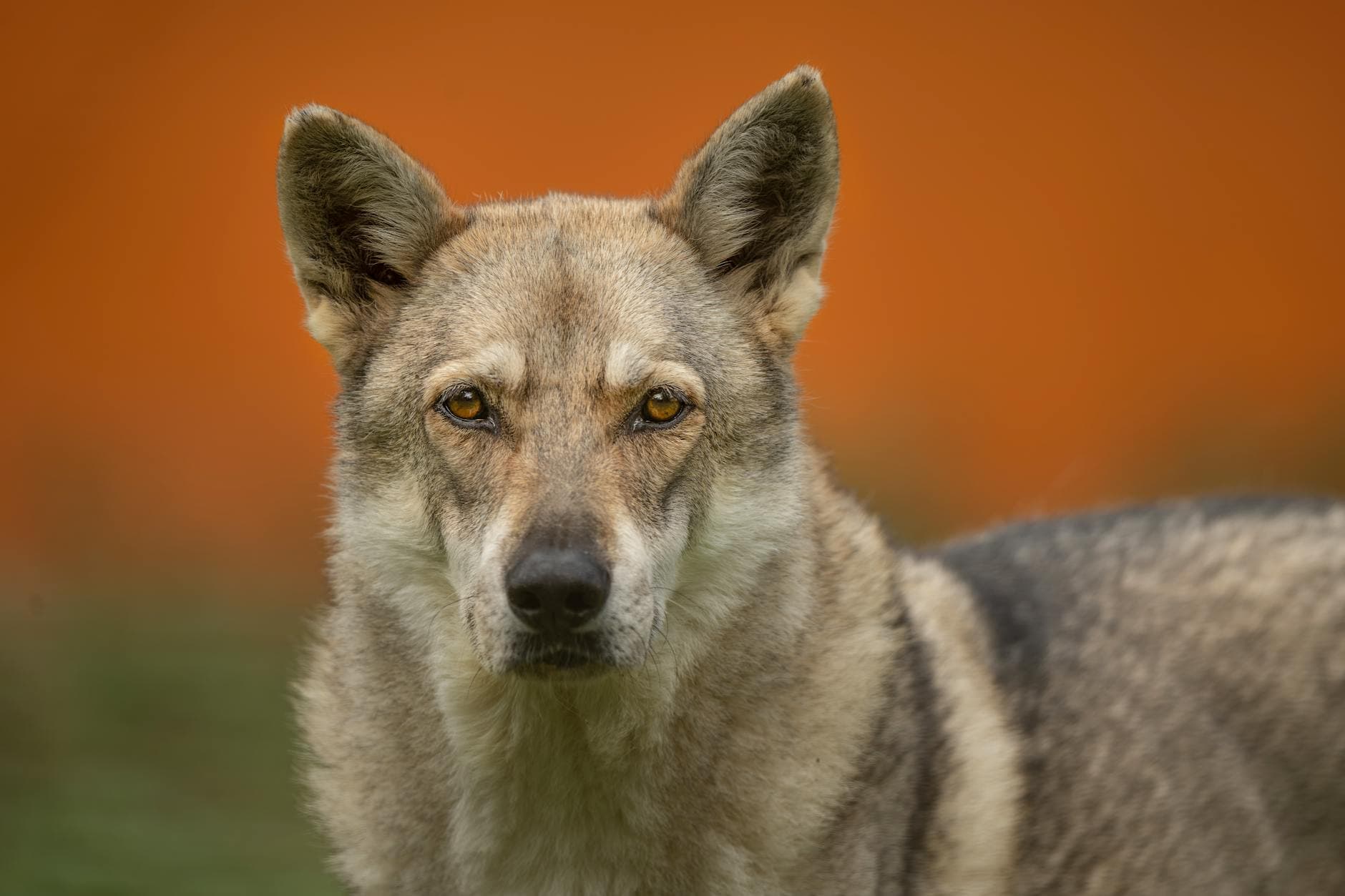
The daily maintenance is simpler than the mental workload
Grooming is one of the few easy parts. AKC says the coat is straight and weather resistant, so this is not a dog that demands elaborate coat care to stay functional. That can lull people into thinking the whole breed is manageable. It is not. The grooming bill may be reasonable, but the behavioral and physical commitment is the real expense.
The best way to think about the Vlciak is as a high-output partner that needs direction, variety, and purpose. Short, repetitive sessions are a bad fit. Better options include work that changes from day to day, tasks that use scent and problem-solving, and exercise that actually matches the breed’s stamina. The dog’s intelligence means it can learn quickly, but that same intelligence makes it sensitive to stale routines and sloppy handling.
A rare breed with a serious future
The Czechoslovakian Vlciak remains rare, but it is not obscure in the circles that matter to working-dog people. The breed club says it supports rescue operations and veterinary health research, which fits a community that treats the dog as more than a striking wolf-like pet. It is a breed still tied closely to performance, utility, and responsible ownership.
That is the honest reading of the Vlciak. It is beautiful, yes, but it is also demanding in the ways that matter most: speed, endurance, intelligence, and a constant need for engagement. In a skilled home, those traits can produce an exceptional partnership. In a novice one, they turn into a full-time management problem, and this is one breed that never forgets to ask for more.
This article was produced by Prism’s automated news system from verified source data, official records, and press releases, then run through automated quality and moderation checks before publishing. The system is built and supervised by the people who set the standards it runs under. Read our full AI policy.
Did this article answer your question?