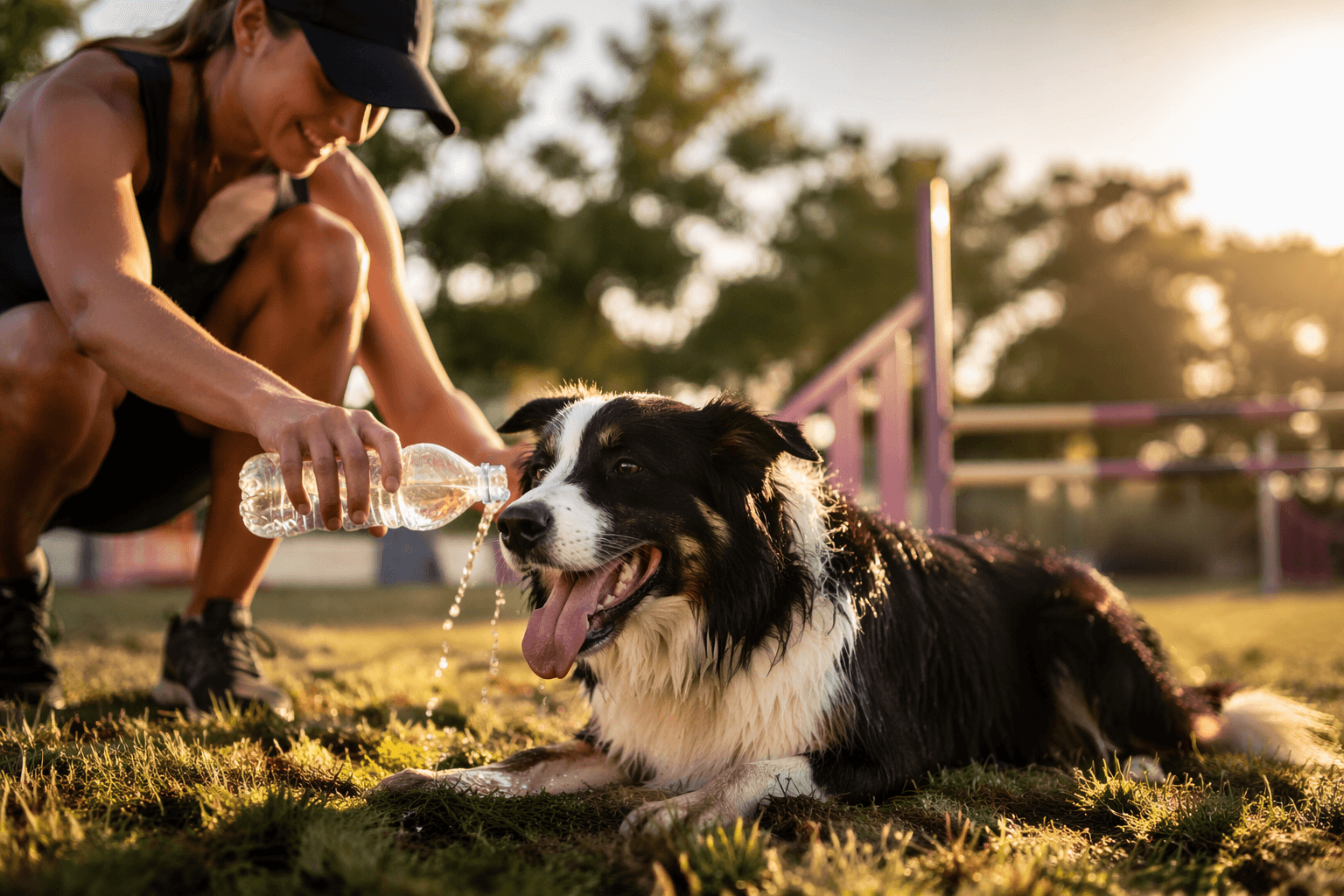
Does catnip work for dogs? Usually no, experts say
Catnip rarely gives dogs the cat-like buzz owners expect. Scent games and food puzzles usually work better for high-energy pups.
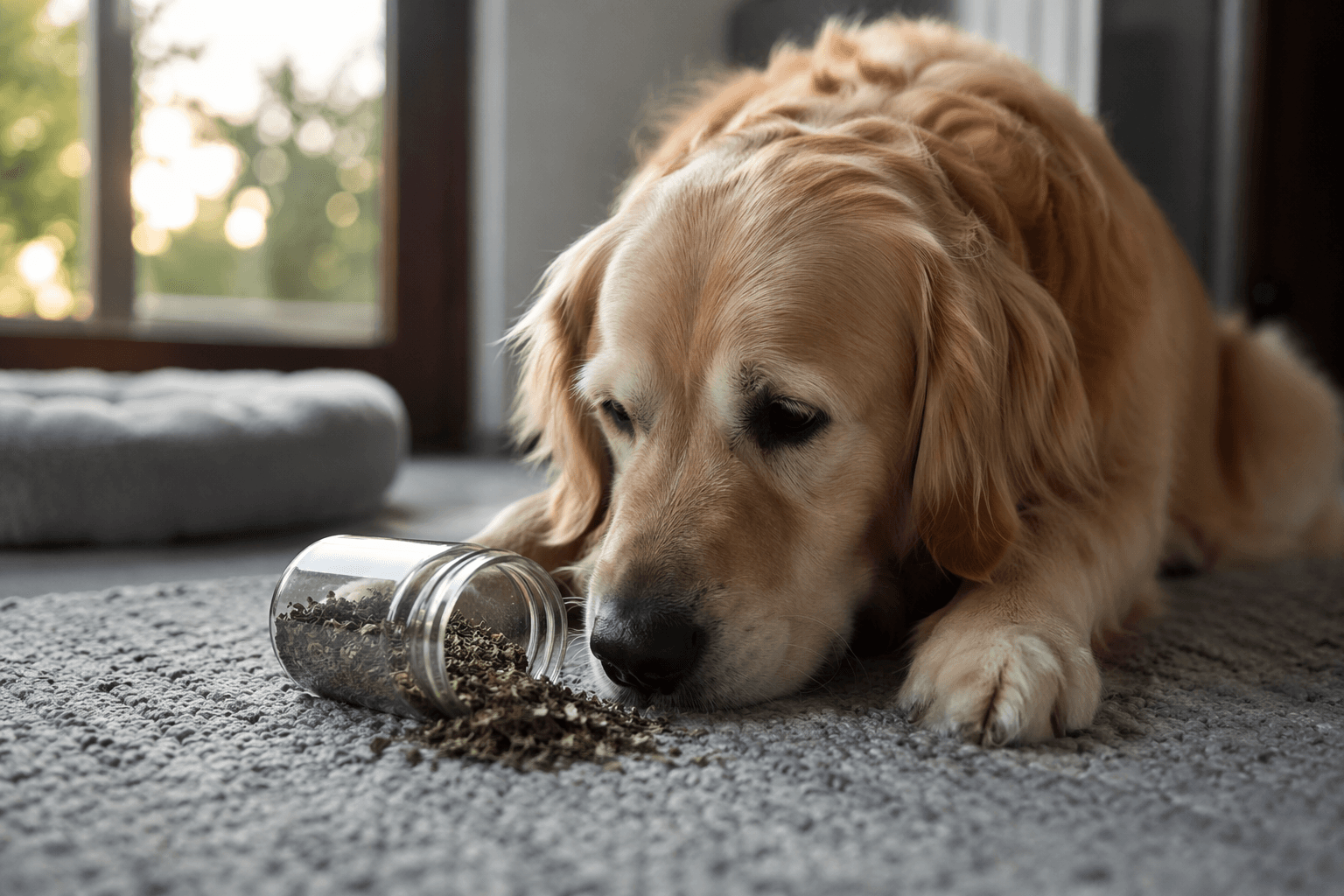
Catnip and dogs: the reality check
Catnip is one of those enrichment ideas that sounds promising until you look at how dogs actually work. The plant’s famous cat effect comes from nepetalactone, which triggers the rolling, drooling, and twirling many cat owners know well, but dogs usually do not react that way. In most cases, a dog will ignore catnip or show only a mild response, and the rare reaction is more likely to look calming or sedative than exciting.
That makes catnip a poor stand-in for the kind of stimulation owners often want when a dog is bouncing off the walls. The biology is different, and so is the payoff. If you are trying to take the edge off a high-energy dog, the better question is not whether catnip is magical, but whether it actually matches canine behavior. Most of the time, it does not.
What it can and cannot do
There is one safety point worth keeping in mind: the ASPCA does not list catnip, or Nepeta cataria, as toxic to dogs in small amounts. That does not mean it is a food or a useful everyday treat, and it does not mean every dog should eat it. The ASPCA’s broader plant guidance says that consuming any plant material can still cause vomiting or gastrointestinal upset in dogs and cats.
That distinction matters because the plant is discussed very differently across species. The ASPCA lists catnip as toxic to cats, with nepetalactone named as the toxic principle, which is exactly why catnip has a dramatic feline reputation. For dogs, though, the plant does not behave like a stimulant, and there is no dependable, repeatable “dog version” of the catnip buzz owners may be hoping for.
Who might respond, and how
A minority of dogs may show a mild calming or sedative effect, which is the closest thing to a real response in the dog world. Even then, it is not the kind of reliable enrichment tool you can count on to settle an overexcited, bored, or underworked dog. In other words, catnip is not a practical fix for leash frustration, zoomies, or that restless energy that shows up when a dog has gone too long without a real outlet.
That is why catnip tends to disappoint in real households. Owners looking for an attention-grabber often want something with a visible reaction, and catnip generally does not deliver that for dogs. The result is a lot of curiosity and very little payoff.
A better scent choice for dogs
If you want the playful, nose-led spark that catnip gives cats, anise is the better-known option in dog activities. The National Association of Canine Scent Work lists anise alongside birch and clove as target odors used in trials, which is a strong clue that dogs are far more likely to engage with scent work than with catnip-style novelty. That makes anise useful as part of training and scent games, not as a snack or an ingredient to casually feed.
The safety line matters here too. The National Association of Canine Scent Work specifically warns not to let dogs ingest the oils or other parts of target odors. For owners, that means the value of anise is in the scenting work, the search behavior, and the mental effort, not in putting the plant or oil in the food bowl.
Why enrichment works better than novelty
The bigger lesson in all of this is that enrichment has to fit the species in front of you. The American Animal Hospital Association says enrichment helps meet pets’ natural needs, and when those outlets are missing, the fallout can show up as chewing, scratching, barking, and other unwanted behaviors. Its 2026 guidance also says enrichment can reduce stress and boredom while decreasing destructive or frustrating behaviors.
That is exactly why dog-specific activities work better than plant gimmicks. A bored or under-stimulated dog does not need random novelty as much as it needs something that taps into canine instincts: sniffing, solving, chewing appropriately, moving with purpose, and working for a reward. When those needs are met, the whole household usually feels the difference.
What the evidence says about real-life results
The strongest case for practical enrichment comes from a randomized controlled clinical trial in 107 shelter dogs. In that study, food-toy enrichment combined with cage-behavior training increased desirable behaviors such as sitting or lying down and being quiet, while reducing jumping. That is the kind of outcome owners can actually use, because it points to calmer, more manageable behavior instead of a one-off reaction.
It also fits what many dog families already see at home. Food puzzles, tug, structured play, and scent games do not just burn time. They create predictable, repeatable work for the brain and body, which is exactly what high-energy dogs need when they are restless or under-challenged.
Indoor options that make sense
If space is tight, you do not need a big yard to make enrichment work. The American Kennel Club says scent games can be done in small indoor spaces and help keep dogs mentally stimulated. That is especially useful for apartment dogs, rainy days, or any house where the energy level is high but the room to run is not.
A simple scent-search game, a food puzzle, or a short structured training session usually beats sprinkling catnip around and hoping for the best. These are the tools that line up with how dogs are built to think and work.
The bottom line for high-energy households
Catnip is not a real answer for the dog who is always on. Most dogs ignore it, some may get mildly sleepy, and it is not a dependable calming shortcut. The real enrichment win comes from dog-specific outlets that use scent, food, movement, and training in ways the canine brain understands.
That is the myth check in plain terms: if you want to take the edge off a high-energy dog, stop looking for a feline-style trick and lean into the enrichment that actually fits the species in front of you.
This article was produced by Prism’s automated news system from verified source data, official records, and press releases, then run through automated quality and moderation checks before publishing. The system is built and supervised by the people who set the standards it runs under. Read our full AI policy.
Did this article answer your question?