Dogster spotlights national parks where dogs can hike safely
These parks do more than permit dogs: they give high-energy hikers enough real trail to burn off steam without breaking the rules.

Some national parks are only dog-friendly in the loosest sense, the kind of places where a leashed pet gets a few minutes on pavement before everyone piles back into the car. The parks that matter to hyperenergetic dogs are different: they offer enough distance, access, and room to move that a hike feels like a hike, while still staying inside the leash and wildlife rules that keep fragile places intact.
Start with the rulebook
The National Park Service draws the baseline clearly: many parks welcome pets in developed areas, on many trails and campgrounds, and in some lodging facilities, but the rules vary park by park. That is the first test for any high-energy dog trip, because the difference between a real outing and a stopover often comes down to where a leash is allowed, how long it can be, and whether the route actually goes somewhere.
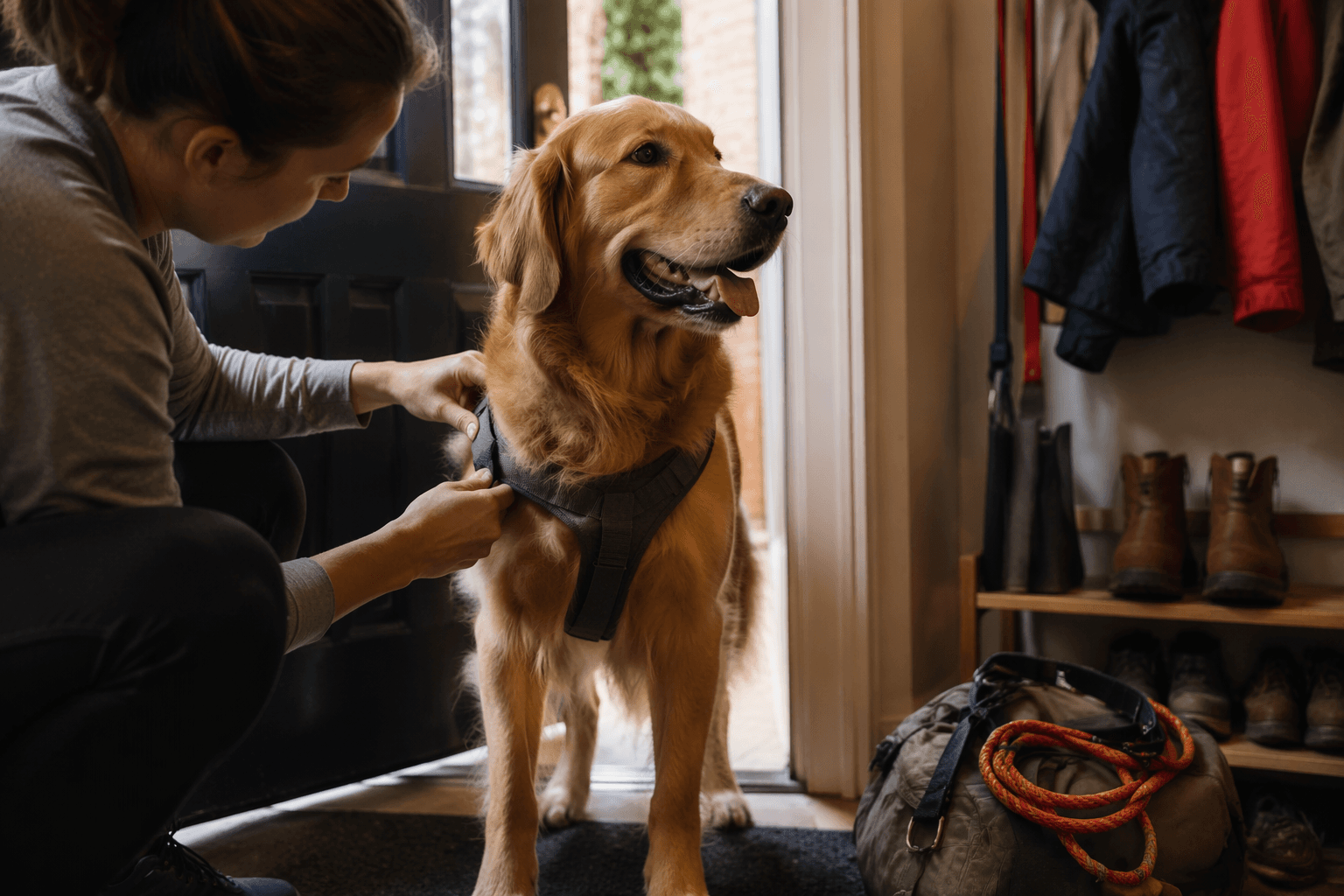
The agency’s B.A.R.K. framework is the simplest way to think about it. Bag your pet’s waste, always leash your pet, respect wildlife, and know where you can go. The NPS hiking-with-pets guidance makes the boundary even sharper: many parks do not allow pets on hiking trails or boardwalks, so the park-specific rules have to come first, not the map app or the mood in the parking lot.
Yosemite gives dogs one real loop, and it matters
Yosemite National Park stands out because it gives dogs a legitimate trail experience, not just a paved lap around the edge. Pets are allowed on the Wawona Meadow Loop, which the park describes as a 3.5-mile loop near the Wawona Hotel. The route begins on a paved road across the golf course and then shifts onto an unpaved fire road around the meadow, which gives a more satisfying rhythm for a dog that needs to keep moving.
The catch is important, because Yosemite is otherwise extremely restrictive. Dogs are not allowed on trails generally, in wilderness and other undeveloped areas, on meadows, beaches, waterways, public buildings, shuttle buses, or lodging areas, and there are no exceptions for carried pets in prohibited places. Leashed dogs are also limited to paved roads, sidewalks, and bicycle paths, so the Wawona Meadow Loop is the key place where a dog can actually feel like part of the hike instead of a rule-bound passenger.
For hyperenergetic dogs, that makes Yosemite a controlled but useful outing. It is not a park where a dog can roam widely, but it is a park where a focused, structured walk can still deliver real mileage.
Petrified Forest is where access and conservation meet
Petrified Forest National Park offers a different model: broader trail access, but with a very firm leash and land-care ethic. Dogs are allowed on any paved road or trail as well as all designated wilderness areas, and the leash has to be six feet or less at all times. Buildings and visitor centers stay off-limits, so the freedom is real but still tied to the park’s visitor and resource boundaries.
That balance matters here because the park explicitly warns that staying on designated trails protects fragile grassland habitat and wildlife. In other words, this is dog-friendly access with a conservation brake attached. For a working dog brain that thrives on steady forward motion, Petrified Forest can be a strong fit because the rules still allow an actual hike, not just a token stroll.
Grand Canyon works when you build in a kennel plan
Grand Canyon National Park is the kind of place that rewards planning, especially if your dog needs more exercise than a short rim walk can provide. Leashed pets are allowed on trails above the rim, in Mather Campground, Desert View Campground, Trailer Village, and throughout developed areas. Yavapai Lodge is the only in-park lodge with pet-friendly rooms, which gives dog owners at least one lodging option without leaving the park.
The Grand Canyon Kennel, on the South Rim near Maswik Lodge and operated by Xanterra, fills in the rest of the picture. It accepts dogs and cats only, offers day or overnight boarding, requires proof of current vaccinations, and recommends reservations, especially during summer months and holidays. The kennel’s dog requirements include rabies, DHLP, bordetella, and parvo, which makes the Grand Canyon especially workable for families who want a serious day on the rim or below it without asking a dog to spend hours waiting in a hotel room.
That is the real value of the Grand Canyon for high-energy dogs: the park makes room for pets, but it also acknowledges that some of the most famous routes are not pet routes. The kennel turns that limitation into a practical plan.
Great Sand Dunes is a big-sky playground with heat discipline
Great Sand Dunes National Park and Preserve is the place where the scale feels most generous, but the safety rules are just as big. Pets are permitted in many areas, including the preserve, Medano Pass Primitive Road, Liberty Road, the northwest corner of the park, and the main day-use area of the dunefield. That gives active dogs genuine room to explore, sniff, and hike in a way that feels expansive rather than boxed in.
The restrictions are equally detailed. Pets are not allowed in the visitor center or bathrooms, in the backcountry beyond the first high ridge of dunes, off the Dunes Overlook Trail, north of Castle Creek Picnic Area except along Medano Pass Primitive Road, north of Point of No Return including Sand Ramp Trail, or in backpacking campsites inside the national park. The park also warns never to leave a pet in a car on a summer day because temperatures can reach 100+ degrees within minutes, and the visitor center and campground sit at about 8,200 feet above sea level, which means heat and elevation both shape the day.
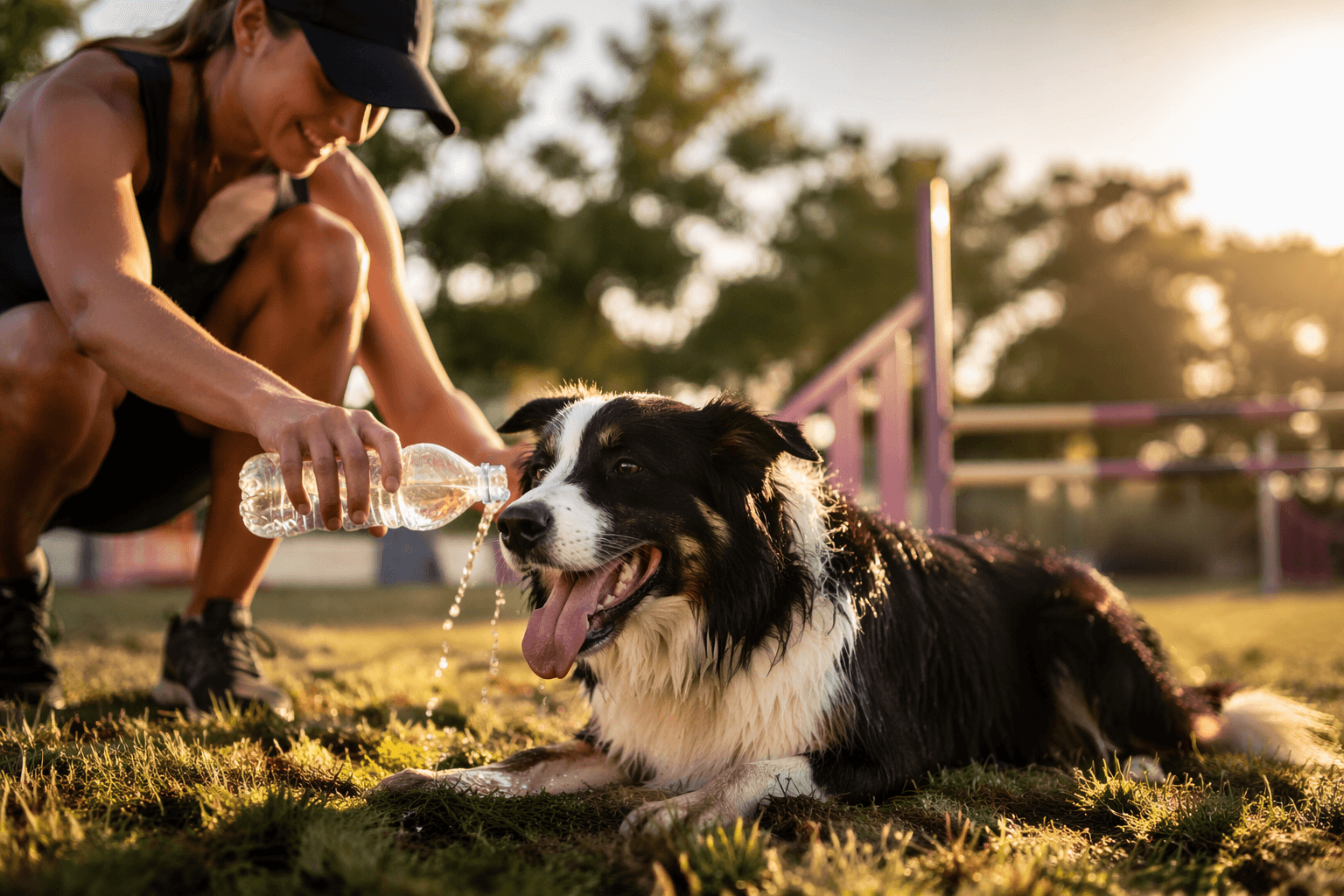
That is why Great Sand Dunes feels especially relevant for hyperenergetic dogs: it offers real exercise, but only if you treat the outing like an athletic event. Water, rest, and timing matter here as much as mileage, and the park’s lack of timed-entry reservations or timed-entry requirements makes that planning a little easier.
The common thread is movement with rules
Across these parks, the point is not just that dogs are allowed. It is that the best destinations give dogs enough access to earn their tired legs, while still protecting wildlife, sensitive habitat, and other visitors. The Bark Ranger program extends that same logic, with dog-handler teams and volunteers helping promote safe visits and resource protection, and the materials link pet exercise to the health benefits it brings to both people and dogs.
That is the real field guide for a hyperenergetic dog: choose parks that offer more than a curbside break, respect the places where trails end for pets, and build the day around leash rules, heat, and terrain. The parks worth the drive are the ones where a dog can move hard, settle down well, and still leave the landscape exactly as it was found.
This article was produced by Prism’s automated news system from verified source data, official records, and press releases, then run through automated quality and moderation checks before publishing. The system is built and supervised by the people who set the standards it runs under. Read our full AI policy.
Did this article answer your question?