English Springer Spaniels thrive with active owners, training and exercise
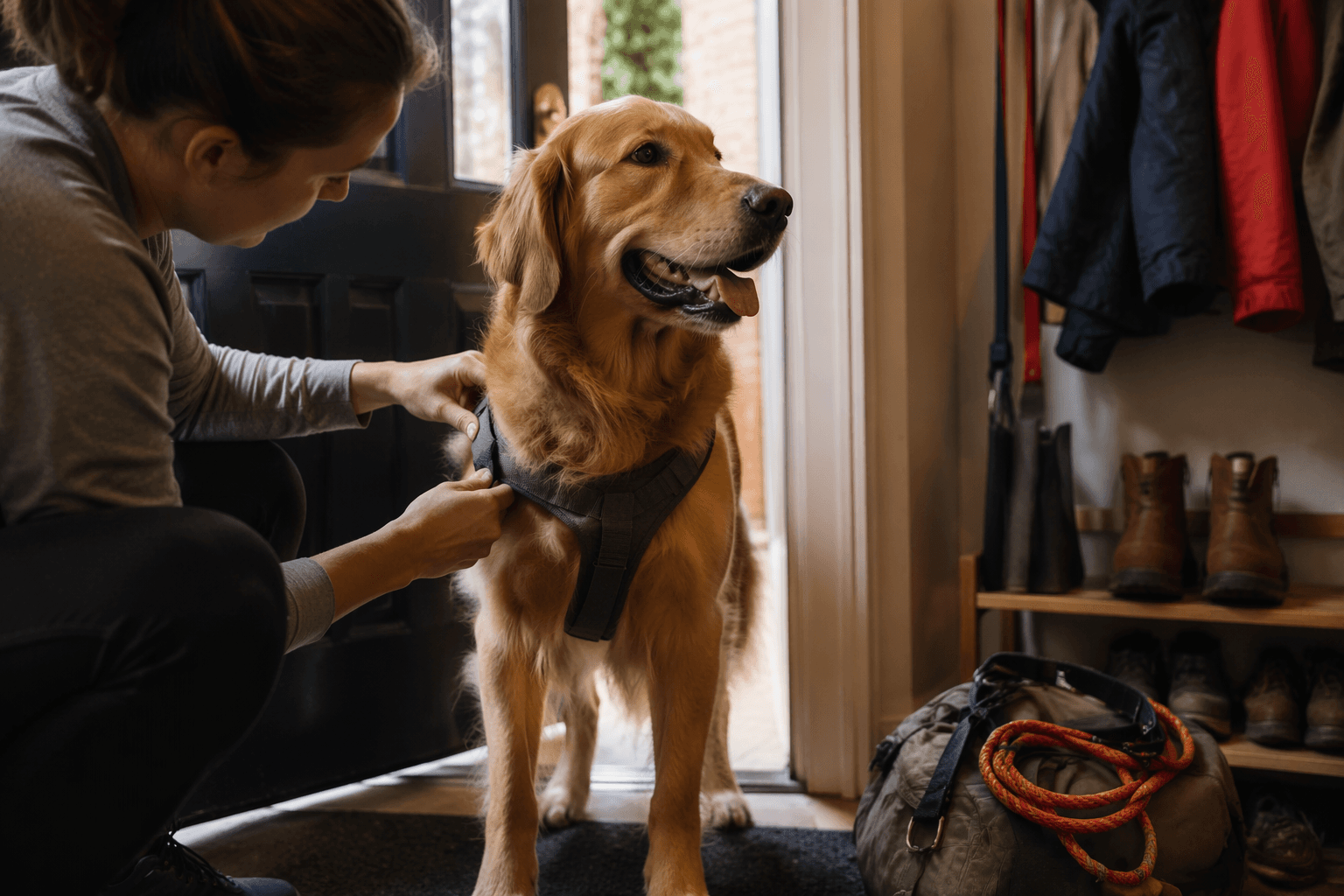
Springers are affectionate, but their real engine is work drive. Put them with active owners who train, exercise, and enrich them, or that energy spills into trouble.
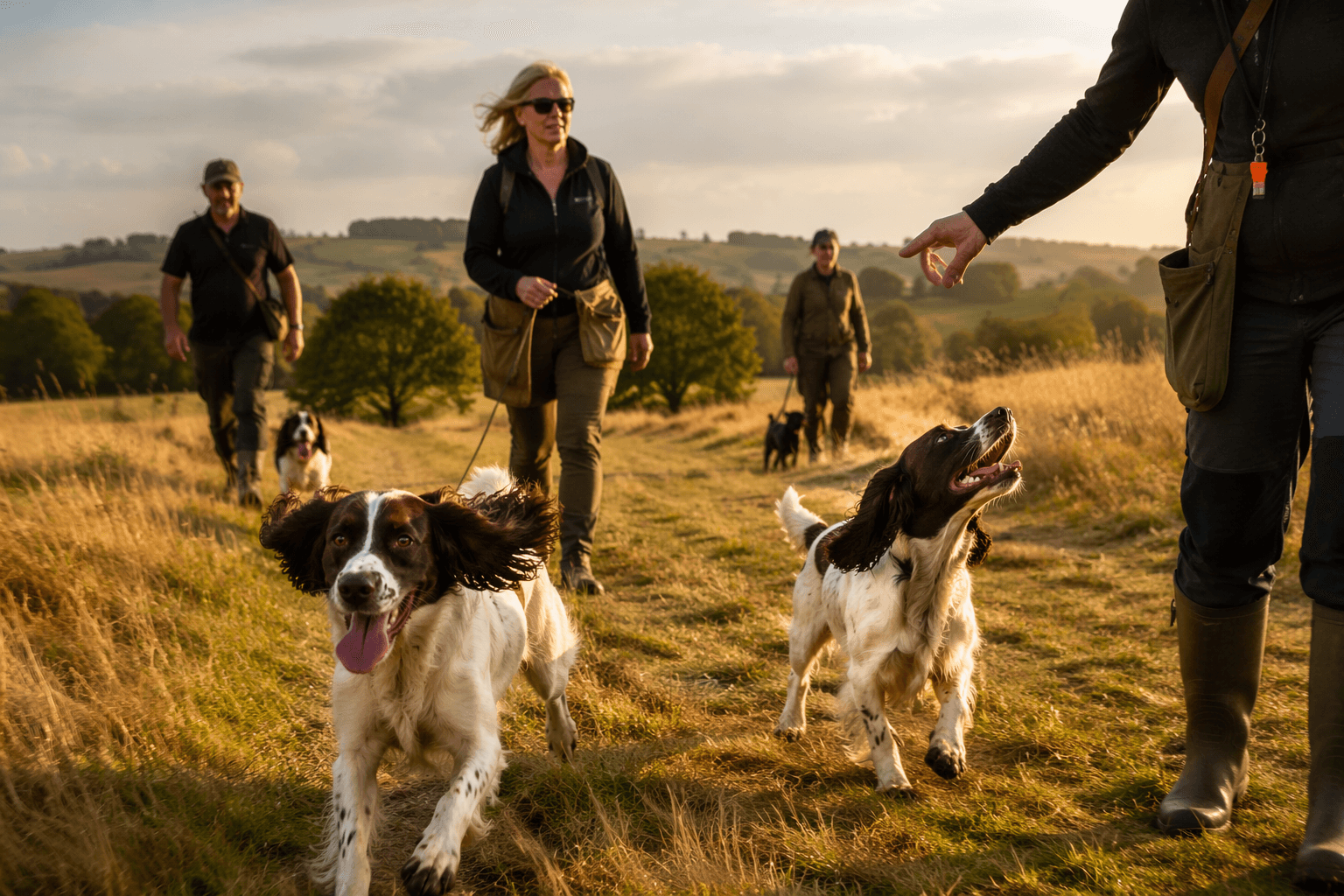
The English Springer Spaniel can look like pure charm until it starts moving with purpose. Beneath the friendly face is a Sporting Group dog built for long days in the field, and that work drive is exactly what catches first-time owners off guard. Give this breed daily exercise, structured training, and real jobs to do, and the same intensity that can turn a house upside down becomes the reason the Springer is such a satisfying companion.
A sporting dog with a very real job description
The American Kennel Club places the English Springer Spaniel in the Sporting Group and calls the Springer a born hunter. This is a tough, muscular spaniel built for long days in the field, not a decorative pet that thrives on short walks and a loose routine.
The Kennel Club in the United Kingdom lists the English Springer as the highest on the leg of all the land spaniels. That athletic build matches the breed’s history as a working gundog, and it shows up in the way Springers approach life with speed, enthusiasm, and focus.
Why the temperament wins people over, and why it can also overwhelm them
Springers are easy to love because they are extremely loyal, loving, people-oriented, intelligent, eager to please, friendly, and social. In a home that wants an engaged dog, those traits are gold. The breed can fit into a surprisingly wide range of households, including homes with families and first-time owners, as long as the people in charge understand that a cheerful temperament does not cancel out the need for work.
The same intelligence that makes training satisfying also creates problems when the dog is underused. The AKC warns that leaving Springers alone for long periods can lead to undesirable behaviors, and that warning lines up with the breed’s hunting background. A Springer that does not have enough structure often finds its own outlet, which is how a bright, affectionate spaniel turns into a restless one.
Daily exercise is the difference between a partner and a nuisance
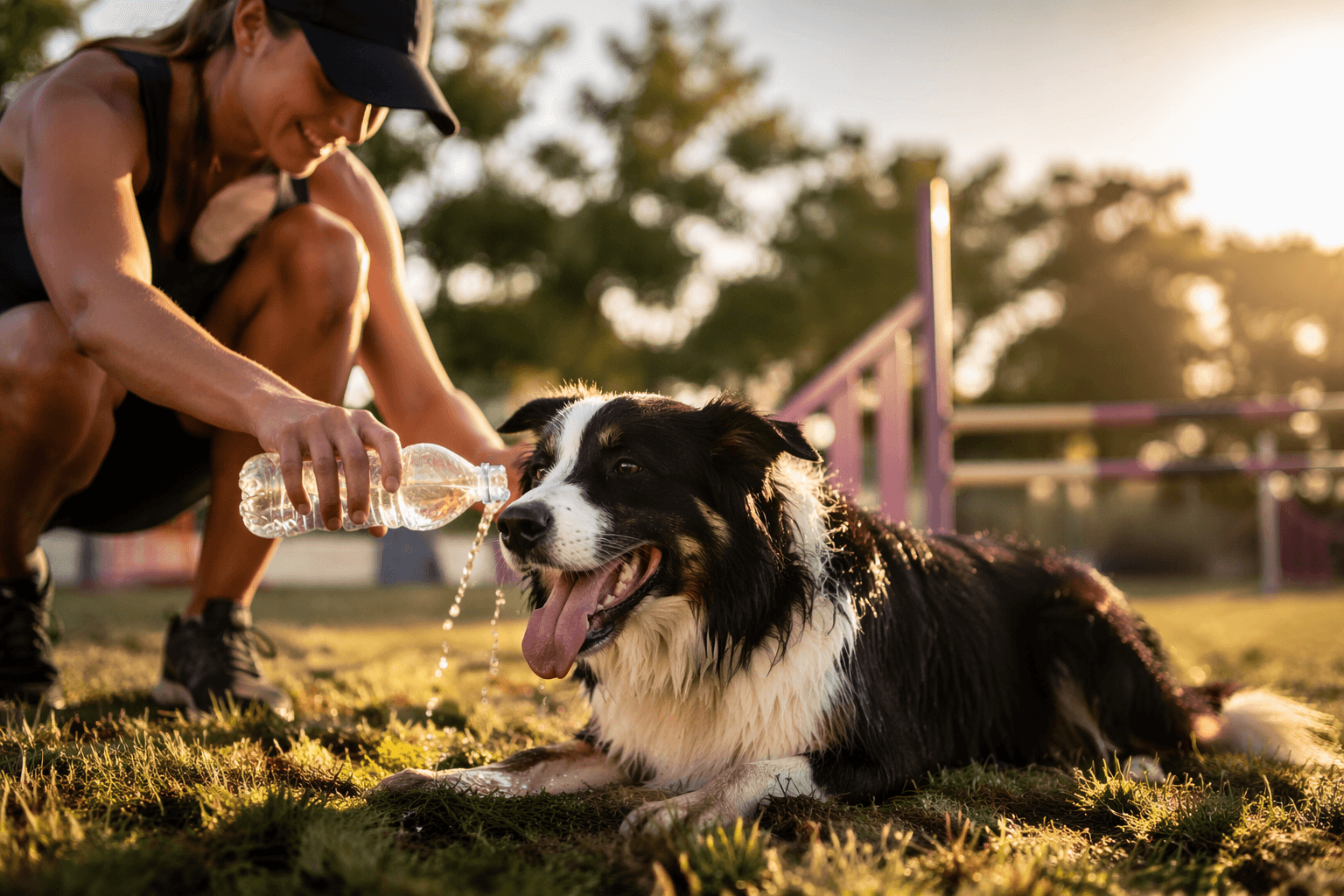
A Springer does best when the day includes more than a quick leash loop. Retrieval games, outdoor adventures, and routine exercise help direct the breed’s energy into something useful, and they fit the dog’s instinct to work. The practical goal is not just to tire the dog out. It is to satisfy a breed that wants movement, purpose, and repetition.
Training sessions count as exercise too, especially when they are short, regular, and mentally engaging. Springers respond well to structured play and enrichment because the breed was shaped to stay alert and active in the field. A household that builds in fetch, retrieve work, and consistent obedience practice is working with the dog’s nature instead of fighting it.
History explains the energy
Spaniels were mentioned by name as far back as 300 A.D. in an ancient law in Wales, and dogs resembling today’s English Springer Spaniel appear in 16th- and 17th-century paintings and prints. The first pure line of English Springer Spaniels was developed around 1800 in Shropshire, England, which helped set the stage for the breed’s modern identity as a working dog.
The split from the Welsh Springer Spaniel came in 1902, when The Kennel Club in England recognized the two as distinct breeds. The American Kennel Club registered its first English Springer Spaniel in 1910, and the English Springer Spaniel Field Trial Association formed in 1924 to emphasize field-trial performance. The English Springer Spaniel Club in the United Kingdom was established in 1921 and still serves as the breed’s parent club.
Living with one means planning for the body as well as the mind
The typical Springer stands 19 to 20 inches tall and weighs 40 to 50 pounds, which makes the breed substantial without being cumbersome. That size works well for active homes, especially when the dog’s coat and health needs are handled with the same consistency as exercise. Weekly brushing helps keep the double coat healthy and free of dirt and debris, and regular trimming keeps the dog comfortable and tidy.
Health is part of the ownership picture too. Health concerns include hip dysplasia, elbow dysplasia, and progressive retinal atrophy. PDSA notes that progressive retinal atrophy can begin with night blindness and progress to total blindness, which makes eye monitoring especially important as the dog ages.
This article was produced by Prism’s automated news system from verified source data, official records, and press releases, then run through automated quality and moderation checks before publishing. The system is built and supervised by the people who set the standards it runs under. Read our full AI policy.
Did this article answer your question?