FDA approves first dog drug for noise aversion and separation anxiety
FDA approval of Tessie gives vets a new tool for dogs hit by noise aversion and separation anxiety, not a shortcut for bad manners.
Medication is not the shortcut many owners imagine for a dog that cannot settle, bolts at every sound or melts down when left alone. In the cases that look like hyperactivity, the real driver is often fear, anxiety or a failure to self-regulate, and that is exactly where drug therapy can help create enough calm for training to stick.
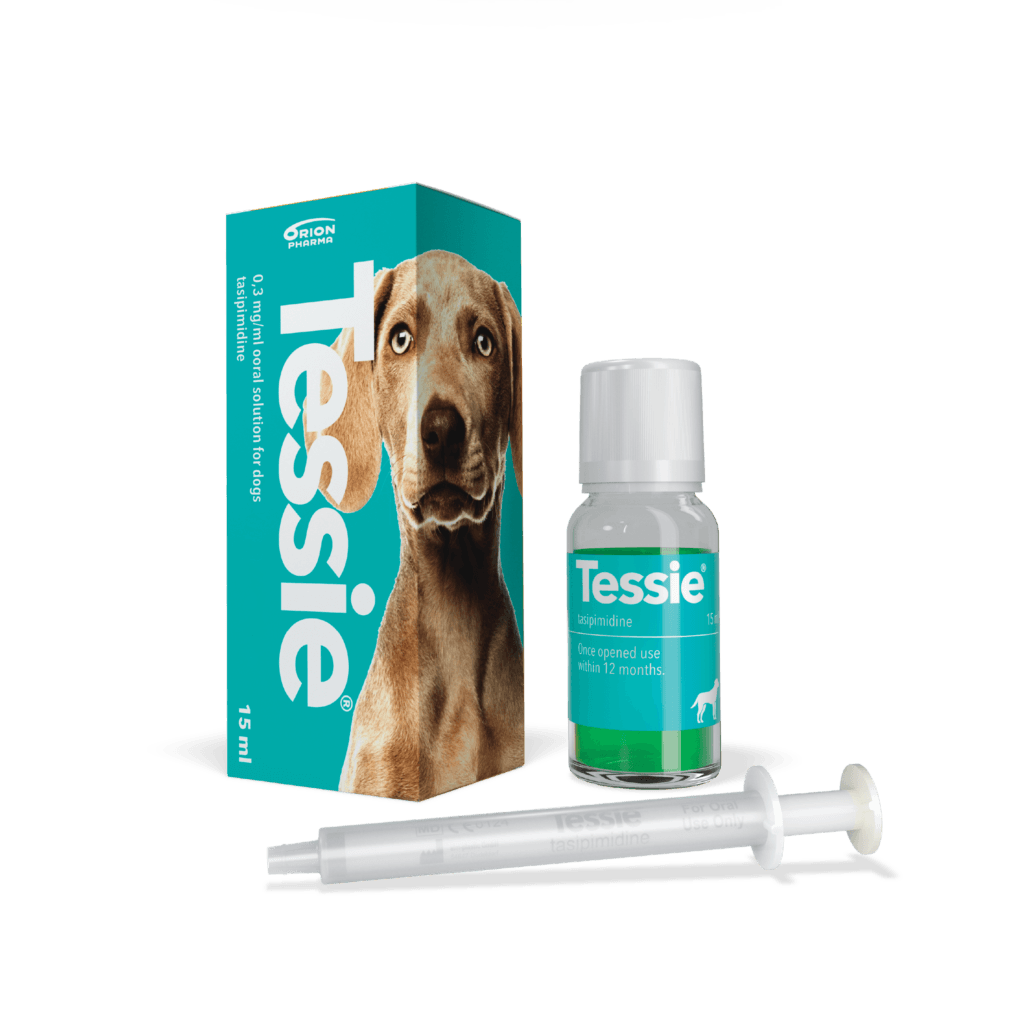
The U.S. Food and Drug Administration approved Tessie, the tasipimidine oral solution, on May 6, 2026, for noise aversion and separation anxiety in dogs. Orion Corporation, the sponsor, says tasipimidine is a proprietary molecule and a new active substance for veterinary use in the United States. Orion describes the drug as acting in the central nervous system by blocking the startle reflex and counteracting arousal, a design meant to blunt the emotional surge that can keep dogs stuck in panic mode.
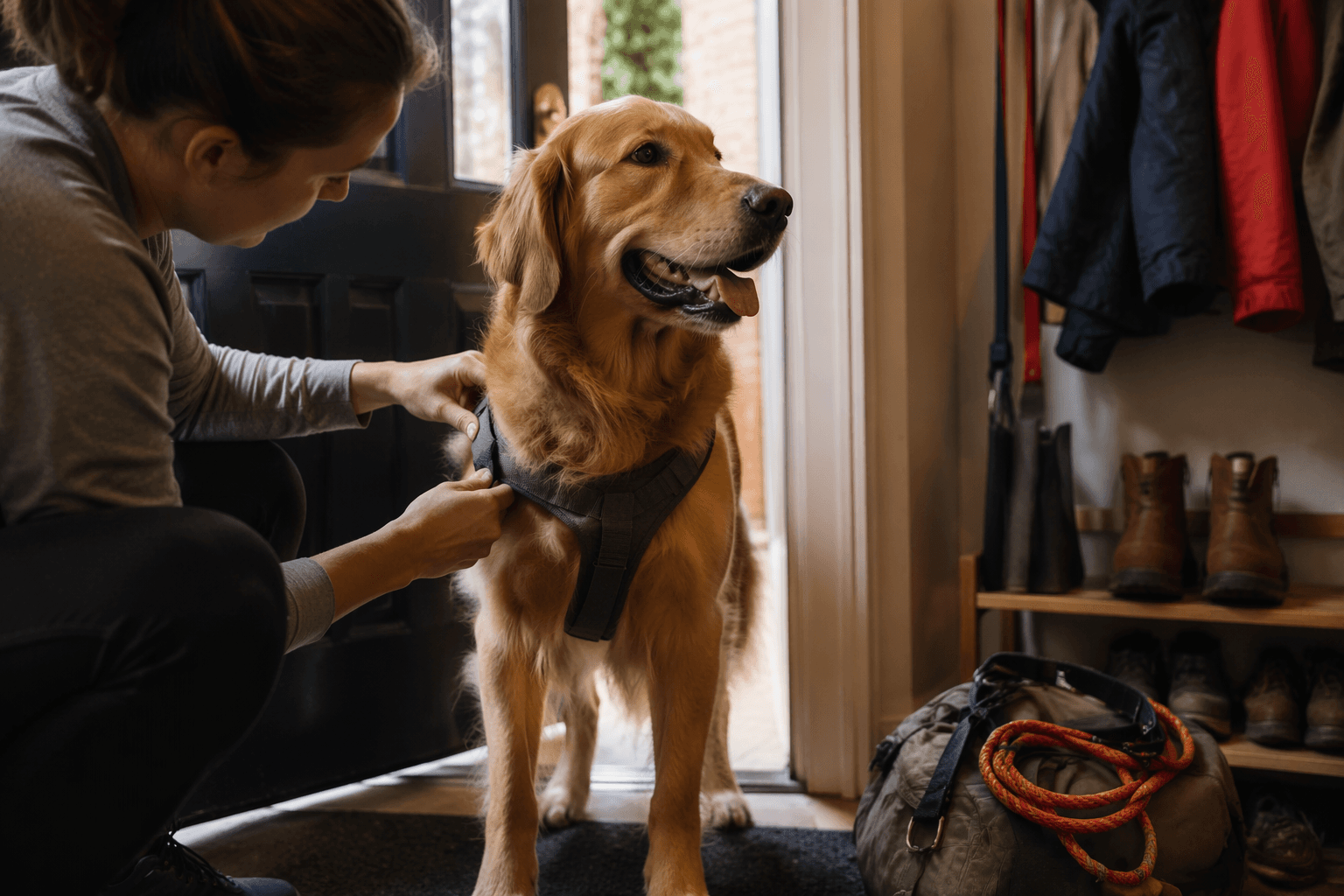
That matters because medication can change the volume of the response, but it does not rewrite a dog’s learning history. In the dvm360 discussion hosted by Kristen Coppock Crossley with behavior experts Christopher Pachel and Carlo Siracusa, the emphasis was on using pharmaceuticals to reduce fear, anxiety, arousal, panic, impulsivity, reactivity and hyperactivity so the dog can learn better, not as a replacement for behavior work. A dog that barks, paces or cannot rest still needs a safer environment, owner education and structured training to build new associations and coping skills.

The experts also challenged a common myth in fear cases, the idea that owners should ignore a frightened dog because attention will reinforce the fear. The discussion said that belief has no scientific foundation. That lines up with the American Animal Hospital Association’s guidance that medications should be used only as part of an integrated treatment program, with controlled studies showing clomipramine and fluoxetine can work when paired with behavior modification for separation anxiety.
The American Veterinary Society of Animal Behavior has taken the same basic line on training, recommending only reward-based methods for all dog training, including treatment of behavior problems. For hyperenergetic dogs whose nonstop motion masks distress, that is the real takeaway from Tessie’s approval: when the engine is fear, more exercise alone will not fix it, and the smartest care plan lowers arousal first so the dog can finally learn to settle.
This article was produced by Prism’s automated news system from verified source data, official records, and press releases, then run through automated quality and moderation checks before publishing. The system is built and supervised by the people who set the standards it runs under. Read our full AI policy.
Did this article answer your question?