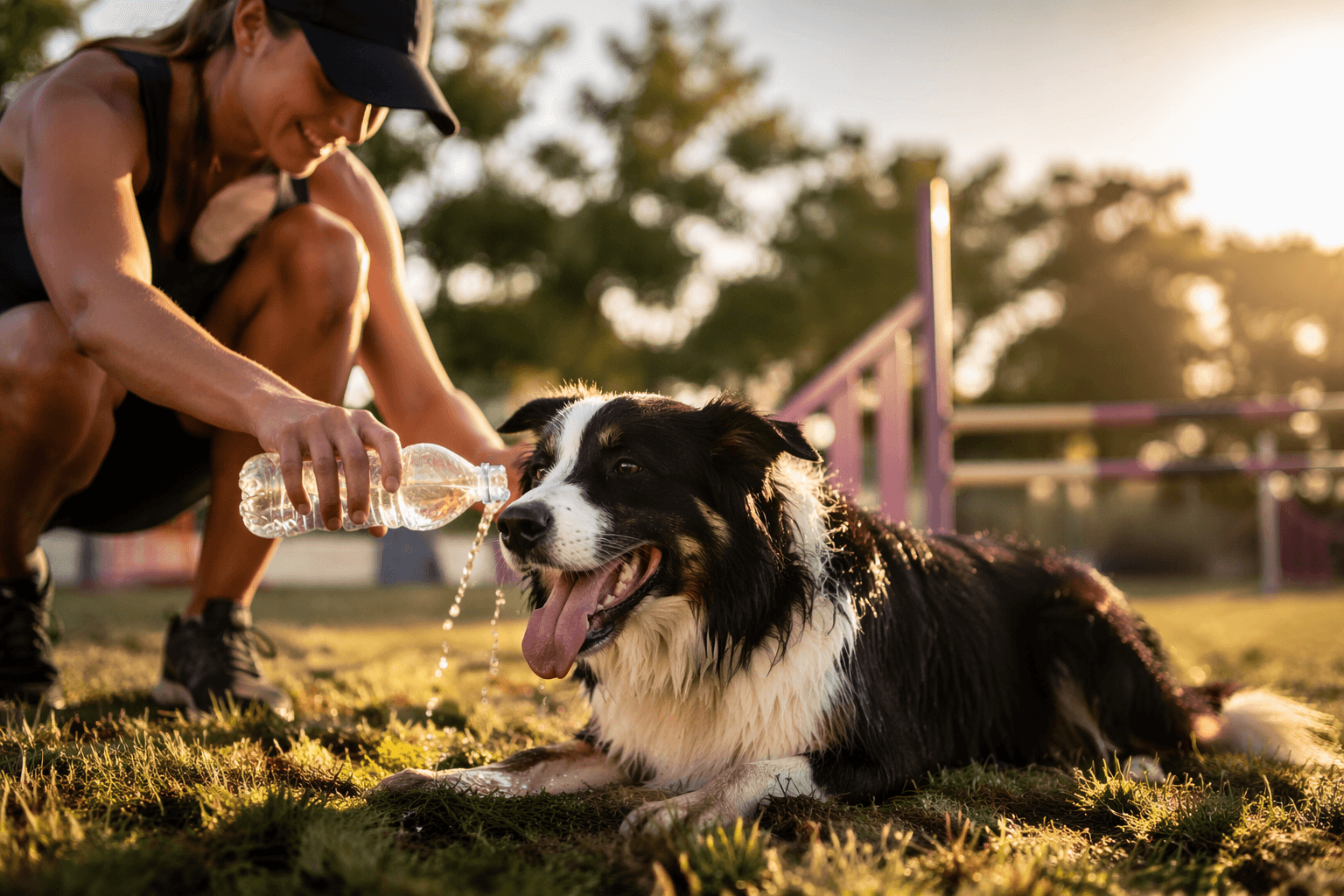
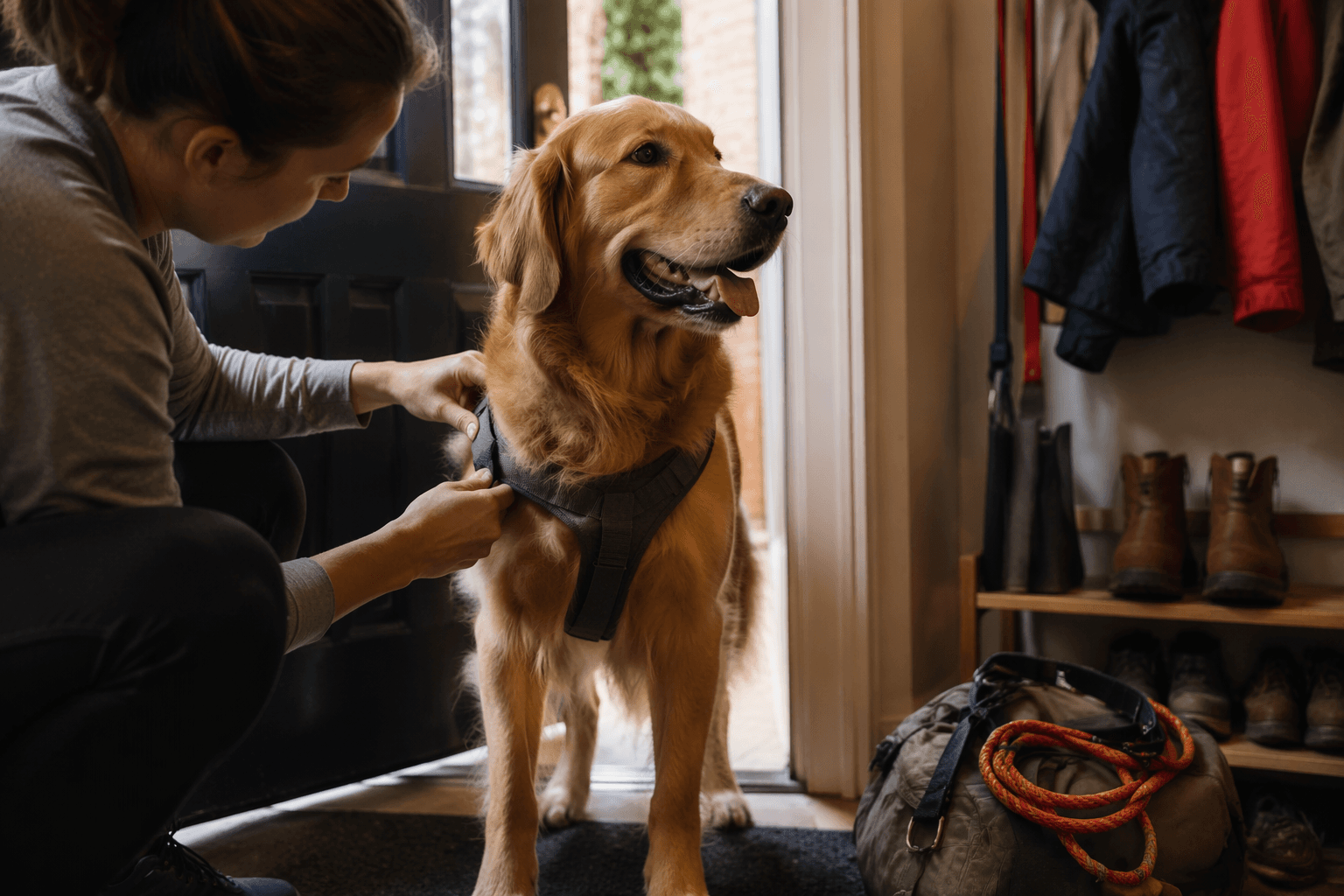
German Shorthaired Pointers thrive on exercise, hunting, and constant play
A GSP is not a casual companion. This is a purpose-built, high-drive dog that needs daily miles, job-like play, and a handler who can keep up.
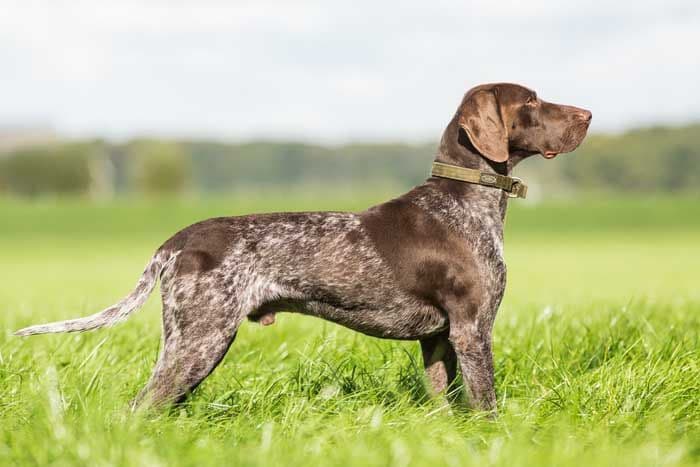
German Shorthaired Pointers can be extremely challenging from about six months to three years old. This is a medium-sized sporting breed that lives best when exercise, training, and play all show up every day, not just when the weather is nice or the schedule happens to be open. If you want a dog that can switch off for long stretches, this is not that breed.
Purpose-built, not parked
The American Kennel Club calls the German Shorthaired Pointer a versatile, medium-sized sporting dog, an enthusiastic gundog of all trades that “thrives on vigorous exercise, positive training, and a lot of love.” This is not random bounce-off-the-walls energy, but a working drive that was selected to support hunting, retrieving, and staying engaged with a handler. The breed’s history was shaped by Germany’s national pride, natural landscape, and abundant game, which helped turn the dog into a hunter’s all-purpose partner rather than a decorative companion.
The Fédération Cynologique Internationale places the breed in Group 7, Pointing Dogs. The standard is written around a versatile hunting dog with the strength, endurance, and speed to do the work. The FCI keeps the breed subject to a working trial in its nomenclature. The same standard says the dog is designed to perform hunting activities even at advanced age.
What daily life actually has to look like
Living with a German Shorthaired Pointer means building the day around movement. Long walks help, but this breed usually wants more than a neighborhood lap. Running, hiking, retrieving games, structured play, and other forms of purposeful activity fit far better than casual yard time because the dog’s mind is wired for tasks and partnership.
That is why the right owner matters as much as the right exercise plan. A fitness-minded household with regular outdoor time, a consistent routine, and a willingness to make the dog part of daily activity is far more likely to get the best from the breed. If the schedule is packed, if weekends are the only time for exercise, or if “play later” becomes the default, the mismatch shows quickly. A GSP that is not getting enough work is not usually a calm, settled dog waiting politely by the sofa. It is a working dog with nowhere to put its energy.
Constant play is part of the equation, but it works best when the play has a point. Fetch, scent games, recall drills, trail time, and field-style training all give the breed the kind of engagement it understands. The more the activity feels like a task, the more naturally many GSPs seem to settle into it.
Training through the hard phase
That adolescent window matters because many owners expect puppyhood to be the toughest stretch, then get surprised when the dog becomes stronger, faster, more independent, and more persistent just as it is getting bigger.
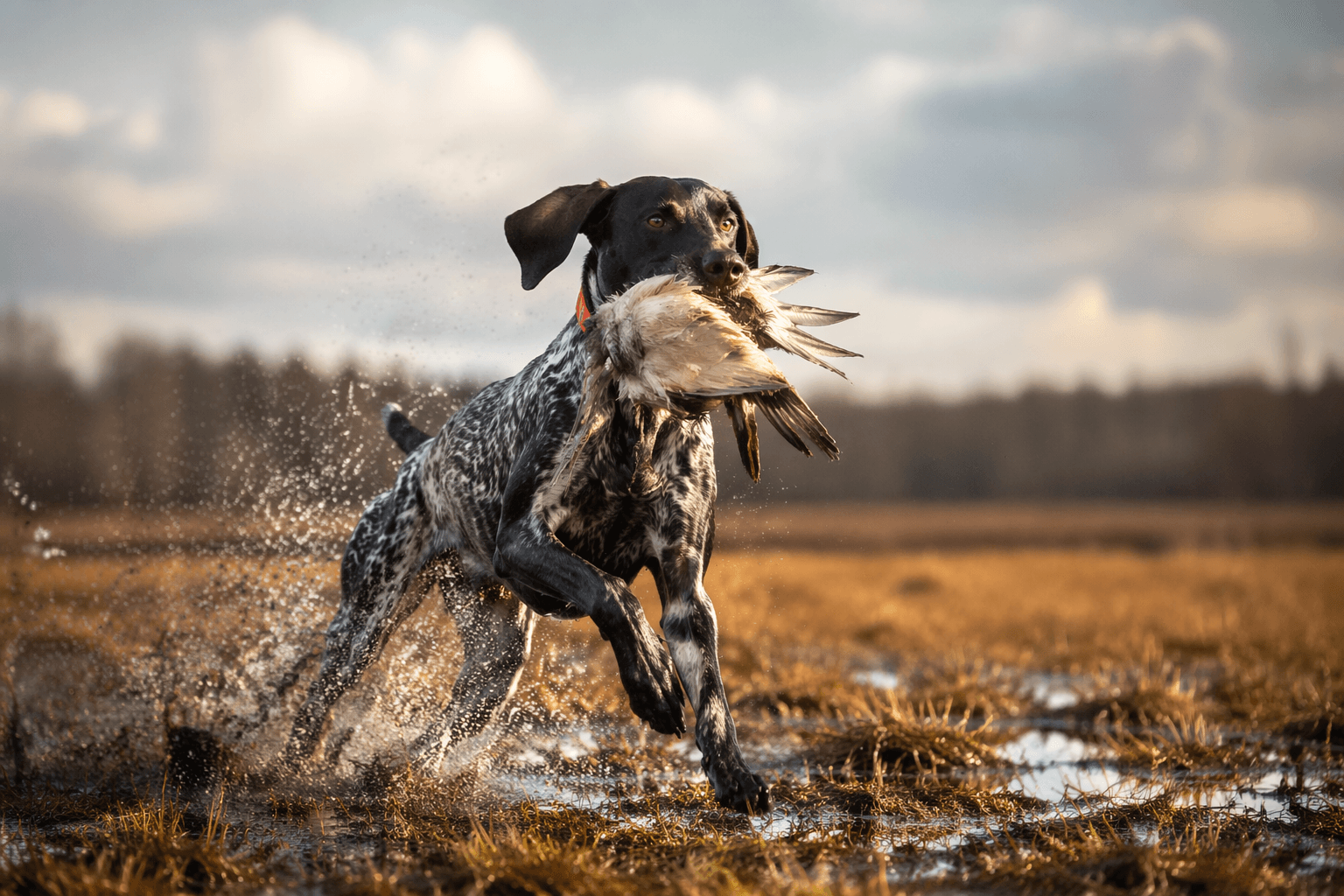
Positive training is the right fit for that phase because the breed responds best when the handler works with its drive instead of fighting it. Short, consistent sessions tend to be more productive than long lectures. Clear recall, leash manners, impulse control, and retrieval work all fit the breed’s natural style of learning because they turn energy into a job. A GSP that is mentally busy is usually much easier to live with than a GSP that is only physically tired.
The hunting background also changes how training feels day to day. This is a dog that wants to do something with you, not simply near you. When training has a target, a retrieve, a direction, or a sequence to solve, the breed’s enthusiasm becomes an asset instead of a challenge.
Health, lifespan, and the long view
VCA Animal Hospitals rates the German Shorthaired Pointer a 5-out-of-5 jogging partner. VCA gives the breed a typical lifespan of 12 to 14 years.
VCA says German Shorthaired Pointers are among breeds affected by lysosomal storage diseases, a rare but serious inherited disorder category. That does not define the breed, but it does matter for anyone thinking seriously about health screening and responsible breeding.
The FCI standard emphasizes a dog that can still perform hunting activities when older.
Feeding, grooming, and the practical side of care
A breed this active needs food that matches its workload. The key is not indulgence but fuel: a German Shorthaired Pointer is a medium-sized sporting dog with a serious output level, so diet needs to support that daily demand. Owners who underfeed an athlete or overfeed an underworked dog can create problems quickly, especially when exercise is inconsistent.
Grooming is not the headline with this breed. Keeping the dog fit, trained, and busy is the real maintenance. The coat may be one part of care, but the schedule, the training plan, and the outdoor routine are what keep the dog balanced.
This article was produced by Prism’s automated news system from verified source data, official records, and press releases, then run through automated quality and moderation checks before publishing. The system is built and supervised by the people who set the standards it runs under. Read our full AI policy.
Did this article answer your question?