How your dog’s environment shapes health, comfort, and behavior
A hyper dog is not always under-exercised. Heat, noise, air, boredom, and isolation can keep the nervous system switched on long after the walk ends.

Heat, stale air, noise, routine changes, and too much or too little stimulation can keep a hyperenergetic dog in a constant state of arousal, even after a long walk or a hard play session. The real job is not just to burn energy, but to shape the environment so the dog can cool down, recover, and make better behavior choices.
The room, yard, and route all count
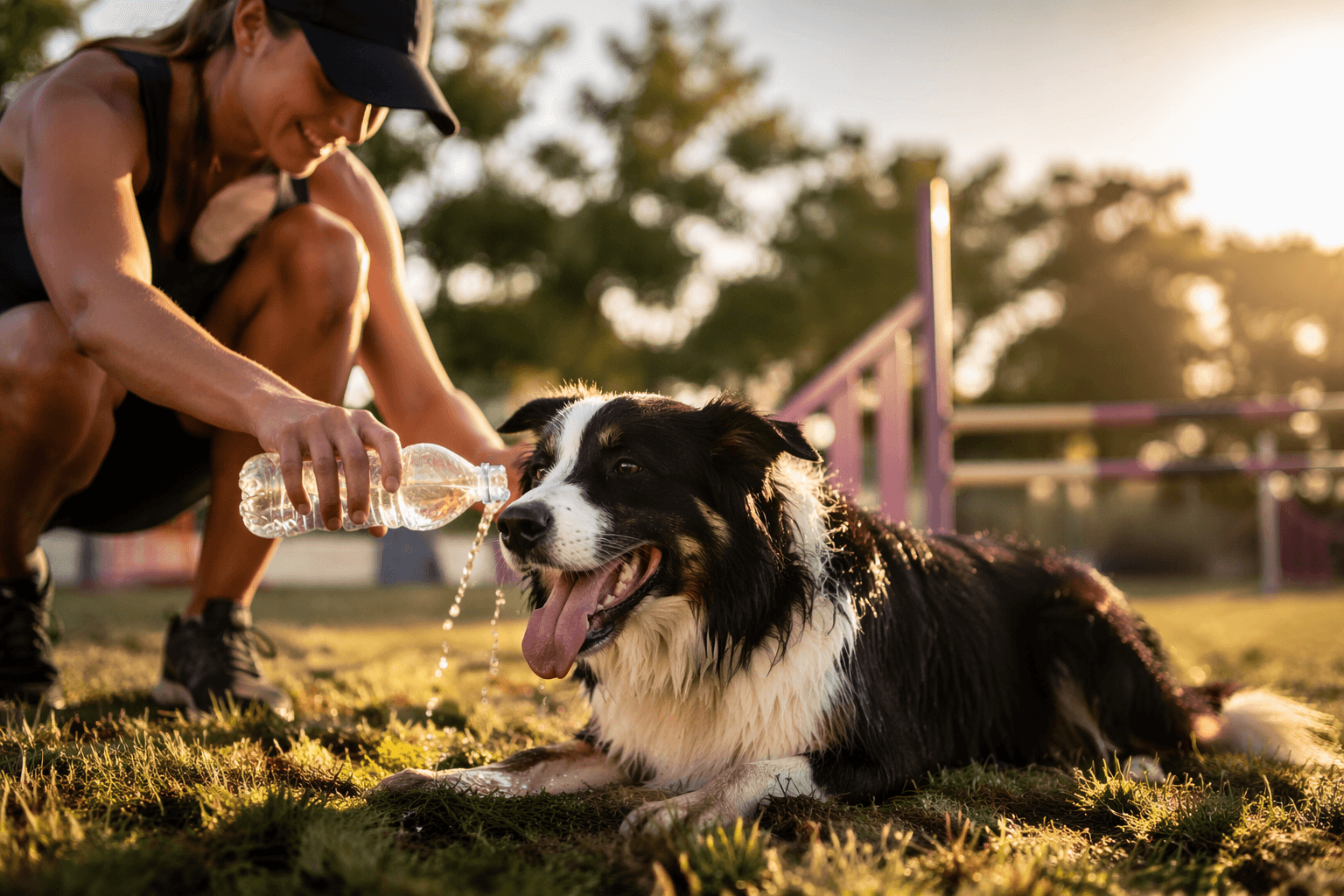
The American Veterinary Medical Association includes environment in basic daily care: pets should have unlimited access to fresh water, access to shade outdoors, and different temperature zones inside the house. Dogs regulate heat very differently from people, relying heavily on panting rather than sweating. A space that feels comfortable to you can still be too hot or too draining for a dog that is already keyed up.
A dog who spends time in a noisy room, a warm car ride, a crowded yard, or a busy hallway may come out of each experience more activated than before.
Heat is not just a summer problem
The AVMA warns never to leave a pet in a car, even in the shade or with the windows cracked. Temperature changes inside a vehicle can become dangerous quickly, and cracked windows do not make a meaningful difference. The same caution applies to walks, play sessions, and errands that feel short to humans but can still push a dog into trouble.
Heat stress has a clear warning pattern. AVMA heat-stress guidance lists anxiousness, excessive panting, restlessness, excessive drooling, unsteadiness, abnormal gum and tongue color, and collapse as signs that need urgent attention.
A Royal Veterinary College summary of VetCompass data found 26.56% mortality among dogs with heatstroke in that dataset, and found flat-faced dogs were four times more likely to develop heatstroke than normal-faced dogs. Dogs are at higher risk on heat-health alert days and should avoid known triggers such as exercise or car travel. The American Veterinary Medical Association Journal reviewed 103 heat-induced injury cases in military working dogs treated between January 2008 and December 2014, and flagged environmental conditions and activity-related factors as part of heat-stress assessment.
Enrichment is a comfort tool, not just a game
The American Animal Hospital Association defines enrichment as more than playtime. It is meant to meet a pet’s natural needs in ways that support physical health, emotional wellbeing, and overall happiness. For a hyperenergetic dog, that means the right mix of movement, problem-solving, rest, and predictability, not endless stimulation.
AAHA ties canine behavior to developmental age, experience, breed, and environment. When a dog seems overexcited or hard to settle, the issue may not be a simple lack of exercise. A dog can be energetic and still be stressed, or energetic and under-stimulated, or both at once.
Purdue University Extension ties excessive licking, chewing, barking, pacing, digging, escaping, and even coprophagy to barren or boring environments.
A practical audit for hyperenergetic dogs
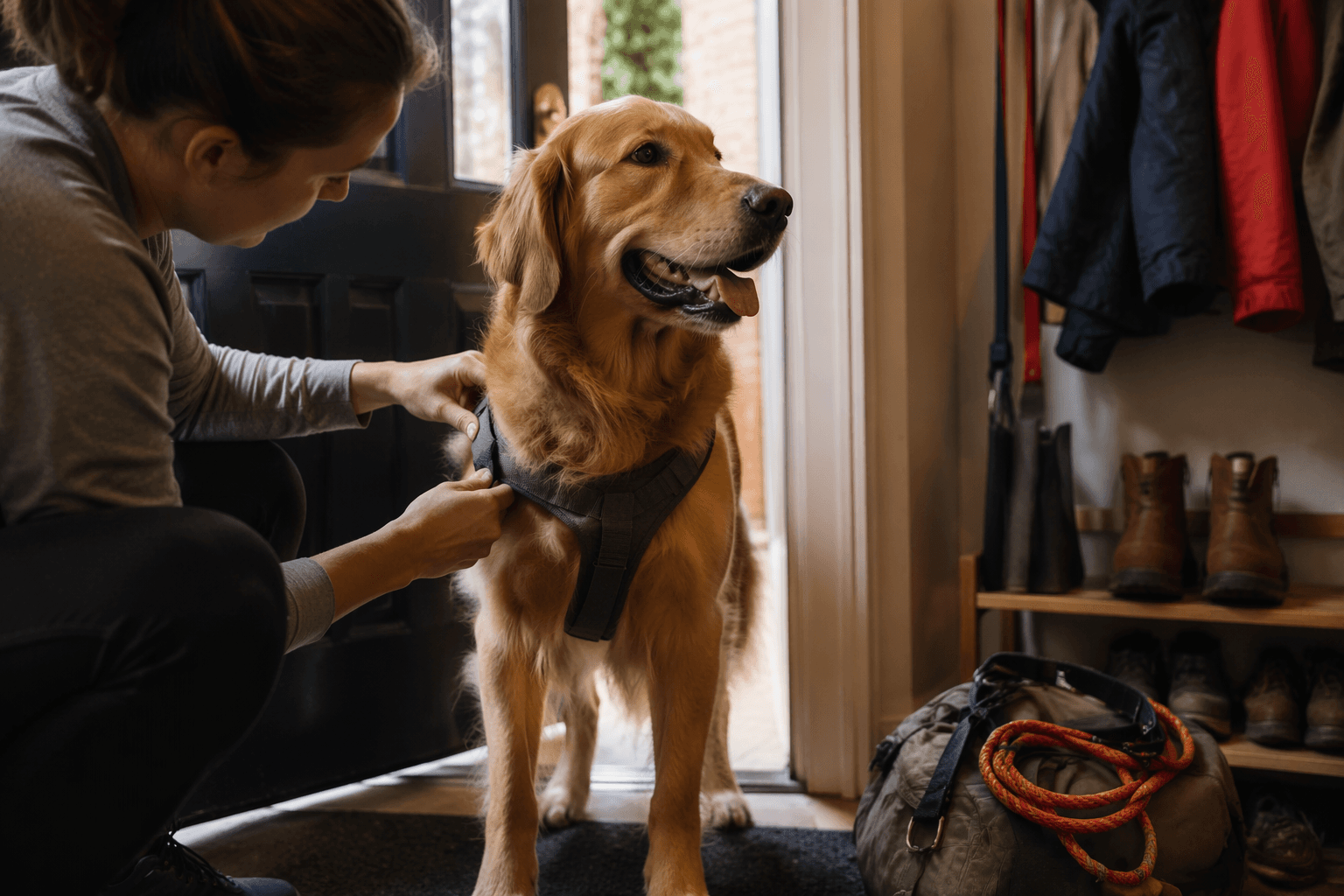
Start with the basics you can change today:
- Water and shade: make sure fresh water is always available, and make sure outdoor time includes shade.
- Indoor temperature zones: give the dog a cooler place and a warmer place so it can self-select comfort.
- Car time: treat every parked car as off-limits, even for “just a minute.”
- Noise and social traffic: notice whether the dog is exposed to constant door slams, hallway traffic, barking, or neighborhood commotion.
- Stimulation level: look at whether the dog is getting enough enrichment to stay engaged, but not so much chaos that it never fully settles.
- Alone time: pay attention to whether long stretches alone are followed by pacing, vocalizing, or frantic behavior.
A hyperenergetic dog that is restless, vocal, pacing, or chewing may be asking for cooler air, less noise, more predictability, or a better outlet for its brain.
This article was produced by Prism’s automated news system from verified source data, official records, and press releases, then run through automated quality and moderation checks before publishing. The system is built and supervised by the people who set the standards it runs under. Read our full AI policy.
Did this article answer your question?