Kennels shape recovery, stress, and performance in working dogs
Kennels can either bring a high-drive dog down or keep the engine idling too hot. The difference comes down to air, noise, heat, layout, and routine.
Kennels are part of the job
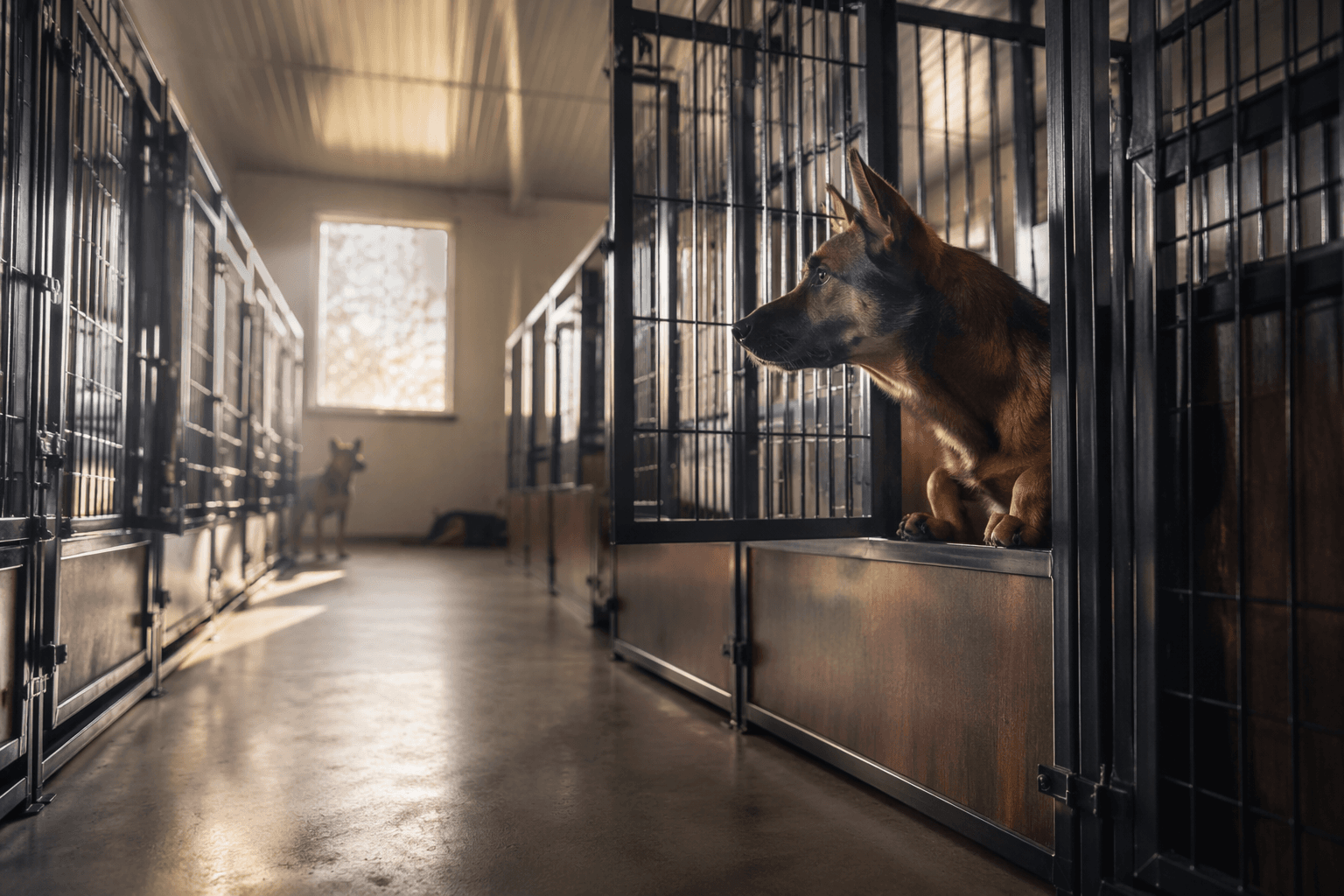
For high-energy dogs, the kennel is not dead time. It is where recovery either settles arousal or quietly keeps it high, and that difference shows up on the next shift, the next track, or the next training day. The strongest lesson from working-dog programs is simple: what happens behind the scenes shapes what the dog can do when the work starts.
That is why kennel conditions deserve the same attention handlers give to equipment, conditioning, and training records. A dog that sleeps in stale air, waits in constant noise, or rests on hot, damp, or hard surfaces may not fail loudly. The damage is usually slower and less obvious: poorer recovery, more stress, weaker clarity, and less willingness to go back out and work. In the working-dog world, that is not a comfort issue. It is a readiness issue.
Why airflow and temperature matter first
Ventilation is not a small detail. USDA and APHIS say indoor housing for dogs must be sufficiently ventilated at all times to protect health and well-being and to minimize odors, drafts, ammonia levels, and moisture condensation. That standard fits the working-dog reality perfectly, because stale air and trapped moisture are more than unpleasant. They can make a kennel feel heavy, irritating, and harder to recover in.
Temperature control matters just as much. APHIS also warns that dogs can still experience temperature-related stress or illness even when they are housed according to the rules, because age, breed, health, acclimation, and humidity all affect how a dog handles heat and cold. For a high-drive dog, that means the kennel cannot be treated as a neutral box. If the space runs hot, damp, or poorly ventilated, the dog may carry that stress straight into the next session.
This is where hobby owners often miss the connection. A dog that seems “fine” in the crate may still be accumulating heat load or stress if the room itself is working against recovery. The right takeaway is not that every kennel needs to look clinical. It is that airflow, temperature, and moisture control are performance tools.
Noise, flooring, and layout change how a dog resets
Purdue Canine Welfare Science is blunt about the broader design picture: effective kennel design can improve dogs’ physical and mental health. Its guidance also points to specific design choices that matter in daily use, including flooring, noise level, ease of cleaning, safety, and separate quarantine, exam, and medical treatment areas. Those details sound structural, but they have direct behavioral effects.
Noise is a major example. A kennel filled with barking, banging gates, and constant foot traffic can keep a high-energy dog in a state of alert rather than recovery. The dog may rest physically while staying mentally switched on, which is not the same thing as downshifting. Flooring matters too, because the wrong surface can stay wet, hold odor, or create discomfort that makes a dog less likely to settle. Ease of cleaning matters because a kennel that is hard to sanitize turns small messes into persistent stressors.
Layout also shapes behavior. Separate spaces for quarantine, examination, and medical treatment are not just about disease control. They help keep the dog’s routine more predictable and reduce the chance that stressful events leak into the normal rest area. For working dogs, predictability is part of confidence.
Working-dog programs treat kennel conditions as readiness
The clearest proof that kennel design affects performance comes from the agencies that rely on dogs to do serious work. The Government Accountability Office says federal agencies use working dogs for tasks including explosives and narcotics detection, and it notes that working-dog health and welfare are formal policy concerns. That framing matters because it places kennel management inside the larger mission, not beside it.
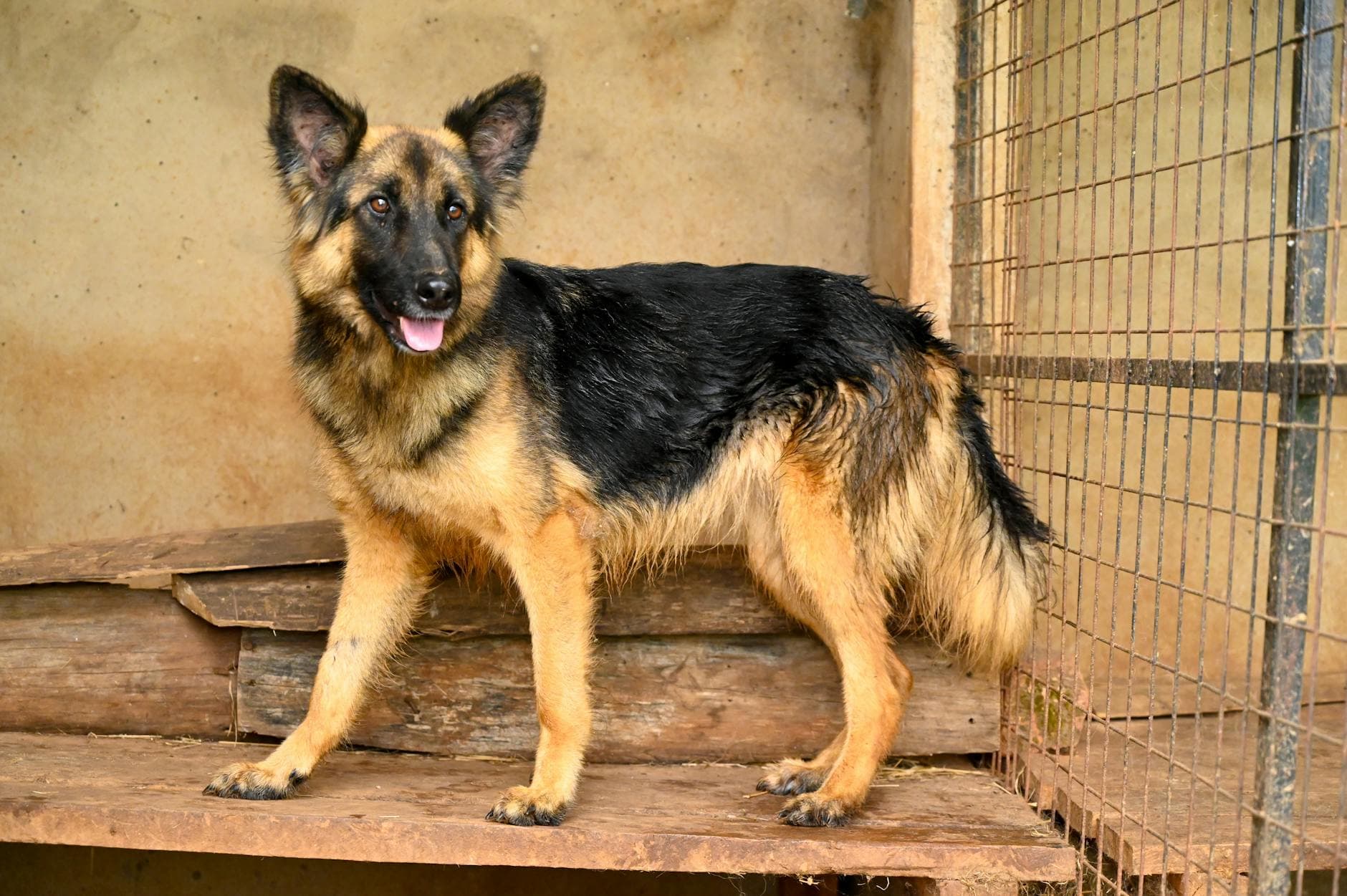
The U.S. Air Force has made the same point in practical terms. A 2021 Air Force report said upgrades to military working dog kennel facilities at Hurlburt Field, Florida followed a Kennel Health Assessment 2.0 review after dogs were at risk of burning their paws on increasingly hot turf. That is a striking example of how facility conditions can become an operational problem. When the ground itself threatens the dog, the kennel area is no longer background infrastructure. It is part of mission safety.
That same logic applies to sport dogs, SAR dogs, detection dogs, and other intense workers. If the kennel environment is poor, the dog may be arriving to the next effort already behind.
Cooling after work is part of kennel management too
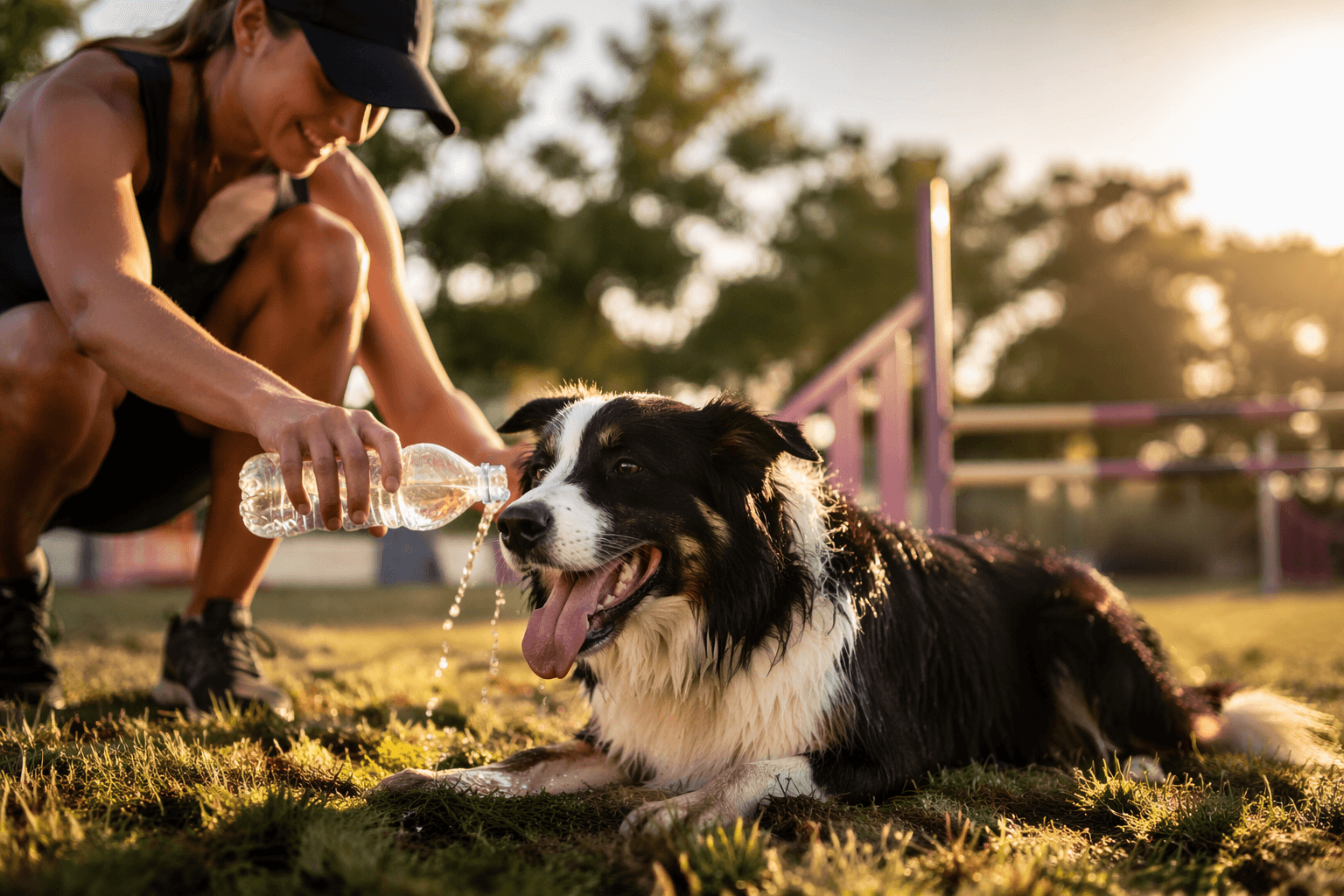
Recovery is not only about what happens overnight. It also includes how fast the dog comes down after exercise. Penn Vet Working Dog Center researchers reported in September 2024 that they identified a field-applicable way to rapidly help dogs cool down after exercise. That kind of finding reinforces a larger truth: thermal management is not optional in a high-output dog.
The kennel should support that process instead of fighting it. After work, a dog needs a place that helps it shed heat, breathe normally, drink, and settle. If the kennel traps warmth or stays humid, it slows the transition from exertion to recovery. If the kennel is cool, ventilated, and calm, it supports the dog’s return to baseline.
That matters because the recovery window is where performance gets protected. A dog that cools efficiently is more likely to be ready again sooner, with less lingering stress between efforts.
What to watch in your own kennel or crate setup
For hobby owners managing high-drive dogs, the practical lesson is to audit the space the same way you would audit a training plan. The dog may be intense by nature, but the kennel should not make that intensity harder to manage.
- Keep airflow moving so the space does not trap odor, moisture, or heat.
- Reduce noise where you can, especially if barking or hallway traffic keeps the dog on alert.
- Choose flooring and bedding that stay dry, clean easily, and do not create a hot or slippery surface.
- Watch the room temperature, humidity, and sun exposure, not just the crate itself.
- Use a predictable routine so the kennel becomes a reset point, not a frustration point.
- Separate rest from stress when possible, especially if illness, quarantine, or treatment is involved.
The point is not to make the kennel luxurious. It is to make it functional enough that the dog can actually recover in it. For a working dog, that is the difference between a holding area and a performance tool.
A kennel that cools the dog, quiets the mind, and supports clean recovery helps preserve the next session before it even begins. That is why the best working-dog handlers do not treat the kennel as the place where the day pauses. They treat it as the place where readiness gets rebuilt.
This article was produced by Prism’s automated news system from verified source data, official records, and press releases, then run through automated quality and moderation checks before publishing. The system is built and supervised by the people who set the standards it runs under. Read our full AI policy.
Did this article answer your question?