Moose Jaw police dog True retires after final shift with handler
True clocked out at eight after a final shift with Const. Aaron Woods, closing a six-year run built on arrests, critical incidents and trust.
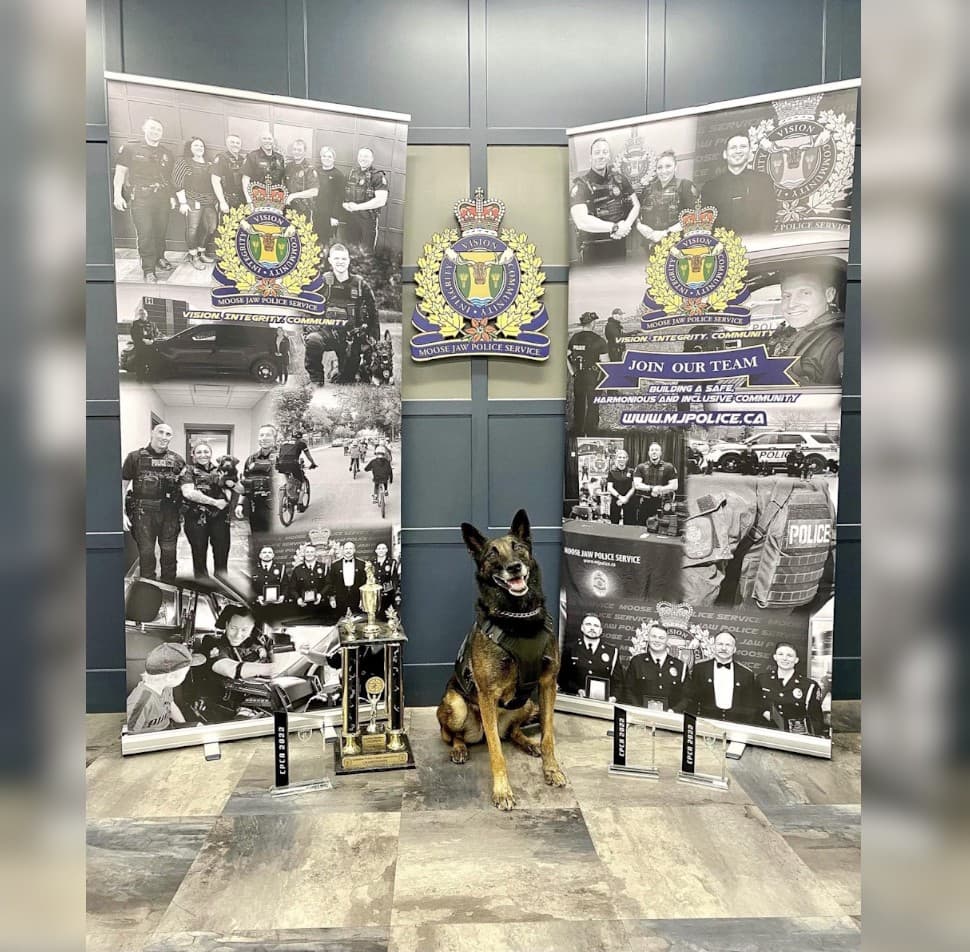
True ended her policing career the same way she lived it, in step with Const. Aaron Woods. The Moose Jaw Police Service Belgian Malinois worked her final shift with him on May 24, closing a run that began in 2019 and carried her through arrests, critical incidents and the daily grind of K-9 duty in Moose Jaw, Saskatchewan.
At eight years old, True retired at the age many police dogs begin to feel the strain of a job that asks for speed, nerve and total focus. The breed fit the work for a reason. Belgian Malinois are prized in police service for drive, intelligence and stamina, and True’s reputation in Moose Jaw was built on exactly those traits, along with a steadiness officers came to rely on when the calls got serious.
Her partnership with Woods was about more than training hours and commands. Earlier coverage of the pair described True as Woods’s “best buddy” and said the bonding process meant she was with him 24 hours a day from day one. That kind of closeness is part of what makes K-9 teams effective: the dog has to read the handler, the handler has to trust the dog, and both have to move as one when public safety depends on it.

True’s retirement also lands inside a unit that has been growing around the demands of round-the-clock policing. Moose Jaw Police Service’s K-9 branch was expanding to four officer-and-dog teams, a setup meant to put a dog on all MJPS shifts. The service has said police dogs typically cost between $7,500 and $12,000 to acquire and usually work about seven to nine years, which makes True’s timeline a familiar one for the profession. The department itself has been serving Moose Jaw for 130 years, and that long history now includes another chapter of working-dog service coming to a close.
A younger Belgian Malinois, Draco, 17 months old, was introduced as the newest police service dog and was expected to replace a veteran member, a reminder that one dog’s retirement is always tied to another dog’s start. Moose Jaw Police Service has said a retired dog usually stays with the handler or, if that is not possible, goes to a trusted colleague or friend. However True’s next home is arranged, her final shift with Woods marked the end of a career that kept pace with the city and the unit that depended on her.
This article was produced by Prism’s automated news system from verified source data, official records, and press releases, then run through automated quality and moderation checks before publishing. The system is built and supervised by the people who set the standards it runs under. Read our full AI policy.
Did this article answer your question?