Nationwide Dog Behavior Study Finds Reactivity Often Mistaken for Aggression
Bark Busters reviewed nearly 50,000 U.S. consults and found reactivity, not aggression, was the top concern. Mislabeling it can push owners toward the wrong fix.
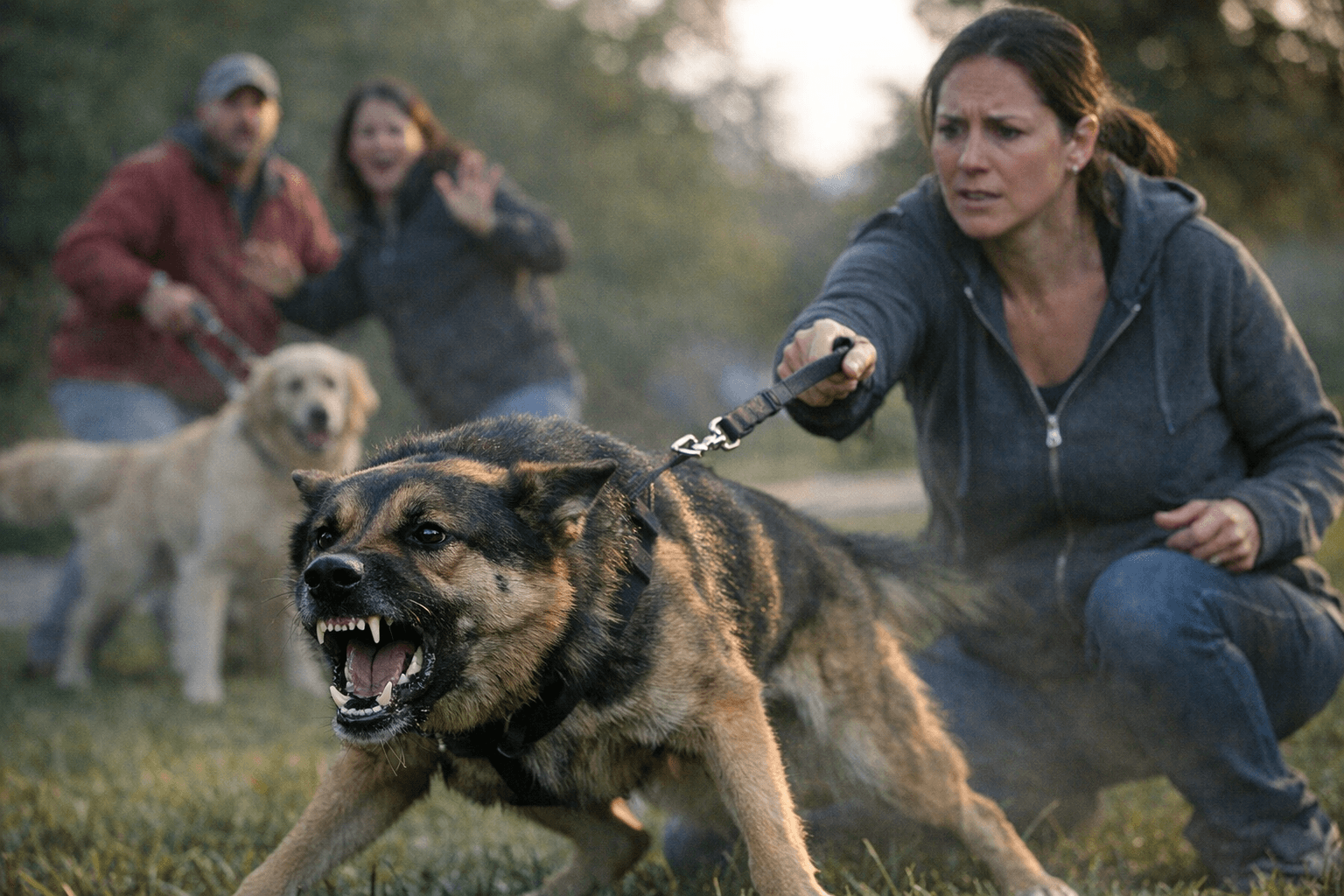
The costly mistake many owners make is calling reactivity aggression. A dog that barks, lunges, pulls on leash, cowers, or growls when startled is often overwhelmed by fear, frustration, anxiety, overstimulation, or surprise, not trying to harm anyone.
That distinction sat at the center of Bark Busters Home Dog Training’s 2026 U.S. National Dog Behavior Analysis, published March 4 and based on nearly 50,000 U.S. client inquiries. In that data set, reactivity was the leading dog-training concern nationwide, a sign of how often intense behavior shows up first on walks, at windows, or when another dog enters view.
The problem is that reactivity looks dramatic. A fast-moving, high-drive dog may spin toward a trigger, bark in bursts, or throw its whole body into the leash, and that can read as aggression to anyone watching from the sidewalk. But the pattern usually changes with context: once the trigger is gone, the dog may settle quickly. That is why the label matters. If owners treat a reactive dog like a dangerous one, they are more likely to yell, yank harder on the leash, or ignore the behavior altogether, all of which can raise stress and make the next outburst more likely.
Guidance from the American Kennel Club matches that picture. The AKC says reactive dogs may bark, lunge, cower, or pull on leash when triggered, and that fear, frustration, or excitement can sit underneath the behavior. Veterinary Partner also describes reactivity as a response to something in the environment, commonly seen on leash and driven by anxiety, fear, or frustration. For owners of hyperenergetic dogs, that means the issue is often not bad attitude but poor regulation in a loaded moment.
The broader veterinary view raises the stakes even more. American Veterinary Medical Association reporting cites veterinary behaviorist Karen Overall saying aggression is fundamentally an anxiety disorder, and AVMA-published research has linked fear- or anxiety-related behaviors and aggression to major reasons dogs are relinquished or euthanized. That is why misreading reactivity can delay the right training, postpone management of triggers, and allow daily stress to harden into a bigger public problem. The clearest fix starts with the right label, because once reactivity is treated as overload instead of defiance, the path to better behavior becomes far more direct.
This article was produced by Prism’s automated news system from verified source data, official records, and press releases, then run through automated quality and moderation checks before publishing. The system is built and supervised by the people who set the standards it runs under. Read our full AI policy.
Did this article answer your question?